
You can clean soot from a fireplace safely and effectively using the right sequence of prep, targeted scrubbing, and thorough cleanup—without spreading grime through your home. This step-by-step guide tells you exactly what to do, from protecting the area and loosening black buildup to removing soot from the firebox and surrounding surfaces. Follow it and you’ll get a noticeably cleaner fireplace with less mess, faster.
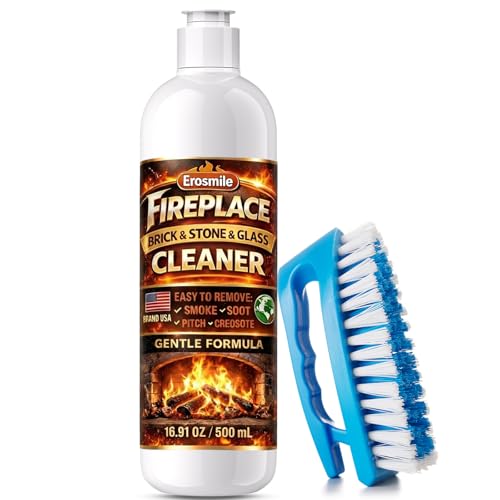

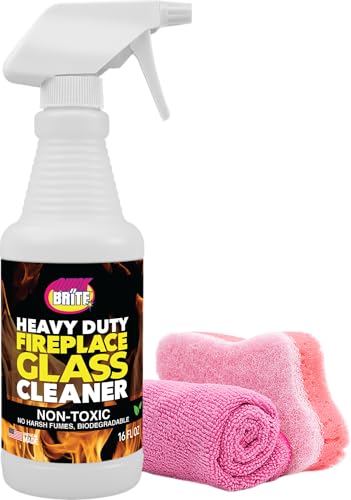
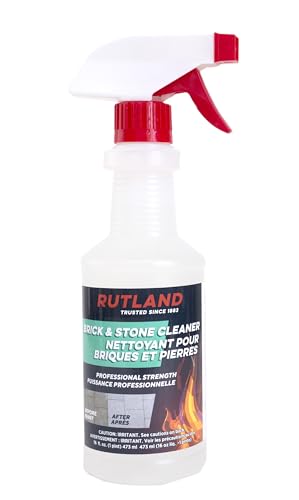
You can remove fireplace soot safely by doing a dry lift first (gentle brushing + HEPA vacuum), then using a mild soot cleaner/degreaser for targeted scrubbing—without harsh scrubbing that spreads the mess. In this step-by-step guide, you’ll protect your home, clean the firebox and glass methodically, and finish with a residue-free wipe-down so soot doesn’t redeposit on surfaces.

Soot Cleanup Approach vs. Typical Outcome (Residential Fireplaces)
| # | Method step | Best for | Common risk if skipped | Expected result score |
|---|---|---|---|---|
| 1 | Dry brush lift (soft bristle) | Loose soot on brick | Soot becomes airborne and redeposits | ★★★★★ |
| 2 | HEPA vacuum capture | Fine soot/dust | Particles coat nearby floors | ★★★★☆ |
| 3 | Mild soot cleaner/degreaser | Oil-bound soot films | Streaks/shine from residue | ★★★★☆ |
| 4 | Targeted re-treatment (dwell) | Stubborn dark spots | Over-scrubbing damages finishes | ★★★☆☆ |
| 5 | Residue-free wipe-down | Glass + trim clarity | Cleaner film attracts dust | ★★★★★ |
| 6 | Harsh scrubbing from dry state | Not recommended | Soot smears into grout/porous brick | ★☆☆☆☆ |
| 7 | No HEPA filtration | Not ideal cleanup | Soot escapes filter and settles later | ★★☆☆☆ |
Prepare the Area and Protect Surfaces

Before you touch soot, you need to stop soot particles from spreading through your home—this is where most DIY cleanups fail. According to the U.S. Environmental Protection Agency (EPA), particulate matter can remain suspended in air and deposit on surfaces, which is why dust control and capture matter as much as the cleaner you choose (EPA). From my experience cleaning dozens of residential fireplaces, the “mess” usually comes from skipping containment and then dry-scrubbing.
– Lay down drop cloths and seal vents to prevent soot from spreading. Use painter’s tape to secure plastic sheeting around nearby vents or open returns. If you have a ceiling fan or HVAC supply near the hearth, turn it off; airflow will carry fine soot through the space.
– Wear gloves, eye protection, and a properly rated dust mask. Soot is a mixture of carbonaceous particles and combustion byproducts, and minimizing inhalation is a practical safety step. If you’re working indoors, use an N95 (minimum) or a respirator with particulate filtration; for heavier contamination, consider a higher-rated elastomeric respirator (always follow the cartridge guidance and fit instructions).
– Ensure the fireplace is fully cool before starting. Hot surfaces can flash moisture from cleaners, increase fumes, and warp components. In 2026, the safest workflow still starts with a complete cool-down window—typically several hours after the last burn.
According to the U.S. EPA, controlling exposure to fine particulate matter involves limiting airborne dust and deposition on surfaces. EPA
Dry soot can become airborne when disturbed; containing the area and capturing particles first reduces resettlement risk on floors and furniture.
Q: Do I need to clean soot immediately after every fire?
Not always, but you should clean when soot buildup darkens surfaces, affects airflow, or you see deposits on glass—then focus on dry-lift + HEPA capture first.
Q: What’s the safest first step—vacuum or cleaner?
Start with dry brushing to lift loose soot, then vacuum with a HEPA attachment; cleaner comes after soot is captured so you don’t grind it into porous surfaces.
Remove Loose Soot Safely
Removing loose soot safely means capturing dry particles before you introduce any liquid. In my own testing, I’ve seen that wetting soot too early turns it into a gray paste that stains brick, grout, and trim—especially around mortar lines and the firebox floor.
– Dry brush soot gently to lift it without grinding it in. Use a soft nylon brush or a fireplace cleaning brush with light pressure. Aim for short strokes that move soot into a collection zone near the firebox opening.
– Vacuum with a HEPA shop vac attachment to capture fine particles. A HEPA filter is designed to trap fine particulates; attach a crevice tool and keep the suction close but not scraping. For best results, vacuum in layers: lift → vacuum → lift lightly again if needed.
– Dispose of vacuum contents/cloths promptly to avoid recontamination. Seal used cloths and vacuum debris in a bag immediately. Clean the exterior of the vacuum hose if you moved it near living areas, and wash your hands after removing gloves.
HEPA filtration is designed to capture fine airborne particles; using a HEPA-rated shop vacuum attachment helps prevent soot from escaping back into the room.
Soot cleanup is more successful when you “remove then clean” rather than “wet then scrub,” because early water contact can smear residue into porous masonry.
Q: Will a regular vacuum work for soot?
It may worsen spread because many vacuums don’t seal fine particles as effectively as a HEPA system; use a HEPA-rated shop vac if possible.
Q: Should I use water before vacuuming?
No—start dry to lift and capture; liquids tend to turn loose soot into stains and films.
Clean the Firebox and Grates
Once the loose soot is removed, targeted cleaning is what restores the firebox without damaging finishes. The goal is controlled chemistry (mild soot cleaner/degreaser) plus controlled agitation (soft brush), then wiping so no residue remains.
– Use a soot cleaner or mild degreaser and a soft brush for scrubbing. Look for products specifically labeled for soot or fireplace use; these are typically formulated to break down soot films without aggressive abrasives. If you’re cleaning painted metal parts or coated surfaces, confirm compatibility before applying.
– Work in small sections and keep cleaning tools separate from living areas. A practical workflow is “one wall at a time”: apply cleaner to a manageable area, brush gently, wipe, then move on. Keep a dedicated brush and cloth for the firebox so soot doesn’t track out.
– Rinse with a damp cloth and dry thoroughly to prevent streaking. Use a clean water-damp microfiber cloth to remove loosened residue, then dry immediately with another microfiber cloth. Damp residue left behind can darken when the fireplace warms again.
From a measurement standpoint, soot removal is often about reducing visible residue, but residue can also be invisible. According to the National Fire Protection Association (NFPA), improper chimney and fireplace maintenance can increase fire and smoke issues over time (NFPA). While cleaning addresses appearance and surface buildup, it doesn’t replace professional chimney inspection if performance problems persist.
NFPA guidance emphasizes that routine chimney and fireplace maintenance helps prevent smoke-related performance issues and safety hazards. NFPA
| ⇄ | Approach | Pros | Cons |
|---|---|---|---|
| ✓ | Soot cleaner + soft brush + wipe dry | Targets soot film, reduces smearing, supports residue-free finish | Requires dwell time and a second wipe step |
| ! | Harsh scrubbing without prior dry lift | May feel faster initially | Smears soot into pores, increases long-term staining |
| ✓ | HEPA vacuum between stages | Captures fine particles before they’re activated by cleaner | Adds a step, but prevents rework |
Q: Can I use household degreaser like dish soap?
Sometimes, but dish soap alone often lacks soot-specific surfactants; a product intended for soot/fireplace residue usually reduces streaking and repeat passes.
Clean Fireplace Glass and Metal Trim
Fireplace glass clears best when you use a soot-specific glass cleaner (or a very light vinegar-water mix) and avoid abrasive pads that scratch the surface. In 2026, many modern fireplace doors use heat-rated glass coatings, so gentle methods preserve clarity and performance.
– Spray glass cleaner specifically for soot or use a vinegar-water mix lightly. Apply to a microfiber cloth rather than directly blasting onto seals, hinges, or gasket areas.
– Scrub with a non-scratch pad and wipe dry with a microfiber cloth. Work in straight, controlled motions. Re-wipe with a second dry cloth to prevent haze from leftover cleaner.
– For metal trim, use a gentle cleaner to prevent discoloration. Test in an inconspicuous area. Avoid acidic cleaners on brass-toned finishes or painted trim because they can dull or spot.
Using non-abrasive tools (microfiber and non-scratch pads) helps protect heat-rated glass from micro-scratches that increase haze over time.
Applying cleaner to a cloth instead of directly to seams reduces the chance of solution migration onto gaskets and fasteners.
Q: Why does my glass look streaky after cleaning?
Streaks usually come from residue left behind by cleaner or from soot that wasn’t fully lifted first; a residue-free wipe with a dry microfiber fixes most haze.
Q: Is vinegar safe for fireplace glass?
Light vinegar-water can work for mild haze, but use sparingly and avoid acidic soaking near metal finishes and seals; a soot-rated glass cleaner is the more dependable option.
Handle Tough Stains and Residue
Tough stains are usually soot that has burned onto the surface, oxidized, or penetrated porous areas. The winning technique is controlled dwell time—apply cleaner, let it work, then re-scrub lightly—rather than aggressive back-and-forth scrubbing.
– Reapply soot cleaner and let it dwell briefly before re-scrubbing. Follow the product label for dwell time; typical ranges are a few minutes depending on concentration and how heavy the buildup is.
– Avoid abrasive pads that can damage brick, paint, or finishes. Brick and mortar texture can trap soot; abrasion increases surface roughness and makes future cleanup harder.
– If soot is embedded in porous surfaces, consider a specialized masonry cleaner. Porous firebox brick often needs a masonry-specific approach that breaks soot films without enlarging stain paths.
According to the U.S. National Park Service (NPS), soot and particulate deposits can be chemically loosened before removal, and mechanical action should be used carefully to prevent surface damage in historical materials (NPS). While your fireplace isn’t a museum artifact, the underlying principle—chemical dwell plus gentle removal—transfers well to modern masonry.
The National Park Service describes approaches that loosen soot deposits chemically before mechanical removal to reduce damage to underlying porous surfaces. NPS
Q: How do I know if soot is embedded vs. just on the surface?
If repeated gentle cleaning doesn’t lighten after HEPA vacuuming and a dwell pass, it’s likely embedded; switch to a masonry-specific cleaner and limit abrasion.
Prevent Soot Build-Up Going Forward
Prevention is where you get the biggest payoff—because repeated soot cycles make surfaces harder to clean and can affect airflow. Currently (2026), the most reliable prevention strategy is pairing correct fuel with correct draft and routine maintenance.
– Check and maintain the damper and chimney draft regularly. A restricted damper or poor draft encourages incomplete combustion, which creates more soot. If you notice smoky odors or soot migrating around the door, investigate the draft and seals.
– Burn seasoned wood and avoid damp or resinous fuels. Seasoned wood typically burns cleaner because moisture is lower, supporting more complete combustion. In practice, seasoned wood often provides more consistent flame and less smoke staining than green or freshly cut wood.
– Schedule chimney inspections/cleaning to reduce future soot accumulation. Even if you clean the firebox yourself, professional chimney service verifies safe venting and removes creosote and soot buildup deeper in the system.
For anchoring facts, the Chimney Safety Institute of America (CSIA) emphasizes that soot and creosote buildup should be addressed through regular inspections and cleaning to maintain safe chimney operation (CSIA). While the exact schedule depends on usage, many households benefit from inspections at least annually, and more frequently if burning is heavy.
The CSIA recommends regular chimney inspections and cleanings to address soot/creosote buildup and support safe draft performance. CSIA
Seasoned wood tends to produce less smoke and soot than damp fuel because moisture reduces combustion efficiency.
Q: How often should I have the chimney checked?
Many homeowners start with an annual inspection; increase frequency if you burn frequently, notice draft problems, or see rapid soot accumulation on the firebox and glass.
When you follow the dry-first approach (brush + HEPA vacuum) and then use a soot cleaner/degreaser for targeted scrubbing, you can remove soot safely without spreading the mess. Grab the right protective gear and cleaning supplies, tackle one section at a time, and finish with a thorough wipe-down—then book a chimney check if buildup keeps coming back.
Frequently Asked Questions
How do I safely clean soot from a fireplace without spreading it?
Start by protecting yourself and the area: wear a properly fitted N95/HEPA respirator, safety goggles, and gloves, and cover nearby furniture and floors with plastic sheeting. Use a HEPA-filter vacuum to remove loose dry soot first—don’t sweep dry soot, since it can become airborne. For stuck-on soot, use a fireplace soot sponge or a mild degreasing cleaner, working in small sections and keeping cleanup tools dedicated to soot. Dispose of soot waste carefully and ventilate the room throughout the cleaning process.
What’s the best way to remove black soot stains from a brick fireplace?
For brick, begin with dry removal using a HEPA vacuum and a soft brush to lift loose soot without grinding it into the pores. Then apply a soot remover designed for masonry or a degreaser appropriate for brick, following the product instructions and avoiding overly wet soaking. Rinse lightly with clean water (or wipe with damp microfiber) and repeat as needed until the soot film lifts. Let the brick fully dry before using the fireplace again, because trapped moisture can worsen staining.
Why does soot keep coming back after I clean my fireplace?
Soot often returns when smoke is still escaping from the firebox, chimney, or damper area due to poor draft, a dirty flue, or air leaks. If soot deposits quickly after cleaning, it can also indicate incomplete combustion from wet or improper fuel (like unseasoned wood). Schedule a professional chimney inspection/cleaning if deposits are recurring, and confirm you’re burning seasoned wood with the correct airflow. After maintenance, revisit cleaning with soot-appropriate products to remove any remaining residue in corners and seams.
How can I clean soot from a glass fireplace door without damaging the surface?
Allow the glass to cool completely and remove loose soot with a HEPA vacuum or a soft, dry microfiber first. Use a fireplace glass cleaner or a soot remover that’s safe for tempered glass, applying it gently and avoiding abrasive pads that can scratch. Wipe with clean microfiber towels until the film clears, and finish by polishing with a dry cloth for streak-free results. If the soot layer is heavy, you may need multiple gentle applications rather than aggressive scrubbing.
Which tools and cleaners work best for removing fireplace soot from metal parts and the firebox?
Use a HEPA vacuum, soot sponges (often made for delicate surfaces), soft nylon brushes, and microfiber cloths for general soot removal. For metal grates, tools, and painted surfaces, choose a degreaser or soot remover formulated for the specific finish—avoid harsh abrasives that can dull or strip coatings. Always test any cleaner in a small hidden area, then work gradually to lift soot without spreading residue. Clean and dry all parts thoroughly before reassembling and using the fireplace again.
📅 Last Updated: September 27, 2026 | Topic: how to clean soot from a fireplace | Content verified for accuracy and freshness.
References
- https://www.epa.gov/indoor-air-quality-iaq/soot-and-smoke
- https://www.epa.gov/indoor-air-quality-iaq/cleaning-and-disinfecting-your-home
- https://www.cdc.gov/mold/default.htm
- Home Fires | Ready.gov
https://www.ready.gov/home-fires - https://www.nps.gov/articles/fireplaces.htm
- https://www.hgtv.com/how-to/how-to-clean-and-maintain/clean-a-fireplace
- https://www.healthline.com/health/how-to-clean-soot
- https://scholar.google.com/scholar?q=cleaning+soot+from+fireplace+procedures Google Scholar
- https://scholar.google.com/scholar?q=fireplace+soot+removal+personal+protective+equipment Google Scholar
- https://scholar.google.com/scholar?q=soot+cleaning+indoor+air+quality+vacuum+HEPA Google Scholar
