

Want to know how to clean a standing shower drain fast and safely? This guide delivers clear steps to remove hair, soap scum, and grime without damaging your drain or backing up water. Follow the process exactly and you’ll get standing water moving again—typically the same day.



To get a standing shower drain flowing again, remove the strainer and manually pull out hair and buildup, then flush with hot water and use a single cleaner that matches your clog chemistry. This approach clears the most common blockages (hair, soap scum, and gunk) safely, reducing the chances of damaging the drain or triggering chemical reactions in your plumbing. A standing shower drain is usually clogged with hair, soap scum, and gunk that blocks flow and traps water—so cleaning typically means removing the drain cover/strainer, pulling out debris, flushing with hot water and a suitable cleaner, and finishing with a thorough rinse so the drain stays clear.
This is for you if water is pooling after you shower, the drain smells, or the flow has noticeably slowed in a standing shower. Use the steps below to get it flowing again without damaging the drain or plumbing—especially if you’d like to avoid calling a plumber right away.
Gather what you need (and protect yourself)

The fastest, safest way to clean a standing shower drain is to prep tools and protective gear first so you can remove hair cleanly and avoid hazardous splashes from cleaners. For standing shower drains, the goal is to clear the visible strainer area, then treat the deeper blockage only with products that are compatible with your drain and plumbing materials.
Gloves help protect your skin from irritants in hair sludge and from chemical drain-cleaner residue.
Avoid mixing drain cleaners; many brands and safety sheets warn that combining chemicals can create dangerous heat or fumes.
Mechanical removal (hair and debris) should come before chemicals because it reduces the amount of gunk that must be dissolved.
What to grab before you start
– Gloves are non-negotiable for standing shower drain cleanup. Hair, biofilm (a slimy layer of organic material), and soap scum can irritate skin even when you “only touch a little.”
– A drain brush or toothbrush helps scrub the underside of the strainer and the first inch or two of the drain opening—where buildup often starts.
– Paper towels or a small scoop (like a disposable plastic cup) make it easier to collect loosened debris without smearing it down the drain.
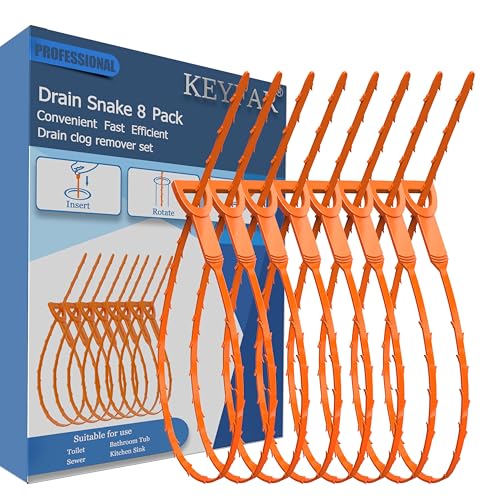
– Tweezers, a hair hook, or a bent hanger helps you grab clumps that don’t lift with your fingers.
– If you’re using a chemical drain cleaner for your standing shower drain: read the label for your drain material (common examples include PVC/ABS plastic pipes, stainless steel, and brass/bronzelike fittings). Use the label directions exactly as of 2026—manufacturers can update formulations and dwell times.
Why material compatibility matters for a standing shower drain
A standing shower drain isn’t just a “hole in the floor.” It connects to piping, a trap, and often metal or plastic components. Acidic or caustic cleaners can affect some materials over time, and they can also leave residues that continue to smell if you don’t rinse thoroughly.
Clear the drain cover/strainer and remove hair/debris
To clear a standing shower drain quickly, you start by removing the strainer so you can physically pull hair and visible sludge out of the top section. If water is pooling, this step often fixes the problem without chemicals because the clog is commonly trapped near the drain opening.
Standing water usually indicates the blockage is high enough to affect flow into the trap, so removing the strainer targets the most common clog location first.
Hair clumps collect quickly around strainer openings, and manual removal is the most direct way to eliminate the “starter” blockage for a standing shower drain.
Remove the strainer safely
1. Unscrew or lift the drain cover/strainer (depending on your model). Set the cover aside somewhere clean and dry.
2. Pull out hair and visible buildup by hand first. If needed, use tweezers, a hook, or a bent hanger to snag debris clumps.
3. Wipe the inside of the visible drain area. This matters: if you leave a film of soap scum on the walls, the next step (hot water or cleaner) has to work through a slick barrier.
What “good enough” looks like
For a standing shower drain, “cleared” usually means:
– The visible opening is free of hair and chunky buildup.
– You can see through the strainer area into the drain body as much as your access allows.
– The drain walls are scrubbed enough that hot water can actually contact remaining residue.
Personal note:
Flush with hot water to loosen soap scum
To loosen soap scum and help wash out what you removed, flush the standing shower drain with hot tap water in short rounds. This step is the “bridge” between mechanical cleaning and any chemical treatment, because it reduces residue without immediately needing stronger products.
Soap scum is water-resistant, so hot water helps soften it and lets the standing shower drain purge loosened particles.
Short flushes are often more effective than one long pour when a standing shower drain is partially blocked, because they reduce the chance of backing up.
How to flush without making things worse
– Run hot tap water into the drain and watch the standing water level.
– Use multiple short flushes instead of one extended blast. If drainage is slow, pause and let the system respond—then try again.
– If water still won’t drain well after you’ve cleared the strainer and done hot flushes, the clog is likely deeper than the strainer (or it may involve odor/backup caused by a larger plumbing issue).
When hot water alone isn’t enough
Hot water works best when the problem is primarily soap scum near the opening. If you’re dealing with a hair pack farther down the standing shower drain line, hot water may loosen some material but not fully break the blockage.
Use the right cleaner (without mixing chemicals)
To finish the job when mechanical removal and hot flushing aren’t enough, use one cleaner type that matches the chemistry of the clog—and never mix products. For a standing shower drain, the safest “escalation path” is: mechanical removal → hot water → single cleaner per label → thorough rinse.
Drain cleaner labels typically require a specific dwell time; using too little time may leave residue, while overuse increases the risk of irritation and damage.
Mixing cleaners is unsafe because different chemicals can react and generate harmful heat or fumes.
After any chemical treatment, rinsing thoroughly helps remove residue that can continue to cause odor and slow drainage.
Choose a single approach and follow label directions
– If you use a chemical drain cleaner, pour/use it exactly as the manufacturer directs.
– Allow the full recommended dwell time listed on the label.
– Don’t mix products. For example, don’t combine bleach-based cleaners with other chemicals. If you used one approach, rinse and then decide whether to switch.
When to stop and reassess
If your standing shower drain still pools after the recommended treatment and rinse, don’t keep repeating chemicals. At that point, you’re more likely dealing with:
– A deeper hair blockage,
– A partial clog in the trap/line,
– Or an issue outside the shower drain (like venting or a drain line obstruction).
Cleaner Type Compatibility for Standing Shower Drains
| # | Cleaner approach | Typical chemistry | Clog targets (most common) | Drain/material safety (★) |
|---|---|---|---|---|
| 1 | Enzyme/biological cleaner | Neutral pH (commonly ~6–8) | Organic scum, light hair residue | ★★★★☆ |
| 2 | Hot-water flushing | Temperature-driven solubilization | Soap film, loosened particles | ★★★★★ |
| 3 | Acid-based (mild, often citric-type) | Low pH (commonly ~2–4) | Soap scum, mineral/soap deposits | ★★★☆☆ |
| 4 | Sulfamic-type (often stronger acid) | Very low pH (commonly ~1–2) | Heavy soap scum | ★★☆☆☆ |
| 5 | Caustic (sodium hydroxide-type) | High pH (commonly ~13–14) | Grease/fatty buildup; biofilm residue | ★☆☆☆☆ |
| 6 | Peroxide/oxidizing cleaners | Oxidizers (strong oxidizing strength varies) | Odor-causing organics | ★★★☆☆ |
| 7 | Drip/cable “mechanical only” (manual extraction) | No chemical reaction | Hair packs near access points | ★★★★☆ |
What can go wrong (and how to avoid it)
The biggest failure mode with a standing shower drain is skipping the “right order” (remove debris first, then flush, then treat) or using the wrong chemical sequence. If you do both correctly, most common hair-and-soap clogs clear; if not, you can create persistent odor, damage materials, or push the blockage deeper.
If you don’t rinse thoroughly after using a chemical cleaner, residues can continue to cause odor and reduced flow in a standing shower drain.
Some drain covers use twist-lock or hidden clips; forcing them can crack the strainer or distort the seal.
Common issues and prevention
– You can’t remove the cover: some drain systems have parts that don’t lift easily—stop and check for a model-specific method rather than forcing it.
– Chemical buildup or odor persists: residue can cause continued smell or slow drainage if you don’t rinse after cleaner use.
– Slow drainage returns quickly: that usually means hair is still trapped deeper; repeat manual removal plus periodic hot-water flushing.
– Standing water won’t move at all: if the water level stays high even after these steps, there may be a deeper blockage—consider professional help.
Cleaner choice pitfalls (quick comparison)
| If you’re seeing… | A better first step | Avoid… |
|---|---|---|
| Hair clumps visible at the strainer | Manual extraction + hot-water flush | Leaping straight to caustic chemical pours |
| Soap scum film and greasy feel | Hot flush, then a single acid-type cleaner if needed | Switching acids and bases in the same session |
| Persistent odor after draining | Rinse + enzymatic/oxidizing option per label | Skipping the rinse after oxidizers |
A note on plumbing causes beyond the standing shower drain
If your standing shower drain keeps failing even after thorough cleaning, don’t ignore the system design. Plumbing codes require proper trap seals and drainage slopes; when those are compromised, water can linger and odors can return.
According to the International Plumbing Code (IPC), the trap seal must be at least 2 inches (year depends on the edition you follow).
According to the IPC drainage slope tables for many common residential sizes, minimum slopes are commonly 1/4 inch per foot (≈2%) for typical trap arms/horizontal drains.
(If you need a specific edition, use your local code year—rules can vary.)
Verdict: a practical plan that usually works
A reliable plan for a standing shower drain is mechanical removal first, then hot-water flushing, then—only if needed—a single cleaner chosen and used exactly per label. That sequence clears most common hair-and-soap clogs without creating chemical conflicts in your pipes, and it’s generally low risk for typical shower drain materials.
That said, this won’t solve every situation. If the clog is deeper in the run, if there’s a venting issue, or if the trap/line is failing, repeated DIY cleaner use can waste time and increase risk.
If you’ve tried the steps and water still pools, or you suspect a problem outside the shower drain (for example, venting issues), skip further DIY and call a plumber.
Quick checklist to save
– [ ] Gloves on; remove strainer/drain cover
– [ ] Pull out hair/debris from the visible area
– [ ] Flush with hot water in multiple short rounds
– [ ] If needed, use one appropriate cleaner per label directions
– [ ] Rinse thoroughly afterward
Sources
– International Plumbing Code (IPC) — trap seal depth requirement and minimum drainage slope tables (use the edition enforced in your area).
– American Association of Poison Control Centers (AAPCC) — chemical exposure and hazard reporting related to drain cleaner incidents (use the latest annual report available).
To keep your standing shower drain clear, follow the order: remove hair and debris, flush with hot water in short rounds, then apply a single cleaner only when needed—always rinsing thoroughly after any chemical step. If the standing water persists after those efforts, it’s a strong sign the issue is deeper than the strainer area, and professional help is the fastest way to protect your plumbing.
Frequently Asked Questions
How do I clean a standing shower drain without damaging the plumbing?
Start by removing visible hair and debris with a drain grabber or tweezers, then flush the drain with hot water to loosen soap scum. If you use a chemical cleaner, choose one labeled safe for shower drains and follow the directions exactly—never mix products. For stubborn buildup, a gentle enzyme drain cleaner or a baking soda and vinegar method can help break down organic gunk without harsh effects. Avoid pouring boiling water if you have plastic piping, and never use metal tools that could scratch or deform the drain.
What’s the best way to remove standing water and odor from a clogged shower drain?
First, clear the trap area by pulling out hair and residue from the drain cover or strainer. Then use a plunger designed for sinks or a handheld plunger to create suction and dislodge the clog, adding a little water to help the seal. After the water drains, run hot water and repeat as needed, then use an enzyme drain cleaner to keep the shower drain from reforming odor-causing buildup. Regular rinsing helps prevent standing water from returning.
Why does my standing shower drain keep clogging, and how can I prevent it?
Most recurring clogs come from hair, soap scum, shampoo residue, and mineral deposits that accumulate in the drainpipe over time. Install a hair catcher or use a drain strainer to trap debris before it reaches the pipes, and clean it weekly. Once a month, flush the shower drain with hot water and a maintenance cleaner (like an enzyme product) to reduce grime buildup. Keeping the drain area dry between showers can also slow down soap-scum formation.
Which cleaner is safest and most effective for cleaning a shower drain with standing water?
For routine cleaning and ongoing odor control, enzyme-based drain cleaners are often the safest option because they target organic buildup like hair and soap residue. If you have slow drainage or partial clogs, enzymatic cleaners can work gradually—use them according to the label and allow sufficient time. For heavy clogs, mechanical removal (hair removal and plunging or a drain snake) is usually more effective than relying on chemicals alone. If you do use a stronger chemical, use it sparingly and never combine different cleaners.
How do I clean a shower drain trap and remove hair buildup in a standing shower?
Remove the drain cover or strainer and manually pull out hair and gunk with a drain tool, tweezers, or a small brush. If your shower has accessible trap parts, check for accumulated sludge and rinse them thoroughly before reassembling. After physical cleaning, flush the drain with hot water and treat the shower drain with an enzyme cleaner to break down remaining soap scum inside the pipes. Repeat every few weeks if you notice the shower drain getting slower or water starting to pool again.
📅 Last Updated: October 17, 2026 | Topic: how to clean standing shower drain | Content verified for accuracy and freshness.
References
- https://www.cdc.gov/mold/cleanup/index.html
- Mold Cleanup in Your Home | US EPA
- https://www.cdc.gov/hygiene/cleaning/index.html
- Drain
- Trap (plumbing)
- Drain cleaner
- https://pubmed.ncbi.nlm.nih.gov/?term=shower+drain+biofilm
- https://scholar.google.com/scholar?q=how+to+clean+shower+drain+standing+water Google Scholar
- https://scholar.google.com/scholar?q=drain+biofilm+cleaning+disinfection Google Scholar
- https://scholar.google.com/scholar?q=bathroom+drain+microbial+community+biofilm Google Scholar
