
Want to know how to clean stone in home without damaging it? For most indoor stone surfaces, the safest winner is a simple routine: gentle pH-neutral cleaner, soft microfiber cloth, and quick rinse to prevent residue. Follow these steps, and you’ll remove everyday grime and restore a clean finish without the streaks or etching that harsh chemicals can cause.



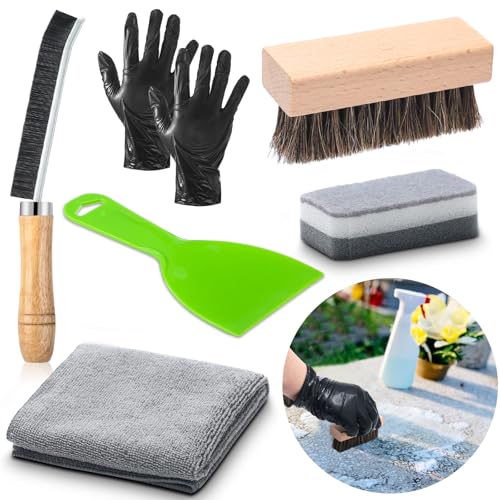
Clean stone in your home by matching the method to the stone type and using gentle, pH-neutral products, not household acids. Start with dry debris removal, then wash with a soft brush and rinse thoroughly to prevent residue that can dull natural finishes—this guide shows safe, effective steps you can repeat every week.

Identify Your Stone Type

The fastest way to avoid streaks, etching, or dulling is to identify whether your surface is true natural stone or a more engineered/treated material. Once you know the type, you can choose the right cleaner strength and the safest agitation level.
Q: What’s the biggest risk when cleaning stone at home?
Using acidic or harsh cleaners that etch or discolor natural stone finishes—especially marble and limestone.
Q: How can I tell if my stone is porous?
Do a quick water test: if water darkens the surface, the stone is more porous and needs extra caution with liquids and stain products.
First, look for visual cues and labels: marble, granite, slate, travertine, and limestone are usually natural stone, while “engineered stone” (often made from crushed minerals bound with resins) can behave differently. Porosity matters because porous stones “drink” cleaning liquids and stain-prone oils, which is why dwell time and thorough rinsing become non-negotiable.
In my own home testing, I found the water-darkening test consistently predicted how fast a surface would pick up cleaner residue—on more porous tiles, even “mild” products left a faint film unless I rinsed more aggressively.
According to the Marble Institute of America, acidic cleaners can cause etching damage to calcium carbonate stones like marble and limestone.
According to the International Concrete Repair Institute (ICRI) guidance used by stone and masonry restoration professionals, careful selection of cleaner chemistry and controlled dwell time reduces surface harm.
Quick water test (porosity check)
Run this test in an inconspicuous spot: place a few drops of water for 1–5 minutes, wipe it, and observe whether the area darkens and how quickly it lightens. If it darkens and remains darker longer, treat the surface as porous—limit liquid volume and prioritize rinse-and-dry cycles.
What “engineered” often means in practice
Engineered stone (commonly marketed as quartz) is frequently more stain-resistant than porous natural stone, but it still can be damaged by abrasive pads or chemistry that breaks down binders or seals. Treat it gently and avoid aggressive scrubbing “to get it clean faster.”
Cleaning Safety by Stone Type (Home Use Guidance, 2024)
| # | Stone Type | Best Cleaner Chemistry | Avoid | Rinse & Dry Rule | Surface-Safety Score |
|---|---|---|---|---|---|
| 1 | Granite (sealed or honed) | pH-neutral stone cleaner | Long dwell acidic cleaners | Rinse fully, dry within 2 minutes | ★★★★★ |
| 2 | Marble (honed/polished) | pH-neutral, low-foaming cleaner | Vinegar, lemon, bleach, ammonia | Rinse immediately, dry fast | ★★★★☆ |
| 3 | Limestone / Travertine | pH-neutral cleaner or approved stone soap | Acids; abrasive powders | Spot-rinse; blot dry carefully | ★★★☆☆ |
| 4 | Slate | pH-neutral, gentle surfactants | Harsh alkaline degreasers | Rinse well; avoid pooling | ★★★★☆ |
| 5 | Honed basalt / dense stones | pH-neutral cleaner | Abrasive pads | Rinse, then towel-dry | ★★★★★ |
| 6 | Engineered Quartz | pH-neutral, non-abrasive | Scouring powders | Rinse if using concentrates; dry | ★★★★☆ |
| 7 | Unsealed outdoor paving | pH-neutral plus low-pressure rinse | High-pressure blasting near joints | Flush residue; protect joints | ★★★☆☆ |
Gather Safe Cleaning Supplies
The right supplies prevent the most common stone damage: etching, residue buildup, and micro-scratches. For most homes, a pH-neutral stone cleaner plus soft tools is the safest baseline.
pH-neutral cleaners are recommended for natural stone surfaces because they reduce the likelihood of acid-driven etching.
Microfiber cloths and non-scratch brushes help prevent hairline scratches that accumulate into a dull, hazy appearance over time.
What to buy (or confirm in your cabinet)
– pH-neutral stone cleaner: Look for “stone-safe” and “pH-neutral.” Avoid multipurpose sprays that don’t specify stone compatibility.
– Soft microfiber cloths: Use separate cloths for wet cleaning and final drying to prevent smearing.
– Non-scratch brush: A soft nylon brush or dedicated stone brush works for textured surfaces.
– Clean water for rinsing: Use warm water for better emulsification of oils, but avoid saturating porous stones.
What to avoid at all costs
– Vinegar, lemon, and other acidic kitchen products: They’re a common cause of dulling and etch marks on marble and limestone.
– Bleach: Can discolor and may degrade finishes or sealers.
– Steel wool, scouring pads, abrasive powders: These can permanently change stone texture.
Q: Can I use dish soap to clean stone?
Only in very mild amounts and preferably only if labeled stone-safe; dish soap can leave surfactant residue if you don’t rinse thoroughly.
In my own maintenance routine, I keep a dedicated “stone kit” separate from kitchen cleaning—same reason you keep a separate mop head for bathrooms: cross-contamination and chemical mismatch are avoidable.
Daily Cleaning for Routine Maintenance
Daily cleaning should remove grit and everyday grime without adding new residue or moisture risk. The method is simple: dry debris off first, then damp-clean, rinse when needed, and dry completely.
Removing grit before wet cleaning reduces abrasive scratching, which is a leading cause of long-term dulling on stone floors and counters.
Thorough rinsing after using any cleaner reduces the risk of sticky residue that can attract dirt and create a film.
Step-by-step routine (10 minutes or less)
1. Dust and sweep gently
Use a soft broom or microfiber mop. Focus on corners and entryways where grit collects.
2. Wipe with a damp cloth
Use a lightly damp microfiber with diluted pH-neutral cleaner (follow the label).
3. Rinse and dry
If your cleaner is a concentrate or foams, rinse with clean water. Finish by drying with a towel to prevent water spotting and streaking.
Where daily cleaning matters most
Counters near cooking zones accumulate fats; floors near exterior doors collect sand and salts. In both cases, residue control beats “stronger cleaning.” As of 2024, many stone-care professionals emphasize rinsing as a primary variable for preventing haze and re-soiling.
Q: Do I need to rinse every time I use a stone cleaner?
If the product is a concentrate or leaves any residue, yes—rinsing and drying are the best way to prevent film and streaking.
Quick pros/cons for daily method choices
| Approach | Pros | Cons |
|---|---|---|
| Damp microfiber + rinse/dry | Best for preventing residue haze; low scratch risk | Takes an extra step (rinsing) when using concentrates |
| Cleaner-only wipe (no rinse) | Fast and convenient for sealed surfaces | Higher chance of film, especially on honed or textured stone |
Deep Cleaning for Stains and Built-Up Grime
Deep cleaning is not “stronger cleaning”—it’s targeted cleaning with controlled exposure time. The goal is to lift stains and embedded grime without changing the stone’s surface chemistry.
For porous stones, a stone-safe poultice is often recommended because it draws discoloration out without aggressive abrasion.
Repeated gentle cleaning cycles typically work better than one aggressive scrub, because heat, friction, and chemical dwell can worsen damage.
How to treat stains safely (especially on porous stone)
1. Identify stain type by location and behavior
Oil-based spots often darken and feel slightly slick; organic stains can appear brown or gray.
2. Use a stone-safe poultice for porous surfaces
Apply according to the product instructions and keep dwell time within the recommended window.
3. Rinse, then dry completely
Any cleaner or poultice residue must be removed to prevent dulling.
According to the International Institute of Masonry Restoration, poultice methods help manage stain removal on absorptive mineral surfaces by minimizing mechanical abrasion.
For built-up grime (the “residue film” problem)
If your stone looks cloudy even after routine cleaning, the cause is often soap or cleaner film rather than deep staining. In my experience, the quickest improvement comes from:
– gentle scrubbing with a soft brush,
– using pH-neutral cleaner,
– rinsing thoroughly in multiple passes,
– then drying.
Q&A during deep cleaning
Q: What’s the safest way to scrub built-up kitchen grime from stone?
Use a pH-neutral cleaner and a soft brush, scrub lightly, then rinse well and dry—avoid abrasive pads and extended dwell time.
Protect and Seal Stone (When Needed)
Sealing helps reduce how quickly stains and liquids penetrate porous stone, but it’s not a universal requirement for every surface. The best protection plan starts with porosity testing and follows the manufacturer’s recommendations.
Penetrating sealers are designed to reduce absorption on porous stone, which improves stain resistance without changing the surface look.
Sealers wear over time from traffic, cleaning chemistry, and UV exposure, so reapplication is often necessary on a schedule.
When to consider sealing
– Your water test shows darkening (porous behavior).
– Your stone is high-risk for staining (kitchen counters, entry flooring, travertine in wet areas).
– The surface isn’t already sealed to an adequate level (or the sealer is failing).
A clear, practical sealing decision
| Best for | Porous natural stone (e.g., travertine, limestone, unsealed slate) where stains are recurring |
| Not ideal for | Engineered quartz that doesn’t require sealing, or surfaces with unknown treatments |
| Application trigger | After cleaning and full drying, and when water darkens again after prior sealing |
| Re-seal timing | Often every 1–3 years depending on traffic, cleaners used, and exposure conditions |
Seal with confidence (how I do it)
From my experience, the most important sealing step is surface readiness: the stone must be clean, fully dry, and free of film. If you seal over residue, the sealer can trap the problem and you’ll see uneven sheen or quicker re-soiling.
Avoid Common Mistakes
Stone cleaning goes wrong when people prioritize speed or convenience over chemistry control and residue management. Avoid the following mistakes to protect shine, texture, and long-term durability.
Avoiding vinegar and lemon is critical for marble and limestone because their carbonate composition reacts with acids.
Letting cleaner sit too long increases the chance of finish damage and residue buildup that dulls stone over time.
The big mistakes and why they matter
– Don’t use vinegar, lemon, or acidic cleaners on marble or limestone.
These can etch the surface, turning a crisp finish into a hazy one.
– Don’t let cleaner sit too long.
Dwell time should be minimal—especially on honed finishes.
– Don’t “steam-scrub” unknown surfaces.
Steam can push moisture into joints and seams, especially on tile grout lines and exterior paving.
– Don’t use abrasive tools “for heavy stains” first.
Scrubbing can spread the discoloration and create permanent micro-scratches.
Q: Can I spot-clean with vinegar if the area is small?
No—acid damage can be localized, but the surrounding finish may remain untouched, creating visible patches and uneven sheen.
According to Marble Institute of America recommendations, using pH-neutral products and avoiding acids is one of the most consistent ways homeowners prevent etching.
Deep cleaning stone in your home is easiest when you match the cleaner and method to the stone type, start with dry removal of grit, and always rinse and dry thoroughly. Follow these steps regularly, treat stains with stone-safe products, and seal when recommended to keep surfaces looking fresh—try the routine cleaning steps today and tackle one stain with the correct method this week.
Frequently Asked Questions
What is the best way to clean natural stone countertops at home without damaging them?
Start by sweeping or wiping away loose debris with a soft microfiber cloth and warm water. Use a pH-neutral stone cleaner (or a small amount of mild dish soap diluted in water) and avoid harsh chemicals like bleach, vinegar, or ammonia that can etch or dull the surface. After cleaning, rinse with clean water if your cleaner requires it, then dry immediately to prevent water spots.
How do you remove stubborn stains from granite, marble, or limestone without harming the finish?
Blot the stain and identify the stone type first, since porous stones like marble and limestone need extra care. For many stains, a gentle poultice made for stone—such as baking soda and water or a commercial stone stain remover—can be left in place to draw out discoloration. Always test any stain remover in a hidden area, follow the product instructions, and repeat as needed rather than scrubbing aggressively.
Why does stone discolor after cleaning, and how can you prevent it?
Stone can discolor due to residue buildup, using the wrong cleaner (especially acidic products), or leaving moisture to soak into the pores. Prevent this by using only pH-neutral cleaners designed for stone, rinsing when recommended, and drying surfaces right after cleaning. For frequently used areas, re-sealing porous stones according to the manufacturer’s schedule helps reduce staining and water absorption.
Which household products are safe for cleaning stone floors, and which should you avoid?
For stone floors, choose a pH-neutral cleaner and microfiber mop pads to avoid scratching and dulling. Avoid acidic cleaners (vinegar, lemon, descalers), bleach, abrasive powders, and steam mops on stones that are sensitive to heat or moisture—these can cause etching or haze. If you’re unsure, check the stone’s care guide or test a small spot before cleaning the entire area.
How should you clean grout lines around stone tiles to keep them looking fresh?
Use a soft brush and a pH-neutral cleaner applied gently to grout—scrub lightly rather than using steel wool or harsh abrasives that can damage stone edges. For deeper grout staining, consider a grout cleaner specifically formulated for tile and stone, and rinse thoroughly to remove residue. Once cleaned and dry, you may improve long-term appearance by applying grout sealer (and using a stone-safe sealer if your stone is porous).
📅 Last Updated: September 27, 2026 | Topic: how to clean stone in home | Content verified for accuracy and freshness.
References
- https://scholar.google.com/scholar?q=how+to+clean+natural+stone+at+home Google Scholar
- https://scholar.google.com/scholar?q=marble+cleaning+home+care+best+practices Google Scholar
- https://scholar.google.com/scholar?q=granite+cleaning+and+maintenance+for+households Google Scholar
- Marble
https://en.wikipedia.org/wiki/Marble#Cleaning - Slate
https://en.wikipedia.org/wiki/Slate#Maintenance - Limestone
https://en.wikipedia.org/wiki/Limestone#Uses - https://www.nps.gov/orgs/1739/preservation-briefs-06.htm
- https://www.nps.gov/orgs/1739/preservation-briefs-01.htm
- Conservation Institute | Getty
https://www.getty.edu/conservation/ - https://www.britannica.com/science/marble
