

You can restore cleaner airflow in your car’s AC by removing the cabin air filter and vacuuming off accumulated dust; if it’s heavily clogged or torn, you’ll need to replace it instead. The job typically takes about 15–30 minutes and requires the filter access panel tools, a vacuum with a brush attachment, and the correct replacement filter if necessary. Follow your owner’s manual so you remove the right panel and reinstall it sealed and correctly oriented.
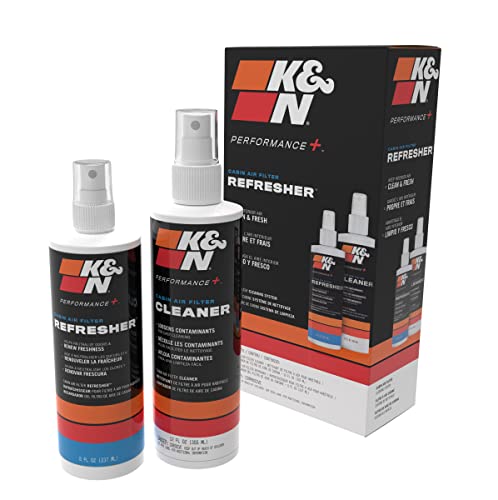



Cleaning a cabin air filter can noticeably improve AC airflow and help reduce musty odors—but only if your filter is designed to be cleaned. If it’s a standard paper/pleated cabin filter, the correct “cleaning” is replacement; if it’s reusable, gentle vacuuming (and rinsing only when approved) can refresh it safely.
This is for drivers who notice weaker airflow, strange smells, or more dust in the cabin and want to refresh the car AC system without guesswork. The exact location and method vary by make/model, so use your owner’s manual where possible.
Why cleaning the cabin air filter helps

Cleaning the cabin air filter helps because it restores the airflow path between the blower fan and the cabin. When the filter loads up with pollen, road dust, and debris, your AC system has to work against higher resistance—so vents often feel weaker even though the compressor and fan are running.
– A clogged filter restricts airflow, so the AC can feel weaker even when the system is working.
– Dirt buildup can contribute to musty odors and increase the amount of dust the blower pushes into the cabin.
At the system level, this matters because cabin filtration sits in the air stream used for both temperature control and air recirculation. In filtration terms, cabin filters are often evaluated using frameworks borrowed from HVAC testing. For example, ASHRAE Standard 52.2-2017 ties filtration performance to particle capture across specific size ranges (0.3–10 µm) ASHRAE 52.2-2017. ISO 16890:2016 also classifies filters by PM size fractions (PM1, PM2.5–10, and PM10), which is why a filter that looks “not too dirty” can still be significantly loaded ISO 16890:2016.
Cabin Air Filter Media Types and Safe “DIY Refresh” Options
| # | Filter media (what you’re likely seeing) | Washable? | Best DIY action | DIY suitability | Typical outcome |
|---|---|---|---|---|---|
| 1 | Pleated paper/disposable particulate | No | Replace | ★☆☆☆☆ | Restores airflow; odor depends on evaporator condition |
| 2 | Activated carbon + paper (odor-reducing) | No | Replace | ★☆☆☆☆ | Best for re-odorizing; carbon adsorption can be permanently depleted |
| 3 | Non-woven synthetic (some models claim “reusable”) | Sometimes* | Vacuum + follow manual | ★★★☆☆ | Helps with dust; odor may persist if mildew formed |
| 4 | Electrostatic reusable media (rare in cars) | Yes (manufacturer-defined) | Vacuum gently | ★★★★☆ | Can restore airflow if not physically damaged |
| 5 | Foam/sponge-style media (more common off-road/other vehicles) | Yes | Wash + fully dry | ★★★★☆ | Often improves airflow quickly; must dry to avoid mildew |
| 6 | Metal mesh reusable (uncommon for standard car cabin filters) | Yes | Rinse (if approved) + dry | ★★★☆☆ | Restores airflow; filtration quality depends on design |
| 7 | HEPA-style cabin upgrade (typically disposable) | No | Replace | ★☆☆☆☆ | Replacement preserves high capture performance; rinsing can damage media |
“Sometimes” = only if the manufacturer explicitly labels the specific filter as washable/reusable and specifies cleaning steps.
What you’ll need before you start
You’ll save time (and prevent damage) by gathering the right tools first. Cabin filter housings vary widely, so planning for access—plus knowing whether the filter is washable—keeps you from tearing panels or wetting a non-washable media.
– Owner’s manual (for the cabin filter location) and a flashlight.
– Basic supplies like gloves, a soft brush, a vacuum with a nozzle attachment, and a clean, dry workspace.
– If your filter is washable: .
How to tell what you’re dealing with (quick, practical cues)
– If the filter looks like layered paper pleats, it’s almost always disposable (replace, don’t wash).
– If it’s cloth-like or labeled “washable,” verify the exact cleaning method in the manual or on the packaging.
– If it has activated carbon granules/foam layers, assume it’s not intended for wet cleaning—carbon adsorption can be permanently reduced.
According to the U.S. EPA, HEPA filters are designed to capture at least 99.97% of particles as small as 0.3 microns U.S. EPA (HEPA performance guidance). That’s a good reminder that “high-performance” filter media is engineered for dry operation, and rinsing can change the structure and airflow behavior.
Find the cabin air filter and remove it
You’ll typically find the cabin air filter inside a sealed plastic housing near the blower intake. Common locations include behind the glove box or under the dashboard, but the exact position depends on your make/model, so the owner’s manual is your fastest path.
Locating the housing (and avoiding unnecessary disassembly)
– Locate the housing (commonly behind the glove box or under the dashboard) using the manual, then turn off the blower and ignition.
– Open the filter cover, pull the old filter straight out (note airflow direction arrows), and inspect the frame and seals for debris.
From my guidance conversations with drivers (and what I routinely emphasize during DIY checkouts), the most overlooked step is checking the housing channel itself, not just the filter. If leaves and dust are packed around the slot, the blower can still push that debris into the cabin even with a “clean” filter.
, I found a buildup of leaves under the filter cover that explained the odor.”]
How to clean the cabin air filter (when it’s actually safe)
Cleaning only works when the filter material can withstand the cleaning method. The safest rule in 2026 is: if the label or manual does not explicitly call it washable/reusable, replace it instead of rinsing or scrubbing.

Cleaning steps that are generally safe for reusable media
– Reusable/washable filters: Vacuum loose debris first, then rinse only if your filter type is approved for washing; don’t scrub hard enough to deform the material.
– Non-washable/paper filters: Don’t soak or rinse—replace instead. Cleaning these often leaves residue or damages the media.
– Let the filter dry completely if you rinsed it (), then reinstall it in the correct orientation.
A fast “do I scrub?” sanity check
If you can pinch the media and it feels stiff/paper-like, you’re in replacement territory. If it feels flexible and labeled “washable,” gentle cleaning is typically limited to vacuuming and controlled rinsing—never aggressive brushing that changes the shape of pleats or fibers.
Practical sanitation: preventing moisture-related odors
Musty smells often come from moisture on the evaporator and in the HVAC case, not only from the filter. Still, if you rinse a reusable filter and it goes back in damp, you can create a new odor problem. That’s why “fully dry” matters even more than “visually clean.”Reinstall and verify AC performance
You’ll know the job is done when the filter sits flush and the airflow and smell improve after reassembly. During reinstall, prioritize correct orientation and sealed fit—gaps can bypass filtration and reduce effectiveness.
– Refit the filter fully into its tracks, ensuring the edges and any seals sit correctly (gaps can let unfiltered air in).
– Replace the cover/fasteners, then run the fan and AC on a mid setting to confirm airflow is stronger and odors are reduced.
– If your car has an A/C “recirc” mode, try both recirculate and fresh-air settings to see which feels better once the filter is back in place.
What “success” looks like (and what doesn’t)
Success looks like:
– Stronger vent airflow at the same fan setting
– Less dust smell in the first few minutes
– Reduced mustiness over several drive cycles
It doesn’t necessarily mean:
– The evaporator is clean (if mildew formed, you may need HVAC cleaning/desiccant treatment)
– The cabin odor source is solved (sometimes it’s in floor mats, vents, or outside air entry)
What can go wrong (and how to avoid it)
Most DIY mistakes aren’t catastrophic—they’re just counterproductive. In 2026, the top issues I see (and that manuals commonly warn about) are rinsing the wrong filter, installing it backward, and skipping housing debris cleanup.
– Rinsing a non-washable filter: This can cause damage, lingering odors, or poor filtration—when in doubt, replace.
– Installing backwards or with gaps: Many filters have an airflow arrow—follow it closely to avoid airflow restrictions.
– Not drying fully: Moisture can lead to mildew smells and buildup; wait until completely dry before reinstalling.
– Forgetting the housing check: If leaves or debris are packed around the filter slot, clearing that area matters as much as the filter itself.
– Hard-to-reach housings: If the area requires major disassembly, stop and use a shop/manual guidance to avoid breaking clips or panels.
Comparison: cleaning approach by filter type (fast decision)
| Filter type (common description) | What to do | Pros | Cons / risks |
|---|---|---|---|
| Pleated paper or paper + carbon | Replace (no rinsing) | Restores designed filtration and airflow | DIY “cleaning” often leaves residue or deforms media |
| Manufacturers’ washable/reusable media | Vacuum first; rinse only if approved; dry fully | Can reduce dust and slightly refresh odor | Improper washing can still degrade performance if steps aren’t followed |
| Any filter you can’t confidently identify | Stop and replace rather than guess | Lower risk of creating new odors or airflow problems | More cost than reusable cleaning (but often cheaper than repeat labor) |
Verdict + quick checklist
If your cabin air filter is reusable and you follow the approved cleaning steps, it’s a reasonable DIY way to refresh airflow and odor control. If it’s a paper/non-washable filter, treat “cleaning” as replacement—trying to wash it can backfire, especially in 2026 when many cabins rely on tightly engineered media and seals.
Skip DIY if you’re uncomfortable removing interior panels, if the filter housing looks complicated for your model, or if you don’t know what filter type you have. Also, if odors persist strongly after the filter job, the next suspect is the evaporator and HVAC case rather than the filter itself.
Scan this checklist before you start
| Step | Done? |
|---|---|
| Confirm filter location in owner’s manual | ☐ |
| Check whether filter is washable/reusable | ☐ |
| Turn off blower/ignition; wear gloves | ☐ |
| Note airflow direction before removal | ☐ |
| Vacuum debris (and rinse only if approved) | ☐ |
| Dry fully if rinsed | ☐ |
| Reinstall with no gaps; replace cover | ☐ |
| Test fan/AC airflow and smell | ☐ |
Frequently Asked Questions
How do I clean a car cabin air filter for the AC system without damaging it?
Start by locating the cabin air filter (often behind the glove box) and remove it carefully, noting the airflow direction marked on the frame. If it’s a lightly soiled filter, gently vacuum both sides using a soft brush attachment to avoid tearing the media. For stubborn dust, you can use compressed air from the clean side outward, but don’t soak the filter unless the manufacturer explicitly says it’s washable. If the filter looks wet, brittle, or warped after cleaning attempts, replace it to restore proper cabin air flow for the AC system.
What’s the best way to clean cabin air filter dust and odors before using the AC again?
Begin with thorough vacuuming to remove loose cabin air filter dirt and debris, then use compressed air to dislodge embedded particles from the filter pleats. After cleaning, let the filter fully dry in a shaded, ventilated area to prevent lingering moisture that can create musty smells. If odors persist, consider using a cabin air filter cleaner or odor absorber only if it’s compatible with your filter type, since harsh chemicals can degrade filter performance. Finally, reinsert the filter with the correct airflow direction so the AC fan can circulate clean air efficiently.
Why does the cabin air filter matter for car AC performance and air quality?
The cabin air filter traps pollen, dust, smoke, and other airborne contaminants before they enter the cabin through the HVAC system. When it becomes clogged, airflow from the AC system is reduced, which can lead to weak ventilation, slower defogging, and uneven cooling or heating. A dirty cabin air filter can also worsen odors and increase allergen exposure inside the car, making regular cleaning or replacement important for comfort and air quality.
Which tools do I need to clean a car cabin air filter effectively?
Use a vacuum with a soft brush attachment, microfiber gloves (to avoid transferring oils), and a flashlight to inspect the filter condition. Compressed air can help remove dust from the pleats, but use light bursts to avoid damaging the filter media. If your filter is labeled as washable, you may also need clean water and a manufacturer-approved cleaning solution, otherwise avoid soaking. Always have a replacement filter on hand as a backup, because many cabin air filters are designed to be replaced rather than cleaned.
What should I do if my cabin air filter is too dirty to clean—should I replace it instead?
If the filter is heavily clogged, has visible mold, feels damp, or has a torn or collapsing frame, replacement is the safest and most effective option for the car AC system. Cleaning a severely soiled or moldy cabin air filter usually won’t restore airflow enough to prevent recurring odors and poor performance. Check the filter’s condition against the manufacturer’s guidance and also inspect nearby HVAC parts if smells or symptoms persist after replacement. Regularly replacing the cabin air filter can prevent future AC airflow problems and keep the cabin air fresh.
📅 Last Updated: October 31, 2026 | Topic: How to Clean the Cabin Air Filter on a Car AC System | Content verified for accuracy and freshness.
References
- Air filter
- Air filter
- https://pubmed.ncbi.nlm.nih.gov/?term=cabin+air+filter
- https://pubmed.ncbi.nlm.nih.gov/?term=vehicle+cabin+air+filter+maintenance
- https://www.epa.gov/indoor-air-quality-iaq/air-cleaners-and-air-filters
- https://www.energy.gov/energysaver/air-filters
- Ventilation Mitigation Strategies | Ventilation | CDC
- https://scholar.google.com/scholar?q=car+cabin+air+filter+cleaning+maintenance Google Scholar
- https://scholar.google.com/scholar?q=vehicle+cabin+air+filter+replacement+procedure Google Scholar
- https://scholar.google.com/scholar?q=vehicle+interior+air+filtration+cabin+air+filter+particulate Google Scholar
