

Grime and soap scum often build up around shower curtain hooks, and simply rinsing the curtain usually leaves the residue behind. You can clean those hooks quickly and safely with a few basics—warm water, a mild cleaner or vinegar solution, and a soft brush or cloth. In about 10–20 minutes, you will have hardware that slides smoothly again and looks visibly cleaner, with minimal effort.


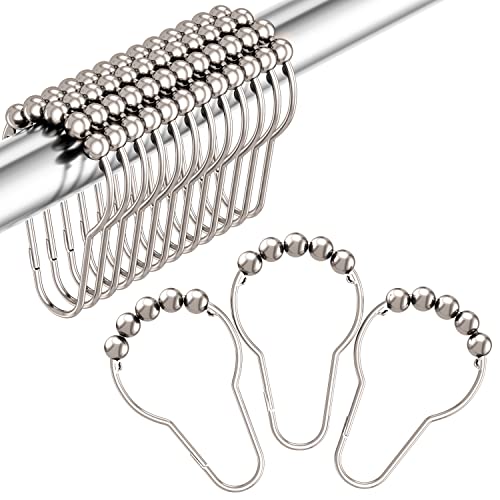

Cleaning shower curtain hooks is mostly about removing buildup, soaking in the right solution, then drying them thoroughly so grime doesn’t re-form. Start by taking the hooks off the curtain so you can reach the rails and joints, wash with warm soapy water, then target mildew or mineral deposits with vinegar or a compatible cleaner—followed by a full dry.
If you’ve noticed gray film, black spots, sticky movement, or rust on your shower curtain hooks, this guide is for you. It’s also helpful when your shower curtain starts to smell musty even after washing the liner.
What you’ll need (and what to check first)

The fastest way to clean shower curtain hooks is to match the cleaner to the hook material before you scrub. Since hooks can be plastic, metal (often coated), or a mixed set, your first job is checking compatibility so you don’t damage the finish that keeps water out.
Start with a material check, because that determines whether vinegar, hydrogen peroxide, or baking soda paste is safe. In my experience the “wrong” product doesn’t just leave residue—it can cause finish dulling, which then traps moisture on shower curtain hooks and makes buildup return faster.
Before you begin, gather:
– Hook material: plastic, metal (possibly coated), or mixed hardware—this affects what cleaners are safest.
– Basic cleaning supplies: warm water, dish soap, a soft brush or old toothbrush, and a microfiber cloth or towel.
– Mildew/stain options: white vinegar for many deposits and mildew, plus a scrub-friendly paste (like baking soda + water) for stubborn grime.
Quick compatibility facts to keep you safe:
– Vinegar is mild acetic acid (often ~5% in common household “white vinegar”); US regulations define vinegar strength in terms of acetic acid content eCFR (U.S. FDA), vinegar definition for food uses.
– CDC guidance notes mold can begin to grow after 24–48 hours of water exposure, which explains why wet shower curtain hooks can smell musty even when the liner looks “clean” CDC, mold and moisture guidance.
– Many household disinfection instructions rely on 3% hydrogen peroxide as an OTC concentration; always confirm your product label before use CDC, guidance on disinfectants and typical hydrogen peroxide concentration.
Remove the hooks and do a quick pre-clean
The best first step for shower curtain hooks is removal plus a rinse, because it lets you clean rails and crevices without pushing gunk around. Once hooks come off, the soap scum, hair, and mineral film usually lift much faster.
1) Take hooks off the curtain/liner so you can reach track areas and any crevices.
2) Rinse under warm water to knock off loose soap scum and hair. Pay attention to the sliding parts on shower curtain hooks—this is where grit “glues” to the surface.
3) First wash: soak in warm water with dish soap, then scrub gently where buildup collects. Use an old toothbrush for grooves and where the hook meets the ring.
This pre-clean matters even if you plan to use vinegar later. Without it, vinegar can loosen grime that then re-deposits on shower curtain hooks as it dries, creating the “it’s cleaner but still looks gray” effect.
Deep clean mildew and soap scum (best method by issue)
The quickest way to deep clean shower curtain hooks is to treat the visible problem with the chemistry that targets it. After pre-cleaning, you’re basically switching from “degrease” to “descale” or “de-mildew,” then returning to rinsing and drying.
Here’s how to choose by issue:
| Cleaner approach | Best for | Main watch-out |
|---|---|---|
| White vinegar (acid) | Mildew spotting, hard-water scale | Avoid on badly peeling coatings; don’t mix with bleach |
| Baking soda paste (mild alkaline) | Sticky residue and soap film | Gentle scrubbing only—don’t grind gritty paste into finishes |
| Peroxide-based cleaner (oxidizer) | Mildew darkening on compatible materials | Test first; rinse well to prevent residue |
Now apply the right method for each buildup type:
– For mildew/black spots: soak in a vinegar solution (or apply vinegar directly), wait a short period, then scrub and rinse well. If you’re seeing recurring black points on shower curtain hooks, it usually means moisture is staying in the track area or the hook isn’t fully drying.
– For hard water scale/mineral crust: use vinegar soaking longer than the pre-clean, then scrub lightly to avoid scratching. Mineral scale is often calcium/mineral deposits, so acids help dissolve the crust while you keep abrasion minimal.
– For sticky residue: switch to a baking-soda paste scrub (use gentle pressure), then rinse until the water runs clear. Sticky movement often comes from a mix of soap oils + hair + mineral deposits that behave like a glue on shower curtain hooks.
As you work, re-check the joints and sliding surfaces. Shower curtain hooks can look “mostly clean” while the rail contact points still feel gritty—those are the areas that need targeted attention.
Shower Curtain Hook Buildup: Chemistry That Usually Works (material-safe guidance)
| # | Hook buildup type | Most compatible first try | Core active chemistry | Mechanism match |
|---|---|---|---|---|
| 1 | Soap scum film (cloudy gray) | Dish soap wash | Surfactants + warm water | ★★★★☆ |
| 2 | Sticky sliding (tacky track) | Baking soda paste | Mild alkaline abrasive | ★★★★☆ |
| 3 | Hard water scale (crusty white) | White vinegar soak | Acetic acid dissolution | ★★★★★ |
| 4 | Mildew spots (black/gray clusters) | Vinegar or 3% peroxide | Acidic rinse or oxidizer | ★★★★☆ |
| 5 | Hair + mineral paste (dark buildup) | Pre-wash + gentle scrub | Detergent loosening | ★★★☆☆ |
| 6 | Rust staining (orange/brown) | Vinegar to loosen | Mild acid conversion | ★★☆☆☆ |
| 7 | Unknown coating film (peeling risk) | Warm soapy water first | Low-aggression cleaning | ★★★☆☆ |
If your hooks are metal (prevent rust from coming back)
The best rust prevention for shower curtain hooks is not just cleaning—it’s removing moisture and avoiding damage to coatings. Metal hooks (especially coated steel or plated finishes) can develop orange spotting if water sits in joints after you reinstall them.
For rust-colored spots:
– Vinegar can help loosen surface rust, but you’ll still need thorough rinsing and drying.
– Avoid harsh abrasion on coated hooks. Scratches can expose metal and worsen rust over time.
– Dry completely before rehanging. Air-dry with good airflow works best if you have the time.
After you clean shower curtain hooks, check the underside and the rail contact points. Rust often starts in tiny gaps where water clings and evaporates slowly. If your bathroom runs humid year-round, consider leaving the liner partially open after showers to reduce the moisture load on shower curtain hooks.
What can go wrong (and how to avoid it)
The most common failures when cleaning shower curtain hooks come from chemical mixing, aggressive scrubbing, or skipping the final dry step. Each of those can either cause damage or allow mildew to return quickly.
Avoid these pitfalls:
– Don’t mix cleaners: especially avoid vinegar and bleach at the same time (or in sequence without rinsing). Acid + bleach combinations can create hazardous fumes.
– Don’t soak coated hooks too long in aggressive solutions—if you’re unsure, do shorter soaks first and test one hook in a discreet spot.
– Skipping drying can undo the work: leftover moisture encourages mildew growth and re-sticking on shower curtain hooks.
– If coatings are peeling or material is unstable, consider replacing the hooks instead of repeatedly scrubbing. Peeling coatings trap residue, so cleaning becomes a temporary patch.
One more practical note: if your shower curtain track has mildew too, cleaning only the hooks can leave “fresh contamination” every time the liner moves. In that scenario, you’ll still see gray film on shower curtain hooks even right after cleaning.
Verdict / tip (when this is worth it)
This approach is usually the safest, most practical way to clean shower curtain hooks and restore smooth sliding. It works best for routine soap scum buildup, mildew spots, and mineral deposits—especially when you can remove the hooks and let them dry fully.
Skip this DIY cleaning (or plan to replace the hooks) if they’re extensively peeling, heavily corroded, or the material seems unstable. In those cases, continued soaking and scrubbing can trade minor improvement for ongoing damage, and moisture will keep finding its way back to the weakened surface of shower curtain hooks.
Scan-and-save checklist for clean hooks
– [ ] Remove hooks from the curtain/liner
– [ ] Rinse with warm water
– [ ] Soak in warm soapy water, scrub crevices
– [ ] Treat mildew/scale with vinegar (or compatible cleaner)
– [ ] Rinse thoroughly
– [ ] Dry completely before rehanging
Frequently Asked Questions
What’s the best way to clean shower curtain hooks without damaging them?
Start by removing the shower curtain and hooks so you can clean thoroughly. For most plastic or metal hooks, wash them in warm, soapy water first, then use a soft brush to remove soap scum and grime from the grooves. If there’s mildew, soak the hooks briefly in a diluted vinegar solution or a mild bathroom cleaner, then rinse well and dry completely to prevent new buildup.
How do you remove black mold or mildew from shower curtain hooks?
Black spots on shower curtain hooks are often mildew, which needs both cleaning and disinfection. Apply a mildew remover or a vinegar-and-water solution to the hooks, let it sit for 10–15 minutes, then scrub with an old toothbrush to reach crevices. Rinse thoroughly, and dry the hooks fully before reinstalling the shower curtain to reduce the chance of mold returning.
Which household cleaner works best for soap scum on shower curtain rings and hooks?
Soap scum usually responds well to acidic cleaners like white vinegar or a bathroom descaler. Spray or soak the shower curtain hooks in vinegar (or use a diluted descaling cleaner), then scrub where soap scum builds up—especially around the hook’s joints and edges. Rinse with warm water and dry to keep the hooks from attracting residue again.
How often should you clean shower curtain hooks to prevent buildup?
For most bathrooms, cleaning shower curtain hooks every 2–4 weeks helps prevent soap scum and mildew buildup. If your bathroom stays humid or you notice discoloration, clean them monthly or as soon as you see dark spots. Regular wipe-downs and improved ventilation (like running the fan) can also slow down how quickly grime accumulates on shower curtain hooks.
Why do shower curtain hooks get sticky or grimy, and how can you stop it?
Shower curtain hooks collect soap residue, shampoo oils, and hard-water minerals, which can create a sticky film that traps dirt. Use warm water and a gentle cleaner regularly, and address mineral buildup with vinegar or a descaler when needed. To prevent recurrence, keep the curtain and hooks dry after showers and consider switching to rust-resistant hooks if yours are metal and prone to corrosion.
📅 Last Updated: November 14, 2026 | Topic: How to Clean the Hooks on a Shower Curtain | Content verified for accuracy and freshness.
References
- Mold Cleanup in Your Home | US EPA
- https://www.cdc.gov/mold/default.htm
- https://www.mayoclinic.org/healthy-lifestyle/adult-health/in-depth/mold/art-20044373
- Shower
- Mold
- Mildew
- https://www.britannica.com/science/mold
- https://scholar.google.com/scholar?q=shower+curtain+cleaning+mildew+plastic+vinyl+hooks Google Scholar
- https://scholar.google.com/scholar?q=cleaning+mold+from+nonporous+surfaces+detergent+disinfection Google Scholar
- https://scholar.google.com/scholar?q=mildew+prevention+bathroom+humidity+ventilation+microbial+growth Google Scholar

[…] Don’t mix cleaners unless directions explicitly allow […]