How to Clean Thermoplastic Elastomer: Effective Methods
Cleaning thermoplastic elastomer (TPE) is straightforward and requires a few simple steps to maintain its appearance and durability. By using the right cleaning agents and techniques, you can easily remove dirt, stains, and residues without damaging the material. In this guide, you will learn effective methods to clean TPE items, ensuring they remain in top condition.
Understanding Thermoplastic Elastomer (TPE)
Thermoplastic elastomer (TPE) is a versatile material widely used in various products, ranging from children’s toys to medical devices. It combines the elasticity and flexibility of rubber with the durability and processability of plastic, making it an ideal choice for applications where both properties are needed. TPEs are often used in consumer products such as grips, seals, and soft-touch surfaces due to their comfortable feel and excellent resilience. Their ability to be molded and shaped at high temperatures allows for a variety of designs, making TPEs popular in both industrial and commercial sectors.
Recommended Cleaning Supplies
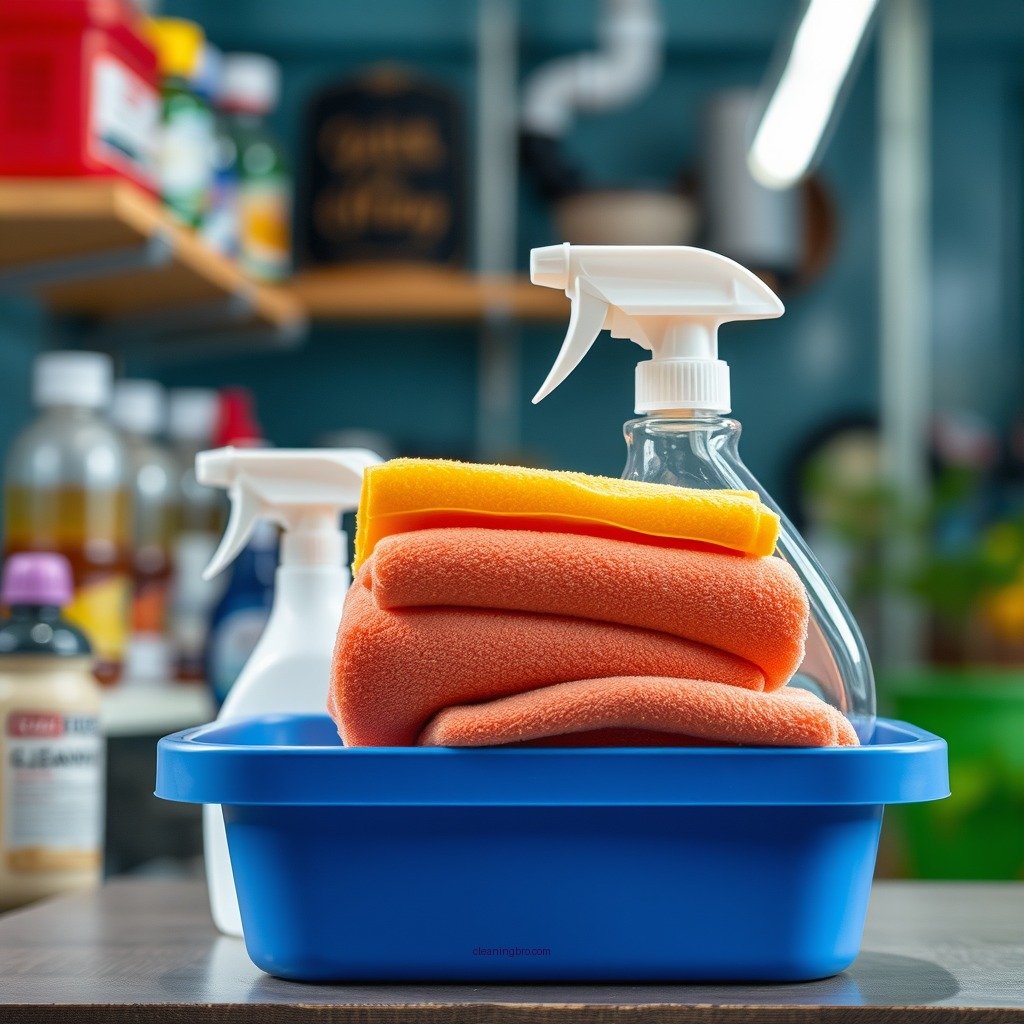
When it comes to cleaning TPE items, having the right supplies is essential to effectively remove dirt and maintain the material’s integrity. Here are some recommended cleaning supplies:
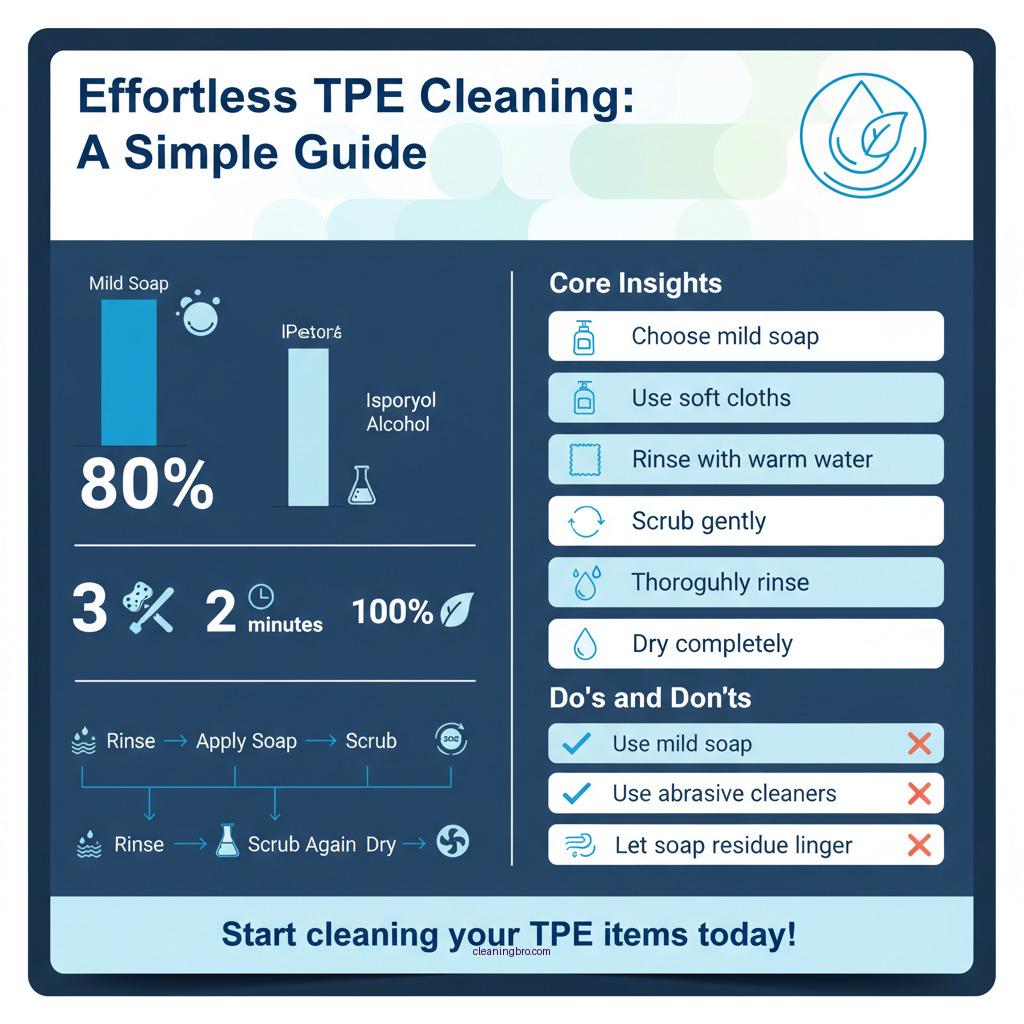
– Mild soap or detergent: A gentle, non-abrasive soap or detergent is ideal for everyday cleaning. It effectively removes dirt without causing harm to the TPE surface. Look for products labeled as biodegradable or environmentally friendly for additional safety.
– Soft cloth or sponge: Using a soft cloth or sponge is crucial to avoid scratching the TPE surface. Microfiber cloths are an excellent choice as they are gentle yet effective in lifting dirt.
– Isopropyl alcohol: For more stubborn stains or for disinfecting purposes, isopropyl alcohol can be used. It’s effective in breaking down oils and residues while remaining safe for most TPE materials, provided you test it first.
Step-by-Step Cleaning Process
Cleaning TPE items can be done efficiently with a systematic approach. Follow these steps for optimal results:
1. Rinse the item under warm water: Begin by rinsing the TPE item under warm water to remove loose dirt and debris. This initial step helps in dislodging any surface grime, making the subsequent cleaning process easier.
2. Apply soap to your cloth or sponge: Take a soft cloth or sponge and apply a small amount of mild soap or detergent. Gently scrub the surface in circular motions, applying light pressure to avoid damaging the material.
3. Rinse thoroughly: After scrubbing, rinse the item again under warm water to remove any soap residue. Ensuring that no soap is left behind is essential, as it can attract more dirt if not properly rinsed.
4. Dry with a clean towel: Finally, use a clean, dry towel to pat the TPE item dry. Avoid air drying, as this can sometimes leave water spots or streaks.
Dealing with Stains and Residues
Occasionally, you may encounter more stubborn stains or residues on your TPE items that require special attention:
– Stubborn stains: For tougher stains, dampen your soft cloth with isopropyl alcohol and gently rub the affected area. The alcohol will help dissolve oils or residues that soap alone may not remove.
– Testing cleaning solutions: Before applying any cleaning solution to a visible area, it’s wise to test it on a small, inconspicuous spot first. This precaution ensures that the finish of your TPE item remains unaffected by the cleaning agent.
Drying and Storing TPE Items
Proper drying and storage of TPE items are vital for maintaining their longevity:
– Pat dry: After cleaning, always pat the item dry with a clean towel. This method prevents water spots and helps to avoid potential mold growth if moisture is trapped.
– Storage conditions: Store TPE products in a cool, dry place, away from direct sunlight and extreme temperatures. Extreme conditions can cause the material to degrade or lose its shape over time. Using a breathable storage bag can also help maintain the integrity of the item.
Maintenance Tips for Longevity
To ensure your TPE items last as long as possible, consider the following maintenance tips:
– Regular cleaning: Establish a regular cleaning schedule to prevent the buildup of grime and stains. Depending on the frequency of use, cleaning TPE items every few weeks can keep them looking new.
– Avoid harsh chemicals: Steer clear of harsh chemicals, bleach, or abrasive materials that could degrade the TPE surface. Non-toxic, gentle cleaners are always preferred for safe maintenance.
– Inspect regularly: Regularly inspect your TPE items for signs of wear and tear. Early detection of cracks or discoloration can allow for timely maintenance or replacement.
Top 7 Thermoplastic Elastomer Products by Type (2024)
| # | Product Type | Common Uses | Durability Rating |
|---|---|---|---|
| 1 | TPE for Toys | Toys, Childcare Products | ★★★★☆ |
| 2 | TPE for Medical Devices | Medical Tools, Implants | ★★★★★ |
| 3 | TPE for Automotive Parts | Seals, Gaskets | ★★★★☆ |
| 4 | TPE for Household Goods | Kitchenware, Cleaning Tools | ★★★☆☆ |
| 5 | TPE for Electronics | Covers, Casings | ★★★★☆ |
| 6 | TPE for Footwear | Soles, Inserts | ★★★★☆ |
| 7 | TPE for Sports Equipment | Bats, Balls | ★★★☆☆ |
Cleaning Products for TPE: A Comparison
| Feature | ⭐ Biodegradable Soap | Isopropyl Alcohol | Vinegar Solution |
|---|---|---|---|
| Effectiveness | ✅ Mildly Effective | ✅ Highly Effective | ✅ Moderately Effective |
| Disinfecting Properties | ✅ No | ✅ Yes | ✅ No |
| Surface Damage Risk | ✅ Low | ✅ Moderate | ✅ Low |
| Environmental Impact | ✅ Low | ✅ Moderate | ✅ Low |
| Ease of Use | ✅ Very Easy | ✅ Moderate | ✅ Very Easy |
| Cost | Affordable | Moderate | Very Affordable |
| Shelf Life | Long | Short | Long |
| Effect on Color | ✅ No | ✅ Possible | ✅ No |
| Recommended For | General Cleaning | Stain Removal | Basic Cleaning |
| 🏆 Best For | Eco-friendly Cleaning | Disinfection | General Household Use |
Maintaining the cleanliness and integrity of thermoplastic elastomer items is essential for their longevity. By following the effective cleaning methods outlined above, you can ensure that your TPE products not only look great but also perform well over time. Regular maintenance and the proper use of cleaning supplies will help you extend the life of these versatile materials. Implementing these practices will allow you to enjoy the benefits of TPE products while keeping them in optimal condition.
Frequently Asked Questions
What is the best way to clean thermoplastic elastomer (TPE)?
The best way to clean thermoplastic elastomer is by using warm soapy water and a soft cloth or sponge. Avoid abrasive cleaners and materials, as they can damage the surface. Rinse thoroughly with clean water to ensure no soap residue remains, then dry with a soft towel to prevent water spots.
How do I remove stains from thermoplastic elastomer?
To remove stains from thermoplastic elastomer, you can use a mixture of mild soap and water or isopropyl alcohol for tougher stains. Apply the solution with a soft cloth, gently scrubbing the stained area, and then rinse with clean water. For stubborn stains, a diluted vinegar solution may also be effective, but always test on a small, inconspicuous area first.
Why is it important to clean thermoplastic elastomer regularly?
Regular cleaning of thermoplastic elastomer is important to maintain its appearance and longevity. Dirt, oils, and residues can accumulate, leading to discoloration and degradation of the material over time. By keeping TPE clean, you ensure it remains functional and visually appealing, especially in consumer products.
Which cleaning products should I avoid when cleaning thermoplastic elastomer?
When cleaning thermoplastic elastomer, avoid using harsh chemicals, bleach, or abrasive cleaners, as these can damage the material and affect its elasticity. Instead, stick to mild soaps, water, and soft cloths. Always check product labels to ensure they are safe for use on TPE.
How can I prevent damage to thermoplastic elastomer during cleaning?
To prevent damage to thermoplastic elastomer during cleaning, always use soft cloths and gentle cleaning solutions. Avoid scrubbing too hard and do not use sharp objects that could scratch the surface. Additionally, ensure the cleaning environment is free from extreme temperatures, as rapid changes can impact the material’s integrity.
References
- Thermoplastic elastomer
https://en.wikipedia.org/wiki/Thermoplastic_elastomer - https://www.ncbi.nlm.nih.gov/pmc/articles/PMC6571857/
https://www.ncbi.nlm.nih.gov/pmc/articles/PMC6571857/ - https://www.sciencedirect.com/topics/materials-science/thermoplastic-elastomer
https://www.sciencedirect.com/topics/materials-science/thermoplastic-elastomer - https://www.ncbi.nlm.nih.gov/pmc/articles/PMC5646491/
https://www.ncbi.nlm.nih.gov/pmc/articles/PMC5646491/ - Sign in – Google Accounts
https://sites.google.com/a/berkeley.edu/thermoplastic-elastomers/home - https://pubmed.ncbi.nlm.nih.gov/31508599/
https://pubmed.ncbi.nlm.nih.gov/31508599/ - Google Scholar Google Scholar
https://scholar.google.com/scholar?q=how+to+clean+thermoplastic+elastomer - Google Scholar Google Scholar
https://scholar.google.com/scholar?q=thermoplastic+elastomer+cleaning+methods - Google Scholar Google Scholar
https://scholar.google.com/scholar?q=maintenance+of+thermoplastic+elastomers - https://www.britannica.com/science/thermoplastic-elastomer
https://www.britannica.com/science/thermoplastic-elastomer