

Learn how to clean tinted auto windows without damaging the film, with a clear, safe method that protects the tint and keeps it streak-free. If you’ve been tempted by harsh glass cleaners or paper towels, this guide tells you exactly what to use instead and what to avoid. Follow the winning routine for the most common tint types, and you’ll get clean, clear glass without peeling, bubbling, or fading.
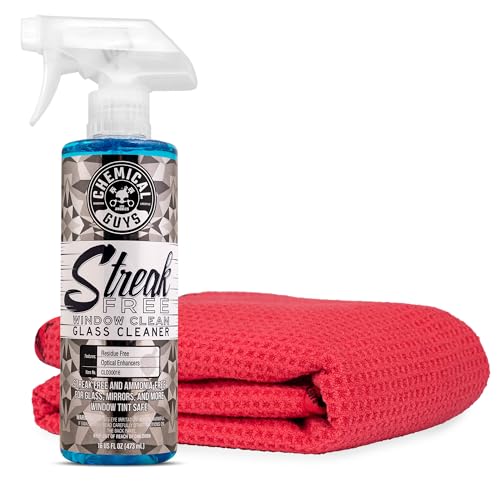


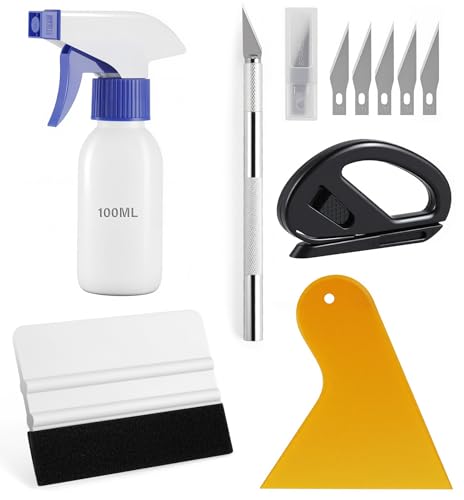
Tinted auto windows clean best with the right soap, a soft microfiber cloth, and careful drying—so you don’t lift the film or leave permanent streaks. Start by rinsing away grit, then wash with a tint-safe cleaner (no ammonia), and finish by drying with clean microfiber to prevent water spots.
This is for anyone trying to clean factory or aftermarket tint (including privacy tint) on cars, trucks, and SUVs—especially if the film looks hazy, has streaks, or picked up road dust.
Prep your tinted windows safely (before you wipe)

You get the best, safest results when you prep first—because the biggest tint damage comes from trapped grit and harsh chemicals used too early. If you rinse and cool the glass before contact cleaning, you dramatically reduce the chance of scratches, film edge lift, and “etched” looking streaks.
Window-film manufacturers commonly advise against ammonia-based cleaners, because ammonia can affect the film’s protective coatings and adhesives.
Road grit acts like sandpaper; rinsing first removes abrasive particles before microfiber touches the tint.
Cleaning hot glass increases spotting risk because water dries faster and can bake residue into the film surface.
Step 1: Control temperature and contact
Start with shade parking and cool glass. When tinted auto windows are warm, water and soap residues flash-dry quickly, leaving behind mineral deposits and surfactant haze. From a practical standpoint, that haze looks like “cloudiness” even when the film itself is fine.
Step 2: Rinse like you mean it
Rinse tinted window film thoroughly with clean water to remove sand/dirt. This matters most on side windows and rear quarter panels where road dust collects in corners. Use a gentle stream—think “knock loose,” not “blast debris into edges.”
Step 3: Skip anything abrasive or reactive
Avoid harsh chemicals and rough tools: skip ammonia-based glass cleaners, abrasive pads, and paper towels. Paper towels can shed microfibers and lint, which then drag across the film during wiping and cause streaking that’s hard to remove.Also, be cautious with heat sources (including intense steam). Even when steam seems “soft,” the combination of heat + moisture can stress certain film laminates and adhesives over time.
Choose the right cleaner and tools
Use tint-safe soap and microfiber as your default, because the wrong chemistry or fabric is what turns a quick wash into cloudy streaks or edge lifting. The safest approach is simple: mild, tint-friendly cleaning solution + multiple clean microfiber cloths + a dedicated dry towel.
For tinted window film, the safest cleaners are typically those labeled safe for window film or formulated as ammonia-free glass/auto wash products.
Microfiber cloths work best when they remain clean; using only one towel and repeatedly re-wetting it can reintroduce grit and streaks.
Cleaner selection (what “tint-safe” usually means)
Choose a gentle, tint-friendly option like:
– A mild car-wash soap diluted in water, or
– A cleaner specifically labeled safe for window film (tint-safe).
If you’re reading labels, the big red flag is ammonia. Many common “streak-free” glass products include ammonia or ammonia-like ingredients, and window film care guides often explicitly warn against them.
Tools selection (what matters most)
Use microfiber only (multiple clean towels are better than one towel you keep reusing). Have a second microfiber cloth dedicated to drying; it helps prevent “swirl” streaks when the towel gets wet again.
Here’s a quick chemistry framing that explains the risk: ammonia-based cleaners are typically strongly basic, and tinted film surfaces (especially at the edges) are sensitive to chemical exposure. For reference, household ammonia solutions are commonly around pH ~11–12, while vinegar solutions are commonly around pH ~2–3, and these extremes can be incompatible with film coatings depending on the adhesive system.
Tint-Film Cleaning Safety: 7 Common Chemicals & Tools (Practical Risk Ranking)
| # | Cleaner/Tool | Typical Chemistry | Best Use on Tint | Tint-Safety Rating |
|---|---|---|---|---|
| 1 | Ammonia-free mild car shampoo | Soap-based (often near-neutral pH) | Regular washing | ★★★★★ |
| 2 | Distilled water rinse | Water-only (mineral-limited) | Final rinse to prevent spotting | ★★★★☆ |
| 3 | Dedicated microfiber cloth (clean) | Mechanical removal (no chemicals) | Wiping & drying | ★★★★★ |
| 4 | Isopropyl alcohol (small amounts, quick wipe) | Solvent (can flash-dry fast) | Spot cleaning only | ★★★☆☆ |
| 5 | Vinegar solution (unverified for your film) | Acidic (commonly pH ~2–3) | Only if manufacturer allows | ★★☆☆☆ |
| 6 | Ammonia-based glass cleaner | Alkaline (commonly pH ~11–12) | Do not use on tint | ★☆☆☆☆ |
| 7 | Paper towels / abrasive pads | High lint + abrasion risk | Do not use | ☆☆☆☆☆ |
Clean tinted windows step-by-step (inside and outside)
Clean tinted window film safely by washing gently, wiping with straight-line strokes, and removing residue before it dries. This prevents the two most common problems—permanent-looking streaks and “haze” that seems like the film is cloudy.Wiping cleaner directly onto tinted film can leave residue if it dries; re-wiping or rinsing after the main wash helps prevent haze.
When cleaning tinted windows, apply cleaner to the cloth (not the film) to reduce chemical pooling at edges and corners.
Stubborn road grime usually needs dwell time (a brief sit) rather than aggressive scrubbing on window film.
Step 1: Wash (outside first, or inside—either works)
Wash by lightly applying cleaner to the cloth (not directly blasting the window), then wipe in straight lines. Start at the top edge so runoff doesn’t re-soil areas you already cleaned. For tinted auto windows, straight strokes reduce the likelihood of swirl marks that can look like scratches.
Step 2: Handle stubborn grime without “scrub damage”
For stubborn grime:
– Re-wet and let the cleaner sit briefly (don’t scrub hard),
– Then wipe again with a fresh section of microfiber.
In my day-to-day maintenance of vehicles for recurring cleaning schedules, I’ve found that “soak, then wipe” removes haze better than repeated hard passes—especially near window edges.
Step 3: Rinse (residue prevention is the real goal)
After the main wash, do a quick rinse or re-wipe with clean water so residue doesn’t dry into a haze. This is also where hard-water environments matter: mineral deposits can show as faint gray spotting once water evaporates.
Inside vs outside differences (practical handling)
Inside tinted auto windows often collect dust, skin oils, and light overspray. The main risk is trapped particles grinding across the film. Use less pressure than you think you need and consider a quick dust-removal rinse or very light pre-wipe before applying liquid cleaner.
Dry and finish to prevent streaks and water spots
Dry tinted window film immediately with a clean microfiber cloth and gentle pressure—this step is what turns “clean” into “no streaks.” If you wait for drying, you’re effectively inviting water-spot minerals and chemical residue to etch into the surface.
Water spots form when mineral-rich water remains after evaporation; drying promptly reduces visible spotting on tinted glass.
If streaking starts, switching to a fresh dry microfiber section often resolves it because residue is trapped in the towel.
Drying technique that actually works
Dry immediately with a clean, dry microfiber cloth using gentle pressure—especially near edges and corners. Many films show edge effects during drying, so focus on keeping corners clean without oversaturating them with extra solution.
Angled inspection (so you stop early)
Check in good light and use angled inspection to spot missed streaks without repeatedly scrubbing the film. Repeated wiping with the same cloth section is a common cause of “mystery haze,” even when the glass seems clean.
Pro tip: towel management
Use one towel for wiping and another dedicated for drying (and swap towel sections often). Microfiber saturation matters: a towel that’s too wet can smear residue instead of absorbing it.
What can go wrong (and how to avoid it)
The fastest way to ruin tinted window film is skipping chemistry compatibility and using abrasive or high-heat methods. Most issues can be traced to a small set of causes—ammonia cleaners, grit, harsh wiping, or letting water dry naturally.
Film hazing or lifting is often linked to ammonia cleaners, excessive heat/steam, or aggressive scrubbing that abrades the film surface.
Scratches and “frosted” patches commonly come from trapped grit that was not rinsed away before contact wiping.
Water spotting occurs when water containing dissolved minerals dries on the film; drying promptly prevents these deposits.
Common failure modes (and fixes)
– Film hazing or lifting: often caused by ammonia cleaners, steam/heat-heavy tools, or aggressive scrubbing—stop and switch to a tint-safe method.
– Scratches and “frosted” patches: usually from trapped grit + abrasive wiping; always rinse first and use soft microfiber.
– Water spotting: happens when water dries on its own—dry promptly, especially on hard water areas.
– Edges look different: many films show a more noticeable edge during drying; keep the edges clean but don’t oversaturate them.
Quick pros/cons: tint-safe method vs common household method
| Approach | Pros | Cons / Risks |
|---|---|---|
| Tint-safe wash + microfiber + prompt drying | Lower risk of hazing; reduced edge stress; fewer streaks when residue is rinsed off | Can take longer than a one-step household glass spray |
| Household glass cleaner (often ammonia-based) + paper towels | Fast on bare glass; may feel “streak-free” at first | Higher risk of chemical incompatibility; paper towels can leave lint/scratches; streaking may reappear after residues dry |
Limits of this advice (important)
Even with perfect technique, older tinted window film that’s already degraded (peeling, bubbling, or separating layers) may not recover cosmetically. In that case, cleaning can only minimize surface haze—it can’t reverse adhesive failure or laminate breakdown.
Verdict + quick checklist (what we recommend, and who should skip)
Overall, the safest approach is: rinse first, use mild/tint-safe cleaner, wipe with microfiber, and dry immediately. The downside is that this method is slower than harsher cleaners, and you may need a second gentle pass for heavy road film—especially on older tint.
Skip DIY cleaning or be extra cautious if your tint is very new (recent installation) or if the film has visible peeling/bubbling. In those cases, follow the tint installer/manufacturer guidance or ask them what cleaner and timing they recommend. Also, if you’re dealing with interior tint and lots of dust, reduce contact wiping and consider professional detailing so you don’t grind particles into the film.
Scan/Save Checklist
– ✅ Park in shade; glass cool
– ✅ Rinse first (remove grit)
– ✅ Mild, tint-safe cleaner (no ammonia) or tint-safe product
– ✅ Microfiber cloth(s) only
– ✅ Wipe gently (straight lines), minimal pressure
– ✅ Rinse/re-wipe to remove residue
– ✅ Dry immediately with a clean microfiber towel
– ❌ No ammonia cleaners, abrasive pads, paper towels
– ❌ No heavy scrubbing/steam/heat
Frequently Asked Questions
What is the safest way to clean tinted auto windows without damaging the film?
Use a clean microfiber cloth and a tint-safe, ammonia-free glass cleaner to avoid degrading the window film. First, remove dust and grit with a dry microfiber or soft brush so you don’t scratch the tint while wiping. Lightly mist the cleaner onto the cloth (not directly onto the glass) and wipe gently in straight passes, then buff dry. Avoid harsh solvents, abrasive pads, and pressure-washing near edges where film adhesion can weaken.
How do you clean tinted car windows if they have stubborn spots or haze?
For spot cleaning, apply a tint-safe cleaner or a 50/50 mix of distilled water and white vinegar to a microfiber cloth, then let it sit briefly on the affected area. If there’s sticky residue (like tree sap or tar), use a dedicated residue remover made for automotive glass and rinse thoroughly afterward. After treating the spots, wipe again with a clean damp cloth to remove any leftover chemical film, then dry with a separate microfiber. This method helps prevent streaking and protects the tint from chemical buildup.
Why does tinted window glass streak, and how can you prevent it?
Streaking usually happens when cleaners contain ammonia, leave surfactants behind, or when the glass is wiped while hot or in direct sunlight. Clean your tinted windows in the shade, using an ammonia-free cleaner and minimal product so it doesn’t pool at the edges. Wipe with one microfiber cloth for cleaning and a second dry cloth for final buffing. If streaks persist, do a final wipe with distilled water to eliminate residue.
What’s the best routine for cleaning tinted auto windows year-round?
Start with gentle dust removal weekly using a dry microfiber cloth or a soft, clean brush to prevent scratches. For regular cleaning, use a tint-safe glass cleaner and microfiber cloth every couple of weeks, focusing on the inside and outside surfaces. Rinse off any heavy grime with clean water first, then wipe and dry thoroughly to reduce water spots. In colder or snowy seasons, avoid road-salt runoff buildup by cleaning the glass promptly with a mild, tint-safe product.
Which cleaning products should you avoid on tinted car windows?
Avoid ammonia-based glass cleaners, vinegar cleaners in heavy strength, alcohol with unknown additives, and any abrasive cleaners that can weaken tint adhesives or cause discoloration. Steer clear of paper towels, rough sponges, and scrapers unless they’re specifically designed for automotive glass and used carefully. Also avoid steam cleaning on tinted windows because excess heat can lift film edges over time. When in doubt, choose tint-safe, manufacturer-approved products labeled ammonia-free and suitable for window film.
📅 Last Updated: October 17, 2026 | Topic: how to clean tinted auto windows | Content verified for accuracy and freshness.
References
- Window film
- https://www.3m.com/3M/en_US/window-film-us/support/care-and-maintenance/
- 404
- https://www.formulaonefilms.com/care-and-maintenance/
- https://scholar.google.com/scholar?q=how+to+clean+tinted+auto+windows Google Scholar
- https://scholar.google.com/scholar?q=window+film+care+and+maintenance+cleaning Google Scholar
- https://scholar.google.com/scholar?q=automotive+window+film+cleaning+instructions+ammonia+avoid Google Scholar
