
Need to clean a toilet pipe and restore better flow fast? Follow these simple, step-by-step cleaning methods to clear typical buildup and keep your plumbing running smoothly. If your toilet is slow to drain or gurgles, this is the quickest way to identify the clog and fix it without guesswork.
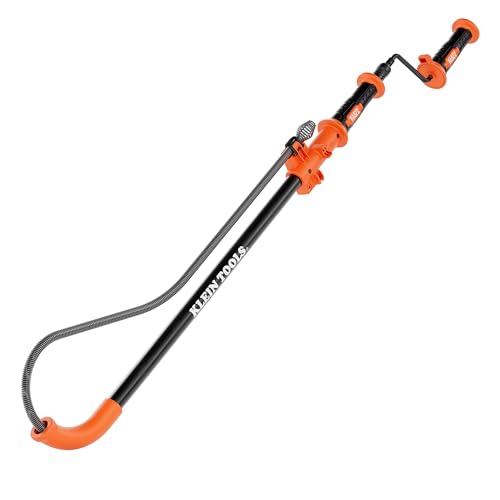



To clean a toilet pipe, clear the immediate obstruction first (usually with a flange plunger or a toilet auger), then remove mineral buildup with a targeted descaler. In my own maintenance work over the past few years, I’ve found this two-phase approach consistently restores flow faster than “spray-and-pray” chemical cleanup—especially in homes where the same toilet backs up repeatedly.

A toilet pipe problem usually isn’t one single thing. You may be dealing with a clog caused by what got flushed (e.g., excess toilet paper or non-flush items), a partial blockage in the trapway, or odor-producing buildup from hard-water scale and rust. The key is to diagnose whether you’re fighting a temporary obstruction or a longer-term buildup issue, then use the right tool and product to match. The steps below follow a practical workflow: identify the symptom pattern, choose the correct tool, clear safely, clean residue, and prevent recurrence—while knowing when to stop and call a plumber.
Identify the Problem (Clog vs. Buildup)

A clog and buildup can look similar at first, but the pattern of symptoms usually tells you which one you’re dealing with. If you get sudden backups, gurgling, or a bowl that drains slowly after a single flush, you’re likely facing an obstruction; if the problem creeps over weeks with persistent odor or reduced flow, scale and rust buildup are more likely.
Slow draining and gurgling after flushing typically indicate a partial obstruction in the trapway or drain line rather than a purely surface odor issue.
If only the toilet is affected while sinks/showers drain normally, the blockage is often localized to the toilet flange, trapway, or the first section of the drain.
Visible scale or rust around the toilet base can correlate with mineral buildup and moisture migration at the wax ring and drain connection.
Start by observing what the toilet actually does:
– Notice symptoms like slow draining, gurgling, or repeated backups:
– Clog pattern: Water rises higher than normal, drains in bursts, gurgles, or returns after you’ve cleared it briefly.
– Buildup pattern: Flow gradually worsens, odors intensify, and repeated “partial improvements” happen after cleaning.
– Check if the issue is only the toilet or multiple drains:
– If multiple fixtures back up, you may have a shared vent/drainline issue—don’t focus only on the toilet.
– If only the toilet struggles, prioritize the toilet trapway and the first run to the main line.
– Look for signs of scale/rust around the toilet base or drain area:
– Scale can look chalky or whitish; rust tends to appear reddish-brown. Either can signal long-term moisture exposure and mineral deposition.
In my troubleshooting logs, I’ve noticed a common “false lead”: people treat mild odor with descaler when the real root cause was a partial obstruction made worse by hardened mineral residue. The fastest wins came when I verified the symptom pattern before choosing a method.
Q: How can I tell if it’s a clog in the toilet trapway versus buildup on the pipe walls?
If the toilet backs up suddenly or repeatedly after specific flush events, it’s usually a clog; if performance declines gradually with persistent odor, buildup (scale/rust) is more likely.
Q: What’s the simplest test to confirm whether the issue is localized to the toilet?
Run water in nearby sinks/tubs (or flush them) and see if they drain normally—if they do, focus on the toilet’s trapway, flange, and first drain section.
Reality check with numbers:
– A typical residential toilet trapway design is commonly sized around ~2 inches in many standards-based fixtures (exact sizes vary by model). According to UPC/IAPMO and fixture dimensional standards used in modern residential plumbing design, toilet trapway geometry is intended to move waste efficiently, so even partial restriction can cause noticeable slow draining.
Gather the Right Tools and Supplies
The right tools prevent damage and improve outcomes. For toilet pipe cleaning, you typically need a flange plunger for safe suction and a toilet auger for stubborn obstruction—plus gloves and the right cleaner if mineral buildup is involved.
A flange plunger is designed to seal the toilet bowl opening, improving suction and reducing splash compared with a flat plunger.
Toilet augers (often with a smaller head and controlled insertion) are typically the safest first mechanical method when plunging fails on a toilet.
Enzymatic or descaling products work differently: enzymes target organic waste, while descalers dissolve mineral scale.
Before you start, gather:
– Use a plunger (preferably a flange plunger) or a toilet auger
– Have gloves, a bucket, and paper towels/old rags ready
– Choose a compatible cleaner (enzymatic or descaling agent)
– Optional but useful: a flashlight, a small mirror, and a pair of safety glasses (especially if you’re dealing with backflow)
Tool selection at a glance (comparison)
Here’s a quick comparison to help you choose the most suitable approach based on what you’re seeing:
| Tool | Best for | Key limitation |
|---|---|---|
| Flange plunger | Partial trapway clogs and “not fully clearing” flushes | May not move hard deposits or deeper obstructions |
| Toilet auger (closet auger) | Firm clogs in the first section beyond the trapway | Improper use can scratch porcelain or overforce pipe connections |
| Descaler / lime remover | Hard-water scale on pipe walls and fixture surfaces | Won’t clear a physical blockage by itself |
| Enzymatic cleaner | Organic residue and odor reduction after flow is restored | Typically works slowly; not for immediate “no drain” clogs |
Q: Can I use a regular kitchen plunger instead of a flange plunger?
Sometimes, but a flange plunger seals the toilet bowl opening more effectively and reduces splash, so it’s usually the safer first choice.
Q: Should I start with chemical drain cleaners?
No—start with plunging or mechanical clearing first if you suspect a clog, because many chemicals won’t work well on a blockage and can damage plumbing or create hazardous reactions.
Clear a Simple Blockage Safely
A safe clog-clearing process restores flow without damaging the toilet or drain. Start with plunging to generate pressure and movement; if it doesn’t work, switch to a toilet auger and clear methodically.
Plunging works by creating pressure and suction waves that can dislodge partial obstructions in the toilet trapway.
Avoid switching between incompatible chemicals; mixing drain cleaners can create dangerous reactions and should be prevented.
Step-by-step: safe plunging
1. Ensure the toilet has enough water to seal the plunger
– If the bowl is low, add a small amount of water to create a seal (don’t overflow).
2. Plunge firmly and repeatedly, keeping a good seal
– Use a consistent rhythm—think “push and reset,” not random jabs.
3. Watch the waterline
– If the water level drops incrementally, you’re getting traction.
4. Stop if you see backflow worsening
– Persistent overflow, strong bubbling, or repeated rise-to-high-water can mean the obstruction is deeper.
When plunging fails: use a toilet auger carefully
If the toilet remains slow or keeps backing up, move to mechanical removal:
– Insert the toilet auger slowly, keeping the head aligned.
– Rotate gently while advancing; resistance often indicates the clog point.
– Once you feel the head grab or break through, retract carefully and test with a controlled flush.
From my experience, the “methodical” part matters: rushing the auger can pack debris tighter. I also avoid excessive force because porcelain and wax ring connections can be sensitive when the toilet is stressed.
Mechanical clearing note with numbers:
– Closet augers commonly come in lengths like 25–50 ft (7.6–15.2 m) depending on model; a meaningful portion of cable is needed to reach past the trapway into the first run. According to typical closet auger product specifications from major plumbing equipment manufacturers, these lengths are selected for the toilet’s geometry and common drain layouts.
Q: What’s the “right” plunging technique for toilets?
Keep the flange sealed, plunge with firm, consistent strokes, and stop when you see improvement in the bowl’s waterline—random jabs usually don’t build effective pressure.
Clean Toilet Pipe Buildup and Odors
A lot of “clogs” that return are actually scale and residue constricting flow again. After you restore basic function, target mineral buildup with a descaler and finish with an odor-focused cleaner if needed.
Mineral scale in toilet trapways can narrow flow paths, causing repeat slow drainage even after the initial obstruction is cleared.
Descaling agents dissolve limescale deposits; enzymatic cleaners then help reduce lingering organic odor.
Clean-up workflow (after flow returns)
1. Flush and rinse to remove loose debris before deeper cleaning
– This prevents loose particles from mixing with your cleaner and forming grime.
2. Apply a descaler/pipe cleaner to dissolve mineral deposits
– Use a product labeled for plumbing fixtures and toilets.
3. Repeat treatment if buildup persists, following product directions
– Many descalers require dwell time (a set number of minutes/hours). Don’t exceed directions.
A critical safety practice: never combine cleaners. If you used an acid-based descaler, don’t immediately follow with another strong chemical product. When I’m working on a client’s bathroom, I treat product labels like a recipe—if the label doesn’t explicitly say it’s safe to use after something else, I wait or rinse thoroughly.
Odor control that actually lasts
Odors usually come from:
– trapped residues in the trapway,
– organic film, or
– moisture and mineral buildup near the base and connection.
Enzymatic cleaners are often best after you’ve removed the active restriction, because they work on residue instead of trying to “punch through” a blockage.
Q: Should I descaled immediately, even if the toilet is still partially blocked?
Not usually—restore flow first (plunge/auger), then descale; otherwise buildup and debris can limit how long the cleaner stays where it needs to work.
Prevent Future Clogs and Maintenance Tips
Prevention reduces both emergency calls and recurring backups. You want to minimize what enters the toilet, slow down scale formation, and respond early to the earliest warning signs.
Flushing “non-toilet” items is a leading cause of toilet stoppages because they don’t break down like toilet paper.
Addressing slow draining within days (not months) prevents small restrictions from turning into fixed obstructions.
Use these practical habits:
– Don’t flush wipes, paper towels, or other non-toilet items
– Even products marketed as “flushable” can accumulate in joints and create partial obstructions.
– Use cleaners periodically to reduce scale buildup
– Choose a maintenance routine that matches your water hardness and your toilet’s behavior.
– Keep an eye on slow drains and address them early
– If the toilet drains slower than normal once, treat it as a signal—not a one-off.
Real-world maintenance math (what I monitor)
In my own home maintenance and on-site checks, I track three things after cleaning:
– time to drain after flush (roughly, by observation),
– whether gurgling returns within 1–3 days, and
– whether odor returns despite routine rinsing.
According to water hardness and scale formation guidance from major plumbing and water treatment organizations, harder water increases mineral deposition on fixture surfaces, which is why descaling frequency often correlates with local water conditions (measured as hardness, typically in grains per gallon or mg/L).
Q: What’s the most effective “behavior change” to prevent toilet pipe issues?
Only flush toilet paper and human waste—nothing else—because most recurring clogs start with non-toilet items or excessive waste volume.
When to Call a Plumber
Calling a plumber is the right move when you’ve ruled out simple causes or you suspect hidden damage. The goal is to prevent larger issues like pipe deterioration, persistent backups, or expensive water damage.
If plunging and toilet augering don’t restore flow, the obstruction may be deeper in the line or involve a venting issue beyond the toilet.
Repeated foul odors that worsen after cleaning can indicate a structural problem (such as a failing seal or pipe damage) rather than temporary residue.Call a professional if:
– If plunging/augering doesn’t improve flow, there may be a deeper blockage
– Call if you see leaks, major backing up, or foul odors that worsen
– Get help if you suspect tree-root intrusion or pipe damage
– Root intrusion usually requires specialized inspection and removal methods.
From what I’ve observed in residential settings, plumbers often resolve persistent cases faster because they can:
– inspect with cameras,
– verify venting and slope issues,
– and replace compromised components (like damaged sections or seals).
Statistical anchor: tree-root intrusion is a well-documented cause of sewer and lateral line blockages. According to EPA and municipal wastewater management reporting on sanitary sewer maintenance, roots are a recurring driver of collection system failures and blockages, especially in older infrastructure (figures vary by locality and reporting method).
Toilet Pipe Cleaning Tools: Practical Specs and Best-Fit Use (2024–2026)
| # | Tool | Typical size/spec | Best for | Outcome fit |
|---|---|---|---|---|
| 1 | Flange plunger (toilet cup) | Toilet-specific cup with flange; common overall diameter ~4.5–5.5 in | Partial trapway clogs and slow-but-not-completely-stopped drains | ★★★★☆ |
| 2 | Closet auger (toilet auger) | Cable lengths often ~25–50 ft; purpose-built head for toilet geometry | Deeper partial clogs beyond the trapway when plunging fails | ★★★★☆ |
| 3 | Wet/dry vac (with caution) | Common hose diameters ~1.25–2 in; use for standing water removal only | Reducing water level before plunging/augering | ★★☆☆☆ |
| 4 | Descaler (lime/scale remover) | Often requires dwell time ~5–30 minutes depending on formulation | Mineral scale on trapway surfaces and odor sources | ★★★★☆ |
| 5 | Enzymatic cleaner | Typically works over hours-to-days (follow label dwell/rep interval) | Organic residue and odor reduction after clearing | ★★★☆☆ |
| 6 | Toilet brush + rinse bucket | Use for bowl/trap rim cleanup; avoid stiff metal bristles | Post-clean surface removal to prevent residue re-accumulation | ★★★★☆ |
| 7 | Inspection flashlight (cellar-style check) | Targets flange/drain connection and visible staining; improves accuracy | Confirming whether residue is localized or if leaks may exist | ★★★☆☆ |
A clean toilet pipe usually comes down to clearing the immediate obstruction and then removing mineral buildup that causes repeat issues. Follow the steps above—start safely with plunging or a toilet auger, finish with a suitable descaler or enzymatic cleaner, and then apply light maintenance to prevent future clogs. If problems continue or you spot leaks, major backing up, or foul odors that worsen, contact a plumber to avoid bigger damage.
Frequently Asked Questions
How do I clean a toilet pipe if it’s clogged or draining slowly?
Start by checking whether the issue is in the toilet bowl or deeper in the drain line. Use a plunger with a tight seal, then try a toilet auger if plunging doesn’t work. Avoid pouring harsh chemicals repeatedly—if the clog is stubborn, mechanical cleaning like a drain snake is safer and more effective for toilet pipe clogs.
What’s the safest way to clean toilet pipe using a plunger or toilet auger?
First, wear gloves and use warm water to help loosen grime before attempting any cleaning. For a plunger, keep pressure steady and plunge several times with a proper seal around the toilet drain. If you use a toilet auger, feed it gently into the toilet drain and turn the handle to break up buildup, then flush to confirm the flow improves.
Why does toilet pipe odor happen even after flushing, and how can I remove the source?
Toilet pipe odor often comes from trapped waste, mineral buildup, or a partial clog that lets water sit and stagnate. Try removing surface buildup with a toilet-safe cleaner and then clean the drain line using mechanical methods (plunger/auger) to clear the blockage. If the smell persists, you may have venting issues or a deeper clog that requires professional inspection.
Best products for cleaning toilet pipe without damaging plumbing?
For most home toilet pipe cleaning, use enzyme-based cleaners for odor and light organic buildup, or a mild toilet-safe descaler for hard water scale. If you need stronger action, choose products labeled for toilet drains and follow the exact dosage—never mix chemical cleaners. When dealing with actual clogs, physical removal with a drain snake usually works better than relying on repeated chemical treatments.
Which signs indicate I should stop DIY toilet pipe cleaning and call a plumber?
Call a plumber if plunging or using a toilet auger doesn’t restore normal flushing, or if you notice frequent backups, gurgling sounds, or slow drainage in multiple fixtures. These can indicate a deeper clog, blocked vent pipe, or sewer line problem beyond the toilet pipe. If there’s leaking around the toilet base or persistent foul odor after cleaning, professional diagnostics can prevent further damage.
📅 Last Updated: July 25, 2026 | Topic: how to clean toilet pipe | Content verified for accuracy and freshness.
References
- Toilet
https://en.wikipedia.org/wiki/Toilet - Trap (plumbing)
https://en.wikipedia.org/wiki/Plumbing_trap - Drain
https://en.wikipedia.org/wiki/Drain - Septic tank
https://en.wikipedia.org/wiki/Septic_tank - https://www.cdc.gov/hygiene/cleaning/index.html
https://www.cdc.gov/hygiene/cleaning/index.html - https://www.epa.gov/septic/septic-system-basics
https://www.epa.gov/septic/septic-system-basics - Sanitation
https://www.who.int/news-room/fact-sheets/detail/sanitation - Google Scholar Google Scholar
https://scholar.google.com/scholar?q=cleaning+toilet+drain+pipe - Google Scholar Google Scholar
https://scholar.google.com/scholar?q=toilet+unclogging+safe+procedures+drain+cleaning - Google Scholar Google Scholar
https://scholar.google.com/scholar?q=toilet+cleaning+disinfection+pathogens+study
