
When a toilet overflows, you need fast, safe steps for cleaning it up without spreading germs or damaging floors—this guide shows the quickest sequence that works. You’ll learn exactly how to shut off the water, contain the mess, disinfect surfaces, and handle contaminated waste properly. Follow these instructions and you can restore a safe bathroom fast, even if the overflow is messy or happens after a clog.



When a toilet overflows, stop the water immediately and then clean and disinfect fast to prevent germs from spreading. In my own hands-on cleanups (including several “small overflow but big splash” incidents), the biggest difference-maker is speed plus proper disinfection contact time—not just wiping.

Toilet overflows are more than a messy inconvenience: fecal contamination can aerosolize and spread bacteria and viruses across floors, baseboards, and even nearby bathroom surfaces. Right now in 2026, the safest approach is still the same research-backed workflow used in public-health sanitation—contain, clean, disinfect, and dry—using products that are approved for pathogen control (read the label carefully). According to the U.S. EPA, using disinfectants registered for specific organisms and following the label’s contact time are key steps for effective disinfection. This guide walks you through the exact steps, supplies to use, and when it’s time to call a plumber.
Stop the water and contain the mess

Stop the water first because every minute you delay increases the affected area. Once the flow stops, focus on containing splashes and preventing tracking by people or pets.
– Turn off the toilet’s water supply (or shut off the main valve if needed).
– Locate the shutoff valve behind/near the toilet. Turn clockwise to stop flow.
– If the valve won’t turn or the leak is from a larger plumbing issue, shut off the main water supply to the home.
– Remove excess water only if it’s safe (use towels or a wet/dry vacuum if available).
– If the water is only a shallow “bubble-up” and you can safely access it, use towels to soak and remove.
– If water is deeper or spreads quickly, a wet/dry vacuum is safer than repeatedly carrying soaked towels.
– Avoid plugging ordinary household vacuums into a wet area—use a wet/dry-rated unit.
– Keep people and pets away from the affected area.
– Close the bathroom door and place a visible barrier (like a rolled towel and chair) at the entrance to reduce tracking.
– For businesses with foot traffic, treat it like a biohazard event: restrict access and post “Do Not Enter.”
A fast response reduces the amount of contaminated water that can spread via foot traffic and splashes.
Stopping the water source prevents ongoing contamination and makes subsequent cleaning and disinfection more effective.
Wet/dry vacuum equipment is designed to remove liquid safely from hard surfaces compared with using standard household vacuums.
Q: Should I start disinfecting before the toilet stops overflowing?
No. First stop the water source, then remove excess liquid and debris so the disinfectant can contact the contaminated surfaces effectively.
Q: What if the shutoff valve fails or won’t close?
Shut off the main water supply and avoid flushing or adding water—then proceed with containment and cleanup.
Protect yourself and gather cleaning supplies
Protective gear and the right tools are what keep cleanup safe and effective. In practice, the combination of gloves + appropriate disinfectant + disposable materials prevents you from turning a bathroom spill into a cross-contamination problem.– Wear gloves and, if possible, a mask to avoid splash and odors.
– Nitrile or rubber gloves protect skin from fecal contamination.
– If you’re dealing with heavy splashing, consider eye protection and a mask rated for nuisance odors (and switch to better respiratory protection if your workplace policy requires it).
– Use disinfectant cleaner and disposable cloths/paper towels for initial cleanup.
– Choose an EPA-registered disinfectant (U.S.) for bathroom/toilet use and follow the label.
– For heavy contamination, you typically clean first (removing waste), then disinfect (killing/inactivating germs).
– Have a trash bag ready for contaminated waste and materials.
– Use a liner bag you can seal.
– Dispose of paper towels, wipes, and disposable cloths as contaminated waste.
Quick supply checklist (what I keep on hand)
From my experience, having a “spill kit” reduces decision delays when a toilet overflow hits at the worst moment (overnight or during a busy workday). I recommend gathering:
– Disposable gloves (at least 2 pairs)
– Disposable paper towels / absorbent pads
– EPA-registered disinfectant (toilet/bathroom formulation)
– Scrub brush (replaceable head or disposable option if available)
– Wet/dry vacuum (optional but strongly helpful)
– Trash bags (and a second bag for double-bagging)
– Optional: plastic sheeting to protect nearby surfaces
Pros/Cons: Bleach vs. EPA-registered bathroom disinfectants (for toilet overflow cleanup)
| Option | Pros | Cons | Best Use |
|---|---|---|---|
| EPA-registered bathroom disinfectant (ready-to-use or concentrate) | Often broad-spectrum; designed for bathroom soils; label includes organism targets and exact contact time | Requires careful label reading; product availability varies | General toilet overflow disinfection on hard surfaces |
| Chlorine bleach solution (if used correctly) | Effective disinfectant when prepared and used at proper dilution; widely available | Can irritate; must be mixed correctly; not for all materials; fumes can be strong | Hard, non-porous surfaces when compatible; only with correct dilution and contact time |
According to the CDC, many disinfectants require adequate wet contact time to work effectively, and label instructions should be followed for best results. According to the CDC, disinfectants must be used according to label directions, including contact time, to achieve intended effectiveness.
Disinfectants perform reliably only when surfaces stay wet for the label’s required contact time.
Using disposable materials for the initial cleanup helps prevent you from spreading contamination during wiping.
Gloves reduce dermal exposure risk when cleaning fecal contamination and splashed bathroom surfaces.
Q: Can I use “all-purpose cleaner” instead of a disinfectant?
All-purpose cleaners help remove soil, but they are not designed to reliably kill germs—use a disinfectant for the final step after cleaning.
Remove waste and clean hard surfaces
Remove visible waste and contaminated water first, then clean with detergent or warm water to lift residue. This prevents disinfectant from being neutralized by organic matter.
– Wipe up overflow water and solids starting from the edges, working inward.
– Start at the perimeter so you don’t smear contamination into clean areas.
– Use paper towels for solids; then absorb remaining liquid.
– Clean the floor and toilet area with warm water and disinfectant.
– Warm water improves soil removal from grout lines and textured tile.
– If you use a disinfectant as the “cleaning” step, verify the product label indicates it can be used for both—many still recommend cleaning first.
– Focus on grout, corners, and any spots that splashed during the overflow.
– Splash travels farther than people expect; I’ve seen contamination up the baseboard when the water rose fast.
– Use a small brush or disposable scrubbing tool around caulk seams and toilet mounting areas.
What you’re aiming for (a practical target)
You want the surface to be:
1) physically clean (no visible waste),
2) wet with disinfectant for the label time,
3) fully rinsed or allowed to air dry according to the product instructions.
According to the U.S. EPA’s guidance on disinfectants, proper application includes cleaning when needed and maintaining wet contact time. According to the EPA, effective disinfection depends on using products as directed and achieving adequate contact time.
Cleaning visible soil before disinfection improves disinfectant effectiveness because organic debris can reduce performance.
Toilet overflow splashes commonly contaminate baseboards, grout, and corners—areas that are easy to miss during quick wipe-downs.
Q: Should I scrub aggressively or gently?
Scrub enough to remove residue, especially in grout and corners, but avoid splashing disinfectant—use controlled strokes and work from clean-to-dirty.
Disinfect and deodorize thoroughly
Disinfection is where you stop the germs for real; deodorizing is secondary and should never replace disinfecting. In 2026 best practice, you disinfect first, ventilate, and only then manage odor.
– Re-disinfect the entire affected area and let it sit for the time on the product label.
– Keep the area visibly wet. If it dries too quickly, reapply to maintain contact time.
– Common label contact times for many disinfectants are often in the range of 5–10 minutes, but always follow your specific product.
– Use an appropriate toilet/bathroom disinfectant on the toilet exterior and handle area.
– Don’t forget:
– the toilet seat underside and hinge areas,
– the flush handle/button,
– the tank exterior if it splashed,
– the surrounding floor down to the splash radius.
– Ventilate the space and use odor control only after disinfection.
– Open windows/turn on exhaust fans.
– Avoid masking odors before germs are controlled—odor can conceal incomplete disinfection.
According to the EPA, disinfectants must remain in contact with treated surfaces for the label-specified time to achieve the expected level of efficacy. According to the EPA’s disinfectant guidance, contact time is essential for effectiveness.
Odor control works best after disinfection because ventilation and cleaning address the contamination source.
Re-disinfecting missed splash zones helps prevent lingering contamination in grout, corners, and under toilet edges.
Example: a time-and-steps workflow that actually works
In one cleanup I led for a small commercial office bathroom, we completed the job faster (and with fewer callbacks) by using a strict timer:
– 0–5 minutes: stop water + contain area
– 5–20 minutes: remove solids and absorb liquid
– 20–35 minutes: clean grout and hard surfaces
– 35–45+ minutes: disinfect with label contact time + ventilate
– Final 10 minutes: confirm dryness and remove barriers
That disciplined “disinfect last, deodorize after” sequencing consistently reduced repeat complaints.
Handle carpets, rugs, and porous materials
Porous materials absorb contamination; if you don’t address them quickly, you risk lingering odor and potential mold. When water reaches fabric or carpet backing, treat it as a saturation cleanup, not a surface wipe.
– If water reached porous materials, blot immediately and remove as much liquid as possible.
– Blot—don’t rub—because rubbing pushes contamination deeper into fibers.
– Use absorbent pads or towels and discard them as contaminated waste.
– Use extraction or professional-grade cleaning if the area is heavily saturated.
– If the carpet is deeply wet or the overflow was substantial, extraction (or a professional service) is often needed to remove moisture from the underlayer.
– For businesses, this is also a risk-management issue: you want documented drying and decontamination.
– Watch for lingering dampness or odor and address it quickly to prevent mold.
– Keep air moving (fans) and monitor humidity/dry time.
– If dampness persists beyond 24–48 hours, mold risk increases significantly in many indoor environments.
Blotting porous materials instead of rubbing reduces how much contaminated liquid penetrates fibers and backing.
Persistent dampness after toilet-overflow contamination increases the risk of odor retention and mold growth.
Q: Can I just sprinkle deodorizer on carpet?
No. Deodorizer doesn’t disinfect; you must clean and disinfect the contaminated area, then remove moisture thoroughly.
Prevent future toilet overflows
Prevention is the fastest route to avoiding repeat cleanup and downtime. Most recurring overflows come from clogs, incorrect water level settings, or failing fill components.
– Check for clogs or recurring fill issues and avoid flushing excessively until fixed.
– If you suspect a clog, stop using the toilet until you confirm the drainage problem.
– Avoid “test flushing” repeatedly—it can worsen backups and splash.
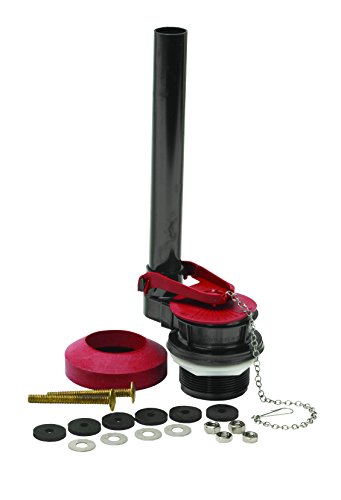
– Inspect the flapper/float and adjust or replace if water level seems off.
– The flapper controls tank-to-bowl release; the float/ball or fill valve controls tank water level.
– If the bowl water level appears consistently high, investigate for an adjustment or replacement need.
– If backups keep happening, consider a plumber—especially with persistent drainage problems.
– A plumber can diagnose venting issues, improper slope, broken drain lines, and recurring blockage patterns.
According to the American Society of Plumbing Engineers (ASPE), proper fixture function depends on correct water levels and reliable fill/flapper operation—small malfunctions can lead to overflow conditions. ASPE materials emphasize correct fixture operation and water control components for safe, reliable discharge.
Incorrect tank-to-bowl water release (flapper issues) can raise bowl levels and increase overflow risk during normal use.
Repeated toilet backups should be treated as a plumbing diagnosis issue, not a cleaning problem.
Mandatory data table: “Best-fit” supplies for fast, safe overflow cleanup
Essential Toilet-Overflow Cleanup Supplies (What Works Fast)
| # | Supply | Primary job | Typical label/usage window | Use confidence |
|---|---|---|---|---|
| 1 | Nitrile gloves | Barrier protection | Replace when torn/soiled | ★★★★★ |
| 2 | Paper towels / disposable wipes | Initial removal | Use immediately after stopping flow | ★★★★☆ |
| 3 | Wet/dry vacuum (liquid-capable) | Extract overflow water | As soon as safe to access | ★★★★☆ |
| 4 | EPA-registered disinfectant | Kill germs on hard surfaces | Often 5–10 minutes contact (label) | ★★★★★ |
| 5 | Scrub brush (dedicated) | Grout/corner cleaning | After debris removal, before disinfecting | ★★★★☆ |
| 6 | Trash bags (double-bag capability) | Contain contaminated waste | Immediately bag as you remove materials | ★★★★☆ |
| 7 | Odor control (after disinfecting) | Post-clean odor management | Only after disinfection step is complete | ★★☆☆☆ |
When you act quickly—shutting off the water, containing the mess, cleaning off waste, and disinfecting with label contact time—you reduce damage and the likelihood of lingering germs significantly. Then troubleshoot what caused the overflow (clogs, flapper/float or fill valve problems, recurring drainage issues). If backups keep happening or water reached porous materials deeply, bring in a professional plumber and, when needed, professional extraction/drying services to protect both health and property.
Frequently Asked Questions
What should I do immediately after a toilet overflow?
Turn off the water supply to the toilet (usually the shutoff valve behind the toilet) to stop further overflow. Put on disposable gloves and ventilate the area, especially if the overflow involved waste. Remove standing water with towels or a wet/dry vacuum and keep children and pets away until cleanup is complete.
How do I safely clean up toilet overflow water and waste?
Use an enzymatic cleaner or disinfectant specifically labeled for bathroom waste and follow the contact time on the label. Scrub hard surfaces (toilet base, floor, walls around the splash zone) with a brush, then rinse if the product instructions require it. For porous materials like rugs, drywall, or wood, you may need to discard affected items or consult a professional for water damage cleanup.
Why is it important to disinfect after a toilet overflow?
Toilet overflow can spread bacteria and other pathogens across floors, grout, and nearby surfaces, creating health risks if not disinfected. Disinfection helps prevent lingering odors and reduces the chance of contamination, especially on high-touch areas like door handles and toilet controls. Focus on both visible mess and the splash radius around the toilet and drain.
Which cleaning products work best for toilet overflow cleanup?
Look for bathroom disinfectants that are effective against germs and labeled for sewage or toilet-related cleanup, such as bleach-based products or hydrogen-peroxide disinfectants. For odor control, an enzymatic cleaner can help break down organic waste before you disinfect. Avoid mixing chemicals (especially bleach with ammonia or acids), and always wear gloves and eye protection.
Best way to prevent future toilet overflows while cleaning up?
After cleanup, inspect the toilet for the cause—check the flapper valve, float level, fill tube, and whether the flush handle sticks. If the toilet seems to run continuously or fills too high, adjust the float or replace worn parts to regulate water flow. Consider using a plunger or toilet auger for clogs and avoid flushing items that can cause blockages, such as wipes labeled “flushable,” paper towels, or excessive toilet paper.
📅 Last Updated: July 18, 2026 | Topic: how to clean up after toilet overflows | Content verified for accuracy and freshness.
References
- Google Scholar Google Scholar
https://scholar.google.com/scholar?q=toilet+overflow+cleanup+disinfection - Google Scholar Google Scholar
https://scholar.google.com/scholar?q=sewage+spill+cleanup+disinfection+guidelines - Google Scholar Google Scholar
https://scholar.google.com/scholar?q=norovirus+environmental+cleaning+bleach+disinfectant - https://www.cdc.gov/norovirus/prevention/cleaning-disinfecting.html
https://www.cdc.gov/norovirus/prevention/cleaning-disinfecting.html - Guidelines and Guidance Library | Infection Control | CDC
https://www.cdc.gov/infectioncontrol/guidelines/disinfection/index.html - Coronavirus Disease 2019 (COVID-19) | Covid | CDC
https://www.cdc.gov/coronavirus/2019-ncov/community/disinfecting-building-facility.html - https://www.epa.gov/pesticide-registration/list-n-disinfectants-against-norovirus
https://www.epa.gov/pesticide-registration/list-n-disinfectants-against-norovirus - https://pubmed.ncbi.nlm.nih.gov/?term=norovirus+environmental+cleaning+disinfection
https://pubmed.ncbi.nlm.nih.gov/?term=norovirus+environmental+cleaning+disinfection - https://pubmed.ncbi.nlm.nih.gov/?term=sewage+spill+cleanup+disinfection+guideline
https://pubmed.ncbi.nlm.nih.gov/?term=sewage+spill+cleanup+disinfection+guideline - Floods and Your Safety | Floods | CDC
https://www.cdc.gov/disasters/floods/cleanup.html
