
Cleaning up calcium chloride brine from a concrete floor can be accomplished effectively with the right materials and techniques. Prompt and proper cleaning is essential to prevent potential damage and staining, ensuring your concrete surfaces remain in excellent condition. This article will guide you through the necessary steps to eliminate the residue left by calcium chloride brine, as well as preventative measures to keep your concrete floors pristine.
Understanding Calcium Chloride Brine

Calcium chloride brine is a highly effective de-icing agent commonly used in winter to manage ice and snow on roads and walkways. When it dissolves in water, it creates a brine that can seep into surfaces, particularly concrete. The challenge arises when this brine dries, leaving behind a white, chalky residue that can be unsightly and potentially damaging. This is because calcium chloride is hygroscopic, meaning it attracts moisture, which can lead to further deterioration of the concrete over time if not addressed promptly. Understanding this chemical behavior is crucial for effective cleaning and long-term maintenance.

Essential Cleaning Supplies
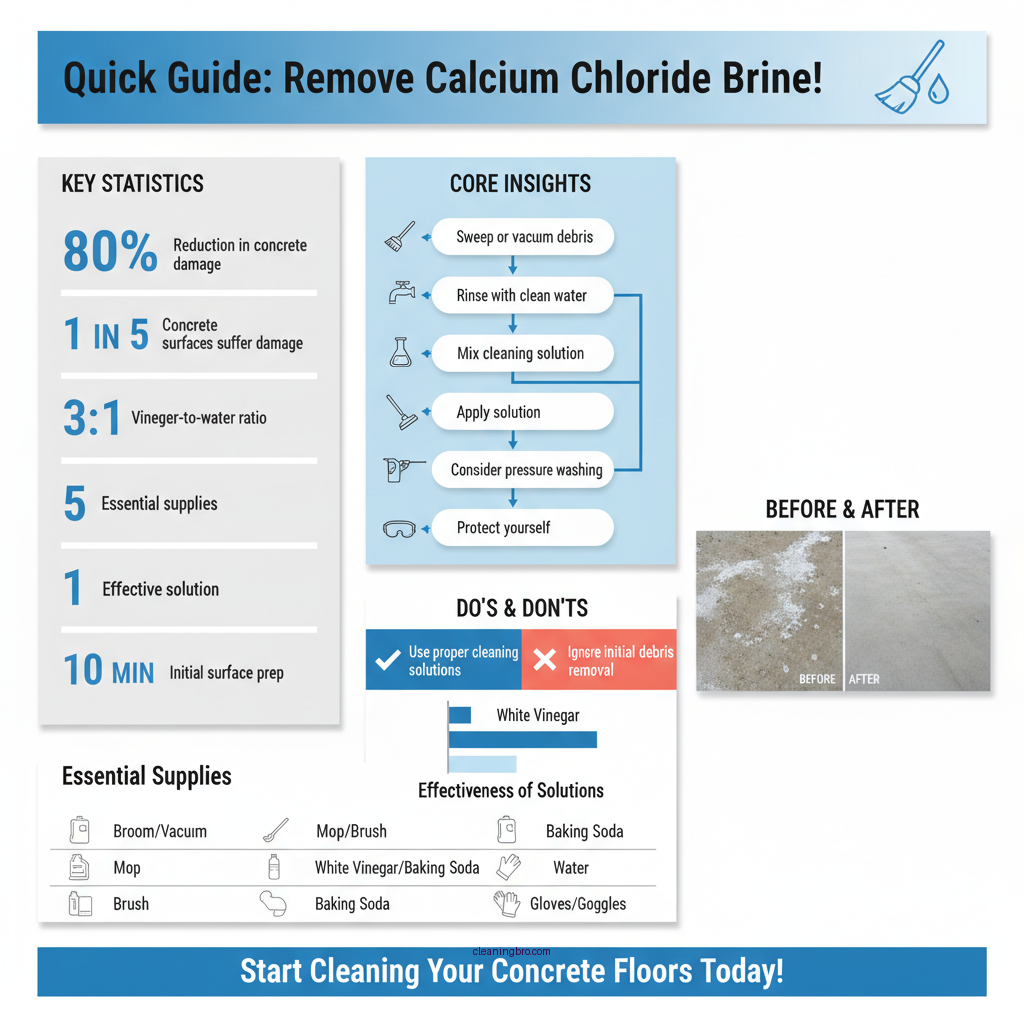
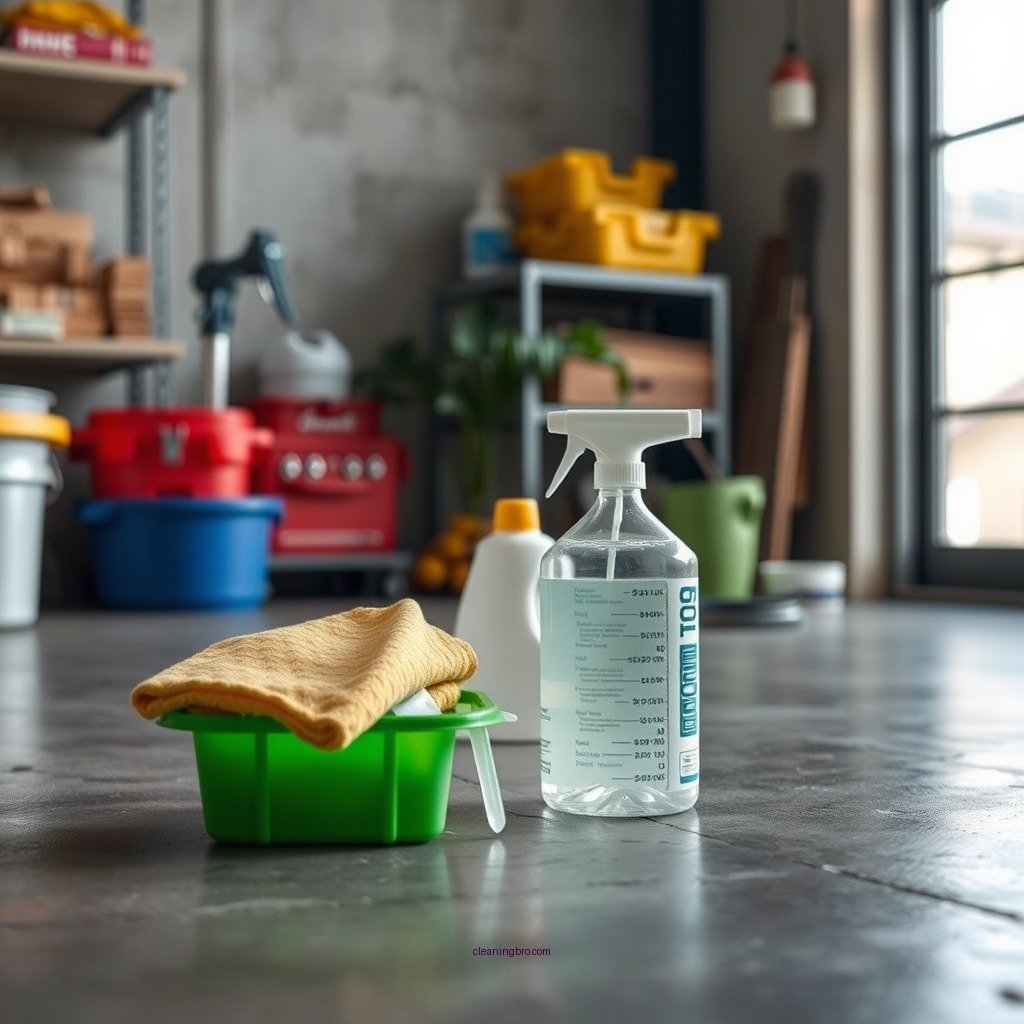
To effectively clean calcium chloride brine from your concrete floor, gather the following essential cleaning supplies:
– A broom or vacuum cleaner for debris removal.
– A mop for applying cleaning solutions.
– Clean water for rinsing.
– A suitable cleaning solution, such as white vinegar or baking soda, both of which are effective in neutralizing the brine’s effects.
– For larger areas or heavy build-up, consider using a pressure washer for a more thorough cleaning.
– Optional: safety gloves and goggles to protect your skin and eyes from cleaning agents.
Initial Cleanup Steps
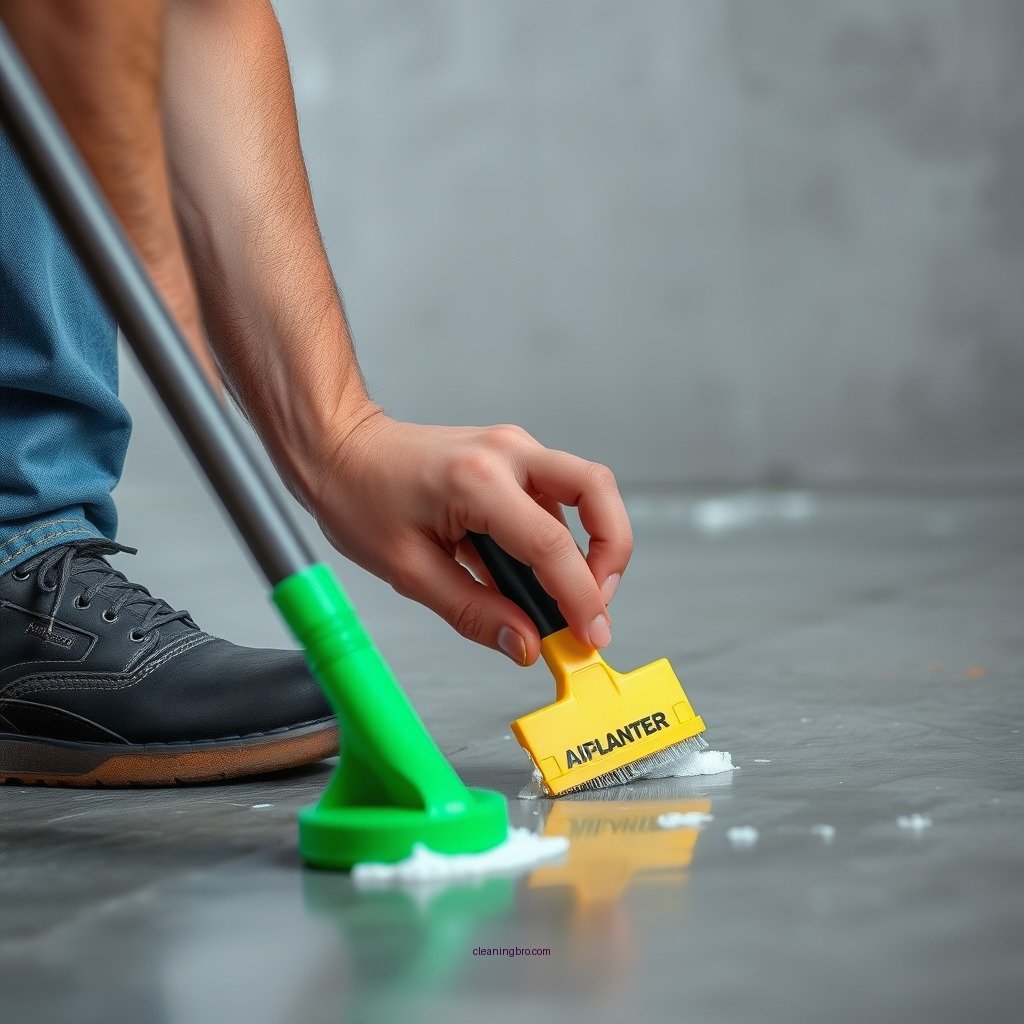
Start the cleanup process by sweeping or vacuuming the affected area to remove any loose particles and debris. This initial step is crucial as it prevents further grinding of dirt into the concrete during scrubbing. After clearing the area, rinse the floor with clean water to dilute the calcium chloride brine. This helps to lift the brine from the surface, making it easier for the cleaning solution to work effectively. Allow the water to soak for a few minutes to loosen the residue before proceeding with the next steps.
Applying the Cleaning Solution
Once the area is prepared, mix your chosen cleaning solution with water according to the instructions. For example, if using vinegar, a mixture of one part vinegar to three parts water is effective. Use a mop or a stiff-bristle brush to apply the solution to the affected area, scrubbing in a circular motion to ensure that you are breaking down the residues thoroughly. Focus particularly on spots with heavy residue, as these areas will require more attention. Allow the cleaning solution to sit for several minutes to maximize its effectiveness before rinsing.
Rinsing and Drying
After scrubbing, it is essential to rinse the floor again with clean water to remove any remaining cleaning solution and loosened brine. This step helps prevent any residue from re-adhering to the concrete. Use a mop or a wet vacuum to remove the rinse water effectively. Once rinsed, allow the concrete to dry completely. This drying process is vital, as it helps to prevent future residue accumulation and allows you to assess if further cleaning is needed.
Preventive Measures
To mitigate future issues with calcium chloride brine, consider applying a sealant to your concrete floor. A quality concrete sealant creates a protective barrier against moisture and chemical damage, significantly reducing the likelihood of stains and deterioration from brine exposure. Furthermore, regular maintenance, including cleaning and sealing, can extend the life of your concrete surfaces. Implementing a routine cleaning schedule during winter months when calcium chloride usage is prevalent can help keep your floors in optimal condition.
When to Seek Professional Help
In cases where stains persist despite your cleaning efforts or if the damage appears extensive, it may be time to consult with professionals. Specialized cleaning services can provide advanced techniques and solutions tailored to restore your concrete floors effectively. Additionally, professionals can assess the underlying condition of the concrete, ensuring that any structural issues are addressed before they worsen.
Common Cleaning Solutions for Calcium Chloride Brine
| # | Cleaning Solution | Effectiveness | Ease of Use | Cost |
|---|---|---|---|---|
| 1 | White Vinegar | High | Easy | Low |
| 2 | Baking Soda | Medium | Easy | Low |
| 3 | Commercial Degreasers | High | Moderate | Moderate |
| 4 | Hydrogen Peroxide | Medium | Easy | Moderate |
| 5 | Pressure Washer | High | Moderate | High |
| 6 | Dish Soap | Medium | Easy | Low |
| 7 | Lemon Juice | Medium | Easy | Low |
Effectiveness of Common Cleaning Methods for Calcium Chloride Brine
Best Cleaning Solutions for Calcium Chloride Brine
| Feature | ⭐ White Vinegar | Baking Soda | Commercial Degreasers |
|---|---|---|---|
| Effectiveness | High | Medium | High |
| Ease of Use | Easy | Easy | Moderate |
| Cost | Low | Low | Moderate |
| Environmental Impact | Natural | Natural | Chemical |
| Non-Toxic | ✅ | ✅ | ❌ |
| Residue Removal | ✅ | ✅ | ❌ |
| Stain Prevention | ✅ | ❌ | ❌ |
| Versatility | High | Medium | High |
| 🏆 Best For | Homeowners & DIY | Natural Cleaning Enthusiasts | Heavy Residue Cases |
Summarizing the steps to clean calcium chloride brine from your concrete floor can help maintain its condition and appearance. By following these guidelines, you can effectively tackle the problem and even prevent future occurrences. Taking proactive measures to clean your concrete floors not only preserves their integrity but also enhances the overall aesthetic of your property. If the issue persists, don’t hesitate to seek professional assistance for a deeper clean that ensures the longevity of your flooring.
Frequently Asked Questions
What are the best methods to clean calcium chloride brine stains from a concrete floor?
The best methods to clean calcium chloride brine stains from a concrete floor include using a mixture of warm water and mild detergent or vinegar. Scrub the area with a stiff-bristle brush to lift the stains, then rinse thoroughly with clean water. For stubborn stains, consider using a commercial concrete cleaner specifically designed to remove mineral deposits.
How do I prevent calcium chloride brine from damaging my concrete floor?
To prevent calcium chloride brine from damaging your concrete floor, apply a sealant designed for concrete surfaces. Regularly clean up spills immediately and maintain a consistent cleaning routine to minimize buildup. Additionally, consider using alternative de-icing agents that are less harmful to concrete if possible.
Why is it important to remove calcium chloride brine from concrete surfaces?
It is important to remove calcium chloride brine from concrete surfaces because it can lead to surface deterioration, pitting, and scaling over time. If left untreated, the brine can weaken the concrete structure and reduce its lifespan. Regular cleaning helps maintain the appearance and integrity of your concrete flooring.
Which tools are most effective for cleaning calcium chloride brine off concrete?
The most effective tools for cleaning calcium chloride brine off concrete include a stiff-bristle brush, a pressure washer, and a mop. For larger areas, a floor scrubber can be very efficient. Additionally, using a bucket for mixing cleaning solutions and a squeegee for water removal can simplify the cleaning process.
What should I do if calcium chloride brine has left permanent marks on my concrete floor?
If calcium chloride brine has left permanent marks on your concrete floor, you may need to consider professional concrete restoration services. Alternatively, you can try using a concrete resurfacer or stain to cover the marks. Regular maintenance and sealing can help prevent future damage and stains.
References
- https://www.ncbi.nlm.nih.gov/pmc/articles/PMC6820218/
https://www.ncbi.nlm.nih.gov/pmc/articles/PMC6820218/ - https://www.cdc.gov/niosh/docs/2004-151/default.html
https://www.cdc.gov/niosh/docs/2004-151/default.html - https://www.epa.gov/chemical-research/chemical-resistance-categories
https://www.epa.gov/chemical-research/chemical-resistance-categories - https://www.ncbi.nlm.nih.gov/pmc/articles/PMC7000524/
https://www.ncbi.nlm.nih.gov/pmc/articles/PMC7000524/ - https://www.who.int/news-room/fact-sheets/detail/calcium-chloride
https://www.who.int/news-room/fact-sheets/detail/calcium-chloride - https://www.sciencedirect.com/topics/earth-and-planetary-sciences/calcium-chloride
https://www.sciencedirect.com/topics/earth-and-planetary-sciences/calcium-chloride - Calcium chloride | chemical compound | Britannica
https://www.britannica.com/science/calcium-chloride - https://www.nature.com/articles/s41540-018-0082-3
https://www.nature.com/articles/s41540-018-0082-3 - Google Scholar Google Scholar
https://scholar.google.com/scholar?q=cleaning+calcium+chloride+brine+concrete - Google Scholar Google Scholar
https://scholar.google.com/scholar?q=calcium+chloride+cleaning+methods+concrete
