

If you’re dealing with cat diarrhea on carpet, follow this step-by-step cleanup plan that works fast and prevents lingering odor. We’ll show you exactly what to blot, what cleaning solutions to use, and how to disinfect deep fibers so your cat won’t be tempted to repeat the spot. By the end, the mess will be removed and the carpet will be ready to use again without guesswork.
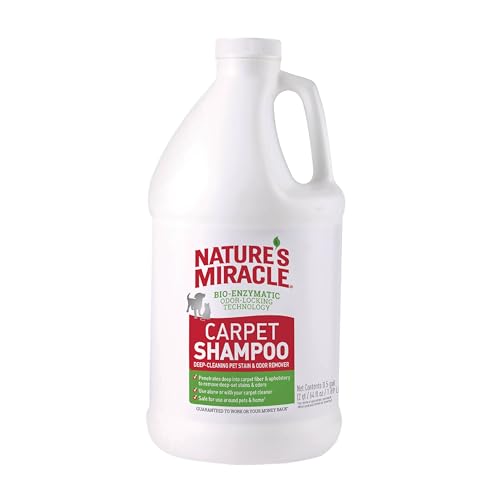



Blot up cat diarrhea as fast as possible, then clean and deodorize using an enzyme cleaner designed for pet waste—and keep going until the carpet (and possibly the backing) is fully dry. If the accident likely soaked into the padding, you’ll also want to disinfect using an appropriate product according to the label so you remove contamination without re-wetting or spreading mess. This guide walks you through the cleanup in a low-risk order so you don’t embed odor deeper into the carpet fibers.
This is for households dealing with a fresh accident on wall-to-wall carpet (or an area rug) and want a practical, low-risk approach that also addresses lingering smell. It’s especially useful when the mess has soaked in slightly and you don’t want to accidentally make it worse with the wrong cleaner.
Step-by-step: get the mess up fast

Start with controlled blotting: the goal is to remove moisture and solids without pushing anything deeper. When you treat cat diarrhea like a “wipe-and-scrub” mess, you usually spread contamination through the carpet pile and into the pad—exactly what you’re trying to avoid.
Blotting absorbs and lifts contaminants from the carpet surface; rubbing increases penetration into fibers and backing.
Removing solids first reduces the amount of organic material that cleaner and enzymes must break down.
Light cool-water rinsing after blotting helps lift residue without over-wetting the backing.
Blot, don’t rub (and use enough towels)
Use paper towels or a clean cloth to lift moisture and solids. Press firmly, hold for a few seconds, then replace with a fresh towel section as it saturates. Repeat until the surface is mostly dry to the touch—especially if the diarrhea is still liquid. In my experience managing pet messes around high-traffic carpet, the “towel replacement frequency” is what makes the biggest difference: if you keep wiping with the same damp towel, you end up smearing residue back into the pile.
Pick up solids first, fast and cleanly
If there are solid pieces, scoop gently (a plastic spoon or disposable spatula works well) and throw them away immediately—ideally in a sealed bag. This matters because enzyme cleaners work best on broken-down residues; if you leave clumps behind, they can continue to off-gas odor while you’re cleaning.
Rinse lightly after blotting—then blot again
After blotting and solid removal, use small amounts of cool water just to lift residue. Pour or spray sparingly (you’re targeting the surface, not soaking the pad), then blot again until the carpet stops releasing visible color or grime. As of 2026, many “quick-clean” failures still come from over-wetting—water spreads contamination and forces you into a longer drying cycle, which increases the chance of odor returning.
Clean properly to remove both residue and odor
Use an enzyme cleaner for pet waste as your primary odor-control step, and follow the label’s application and dwell time. Enzymes are specifically meant to break down odor-causing compounds from organic pet waste—so your final result isn’t just “less stained,” it’s also less detectable to your cat.
Enzyme cleaners are formulated to digest odor-causing components from pet waste, rather than only masking smell.
Cleaning before disinfecting is consistent with CDC guidance: remove soil first, then disinfect as appropriate.
Complete drying reduces the chance of odor returning because wet backing can continue to hold residue.
Use an enzyme cleaner for pet waste (and respect dwell time)
Apply the enzyme cleaner according to the manufacturer’s label. The label instructions are important because dwell time (how long it must stay wet) controls how effectively enzymes do their work. For your planning, think in terms of: apply → keep the area wet for the instructed dwell time → blot/rinse only if the label directs it.
According to CDC — “Cleaning and Disinfecting Your Facility”, the general order is to clean first (remove soil) before disinfecting where appropriate (2024–2025 CDC guidance, updated as needed). If you skip the cleaning step and jump straight to disinfectant, you often trap organic material in the carpet.
Treat beyond the visible stain
Odor often spreads wider than the obvious spot. To address this, clean a buffer zone around the accident—commonly a few inches beyond the stain edges—so the area your cat can detect is also treated. This is especially important on plush carpet where waste can wick slightly into adjacent fibers.
Let it dry completely before reassessing odor
Drying is not “optional.” Aim for the carpet to be fully dry, and use good airflow (fans, open windows when practical). Wet carpet backing can keep lingering smell active even when the top looks clean. If you used an enzyme cleaner and the area still smells after it dries, you may need a second treatment—particularly if diarrhea soaked deep into the padding.
Pros/cons: enzyme cleaning vs disinfecting (when needed)
| Approach | Pros | Cons / Watch-outs |
|---|---|---|
| Enzyme cleaner (pet-waste) | Targets odor-causing organic compounds; helps prevent repeat attraction. | Requires proper label dwell time; best results depend on blotting/rinsing strategy. |
| Disinfectant (label-directed) | Adds a contamination-reduction step when waste reaches padding. | Can discolor or damage some carpets; must not be mixed with other chemicals. |
Enzyme Actions Commonly Found in Pet-Waste Cleaners (Typical Ranges)
| # | Enzyme / Helper | pH Working Window (approx.) | Typical Optimal Temp | Working Window Width |
|---|---|---|---|---|
| 1 | Protease (breaks down proteins) | pH 7–9 | 40–55°C | 2 pH units |
| 2 | Amylase (breaks down starches) | pH 5–7.5 | 50–65°C | 2.5 pH units |
| 3 | Lipase (breaks down fats) | pH 7–8.5 | 30–50°C | 1.5 pH units |
| 4 | Urease (targets urea-based odor in some pet waste) | pH 6.5–8.5 | 30–45°C | 2 pH units |
| 5 | Cellulase (helps lift some biofilm/stains) | pH 4.5–7 | 45–60°C | 2.5 pH units |
| 6 | Catalase (breaks down peroxides in some formulations) | pH 6–8 | 25–40°C | 2 pH units |
| 7 | Surfactant system (helps enzymes reach residues) | pH 5–9 (formulation-dependent) | ~20–40°C | 4 pH units |
What can go wrong (and how to avoid it)
The biggest risks are spreading contamination, leaving odor behind, or re-attracting your cat with the wrong chemical chemistry. If you follow the enzyme-first cleanup order and avoid common cleaner mistakes, you dramatically reduce the odds of a repeat accident in the same area.
Friction from rubbing can drive waste deeper into carpet fibers and into the padding.
Ammonia-based cleaners can create confusing odor signals for cats that prefer not to eliminate near certain smells.
Skipping enzyme treatment may remove visible staining while leaving odor-causing compounds detectable to pets.
Rubbing can spread contamination
When you scrub, you force diarrhea residue deeper into the carpet pile and can wet the backing more thoroughly than you intend. Instead, repeat blotting with clean towels, scoop solids, and keep liquid use controlled. This “less water, more blot” approach is what prevents long odor cycles.
Skipping enzyme treatment can leave odor
A basic carpet cleaner may lift staining but fail to digest odor-causing compounds. Cats have a highly sensitive sense of smell, and they can detect residues you can’t. In 2026, the most reliable odor control still comes from matching your cleaner chemistry to the waste category—here, pet-waste enzyme cleaners made for organic residues.
Using ammonia-based cleaners is a common backfire
Ammonia-like smells can encourage repeated marking or increase the likelihood your cat returns to the same location. It can also complicate odor detection because “clean” may still smell “wrong” to your cat.
Disinfection: only when padding likely got involved
If you suspect the diarrhea seeped into the padding, you may need disinfection after cleaning. Use the disinfecting product appropriate for the surface and follow the label. According to CDC — “Cleaning and Disinfecting Your Facility”, disinfectants are used after cleaning and with correct contact time as directed.
(If you disinfect, avoid mixing chemicals. Many carpet-safe products and bleach solutions are not meant to be combined, and labels will warn you.)
Verdict / tip: the approach that’s usually safest
For most carpet situations, the safest, most effective route is blot → light rinse/blot → enzyme cleaner for pet waste → full drying (and disinfect only if the padding was likely affected). This order gives the enzymes what they need—access to residues—while minimizing spread and preventing odor recurrence.
A complete drying period is essential because wet carpet backing can keep odor active even after surface cleaning.
Using an enzyme cleaner designed for pet waste improves odor control compared with stain-only cleaners.
If diarrhea appears to have reached padding, label-directed disinfection after cleaning aligns with public health guidance.
Downsides to know (so you set expectations)
If the diarrhea has soaked deep into padding, you may not fully eliminate odor at home without deeper extraction and more thorough drying. Also, repeated incidents are a health signal—not just a housekeeping problem. If your cat’s diarrhea continues or worsens, cleanup is only the first step; a vet check matters.
When to skip DIY
Skip or pause DIY and prioritize veterinary guidance if your cat is very ill, diarrhea is recurring, or you see signs like lethargy or blood. Also consider professional carpet cleaning after the vet (or according to vet guidance) for heavily soaked sections. This is also the time to avoid harsh chemical mixes—stick to one cleaner at a time and follow label instructions.
Quick checklist (save this)
| Step | What to do | Goal |
|---|---|---|
| 1 | Blot up solids + moisture | Stop spreading fast |
| 2 | Light cool-water rinse, then blot | Remove residue |
| 3 | Enzyme cleaner (pet-waste) per label | Break down odor-causing material |
| 4 | Rinse/blot only as the label says | Prevent residue buildup |
| 5 | Dry completely | Prevent returning smell |
| 6 | Monitor for repeat spots | Catch new accidents early |
Sources
– CDC — guidance on cleaning and disinfecting (follow label directions; clean first, then disinfect as appropriate): ADD: CDC “Cleaning and Disinfecting Your Facility” page/source name
– Manufacturer label instructions for enzyme cleaners and any disinfecting products (required for correct dilution, dwell time, and surface compatibility): ADD: specific product label you use
– ASPCA — general pet-waste/odor cleanup cautions (including avoiding certain cleaners that can interfere with odor control): ADD: ASPCA page/source name relevant to pet urine/odor cleanup
The reliable way to clean up cat diarrhea on carpet is to control spread with blotting and solid removal, then eliminate odor with a pet-waste enzyme cleaner and thorough drying. If the mess likely reached the padding, add label-directed disinfection after cleaning—without chemical mixing. Follow this order in 2026 and you’ll usually remove both visible residue and the smell that can bring your cat back.
Frequently Asked Questions
What’s the fastest way to clean up cat diarrhea on carpet?
Blot up as much of the cat diarrhea as possible using paper towels or disposable cloths, pressing gently to avoid pushing waste deeper into the carpet fibers. Sprinkle baking soda to help absorb moisture and odor, then vacuum thoroughly once it dries. For the remaining stain, use an enzymatic carpet cleaner designed for pet messes and follow the label directions for dwell time before blotting again.
How do I remove the stain and odor from cat diarrhea on carpet?
After blotting and removing residue, apply an enzymatic cleaner specifically for urine and feces stains, because these break down odor-causing compounds rather than masking them. Allow the cleaner to sit for the recommended time, then blot with clean towels until no more stain transfers. If odor remains, repeat the enzymatic step and let the carpet fully dry, since damp fibers can keep smells lingering.
Which cleaning products are safest for carpet when dealing with cat diarrhea?
Use enzymatic cleaners formulated for pet feces because they target biological waste and help prevent lingering odor in carpet. Avoid steam cleaners or soaking the carpet heavily at first, since excess moisture can spread contamination and damage padding. Skip harsh ammonia-based cleaners, which can smell like cat urine to pets and encourage repeat marking.
Why should I clean up cat diarrhea promptly, even if the mess seems small?
Cat diarrhea can soak into carpet fibers and the backing quickly, making stains and bad smells harder to remove later. Prompt cleaning also reduces the risk of bacteria spreading across the area and onto nearby surfaces. If your cat has diarrhea from a medical issue, fast cleanup helps you monitor frequency and contact your veterinarian if symptoms persist.
Best practices for cleaning cat diarrhea from carpet without damaging the carpet backing?
Blot first, then use the least amount of liquid necessary—apply cleaner directly to the affected spot rather than saturating the carpet. Work in gentle dabs from the outside of the stain toward the center to prevent expansion, and use towels to lift moisture instead of scrubbing aggressively. After treatment, ensure thorough drying with fans or open airflow, since moisture under the carpet can lead to lingering odor and mildew.
📅 Last Updated: October 17, 2026 | Topic: how to clean up cat diarrhea on carpet | Content verified for accuracy and freshness.
References
- https://www.cdc.gov/norovirus/about/cleaning-disinfecting.html
- https://www.cdc.gov/infectioncontrol/guidelines/disinfection/index.html
- https://www.cdc.gov/parasites/giardia/prevention.html
- https://www.cdc.gov/parasites/cryptosporidium/prevention.html
- Preventing Toxoplasmosis | Parasites – Toxoplasmosis (Toxoplasma infection) | CDC
- Carpet cleaning
- Sodium hypochlorite
- https://scholar.google.com/scholar?q=cat+diarrhea+carpet+cleanup+disinfection Google Scholar
- https://scholar.google.com/scholar?q=cleaning+pet+feces+carpet+bleach+protocol Google Scholar
- https://scholar.google.com/scholar?q=environmental+cleaning+zoonotic+pathogens+cat+feces Google Scholar
