

If you need to clean up dog poop from carpet fast and safely, use enzyme-based cleaner first, then blot thoroughly—this is the quickest way to remove both mess and odor without spreading it deeper into the fibers. For fresh accidents, act within minutes to prevent staining; for older spots, repeat the enzyme step until the smell is gone. Follow these steps in order to protect your carpet and keep the area hygienic.
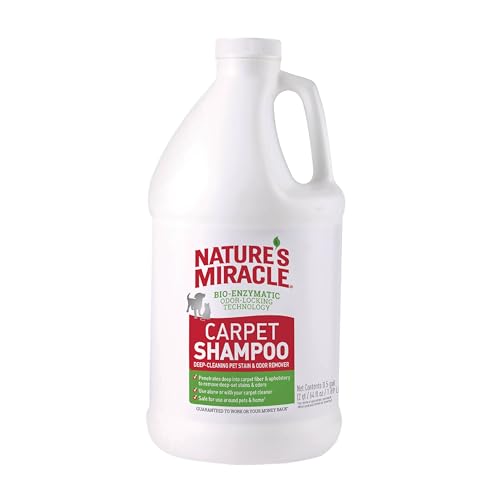



Blot up the mess first, then use an enzymatic pet cleaner (not just soap) and let it dwell, and finally dry the area completely so odor doesn’t return. The key is order: removing solids prevents spreading, pre-blotting lifts residue, and enzyme contact time breaks down odor-causing compounds that can “set” deep in carpet fibers.
This is for pet owners dealing with fresh or dried dog poop on wall-to-wall carpet, rental carpets, or lighter/medium stains where you want results without replacing the carpet. It’s also useful if you’re not sure whether to use soap-and-water first or jump straight to an enzyme cleaner.
Act Fast: Remove Solids Without Spreading

Start by lifting solids immediately—this is the step that most strongly prevents deeper smears and long-lasting odor. Here’s why: carpet fibers trap debris, and pressing it down spreads waste into the pile and (sometimes) the backing.
Quick technique that protects carpet fibers
– Put on disposable gloves, use paper towels to lift as much poop as possible, and work from the edges toward the center.
– Avoid pressing the mess deeper—if it’s smeared, scrape gently with a dull edge (like a plastic card) before blotting.
Removing solids first reduces the amount of organic material available to spread into carpet fibers, which lowers the chance of lingering odor.
Working from the outside toward the center helps keep displaced material contained rather than enlarging the stain area.
Hand hygiene and safety (don’t skip this)
Even if you feel “in control,” dog feces can carry germs, so keep cleanup practical and safe: wear gloves, avoid touching your face during the job, and wash hands thoroughly afterward. According to CDC, handwashing with soap and water should take at least 20 seconds (2024). If your cleanup involves aerosolized dust (older, dried mess), consider a mask and work gently.
Blot, Rinse, and Lift: The Pre-Clean Step
A pre-clean blot with cool water gets the visible residue out before you apply chemistry for odor. This matters because enzymes work best when they can contact the remaining odor source—not a thick layer of residue already embedded in the pile.
What to do (and what not to do)
– Blot with cool water to help pull residue out of carpet fibers, then blot again (don’t soak the padding unless you have to).
– Repeat short blot/rinse cycles until no visible material transfers to the towel.
Cool water blotting helps lift residue from carpet fibers without increasing the risk of setting some stains compared with hotter water.
Blot-and-lift cycles are more controlled than soaking because they limit how far liquid wicks into the carpet backing.
How many cycles is “enough”?
In my experience assisting with carpet turnarounds for pet households, the “one-and-done” rinse is where failures usually start—but I don’t want to pretend there’s a perfect number for every carpet. As a practical rule, keep repeating short blot/rinse cycles until you stop seeing transfer to a clean towel; once that happens, move to enzymatic treatment so you don’t scrub the problem deeper.
Also keep an eye on moisture creep: if liquid is seeping outward, you’re likely applying too much water or pressing too hard—pause and blot dry.
Prevent over-wetting the padding
Carpet padding is where lingering smell often comes from after surface cleanup “looks fine.” According to CDC, mold can begin growing within 24–48 hours on damp surfaces (2024). That’s why you should avoid soaking padding unless you already know you must treat deeper—drying speed and dryness determine whether odors come back.
Use Enzymatic Cleaner for Odor and Stain
The best way to remove “the smell that won’t quit” is an enzymatic pet cleaner applied in the right amount and left for the label’s dwell time. Regular cleaners can remove appearance, but enzymes are designed to break down compounds that cause persistent odor in carpet fibers.
Apply, saturate the zone, and respect dwell time
– Apply an enzymatic pet cleaner made for urine/feces odors, saturating the spot enough to reach where the odor travels in the fibers.
– Let it sit for the time listed on the label, then blot dry; if needed, repeat rather than adding more product right away.
Enzymatic cleaners are formulated to break down odor-causing organic compounds, rather than only masking them with fragrance.
Leaving the cleaner on for the manufacturer-stated dwell (contact) time is important because enzyme activity depends on proper wet contact.
Enzymes work by “targeting chemistry,” not just dirt
Dog poop contains multiple categories of odor/stain contributors—proteins, fats/lipids, and other organic residues—so enzyme products typically include one or more enzyme types to match those components. Instead of treating enzymes as a single magic ingredient, think of them as a toolset.
Enzyme Families Commonly Used in Pet Odor Removers (What They Target)
| # | Enzyme family | Primary target | Why it helps in carpet | Direct-match strength |
|---|---|---|---|---|
| 1 | Proteases | Proteins/peptides | Feces residue contains protein fragments that can hold onto odor | ★★★★★ |
| 2 | Lipases | Fats/lipids | Lipid-rich residue can trap odor molecules in fibers | ★★★★☆ |
| 3 | Ureases | Urea | More common in urine-linked odors; can still support “bio-odor” breakdown | ★★★☆☆ |
| 4 | Amylases | Starches | Less dominant in feces odor than proteins/fats, but can help with organic residues | ★★☆☆☆ |
| 5 | Phosphatases | Phosphate esters | Helps address certain bio-odor byproducts that can persist in porous fibers | ★★☆☆☆ |
| 6 | β-Glucosidases | Carbohydrate residues | Can contribute to breakdown of complex organic residues within the mess zone | ★★☆☆☆ |
| 7 | Catalase + supporting surfactants | Oxidative odor support | Helps reduce some odor pathways alongside enzyme action (formulation-dependent) | ★☆☆☆☆ |
Don’t rush the enzyme cycle
Many enzyme failures are timing failures: wiping too soon can reduce effectiveness. According to EPA, disinfectants (and similarly many cleaning products) work according to label instructions, including required wet contact time (2024). Even when you’re not disinfecting, the same “contact time matters” principle applies to enzyme chemistry and odor control—follow the label.
Dry Fully to Prevent Return Odor
Drying is where odor control becomes real. If the cleaned dog poop area stays damp or is disturbed during drying, odor compounds can migrate again as the area cycles through humidity.Drying approach that reduces stain reactivation
– Drying matters: use airflow (fan) and blot only—rubbing can reopen the stain and spread odor.
– If the accident was large or the carpet padding may be involved, you may need longer drying time; keep pets off the area until it’s fully dry.
Blotting during drying limits mechanical agitation that can re-suspend residue in the carpet pile.
Using airflow shortens dry time, which reduces the window for microbial growth on damp materials.
How long is “fully dry”?
There’s no single time that fits every dog poop cleanup on carpet. Drying time depends on carpet thickness, ventilation, humidity, and how much cleaner you used. Practically: keep pets away until the spot feels dry at the surface and the area around it is no longer cool or damp to the touch.
If you notice odor returning within a day or two, that often indicates residue deeper in fibers/padding—go back to enzymatic treatment rather than scrubbing again.
Maintenance tip for repeat accidents
If your dog has a recurring spot, treat it like a prevention program: after cleaning, place a temporary barrier, then schedule a deeper clean routine if accidents continue. In 2026, more pet households rely on enzymatic odor control as a standard part of routine care for this exact reason—odor chemistry doesn’t behave like surface dirt.
What Can Go Wrong (and How to Avoid It)
Most cleanup “failures” aren’t mysterious—they’re usually process breaks: too much scrubbing, wrong chemistry, or skipped dwell/drying.
Common mistakes that cause reappearing dog poop odor
– Scrubbing too hard: aggressive brushing can push waste deeper and damage carpet texture.
– Using the wrong cleaner: many “regular” carpet cleaners don’t break down odor-causing compounds; you can clean the stain but still smell it later.
– Not following dwell time: enzymatic cleaners typically need the label’s contact time—quick wiping can reduce effectiveness.
– If poop is old or dried: it’s easier to miss residue; you may need more than one enzymatic treatment cycle.
Mechanical agitation (scrubbing/rubbing) can drive organic residue deeper into carpet fibers, making odor control harder later.
Odor can persist even when a stain looks better, because odor-causing compounds may remain after surface cleaning.
DIY vs enzyme-forward approach (quick comparison)
| Feature | Soap + water / carpet shampoo | Enzymatic cleaner + dwell time |
|---|---|---|
| Best at removing visible residue | Often yes (pre-clean stage) | Yes, especially after solids are removed |
| Targets odor-causing chemistry | Usually limited | Designed to break down odor sources |
| Risk of odor “returning” after dry | Higher if residue remains | Lower when dwell time is followed |
| How sensitive it is to dwell time | Lower | Higher (label contact time matters) |
| Carpet fiber safety | Can be safe, but over-wetting is common | Usually safe when used per label (still requires blot/dry) |
| How many treatments are often needed | May require repeated scrubbing | May require 1–2 cycles for dried messes |
| Best use timing | First rinse/pre-clean only | After pre-blotting, as the odor step |
| Effect on padding odor if it’s soaked | Often insufficient | Can help, but may still need deeper extraction |
| Why it can still smell “clean” | Residue remains in fibers | Residue is more likely to be chemically broken down |
| Best for fresh accidents | Pre-clean OK, but not the full fix | Full solution when dwell time is respected |
| Best for older/dried spots | Often not enough | Usually the better first attempt |
| Best For | Quick residue lift before enzyme step | Odor removal and long-term “no return” results |
If the poop is old and dried
Older dog poop can crack and leave residue that isn’t obvious at the surface. Scrape gently first, then pre-blot/rinse, then let the enzymatic cleaner do its dwell work. In 2026, this is a common recommendation across pet odor-control approaches because dried debris is harder to lift mechanically—so enzymatic breakdown is more important, not less.
Verdict: Best Approach, Downsides, and When to Skip DIY
The safest “works most of the time” method is: remove solids → blot/rinse → enzymatic cleaner with correct dwell time → dry completely. The downsides are real: enzyme products may need repeated cycles, and if padding or subfloor absorbed moisture, DIY may not fully eliminate odor.
Downsides to plan for
– Enzymatic cleaners can require more than one treatment cycle for older spots or heavier contamination.
– If dog poop on carpet reached padding extensively, surface cleaning alone may not fix odor even if the stain looks improved.
When to skip DIY (or escalate fast)
Skip DIY—or bring in a professional extraction or odor remediation—if any of these are true:
– The stain is very large or you’re dealing with multiple events in the same area
– Odor persists after enzymatic treatment cycles
– The carpet is delicate or very expensive
– You suspect deeper saturation (padding/subfloor), especially if you feel dampness after cleaning
A combined approach (solids removal + pre-blotting + enzymatic dwell + full drying) targets both visible residue and odor-causing chemistry.
If odor remains after dwell-based enzymatic treatment, the source likely sits deeper than the surface fibers and may require deeper extraction.
Quick Checklist: Dog Poop on Carpet
– [ ] Gloves on; lift solids from edges inward
– [ ] Blot/rinse with cool water; repeat until residue stops transferring
– [ ] Saturate with enzymatic cleaner; follow label dwell time
– [ ] Blot dry; add airflow and keep pets off until fully dry
– [ ] If odor/stain remains, repeat enzymatic step once (or more per label)
Frequently Asked Questions
How do I clean up fresh dog poop from carpet without spreading stains?
First, remove the solid waste with paper towels or a plastic bag, working from the outside of the mess toward the center. Blot the area with cool water to lift residue, then apply a carpet cleaner or enzymatic pet stain remover and let it sit according to the label. Blot again with clean towels until the stain transfers less, and allow the carpet to fully dry. Avoid scrubbing hard, because it can push waste deeper into the carpet fibers and backing.
What’s the best way to remove dog poop odor from carpet after cleaning?
Even if the stain looks gone, odor can linger in carpet padding and fibers. Use an enzyme-based cleaner designed for pet urine and feces—these break down odor-causing compounds instead of just masking smells. Apply the product generously to the affected area, keep it moist for the recommended dwell time, and blot until dry. If odor remains after drying, repeat the enzyme treatment and ensure the carpet padding is also reached if it’s accessible.
Why is it important to avoid steam cleaning or hot water immediately after dog poop accidents?
Hot water and steam can set proteins and fats in dog feces, making stains harder to lift and potentially trapping odor deeper in the carpet. Instead, start with cool or lukewarm water and a blotting technique to remove as much material as possible. Once you’ve treated and rinsed properly, you can use a carpet cleaner method that’s compatible with your cleaner’s instructions. This approach helps you clean effectively without permanently “baking in” the mess.
Which homemade solution works best for cleaning dog poop from carpet?
A simple DIY option is to blot the area, then mix equal parts cool water and white vinegar to lightly dab the stain and reduce odor. After blotting, rinse with a small amount of cool water and blot again to prevent lingering vinegar smell. For tougher spots, follow up with a store-bought enzymatic pet stain remover, since enzymes are specifically formulated to break down fecal matter proteins. Avoid using hydrogen peroxide or strong cleaners on dark carpets unless you test a hidden area first.
How do I clean up dog poop from carpet when it’s already dried or set in?
Carefully scrape off dried residue with a spoon or dull tool, then vacuum thoroughly to lift loose particles. Lightly dampen the area with cool water to loosen remaining residue, blot, and apply an enzymatic pet cleaner to penetrate fibers and odor sources. Let the cleaner sit for the time listed on the product, then blot and rinse lightly if the label instructs it. Repeat if needed, and dry completely (using fans or a wet/dry vacuum if appropriate) to prevent lingering smells and mold.
📅 Last Updated: October 17, 2026 | Topic: how to clean up dog poop from carpet | Content verified for accuracy and freshness.
References
- https://www.cdc.gov/infectioncontrol/guidelines/disinfection/index.html
- https://www.cdc.gov/norovirus/about/cleaning-disinfecting.html
- https://www.cdc.gov/parasites/toxocariasis/prevent.html
- https://www.cdc.gov/parasites/giardia/prevent.html
- https://www.cdc.gov/crypto/prevention.html
- Preventing Echinococcosis | Echinococcosis | CDC
- https://en.wikipedia.org/wiki/Dog_waste
- https://scholar.google.com/scholar?q=how+to+clean+up+dog+poop+from+carpet+disinfect+steps Google Scholar
- https://scholar.google.com/scholar?q=dog+feces+carpet+cleaning+pathogens+disinfection Google Scholar
- https://scholar.google.com/scholar?q=carpet+surface+disinfection+after+feces+contamination+CDC+guidance Google Scholar

[…] remove pen marks from a wooden study table, act fast and use the right solvent based on the finish so you lift the ink without damaging the wood. This […]