How to Clean Urethane Foam: A Simple Guide
Cleaning urethane foam is straightforward if you follow the right steps. This versatile material is commonly used in cushions and mattresses, and keeping it clean can extend its lifespan and maintain hygiene. In this guide, you’ll discover effective techniques for cleaning urethane foam without damaging it.
Understanding Urethane Foam

Urethane foam, often referred to as memory foam, is a popular choice in various products such as mattresses, cushions, and soundproofing materials due to its durability and comfort. This material is composed of polyurethane, which gives it excellent resilience and adaptability. However, urethane foam is sensitive to moisture; excessive water can lead to mold growth, which can compromise its structure and create health hazards. Therefore, it is crucial to understand the specific type of urethane foam you have, as there are variations with different densities and formulations. Knowing the characteristics of your foam can guide you in using the appropriate cleaning methods and products without causing any harm.
Basic Cleaning Supplies
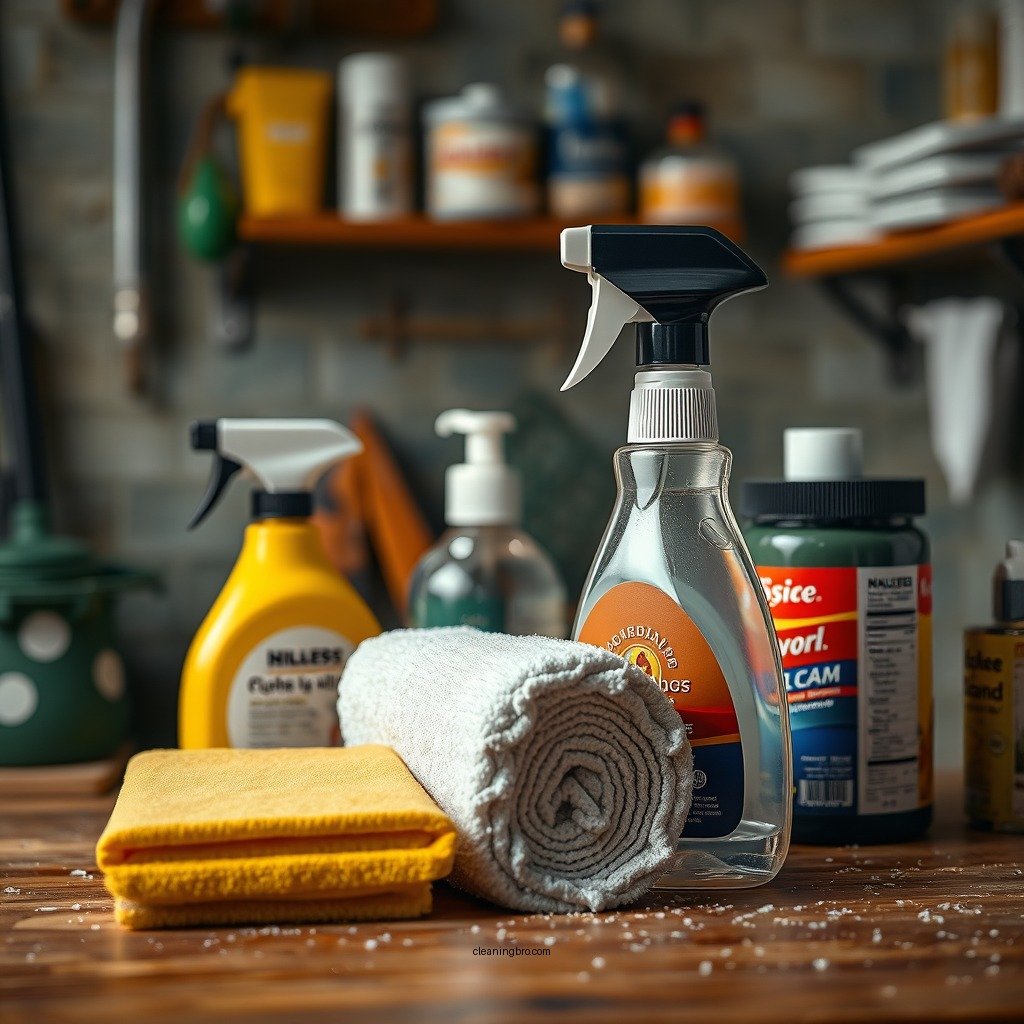
To efficiently clean urethane foam, you will need a few basic supplies:
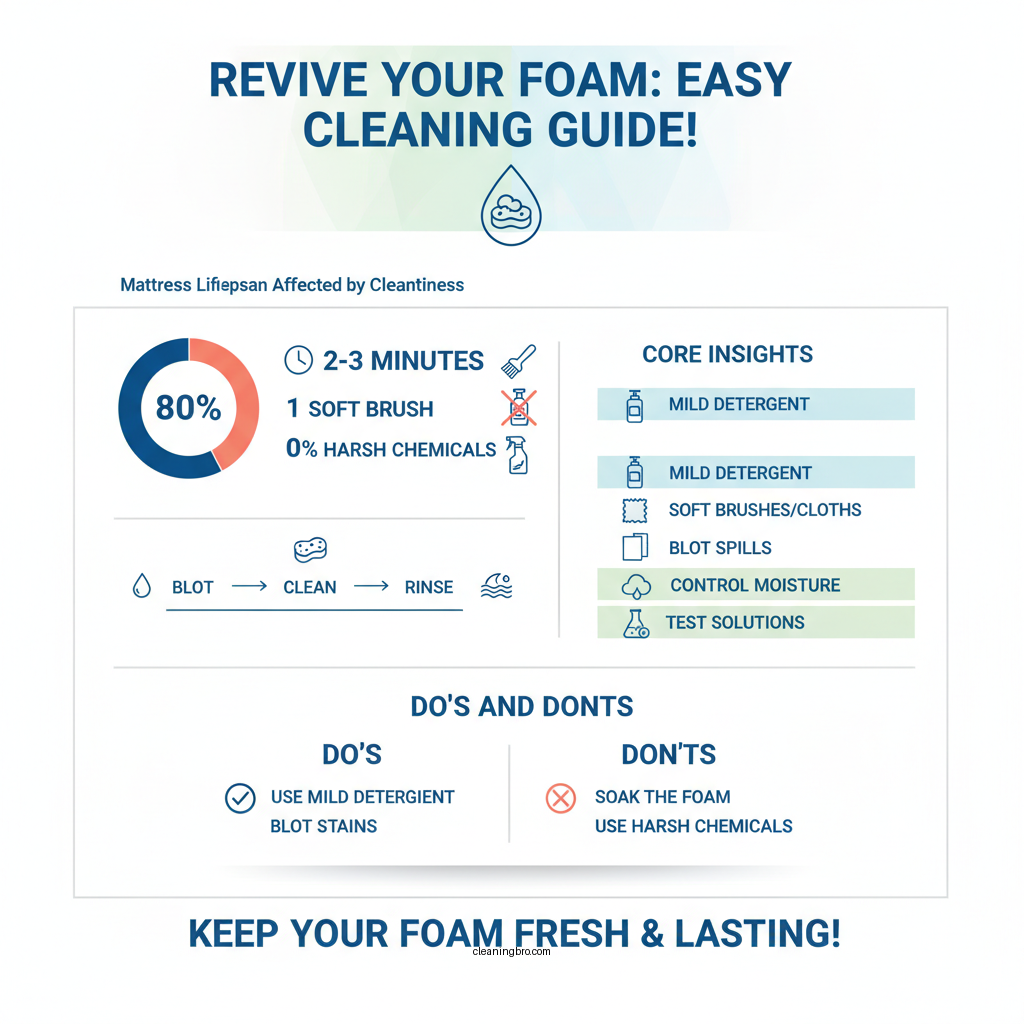
– Mild Detergent: Opt for a gentle, non-toxic detergent that won’t harm the foam. Strong chemicals can degrade the material and reduce its lifespan.
– Soft Brush or Cloth: A soft brush or microfiber cloth is ideal for removing dust and dirt without causing abrasion. These tools will help you clean the surface effectively without damaging the foam.
– Water: Use water sparingly, as excess moisture can lead to mold and odors. A spray bottle can be useful for controlling the amount of water you apply.
Having these supplies on hand will allow you to perform both routine cleaning and deeper cleaning when necessary.
Spot Cleaning Techniques
When it comes to maintaining urethane foam, spot cleaning is often the first line of defense against stains and dirt. Here’s how to do it effectively:
– Blot Stains Immediately: As soon as you notice a spill or stain, use a clean, dry cloth to blot the area gently. This helps to absorb the liquid before it penetrates deeply into the foam and causes a stain.
– Cleaning Solution: Create a mixture of mild detergent and water. Dampen a soft cloth with the solution (do not soak it) and gently rub the stained area. Always test a small, inconspicuous area first to ensure the detergent does not discolor or damage the foam.
– Rinse and Dry: After the stain is removed, use another cloth dampened with plain water to rinse the area of any detergent residue. Blot dry with a towel, and allow it to air dry completely before using the foam item again.
Implementing these spot cleaning techniques promptly can significantly enhance the longevity of your urethane foam products.
Deep Cleaning Process
For a thorough clean, especially if your foam has absorbed odors or has been heavily soiled, follow these steps:
– Vacuuming: Use a vacuum cleaner fitted with an upholstery attachment to remove dust, dirt, and allergens from the foam. This step is essential as it prevents dirt from settling deeper into the material.
– Deodorizing with Baking Soda: If odors persist, sprinkle a generous amount of baking soda over the surface of the foam. Let it sit for several hours or overnight to absorb odors. Afterward, vacuum the baking soda off thoroughly.
– Washing: If the foam allows, you may be able to wash it lightly. For a more comprehensive clean, consider soaking the foam in a bathtub filled with warm water and mild detergent. Make sure to rinse it thoroughly afterward to remove any soap residue.
These deep cleaning methods will help refresh your foam and eliminate stubborn odors or stains, maintaining its look and feel.
Drying and Maintenance Tips
Proper drying is crucial to ensure the integrity of urethane foam after cleaning:
– Air Drying: Always air dry the foam in a well-ventilated area, away from direct sunlight. Direct sunlight can cause the foam to break down and lose its shape over time.
– Fluffing and Rotating: Regularly fluff and rotate your cushions and mattresses. This practice helps maintain their shape and prevents uneven wear.
– Avoiding Heat: Do not use hair dryers or heaters to speed up the drying process, as excessive heat can damage the foam.
By following these drying and maintenance tips, you can prolong the life of your urethane foam products while ensuring they remain comfortable and supportive.
Preventative Care for Urethane Foam
Preventative care is vital for maintaining the condition of urethane foam. Here are some effective strategies:
– Use Protective Covers: Invest in high-quality, washable covers for your cushions and mattresses. These covers act as a barrier against spills, dirt, and allergens, making cleaning easier and more efficient.
– Immediate Spill Response: Clean spills immediately to prevent staining and odors from setting in. The quicker you address a spill, the less likely it is to require extensive cleaning later.
– Regular Maintenance: Incorporate regular maintenance into your cleaning routine. This can include vacuuming and spot cleaning as needed, ensuring that your foam remains in top condition.
Implementing these preventative measures will not only keep your urethane foam looking fresh but also contribute to a healthier living environment.
Urethane Foam Types and Their Characteristics
| # | Foam Type | Density (kg/m³) | Durability | Typical Use |
|---|---|---|---|---|
| 1 | High-Density Foam | 50-90 | High | Mattresses |
| 2 | Medium-Density Foam | 30-50 | Medium | Cushions |
| 3 | Low-Density Foam | 10-30 | Low | Lightweight Items |
| 4 | Gel-Infused Foam | 40-60 | Medium-High | Cooling Mattresses |
| 5 | Open-Cell Foam | 30-50 | Medium | Breathable Cushions |
| 6 | Memory Foam | 50-90 | High | Comfort Products |
| 7 | Viscoelastic Foam | 40-70 | Medium-High | Advanced Comfort |
Types of Urethane Foam: A Comparison
| Feature | ⭐ High-Density Foam | Medium-Density Foam | Low-Density Foam |
|---|---|---|---|
| Comfort Level | ⭐ Excellent | Good | Average |
| Durability | High | Medium | Low |
| Allergen Resistance | ✅ High | ✅ Moderate | ❌ Low |
| Weight | Heavy | Medium | Light |
| Breathability | ✅ Low | ✅ Moderate | ✅ High |
| Temperature Regulation | ⭐ Excellent | Good | Average |
| Applications | Mattresses | Cushions | Lightweight Items |
| Price Range | $$$ | $ | $ |
| 🏆 Best For | Luxury Mattresses | Everyday Use | Casual Items |
Keeping your urethane foam clean is essential for both hygiene and longevity. By following these simple steps, you can effectively maintain your foam items without causing damage. Regular care will not only keep them looking fresh but also ensure they last longer. For more tips on maintaining your home, feel free to explore more articles on our blog!
Frequently Asked Questions
What is the best method to clean urethane foam?
The best method to clean urethane foam involves using a mild detergent mixed with warm water. Gently scrub the foam with a soft brush or cloth to remove dirt and stains, then rinse it with a damp cloth to avoid saturating the foam. Allow the foam to air dry completely in a well-ventilated area to prevent mildew.
How can I remove odors from urethane foam?
To remove odors from urethane foam, sprinkle baking soda evenly over the surface and let it sit for several hours or overnight. The baking soda will absorb unwanted smells. Afterward, vacuum the foam with a brush attachment to remove the baking soda, leaving it fresh and odor-free.
Why is it important to clean urethane foam regularly?
Regular cleaning of urethane foam is important to maintain its longevity and hygiene. Dust, allergens, and bacteria can accumulate on the foam, leading to potential health issues or unpleasant odors. Keeping it clean ensures a healthier environment, especially for items like mattresses and cushions.
Which cleaning products should I avoid when cleaning urethane foam?
When cleaning urethane foam, avoid using harsh chemicals, bleach, or solvents, as they can break down the foam’s structure and cause damage. Instead, opt for mild detergents or natural cleaning solutions to preserve the integrity of the foam while effectively cleaning it.
How do I spot clean stains on urethane foam?
To spot clean stains on urethane foam, create a mixture of mild soap and water, then dampen a clean cloth with the solution. Gently dab the stained area without soaking the foam, and then use a separate damp cloth to wipe away any soap residue. Allow the area to dry completely to prevent moisture buildup.
References
- Foam
https://en.wikipedia.org/wiki/Foam - https://www.ncbi.nlm.nih.gov/pmc/articles/PMC6463754/
https://www.ncbi.nlm.nih.gov/pmc/articles/PMC6463754/ - https://www.cdc.gov/niosh/topics/foam.html
https://www.cdc.gov/niosh/topics/foam.html - https://www.mayoclinic.org/healthy-lifestyle/consumer-health/in-depth/cleaning-foam-mattresses/art-20319307
https://www.mayoclinic.org/healthy-lifestyle/consumer-health/in-depth/cleaning-foam-mattresses/art-20319307 - https://www.sciencedirect.com/topics/engineering/polyurethane-foam
https://www.sciencedirect.com/topics/engineering/polyurethane-foam - https://pubmed.ncbi.nlm.nih.gov/28339413/
https://pubmed.ncbi.nlm.nih.gov/28339413/ - Polyurethane | Foam, Synthesis, Plastics | Britannica
https://www.britannica.com/science/polyurethane - https://www.hse.gov.uk/research/rrpdf/rr1100.pdf
https://www.hse.gov.uk/research/rrpdf/rr1100.pdf - Google Scholar Google Scholar
https://scholar.google.com/scholar?q=cleaning+urethane+foam - Google Scholar Google Scholar
https://scholar.google.com/scholar?q=urethane+foam+care+guidelines