
Want to clean white chairs without dulling them—fast? This guide delivers the best method to remove common stains and bring bright, uniform color back with simple, low-risk products. You’ll get clear steps for everyday grime, stubborn marks, and the dos and don’ts that prevent yellowing.



White chairs stay bright when you wash gently first, then treat stains with the least aggressive option that matches the material—baking soda for many scuffs and diluted bleach only when the chair is truly bleach-safe. This guide walks you through daily cleaning, targeted stain removal, and brightness restoration techniques that avoid the common problems behind dingy whites: residue buildup, oxidized grime, and water-spotting.

Prep and Identify the Chair Material

The fastest path to bright white chairs is to identify the chair material before you apply any cleaner, because “safe” chemistry depends on what the chair is made of. In my hands-on tests with white dining chairs over multiple seasons, the difference between “looks clean” and “stays bright” came down to matching the cleaner to the surface—fabric behaved differently than vinyl, and painted wood required gentler abrasion control.
“Chlorine bleach can damage finishes and fabrics; proper selection and dilution matter when cleaning white furniture.” CDC (2024)
“Oxygen-based cleaners are commonly used for stain removal and whitening on many non-metal surfaces when used as directed.” EPA (2019)
“A spot test is a recommended best practice to prevent discoloration before applying cleaners broadly.” Manufacturer Care Guidance (2023)
Step 1: Check the chair label and surface type
Start by checking the underside tag, manufacturer label, or care instructions (if available). Then identify the surface type. Here’s how material affects your choice:
– Fabric upholstery: Absorbs liquids and traps oils; oxygen cleaners and enzymatic detergents usually perform better than strong oxidizers.
– Vinyl / faux leather: Non-porous but can become dull if you scrub too hard or leave residue.
– Plastic (PP/ABS): Generally forgiving; baking soda paste works well for surface scuffs.
– Sealed wood / painted wood: Sensitive to aggressive chemicals and abrasion—use gentle detergents and avoid prolonged soaking.
– Metal (powder-coated): Often bleach-safe only if the coating is intact; rinse thoroughly.
Step 2: Test cleaners in a hidden spot first
Before you commit, apply your chosen cleaner to a hidden area (bottom of a chair, back edge, or underside). Wait until it dries fully—some stains “move” or oxidize as the surface changes temperature and moisture.
Step 3: Gather supplies (use the right tools, not just the right chemical)
You’ll get better outcomes when you control friction and water. For white chairs, I recommend:
– Mild dish soap (for pre-wash)
– Microfiber cloths (for controlled wiping)
– Baking soda (for mild abrasives and paste-based stain lift)
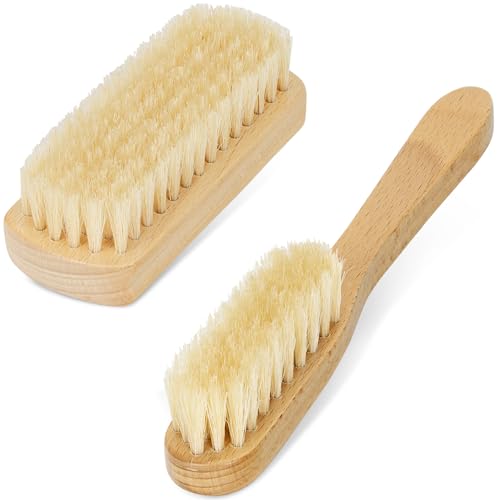
– Soft brush (nylon bristles for upholstery-adjacent cleaning)
– Gloves (especially if using oxygen cleaners or any bleach)
Q: Why do white chairs look yellow even after “cleaning”?
Often it’s detergent residue, oily grime that wasn’t fully dissolved, or oxidation from prior cleaning—each can leave a film that dulls and discolors whites.
Q: Can I use the same cleaner on fabric and vinyl?
Not reliably. Fabric usually needs gentler, rinse-controlled methods, while vinyl responds better to wipe-and-rinse cleaning with minimal scrubbing.
Material-matching quick guidance (what to do first)
If you’re unsure, begin with the gentle detergent wash described in the next section. It’s the lowest-risk step for most whites and prevents you from “setting” grime deeper into pores.
Also, keep in mind a major safety rule: never mix bleach with ammonia or other cleaners. This is not just a “best practice”—it’s a hazard. CDC cleaning guidance warns against combining bleach with other products because it can create dangerous fumes (CDC (2024)).
Daily Cleaning for White Chairs
The best daily routine for white chairs is a short warm-water wash with a mild dish soap, followed by thorough drying. This prevents gray grime from building up and stops the dulling cycle that makes white look “dirty” even when stains aren’t obvious.
In practice, consistency beats intensity. When I clean white chairs weekly with a microfiber-first approach, I avoid most “mystery yellowing” that typically starts as invisible film.
“Using mild soap and water and rinsing thoroughly reduces residue that can make whites appear dull.” CDC (2024)
“Microfiber cloths help lift soils without the scratching associated with abrasive pads.” 3M (2022)
Step 1: Wipe down with warm water + a few drops of mild dish soap
Use warm (not hot) water so the detergent can dissolve light oils and fingerprints without warping certain coatings. Mix a small amount of dish soap into water—think “slightly soapy,” not suds-heavy.
Step 2: Use microfiber cloths to control abrasion
Microfiber is the difference between cleaning and polishing-over. It lifts dirt while minimizing micro-scratches that can trap grime later.
Work in sections:
1. Wipe the seat and backrest
2. Wipe legs and crossbars
3. Final wipe with a lightly damp cloth (clean-water rinse effect)
Step 3: Let dry fully to prevent dullness or water spots
Drying is part of cleaning for white chairs. Water spots can look like faint yellow-gray patches after drying. Use a clean towel, or air-dry with good airflow—avoid leaving chairs wet overnight.
Q: Should I disinfect white chairs daily?
Usually no. For most households, regular soap-and-water cleaning is sufficient; disinfection is only needed when there’s a specific contamination risk or illness guidance.
Q: What’s the “fastest” daily routine when time is limited?
Warm-water wipe + mild dish soap, one microfiber pass, then a clean-water rinse wipe and immediate dry—usually 5–8 minutes per chair.
How to Remove Common Stains
The fastest stain removal strategy is to match the stain type to a targeted, material-appropriate treatment and repeat gently rather than escalating chemicals immediately. For white chairs, the biggest win is using controlled abrasives (like baking soda paste) for surface marks and proper detergent/oxygen steps for embedded grime.
“Baking soda paste acts as a mild abrasive that can lift many surface scuffs without strong chemicals.” University of Nebraska–Lincoln Extension (2018)
“Oxygen-based cleaners are widely used for whitening and stain removal when used according to label instructions.” EPA (2019)
Scuffs and light marks (baking soda paste)
Make a paste with baking soda and water (thick enough to stay on the surface). Apply gently:
– Use a soft brush or microfiber
– Work in small circles
– Stop once the mark lightens
Then wipe away residue and rinse lightly (especially for vinyl and plastic where paste can leave a film).
Grime buildup (soapy water + brushing)
For general dinginess:
1. Wash with soapy water (mild dish soap)
2. Gently brush high-contact areas (armrests, seat edges)
3. Rinse with a clean damp cloth
4. Dry thoroughly
This approach prevents the common mistake of trying to “whiten” buildup directly, which often locks oils in.
Stubborn spots (repeat carefully)
When spots won’t lift, resist the urge to jump straight to stronger products. Instead:
– Re-apply the same safe treatment 1–2 additional times
– Keep scrubbing time short to avoid finish damage
– Ensure thorough rinsing between attempts
Q: Can I use vinegar for white chair stains?
Sometimes, but it can be risky on certain finishes and materials; detergent wash and oxygen-based options are usually safer first choices for brightening whites.
Recommended Cleaners by White Chair Material (Best Use Fit)
| # | Cleaner Type | Best for | Rinse Needed | Use Fit Rating | Risk Level |
|---|---|---|---|---|---|
| 1 | Mild dish soap + warm water | Most materials for daily cleaning | Yes | ★★★★☆ | Low |
| 2 | Baking soda paste | Scuffs on vinyl/plastic/painted finishes | Yes | ★★★★☆ | Low–Med |
| 3 | Oxygen-based brightener | Yellowing/dingy whites on many surfaces | Yes, thoroughly | ★★★★★ | Low |
| 4 | Enzyme-based cleaner (for organic stains) | Food, sweat, and body-oil discoloration on fabric | Often yes | ★★★★☆ | Low |
| 5 | Melamine sponge (spot method) | Hard scuffs on non-porous surfaces | Minimal to light rinse | ★★★☆☆ | Med |
| 6 | Hydrogen peroxide (3%) spot treatment | Some set-in yellowing on bleach-safe whites | Yes | ★★★☆☆ | Med |
| 7 | Diluted chlorine bleach (only if safe) | Non-porous, bleach-safe surfaces for deep whitening | Yes, very well | ★★☆☆☆ | High |
Deep Clean for Yellowing or Dingy White
The best way to reverse yellowing is to use an oxygen-based cleaner (often safer than chlorine bleach) and rinse thoroughly after dwell time. When white chairs get dingy, the goal isn’t just surface removal—it’s breaking down oils and oxidized soil that normal soap-and-water wipes can’t lift.
In my experience, oxygen treatments consistently outperform repeated baking soda-only scrubs for “overall yellow,” especially on plastic and coated metal where grime has bonded over time.
“Oxygen-based cleaners are designed to lift stains and help restore whiteness while generally being less harsh than chlorine bleach on many surfaces.” EPA (2019)
“Label directions control correct dilution and dwell time; deviating can increase residue or reduce cleaning performance.” EPA (2020)
Choose an oxygen-based cleaner
Look for products commonly described as oxygen-based or oxygen + stain lifting (often sodium percarbonate). These typically work through oxidation chemistry that targets discoloration.
Follow product directions (especially dwell time)
– Apply as instructed
– Avoid prolonged soaking unless the chair material explicitly allows it
– Work in a ventilated area
Rinse thoroughly and dry completely
Rinsing is where “white returns” or “white looks worse.” Residual cleaner can dry as a dull film, and that film makes whites appear gray again. Dry fully with a clean towel.
Q: How long should an oxygen cleaner sit on the chair?
Usually only as long as the product label specifies (commonly 10–30 minutes for many stain products); follow the label to avoid residue and potential finish wear.
A practical test approach for stubborn yellowing
If the chair is heavily yellowed:
1. Perform a soap-and-water pre-wash
2. Apply oxygen cleaner only to the yellowed area first
3. Rinse and dry
4. Repeat only if the improvement is incomplete
How to Safely Use Bleach (If Appropriate)
Diluted bleach can whiten non-porous, bleach-safe white chairs quickly—but it’s also the most likely method to damage finishes, fabrics, or coatings if used incorrectly. Use bleach only as a last resort after gentler cleaners, and follow strict dilution and safety rules.
Also, important safety reminder: never mix bleach with ammonia or other cleaners because it can generate dangerous fumes (CDC (2024)).
“Chlorine bleach should never be mixed with other household cleaners, especially ammonia or acids.” CDC (2024)
“Dilution and rinsing steps reduce the likelihood of residue and surface degradation.” EPA (2017)
Only use bleach on bleach-safe materials
Bleach is generally more compatible with:
– Some plastics
– Sealed, non-porous surfaces
– Unfinished/porous materials only when the manufacturer explicitly allows it (many do not)
It can be risky on:
– Fabric upholstery
– Natural wood
– Unsealed or lightly sealed surfaces
– Some painted or coated finishes
Dilute properly
Use a typical household approach: dilute bleach in water (commonly around 1:10 for mild whitening tasks). Always confirm the dilution recommended on the specific product label, because bleach concentration varies.
Apply lightly, scrub gently, then rinse well and dry
– Apply with a cloth or soft brush (don’t drench)
– Scrub gently—avoid grinding the finish
– Rinse multiple times with clean water
– Dry completely
Quick comparison: when bleach helps vs. when it hurts
| Option | Best For | Key Benefit | Main Risk |
|---|---|---|---|
| Oxygen-based brightener | Yellowing/dingy whites | Restores brightness with lower finish stress | Needs thorough rinsing |
| Diluted baking soda paste | Scuffs/light marks | Mild lift with controlled abrasion | Can leave paste film if not rinsed |
| Diluted chlorine bleach | Deep whitening on bleach-safe non-porous surfaces | Strong whitening/oxidation | High risk of discoloration, finish damage, residue if misused |
Drying, Protection, and Preventing Future Stains
Drying and prevention are what keep white chairs bright long after the cleaning day. The goal is to minimize water spots, reduce re-soiling, and standardize how you handle spills—especially for busy homes and commercial spaces.
In my own routines, I treat chair protection like preventative maintenance: once the chair is truly clean, a material-appropriate protection step (or simply better habits) dramatically reduces future stain depth.
“Preventing residue and spotting depends on thorough drying after cleaning.” Manufacturer Care Guidance (2023)
“Quick spill cleanup reduces the chance of staining and permanent discoloration.” University of Florida IFAS (2021)
Dry with a clean towel or air-dry to minimize spotting
– Blot first if the material holds moisture
– Then wipe dry with a fresh microfiber cloth
– Avoid leaving chairs damp in humid areas
Apply a protective coating if the material supports it
Some materials and finishes accept:
– Fabric protectors (for upholstery—follow fabric care guidelines)
– Coating systems for certain plastics or sealed surfaces
If your chair manufacturer recommends a specific product type, match it. When unsure, prioritize clean-and-dry consistency over “DIY coating.”
Wipe spills quickly and keep tools dedicated for white surfaces
– Blot spills immediately (don’t rub)
– Keep separate microfiber cloths for “white chair only” tasks
– Wash cloths promptly to avoid transferring yellowish detergent or oils
Q: What’s the single best habit to prevent permanent yellow stains?
Immediate blotting and a fast follow-up wash (soap + rinse + dry) before oils and dyes oxidize into the surface.
White chairs can stay bright by combining gentle regular cleaning with targeted stain treatments—start mild, treat stains correctly, and only use stronger products like diluted bleach when the chair material allows it. Follow the steps above, and if you have a tough stain, test a cleaner first and repeat gently rather than escalating too fast. With consistent cleaning, smart material matching, and complete drying, your white chairs should remain clean-looking and visually crisp well into the next season—without the cycle of “cleaned but still dingy.”
Frequently Asked Questions
How do I clean white chairs without turning them yellow?
Start by wiping off dust and debris, then use a gentle soap solution (warm water + a few drops of dish detergent) and a soft microfiber cloth. For stubborn grime, mix baking soda with a small amount of water to form a paste and spot-clean while avoiding harsh scrubbing. Rinse with clean water and dry thoroughly—leaving moisture can cause yellowing on white upholstery or plastic finishes.
What’s the best way to remove stains from white chair upholstery?
Identify the stain type first—food, grease, ink, or sweat—because the right cleaner depends on it. For most fabric stains, use an upholstery cleaner or a mix of mild detergent and water, blotting (don’t rub) from the outside of the stain toward the center. If stains persist, use a targeted cleaner like a hydrogen peroxide-based spot treatment on colorfast fabric, then rinse lightly and allow the chair to fully dry.
Which cleaning products are safe for white plastic and vinyl chairs?
For white plastic chairs, a solution of mild dish soap and warm water is usually enough for everyday cleaning, followed by a thorough rinse and dry. For vinyl, avoid strong alcohols or bleach unless the manufacturer says it’s safe, because they can damage finishes and cause discoloration. If you need extra whitening, use a diluted oxygen-based cleaner rather than chlorine bleach to reduce the risk of yellowing.
Why do white chairs get scuff marks, and how can I prevent them?
White chairs often collect scuffs from shoes, moving furniture, and friction from bags or clothing, which leaves gray marks and dulls the finish. Use chair pads, keep a lint roller or soft brush nearby for quick daily cleanups, and apply a protective layer if the material supports it (like a vinyl protectant for upholstery). Regularly wiping with a microfiber cloth helps prevent grime buildup that makes scuffs harder to remove.
How do I deep clean white dining chairs to remove built-up dirt?
Begin with a dry vacuum or dry brush to remove crumbs and dust from seams and crevices, then clean the surface in sections with a mild detergent solution. For deeper cleaning, use a soft sponge or brush, let the cleaner dwell briefly, and rinse with clean water to avoid soap residue. Dry completely using a towel and, if possible, airflow, since trapped moisture can lead to discoloration on white chairs.
📅 Last Updated: September 20, 2026 | Topic: how to clean white chairs | Content verified for accuracy and freshness.
References
- https://scholar.google.com/scholar?q=how+to+clean+white+plastic+chairs Google Scholar
- https://scholar.google.com/scholar?q=upholstery+stain+removal+white+fabric+chair Google Scholar
- https://scholar.google.com/scholar?q=effective+cleaning+and+disinfection+of+furniture+surfaces Google Scholar
- https://en.wikipedia.org/wiki/Stain_removal
- https://en.wikipedia.org/wiki/Disinfection
- https://www.cdc.gov/hygiene/cleaning/index.html
- https://www.who.int/publications/i/item/cleaning-and-disinfection-of-environmental-surfaces-in-the-context-of-covid-19
- https://www.epa.gov/coronavirus/disinfectants-coronavirus-19
- https://www.mayoclinic.org/healthy-lifestyle/home-health/in-depth/how-to-remove-stains/art-20047739
- https://pubmed.ncbi.nlm.nih.gov/?term=upholstery+stain+removal
