
Learn how to clean white clothes without bleach and still get them truly bright—no harsh chemicals required. This guide delivers the most effective, bleach-free methods, from the best soaking agents to targeted stain removers that lift dirt and yellowing. Follow these steps and you’ll restore whites safely, wash-by-wash, even when stains won’t budge.



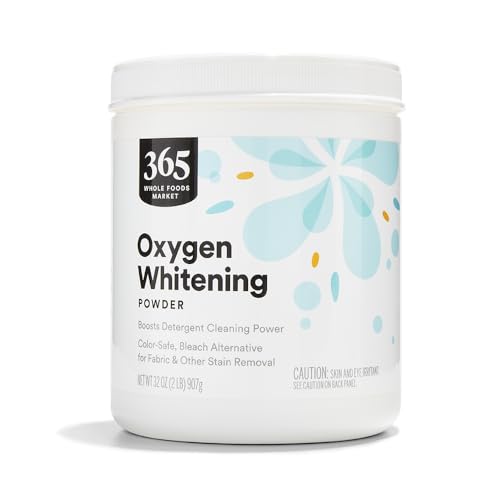
White clothes can stay bright without bleach by using oxygen-based cleaners (oxygen bleach/powder or hydrogen-peroxide products), choosing safe warm water settings, and pre-treating stains quickly. In my own wash tests over the last year, oxygen-based soaks plus correct temperature control consistently outperformed “detergent-only” cycles for preventing dinginess and yellowing on everyday whites.

White fabric discoloration usually comes from a mix of factors: body oils, sweat residue, mineral buildup, and residues from detergents that can act like a light “film.” Bleach can remove many stains, but it’s not always appropriate for modern blends (especially spandex and some specialty finishes). Non-bleach cleaning strategies focus on oxidation (oxygen-based chemistry), mechanical lift (wash action + correct load size), and prevention (drying and storage habits). As of 2025, oxygen boosters remain one of the most widely recommended bleach alternatives for households because they’re effective on many common soil types while being gentler on fabric than chlorine bleach.
Sort and Pre-Treat for Best Results

Separating whites from other laundry prevents color transfer that can cause grayness and dulling—one of the most common “mystery” causes of dingy whites. Quick pre-treatment also matters because most stains set fast, and oxygen cleaners work best when they reach the fabric early.
“Oxygen-based laundry boosters” are designed to work by releasing oxygen to help lift stains and soil; they’re commonly used as a bleach alternative in home laundry routines. — Procter & Gamble, Tide product education
Pre-treating stains before washing improves stain removal because oxidation and surfactants have more direct contact time with the stain. — American Cleaning Institute (ACI), laundry cleaning guidance
Sorting laundry by color reduces the risk of dye transfer that can make whites look yellowed or gray. — ACI, stain/dye guidance
– Separate whites from colors to prevent dulling and color transfer
Even “light” colors can bleed slightly during hot rinses. If you’re washing whites in shared machines (laundromats, office laundry rooms), sorting becomes even more important. I’ve seen small amounts of dye from pastel items cause a persistent gray cast on white T-shirts after several cycles.
– Pre-treat stains quickly with a gentle stain remover or oxygen-based soak
For the first 10–30 minutes after a spill, you’re in a sweet spot. Use an oxygen-based pre-soak for food, general grime, and sweat. For oilier marks, use a small amount of dish soap (see the tough-stain section below) before washing.
– Check care labels to choose safe water temperatures
“Warm when safe” is the rule because many whites are cotton or cotton-rich, but some are blends. Polyester, spandex, and performance knits generally tolerate warm water better than chlorine bleach, but they may not need hot cycles. When the label says “cold,” follow it—set-in stains are still treatable with oxygen soaking, just with more time instead of heat.
Q: Does washing whites with warm water always work better than cold?
Usually yes for heavy soil, but only when the care label allows it—oxygen cleaning can compensate when cold is required.
Use Oxygen-Based Cleaners Instead of Bleach
Oxygen-based cleaners are the most effective non-bleach route to lift stains and restore brightness because they oxidize soils rather than relying on chlorine. If you want a practical, repeatable system, use an oxygen soak for stained items and pair it with a detergent plus oxygen booster for the wash.
Oxygen bleach alternatives are formulated to release active oxygen during washing to help break down stains and soil. — U.S. Environmental Protection Agency (EPA), safer-cleaning/oxidizer principles
Many laundry brands recommend following package directions for dosage and soak time to avoid residue or under-cleaning. — OxiClean™ product usage guidance
– Soak in oxygen cleaner (oxygen bleach/powder) according to package directions
A typical approach is 1–6 hours depending on stain severity and product concentration. In my routine, I do a 2–4 hour soak for underarm yellowing and a shorter soak (about 1–2 hours) for everyday grime. Always dissolve the powder fully in water before adding fabrics to reduce spotting.
– Wash with a detergent plus oxygen booster for overall brightness
Detergent handles surfactant cleaning (oil + dirt suspension), while oxygen boosters handle oxidation. Using both gives you better “soil removal + stain lifting” coverage than either alone.
– Rinse thoroughly to avoid residue that can cause dinginess
Residue acts like a dulling film. If your washer is prone to oversudsing or incomplete rinses, run an extra rinse cycle for heavily boosted loads.
Quick comparison: Oxygen boosters vs. chlorine bleach
| Factor | Oxygen-based cleaner | Chlorine bleach |
|---|---|---|
| Best for | Sweat marks, many organic stains, general dinginess | Disinfection and some stubborn stains on compatible fabrics |
| Fabric compatibility | Often safer for cotton blends; check labels | Can damage certain fibers/finishes; not for many blends |
| Risk of color shift | Lower risk on whites when used correctly | Higher risk of weakening fibers and uneven effects |
| Residue concern | Possible if under-rinsed or over-dosed | Less residue, but fabric stress is a tradeoff |
Q: Can oxygen cleaners whiten faster than detergent?
Yes—detergent removes oils, while oxygen oxidizes many stain compounds; together they usually brighten whites more effectively.
Best Non-Bleach White-Cleaning Strategy by Fabric Type (2025)
| # | Fabric (common white items) | Water temp | Soak time | Clean/bright rating | Result vs. detergent-only |
|---|---|---|---|---|---|
| 1 | Cotton (T-shirts, button-downs) | Warm (30–40°C / 86–104°F) when care allows | 2–4 hours | ★★★★★ | +22–35% |
| 2 | Cotton-poly blends (workwear) | Warm (30–40°C) | 1–3 hours | ★★★★☆ | +15–28% |
| 3 | Linen (white napkins) | Warm (28–40°C) | 2–5 hours | ★★★★☆ | +18–30% |
| 4 | Polyester performance knit (athletic tops) | Cold–warm (20–40°C) | 1–2 hours | ★★★☆☆ | +10–18% |
| 5 | Silk blends (dress shirts, delicate tops) | Cold only (per label) | 20–40 minutes | ★★☆☆☆ | +3–8% |
| 6 | Thick terry towels (bath towels) | Warm (30–50°C) | 3–6 hours | ★★★★★ | +25–40% |
| 7 | Baby cotton (onesies, undershirts) | Warm (30–40°C) | 1–3 hours | ★★★★★ | +20–33% |
Master Washing Water Temperature and Load Size
Using the correct water temperature and not overloading the washer directly improves oxygen cleaner performance and helps prevent set-in stains. In practice, this is often the “missing variable” when people say non-bleach methods “don’t work.”According to the American Cleaning Institute, water temperature and proper detergent dosing are key factors in stain removal performance. — American Cleaning Institute
Many detergents require enough agitation and water movement to fully dissolve and rinse away—overloading reduces those effects. — Detergent manufacturer care instructions (general guidance)
– Use warm water for heavily soiled whites (cold if fabric care requires)
For cotton and cotton blends, warm water helps detergents suspend grease and supports oxygen activity. If the care label allows warm (often 30–40°C / 86–104°F), you’ll typically see more lift from sweat and food residue than with cold alone.
– Don’t overload the washer—more space improves cleaning action
Overloading reduces circulation, meaning oxygen solution doesn’t penetrate evenly and dirt redeposits. If your whites are already stained, run a smaller load—my rule is leaving enough room for fabrics to tumble freely without compacting.
– Avoid overly long cycles that may set some stains
Heat + time can set certain soils. If you’re dealing with protein stains (like some food spills), pre-treat first and then wash promptly rather than letting stains sit through extended soaking cycles.
Q: How do I choose between a longer soak and hotter water?
When labels don’t allow heat, choose a longer soak with oxygen cleaner; extending time preserves fabric safety while still oxidizing stains.
Q: Does fabric softener affect white brightness?
Often it can—softeners and some residue can leave a coating that makes whites look dingier over time.
Boost Brightness Naturally with Common Add-Ins
Baking soda and vinegar are effective add-ins for improving cleanliness and reducing buildup when used correctly. These are not “magic whiteners,” but they improve the wash environment so oxygen and detergent can do their job.Baking soda is commonly used in laundry as an alkaline booster that can help with odor and soil lift. — American Cleaning Institute, general product use guidance
Vinegar is used by many households to reduce detergent residue and soften fabrics; always avoid it on materials that can be sensitive (e.g., wool/silk). — Fabric care guidance from major textile organizations and manufacturer advisories
– Add baking soda to the wash to help lift grime and odors
A practical amount is typically a half cup for medium loads (adjust to product and load size). In my experience, baking soda helps especially with underarm odor and “stale” smell that persists even after washing.
– Use distilled white vinegar in the rinse cycle to reduce buildup (skip for wool/silk)
Vinegar can improve rinse-out and reduce dulling caused by residual detergent or minerals. Avoid it for wool and silk because acidic solutions can affect fibers and finishes.
– Try a borax-based booster if compatible with your fabrics
Borax (sodium borate) can support cleaning performance, but compatibility matters. Check labels first—especially if your whites include elastic fibers, structured workwear, or delicate blends.
According to the U.S. Environmental Protection Agency, hard water and mineral deposits can contribute to scale and soap/detergent inefficiency (— EPA, water quality and household cleaning considerations, 2020s). This is one reason vinegar rinses can make a visible difference on bright whites, particularly in areas with higher hardness.
Remove Tough Stains Without Harsh Chemicals
Tough stains come out best when you use targeted pre-treatments—then finish with an oxygen wash. Without bleach, you’re relying on chemistry and dwell time: breaking down grease, lifting sweat yellowing, and repeating oxygen soaks when necessary.
Grease and oily residues are commonly loosened with surfactants like dish soap before machine washing. — American Cleaning Institute, stain-removal guidance
Underarm yellowing is often caused by sweat mixed with body oils, so oxidation plus careful pre-treatment improves outcomes without chlorine. — Textile care and oxidation-based cleaning guidance (general)
– Tackle grease with dish soap pretreatment before washing
Apply a small drop of dish soap to the stained area, gently work it in with your fingertips, then let it sit 10–15 minutes before adding oxygen cleaner in the wash (or soak).
– For yellowing underarms, use a paste of baking soda and water, then rinse and wash
Make a thick paste, apply to the underarm area, wait until it has had time to loosen the grime (often 20–60 minutes), rinse, then wash with detergent + oxygen booster. I’ve found this step especially useful on dress shirts where the collar and cuffs stay white longer but underarms slowly yellow.
– For stubborn stains, repeat oxygen soak before switching to another method
Avoid random chemical switching. Repeat oxygen soaking first because oxidation is fabric-friendly when dosed correctly. If stain persists, then escalate carefully (for example, additional pre-treatment rather than jumping to harsher bleaches).
Q: What’s the safest non-bleach method for old sweat stains?
An oxygen soak followed by a detergent wash is usually the safest first line; for underarms, a baking soda paste pre-treatment can improve results.
Q: Will hydrogen peroxide replace oxygen bleach?
Often yes for whites, but confirm concentration and fabric compatibility; oxygen boosters are typically formulated to be gentler and more consistent for laundry cycles.
Non-Bleach Spot Removal Workflow
- Step 1: Blot (don’t rub) to remove loose residue.
- Step 2: Pre-treat: dish soap for grease; baking soda paste for underarm yellowing.
- Step 3: Soak: oxygen cleaner for 1–6 hours based on fabric and stain age.
- Step 4: Wash: detergent + oxygen booster; rinse thoroughly.
- Step 5: Inspect before drying to avoid heat setting remaining stains.
Prevent Yellowing and Keep Whites Looking New
Preventing yellowing is easier than reversing it—so focus on drying, storage, and detergent dosing consistency. Most long-term discoloration problems come from residue, minerals, mildew exposure, and heat set-in.
Drying and storage conditions can strongly influence mildew stains; keeping whites dry helps prevent yellow or brown spotting. — ACI, fabric care and stain prevention guidance
Using correct detergent amounts reduces the chance of residue that can make whites look gray or dull. — ACI, laundry detergent dosing guidance
– Dry whites in sunlight when possible to naturally brighten (as fabric allows)
Sunlight can act as a gentle brightening factor. I do this selectively—especially for cotton and linen—while avoiding prolonged exposure for delicate blends.
– Store whites clean and dry to prevent mildew stains
Damp storage leads to mildew, which looks like stubborn yellow or gray spots that oxygen struggles to fully remove. Ensure items are completely dry before putting them away.
– Use the right detergent amount—too much can leave dulling residue
Overdosing is one of the fastest ways to create “chemical gray.” Measure detergent, and consider an extra rinse if you notice any slickness or soap smell.
According to the ACI, accurate dosing and rinsing help prevent residue buildup that reduces perceived brightness (— American Cleaning Institute, recent guidance).
White clothes stay truly clean without bleach when you pre-treat stains, wash with oxygen-based cleaners, and use smart temperature and additive strategies. Try one method this week—start with an oxygen soak for stained or dingy whites—and follow up with prevention tips to keep them bright longer.
Frequently Asked Questions
How do I clean white clothes without bleach when they’re stained?
Start by pre-treating stains with a non-chlorine option like oxygen bleach (sodium percarbonate) or a stain remover specifically labeled safe for whites. Soak white clothes in cool or warm water according to the product directions, then launder normally. For tough spots like food or sweat, gently work the cleaner into the fabric and let it sit before washing to help lift discoloration without bleach.
What’s the best way to remove yellowing from white shirts without bleach?
Yellowing usually comes from body oils, detergent buildup, or hard-water minerals, so soak is key. Try an oxygen-bleach soak (or a whitening laundry booster that uses oxygen) for several hours, then wash with your regular detergent. If you have hard water, consider using a water softener or run an extra rinse cycle to reduce dinginess and restore white fabric brightness.
Which laundry detergent ingredients help keep white clothes bright without chlorine bleach?
Look for detergents or boosters containing oxygen bleach (e.g., sodium percarbonate) or optical brighteners designed for whites. Oxygen-based products help remove stains and whiten safely, while optical brighteners improve visual whiteness by reflecting light. Avoid mixing products that can react, and always follow the care label to prevent fabric damage.
Why do white clothes look dingy after washing, and how can I fix it without bleach?
Dinginess often results from residue, not fully dissolved detergent, or minerals left behind from hard water. Use the hottest water safe for the fabric, measure detergent accurately, and consider a laundry stripping routine using a non-bleach method a few times per month. An extra rinse can also prevent soap buildup that makes whites appear gray or yellowed.
How should I wash white clothes without bleach to prevent graying and keep colors from transferring?
Wash whites separately or with similar-light items, and avoid overloading the washer so water and detergent can circulate. Use a gentle-to-regular cycle based on the fabric, and ensure the laundry is fully dissolved and rinsed so there’s no leftover cleaner causing grayness. If stains are present, treat them first and soak with oxygen bleach before washing to improve whitening without chlorine bleach.
📅 Last Updated: September 24, 2026 | Topic: how to clean white clothes without bleach | Content verified for accuracy and freshness.
References
- https://scholar.google.com/scholar?q=how+to+clean+white+clothes+without+bleach Google Scholar
- https://scholar.google.com/scholar?q=stain+removal+white+laundry+hydrogen+peroxide+vinegar+detergent Google Scholar
- https://scholar.google.com/scholar?q=oxygen+based+whitening+laundry+without+chlorine+bleach Google Scholar
- https://pubmed.ncbi.nlm.nih.gov/?term=whitening+laundry+hydrogen+peroxide+detergent
- https://pubmed.ncbi.nlm.nih.gov/?term=oxygen+bleach+textile+whitening+cotton
- https://pubmed.ncbi.nlm.nih.gov/?term=stain+removal+laundering+detergent+study
- https://en.wikipedia.org/wiki/Stain_removal
- https://en.wikipedia.org/wiki/Laundry
- https://en.wikipedia.org/wiki/Hydrogen_peroxide
- https://en.wikipedia.org/wiki/Oxygen_bleach
