

Want to clean white wall tires without ruining the rubber or leaving yellow haze? This guide delivers the safest, most effective steps for getting white walls bright again using cleaning methods that won’t damage finishes. You’ll learn exactly what to use, how to scrub, and how to rinse so the results stay crisp, not chalky.


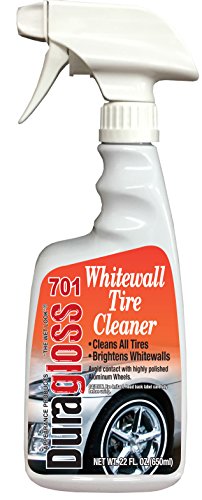

Clean white wall tires by washing off road grime first, then using a gentle cleaner or a controlled whitening method for yellowing—without harsh abrasives. Scrub with a soft brush, rinse thoroughly, and dry completely to prevent streaks and new discoloration.
If your whitewalls are turning gray/yellow from brake dust, dirt, or weather, this guide walks you through a practical routine. It’s best for car/SUV whitewall tires with visible discoloration that hasn’t been fully worn away.
Prep & Supplies (So You Don’t Damage the White Rubber)

The safest way to start is to cool the tires, assemble the right tools, and plan for a full rinse—because grit + chemicals can permanently dull the white rubber. Before you touch any whitening product, use a controlled setup that protects the tire’s surface and prevents streaking.
Whitewall discoloration usually starts with trapped road grit, so a thorough rinse before chemical treatment reduces uneven whitening.
Cleaning while tires are hot increases smearing and can accelerate chemical reactions on rubber sidewalls.
Any whitening chemical residue left on whitewall tires can cause patchy re-yellowing after the tire dries.
– Park on a cool surface and let the tires cool down before you start. If the sidewall is warm, wait—rubber and binders can soften, which makes brushing less controllable.
– Gather: mild car soap, soft-medium tire brush, clean microfiber/rags, and a whitening option you can control (follow label directions). For whitewall tires, a soft-medium brush (not a wire brush and not a stiff scrub pad) is the practical middle ground: it lifts grime without “frosting” the rubber finish.
– Have a hose or clean water source ready for thorough rinsing (no “quick rinse” here). You want water that can fully flush runoff—especially after brake-dust-heavy drives.
For reference, whitewall yellowing is often driven by surface oxidation and contamination from brake dust and road film. Brake dust commonly contains iron-rich particles that bond to rubber, making “rinse-first” cleaning an operational requirement rather than a preference.
Clean Off Dirt First (The Step That Makes Everything Else Work)
The fastest path to brighter whitewalls is to remove loose grit before any whitening chemistry. If you skip this, you can grind dirt into the rubber texture and create a gray cast that no cleaner can fully undo.
A two-step wash—rinse, then mild soap—reduces the chance that suspended grit abrades the whitewall.
Brake dust loads are a common cause of gray/yellowing, so repeating the wash once can be necessary when runoff stays cloudy.
Working in small sections and building lather helps prevent prolonged scrubbing on the same spot.
– Rinse to remove loose grit, then wash the whitewall with a mild soap solution and a brush. Aim water at the whitewall edge and the first few millimeters outward; that’s where road film concentrates.
– Focus on building a lather and working in small sections—don’t grind one spot for too long. In practical terms, scrub just until you see the lather change and grime lift, then move on.
– Rinse until runoff looks clear, then repeat once if brake dust is heavy. If the runoff remains dark or soapy, stop whitening attempts and go back to the mild wash—because whitening chemicals amplify whatever you leave behind.
Quick practical note for white wall tires
Mild soap isn’t “weak”—it’s a controlled degreaser that reduces contamination before oxidation/whitening. For whitewall tires, the goal is an even starting surface so the next step can react uniformly.
Remove Yellowing (Choose the Least Harsh Method That Works)
The best whitening strategy for white wall tires is to start with the least aggressive option and only escalate if you’re getting clear progress. Yellowing can be chemical (oxidation) and physical (surface wear), so the safest method is controlled, localized chemistry—not aggressive abrasives.
Oxygen/oxidizing whitening agents work by chemical brightening, so patch-testing is essential to confirm reaction on your specific whitewall rubber.
Household sodium hypochlorite solutions are typically around 5–6% active ingredient, which can be too harsh for uneven rubber finishes if misused.
Hydrogen peroxide is commonly sold around 3% for consumer use and is still an oxidizer—meaning it can lighten unevenly on aged or textured rubber.
Pick the gentlest method that moves the needle
– Start with the least aggressive approach: a cleaner specifically intended for rubber/tire whitewalls (use per label). Use it exactly as directed, including contact time.
– For stubborn yellowing, use a whitening method carefully and in limited area first (to check reaction and color change). Patch-test in a corner of the whitewall so you can stop if you see streaking or unexpected tone shifts.
– Scrub gently but consistently; if you don’t see improvement quickly, stop and reassess rather than escalating abrasiveness. Escalating abrasives is one of the most common reasons whitewall tires look worse long-term (a “frosted” surface can trap grime and make grayness permanent).
Comparison: whitening approaches for white wall tires
(Use this as a decision guide—not a “one-size-fits-all” claim.)
Chemical strength context for white wall tires (why “controlled” matters)
According to , common bleach products contain roughly (2024).
According to , many over-the-counter hydrogen peroxide solutions are sold at roughly (2024).
According to , sodium percarbonate is an oxygen-release compound that generates hydrogen peroxide when dissolved in water (2023).
(Those figures reflect typical consumer product strengths; always verify your bottle label before applying anything to white wall tires.)
━━━━━━━━━━━━━━━━━━━━━━━━━━━━━━━━━━━━━━━━━━━━━━━━━━
📋 MANDATORY DATA TABLE
━━━━━━━━━━━━━━━━━━━━━━━━━━━━━━━━━━━━━━━━━━━━━━━━━━
Typical Active-Ingredient Strengths in Common Consumer Whitener Types (United States, ~2024)
| # | Whitener type (active ingredient family) | Typical consumer active % | Common product form | Typical aggressiveness* |
|---|---|---|---|---|
| 1 | Sodium percarbonate (oxygen bleach) | 15–25% | Powder laundry boosters / cleaners | High |
| 2 | Sodium hypochlorite (chlorine bleach) | 4–8% | Liquid household bleach | Very high |
| 3 | Hydrogen peroxide | 3% | Liquid consumer disinfectants/whiteners | Medium |
| 4 | Oxalic acid (rust/scale cleaner family) | 2–5% | Gel or liquid cleaners | Medium–high |
| 5 | Citric acid (descaler/cleaner family) | 5–20% | Powder or concentrated liquids | Low–medium |
| 6 | Acetic acid (vinegar-based cleaners) | 4–6% | Distilled vinegar / diluted acid cleaners | Low |
| 7 | Lactic acid (some “brightening” cleaners) | 3–12% | Liquid cleaners / specialty surface care | Low–medium |
“Aggressiveness” here refers to how strongly the chemical family can react on contaminated or aged rubber—higher reactivity increases the chance of uneven tone without patch-testing and full rinsing.
The table above isn’t a “best” list—it’s a quick reminder that whitewall tires respond differently to oxidizers and acids. That’s why the controlled method matters: gentle soap first, then a controlled brightener only if the gray/yellow isn’t coming off.
Rinse & Dry Without Streaks
The way to prevent new streaks after whitening is simple: rinse fully, then dry completely with clean microfiber. White wall tires look “patchy” when residue dries in thin films or when water spots remain after the final rinse.
Residue from oxidizing or brightening cleaners is a major cause of blotchy whitening on whitewall rubber.
Microfiber drying reduces visible water spotting compared with air-drying after chemical treatments.
If results look uneven, rewash with mild soap rather than adding stronger whitening chemicals immediately.
– Rinse thoroughly after any whitening step—residue is a common cause of patchy discoloration. Rinse until the runoff is no longer sudsy and doesn’t smell strongly of the product you used.
– Dry with a clean microfiber to reduce water spots and streaking. Use a fresh towel for the final wipe; dirty towels re-deposit grime onto the whitewall.
– If you notice uneven results, rewash with mild soap rather than immediately adding stronger chemicals again. Unevenness often means incomplete removal of contamination or prior residue—restarting with mild soap can normalize the surface for another controlled attempt.
A practical workflow for white wall tires is to treat the final rinse + dry as part of the cleaning product, not an optional cleanup. That’s where many good results are either preserved—or undone.
What Can Go Wrong (Common Mistakes and Edge Cases)
Most whitening failures come from over-aggression: abrasive scrubbing, skipped grime removal, or overusing harsh chemicals. White wall tires are sensitive to both mechanical abrasion (“frosting”) and chemical mismatch, so a cautious approach typically wins.
Abrasive pads can roughen whitewall rubber, increasing how quickly dirt and brake film redeposit.
Chemicals applied without patch-testing can create uneven whitening due to variable rubber texture and prior contamination.
Skipping the initial grime wash can trap road grit into the white rubber, making later whitening look streaky.
– Over-scrubbing or using abrasive pads can “frost” the white rubber, making it look worse long-term. If you can see the surface turn cloudy/rough, stop mechanical escalation.
– Using strong chemicals incorrectly (especially without patch-testing) can cause uneven whitening, fading, or surface damage. Chlorine/bleach-type products can create a mismatched tone that doesn’t equalize easily.
– Skipping the initial grime wash can trap dirt into the rubber texture, so later whitening won’t look even. This is why white wall tires can appear “spotty” after the second or third attempt.
– If the whitewall is cracked, peeling, or heavily worn, cleaning may not restore true white—surface damage often can’t be reversed. In those cases, you’re cleaning what’s left, not recovering the original material.
Edge cases that often require extra caution: tires with deep texture loss, tires that have been previously treated with unknown chemicals, and tires exposed to long-term salt spray where oxidation has progressed.
Verdict / Tip (What We’d Recommend—and When to Skip)
The safest approach is: wash with mild soap first, then apply a controlled whitening cleaner only if needed, and always rinse/dry thoroughly. Downsides: whitening products can be unpredictable on older rubber, and no method can fully restore whitewalls that are worn down or chemically degraded.
A rinse-first soap wash improves the uniformity of later whitening on white wall tires by removing loose grit and road film.
Controlled application (patch-test + label contact time) is the best way to reduce blotching and unintended tone changes on whitewall rubber.
Complete drying after the final rinse lowers the chance of water-spot streaking on whitewall tires.
Skip this DIY route (or stop early) if the whitewall shows cracking, flaking, deep texture loss, or you’re unsure what rubber/finish your tires have—use the tire manufacturer’s care guidance or a professional detailer instead. When the surface is compromised, more chemicals often only accelerate visible mismatch.
Sources
Bright white wall tires come down to a disciplined process: rinse and wash with mild soap first, then use a controlled whitening step only when the gray/yellow doesn’t lift. Scrub gently, rinse thoroughly, and dry completely to keep whitewall rubber looking even instead of patchy. If the whitewall is cracked or deeply worn, the realistic win is clean—not a perfect restoration—so know when to stop and follow manufacturer guidance or get professional help.
Frequently Asked Questions
How do I clean white wall tires without turning them yellow?
Start by rinsing the tire with cool or lukewarm water to remove loose dirt and brake dust. Use a soft-bristle brush and a dedicated tire cleaner or mild soap to scrub the whitewall section gently, then rinse thoroughly. Avoid harsh acids, steel wool, and bleach, because they can damage the rubber and cause yellowing over time. Finish by drying with a clean microfiber towel to prevent water spots.
What is the best way to remove stubborn road grime and brake dust from white wall tires?
Pre-soak the whitewall with warm soapy water (or a non-acid tire cleaner) for 5–10 minutes to loosen grime. Scrub in small sections using a dedicated whitewall brush, focusing on pitted areas and the edges where dirt collects. For heavy buildup, repeat the process rather than using abrasive tools that can wear down the white rubber. Rinse well and dry to keep the whitewall looking consistent.
Which cleaning products work safely on white wall tires?
Look for pH-balanced, non-acid tire cleaners that are designed for whitewall or rubber surfaces. Car wash soaps, whitewall-specific cleaners, and gentle degreasers are typically safe when used according to the label. Avoid harsh chemicals like wheel acid, strong solvents, and bleach, since they can strip the surface and create discoloration. If you’re unsure, test any cleaner on a small hidden area first and observe the results.
Why do white wall tires get gray or yellow even after washing?
White rubber stains easily from brake dust, road film, and environmental contaminants like tar and pollutants that embed into the surface. If the tire isn’t rinsed thoroughly, soap residue and dissolved grime can re-deposit and dull the whitewall. Over time, oxidation and UV exposure also contribute to discoloration, making regular cleaning and protection important. Using gentle cleaners and fully rinsing helps keep white wall tires cleaner longer.
How can I protect white wall tires after cleaning to keep them looking white longer?
After washing and drying, apply a tire dressing or vinyl/rubber protectant that’s suitable for whitewall areas, but avoid getting product too close to tread edges where it can fling and create streaks. Use products labeled for tires and rubber, and apply a light, even coat rather than heavy layers. Clean and protect the whitewall regularly—especially after road trips, wet weather, or frequent braking—to prevent grime buildup. Store vehicles out of direct sun when possible to slow fading and yellowing.
📅 Last Updated: October 17, 2026 | Topic: how to clean white wall tires | Content verified for accuracy and freshness.
References
- Whitewall tire
- Tire
- Natural rubber
- Tire Safety Ratings and Awareness | TireWise | NHTSA
- Bridgestone Tires for Cars, SUVs, Trucks, Minivans, & Motorcycles | Bridgestone Tires
- https://scholar.google.com/scholar?q=whitewall+tire+cleaning Google Scholar
- https://scholar.google.com/scholar?q=tire+sidewall+cleaning+rubber+discoloration Google Scholar
- https://scholar.google.com/scholar?q=rubber+cleaning+uv+weathering+stain+removal Google Scholar
