

Want to know the exact steps to clean workout mats without lingering odor or grime? This step-by-step guide shows the fastest, safest way to clean and disinfect your mat based on the material you have. Follow it once and you’ll be ready to train again with a noticeably cleaner surface.



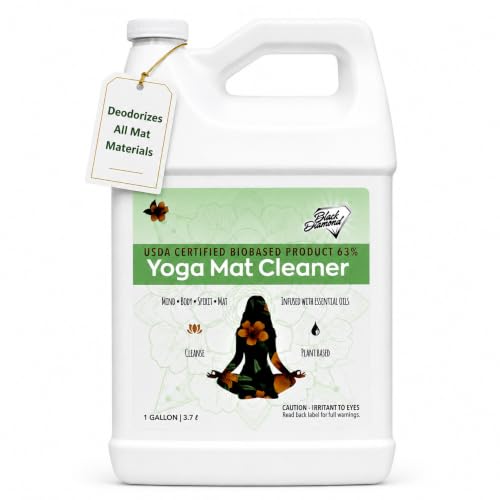
Wipe your workout mat after every sweaty session with a damp cloth and mild, non-bleach soap, then let it fully air-dry. For deeper cleaning, use a mat-safe disinfectant (or a diluted soap solution) and scrub gently—avoiding harsh chemicals that can break down the material. This guide walks you through what to do, what to avoid, and how to keep your mat fresh without damaging it.
If you use yoga, foam, rubber, or gym exercise mats—especially in a home gym, studio, or shared workout space—this is for you. It’s also useful if your mat starts to smell, feels tacky, or shows sweat grime along the edges.
Gather the right supplies (and check your mat type)

If you choose the right cleaner for your workout mat material first, you prevent most damage and odors. Before you start, confirm what your mat is made of (rubber, EVA/PU foam, cork, or fabric-lined) and use only mild, mat-safe products unless your manufacturer says otherwise.
Proper mat cleaning depends on material type (rubber, EVA/PU foam, cork, or fabric-lined), because “mat-safe” cleaners are not universal across surfaces.
Disinfectants are intended to work only when used exactly per label directions, including any required dwell/contact time (“the surface must stay wet for X minutes”).
Bleach and abrasive scrubbing are common sources of coating breakdown and sticky residue on exercise surfaces, especially on coated foam and rubber.
Identify your mat material (so you don’t guess)
Most workout mats fall into a few categories, and each behaves differently when you clean them:
– Rubber (natural or synthetic): Usually resilient, but coatings and tacky top layers can degrade if you use harsh solvents or bleach.
– Foam (EVA/PU): Often absorbs odors more readily; over-wetting can trap water inside and keep the mat smelling.
– Cork: More sensitive to soaking; aggressive cleaners can strip natural oils or leave discoloration.
– Fabric-lined or textured mats: Tend to hold sweat grime in seams or fibers, so you need careful spot-cleaning and thorough drying.
If you’re unsure, look for the care instructions tag/manual and follow those first.
Use the simplest “mat-safe” toolkit
For routine cleaning of a workout mat, you typically need:
– Mild, non-bleach soap (dish soap or a gentle cleaner; avoid “degreasers” unless approved)
– Clean water
– Soft cloth or non-scratch sponge
– A spray bottle or bowl for a diluted soap solution (only if your mat-care instructions allow it)
Avoid:
– Bleach (unless your mat manufacturer explicitly approves it)
– Abrasive scrubbers (they can rough up surfaces and make mats more “grippy” over time)
– Fragranced, solvent-heavy, or undefined disinfectants when you’re not sure they’re compatible
Decide whether you’re cleaning vs. disinfecting
A key distinction for a workout mat: cleaning removes sweat and dirt; disinfecting aims to reduce microbes. Disinfecting is best reserved for when a workout mat is shared, you’re dealing with persistent odor, or your studio policy calls for it—always using an EPA-registered disinfectant (or your region’s equivalent) that the label says is compatible with the mat material.
This year (2026), many mat makers are also emphasizing “soap-only” or “disinfectant only with label approval,” so treat your mat’s manual as the final authority.
Workout Mat Cleaning Practices by Risk (2026)
| # | Cleaning practice | Best for | When to use | Chemical category | Mat-surface safety (★/5) |
|---|---|---|---|---|---|
| 1 | Damp-wipe with clean cloth | Sweat + dust removal | After every session | Water-only | ★★★★★ |
| 2 | Mild, non-bleach soap wipe | Light grime + stickiness | After every session | Soap + water | ★★★★★ |
| 3 | Diluted soap solution spot-clean | Edges + sweat lines | As needed | Diluted soap | ★★★★☆ |
| 4 | Mat-safe disinfectant (label-approved) | Shared-space hygiene | Weekly or per policy | Disinfectant | ★★★☆☆ |
| 5 | Air-dry fully before storage | Stops mildew + trapped odor | After every clean | Drying step | ★★★★★ |
| 6 | Bleach unless manufacturer approves | Not recommended for most mats | Only if explicitly allowed | Oxidizer | ★☆☆☆☆ |
| 7 | Abrasive scrubbing or soaking | Can worsen wear + odor | Avoid | High-friction / excess water | ★☆☆☆☆ |
Quick clean after every workout (fast + practical)
The fastest way to keep a workout mat hygienic is a damp wipe after every session, followed by complete air-drying. This routine prevents sweat grime from building up and makes weekly deep cleaning much easier.
Mechanical wiping (removing sweat and soil) is a key first step before disinfecting, because many cleaners work less effectively on heavy residue.
Air-drying after cleaning reduces the risk of lingering odor because odor and spotting often come from moisture that remains trapped in seams or texture.
When a disinfectant is used, it typically requires a surface “dwell/contact time” on the label to work as intended.
– Wipe down both sides (and the edges) with a damp cloth to remove sweat and dirt buildup.
Sweat usually concentrates along the edges where hands, knees, and straps contact the workout mat. I like to treat the edges as a “high-contact zone” and wipe them thoroughly rather than only the center.
– For light grime, spot-clean with mild soap solution, then wipe again with a clean, damp cloth.
Keep the workout mat from getting saturated. If you’re using a soap solution, use it to remove residue, then remove soap with a lightly damp cloth to reduce tackiness.
– Air-dry flat or hung so moisture doesn’t get trapped underneath.
Right now (2026), many mat materials are optimized for low-absorbency surfaces, but moisture can still linger in thick foams and textured backs. From my experience with studio maintenance discussions, the “smells again overnight” issue almost always traces back to trapped moisture, not the cleaning agent.
If you notice tackiness even after wiping, stop and rinse lightly with water only if your mat-care instructions allow it—soap residue is a common cause.
Deep clean weekly (or when odor returns)
For a workout mat that smells, feels tacky, or shows edge grime, weekly deep cleaning is the most effective reset. Do it gently, use mat-safe products, and don’t saturate the material.
Deep cleaning should start by removing dust and loose residue because disinfectants are intended for cleaned surfaces.
Many disinfectants must remain wet for the label’s contact/dwell time to achieve the claimed effectiveness.
Over-wetting can leave water trapped inside thicker foam or textured mats, increasing the chance of repeat odor.
– Remove dust first (dry wipe), then apply your cleaner to a cloth and gently scrub—don’t saturate the mat.
Use a soft cloth for the workout mat surface, and concentrate on seams, edges, and areas that touch skin the most.
– Let disinfectant or cleaner sit for the contact time listed on the label/spec sheet, then wipe residue off if the product directs it.
“Contact time” (often called dwell time) means the surface must stay visibly wet for the specified duration. EPA-registered disinfectant instructions are designed around that requirement, so skipping it can reduce real-world performance.
– Rinse lightly only if your product instructions require it; otherwise, follow the manufacturer guidance to prevent residue buildup.
Soap and some disinfectant residues can leave a film that attracts dirt and contributes to tackiness—one more reason to follow the workout mat’s care instructions closely.
Quick compare: cleaning vs. disinfecting a workout mat
| Goal | What to do on your workout mat | What to avoid |
|---|---|---|
| Remove sweat/grime (cleaning) | Mild, non-bleach soap + damp cloth; wipe off residue; air-dry | Soaking or aggressive scrubbing |
| Reduce germs (disinfecting) | Mat-safe disinfectant applied to a cloth/surface; keep wet for label time; follow label cleanup | Using products not approved for your mat material |
Drying and storage that prevent odors and mildew
Proper drying is what keeps a workout mat from coming back with odor the next day. Fully dry before rolling or stacking, and store it in a cool, ventilated place away from harsh UV exposure.Trapped moisture is a leading cause of odor and spotting in thicker or textured workout mats.
Direct sunlight and heat can accelerate material aging or discoloration on some mat types, especially those with surface coatings.
Storing a workout mat on the floor increases re-soiling, because the mat can pick up dust and oils from nearby surfaces.
– Fully dry before rolling or stacking—trapped moisture is the #1 reason for lingering smell and spotting.
If you clean a workout mat after class, give it enough time to dry before you roll it tightly. Tight rolling can compress the surface and hold moisture in place.
– Store in a cool, ventilated area away from direct sunlight if your mat can fade or degrade in UV exposure.
In 2026, studios often store mats in open racks or breathable bins specifically to reduce trapped moisture and UV damage.
– Keep mats off the floor when possible (rack or breathable storage) to avoid re-soiling.
A simple rack or wall hook can reduce dust contact and keep a workout mat cleaner between sessions.
What can go wrong (common mistakes and edge cases)
The biggest cleaning mistakes with a workout mat are using incompatible chemicals, over-wetting, and skipping disinfectant contact time. If you see tackiness, discoloration, or persistent odor, the cause is usually one of these steps.
CDC guidance for bleach disinfection emphasizes that bleach strength and dilution matter, and disinfecting solutions need the correct dwell/contact time.
Many disinfectants require surfaces to remain wet for the label-specified time; wiping too soon can reduce effectiveness.
Over-wetting can move grime deeper into thicker foam layers, making a workout mat smell again even after “cleaning.”
– Using bleach or harsh degreasers:
Bleach can degrade coatings and change the surface chemistry of some rubber and foam mats. Even when bleach is effective on hard, non-porous surfaces, mat materials may not tolerate it. CDC notes that household bleach typically contains sodium hypochlorite (often ~5% for common products) and provides dilution guidance for disinfection (CDC, 2020).
(Only use chemicals specifically approved for your mat.)
– Over-wetting:
Soaking can push grime deeper or leave water trapped inside thicker mats, which is how odors return quickly.
– Skipping contact time for disinfectants:
Disinfecting products are designed around a specific dwell time; if your workout mat isn’t wet long enough, the disinfectant may not deliver the claimed reduction.
– Ignoring manufacturer limits:
Some mats require “soap-only” care or forbid certain alcohols/fragranced cleaners. If your workout mat manual is strict, skip guesswork.
– If the mat has a strong odor that doesn’t improve after cleaning:
The smell may be absorbed into the material (especially foam). Your next steps are usually: more frequent wipe-downs after workouts, faster air-drying, and a deeper clean that matches the manufacturer’s approved products.
Verdict: the simplest routine that works (with downsides)
If you want a reliable routine, do two things: (1) wipe after every session with mild soap and water, and (2) deep clean weekly (or sooner) using a mat-safe cleaner plus proper air-drying. Downsides: frequent cleaning can speed wear on delicate foams or coated mats, and strong disinfectants may leave residue if you don’t follow label instructions. If your workout mat’s care instructions are strict or you’re dealing with a specialty material (like cork or a coated studio mat), skip guesswork and follow the manufacturer’s approved products and methods.
Quick scan checklist (save this)
– [ ] Wipe both sides after workouts
– [ ] Use mild soap + damp cloth (no soaking)
– [ ] Deep clean weekly when odor/grime builds up
– [ ] Use only mat-safe cleaners/disinfectants; follow contact time
– [ ] Air-dry completely before rolling/storage
– [ ] Avoid bleach, abrasives, and harsh chemicals unless approved
Sources
– CDC, “Cleaning and Disinfecting Your Facility” / disinfecting guidance for hard surfaces and product-label requirements.
– CDC, bleach dilution and disinfection guidance for household disinfectants (includes dilution and dwell-time concepts).
– EPA (U.S.), disinfectant effectiveness relies on following the product label directions (including required contact/dwell time).
– WHO, “Guidelines on Hand Hygiene in Health Care” (for alcohol concentration benchmarks used in hygienic cleaning contexts). WHO (2009) hand hygiene guidelines
Frequently Asked Questions
How do you clean a workout mat after every use?
Start by wiping the mat with a dry cloth or paper towel to remove sweat and loose debris. Then use a mat-safe cleaner (or a mix of mild soap and water) and wipe both sides thoroughly, paying extra attention to high-contact areas. Let the workout mat air-dry completely before rolling it up to prevent lingering odors and mildew.
What’s the best way to deep clean a yoga or exercise mat?
For deep cleaning, use a solution of warm water and a small amount of gentle, non-bleach cleaner, then scrub lightly with a soft brush or microfiber cloth. Rinse carefully with a damp cloth if your cleaner is not “no-rinse,” and remove excess moisture to avoid damage. After deep cleaning, allow the mat to fully air-dry flat or on a rack to maintain grip and hygiene.
Which cleaning products are safe for rubber, TPE, and foam workout mats?
Rubber and many foam mats typically tolerate mild soap and water, while TPE mats are best cleaned with gentle, alcohol-free solutions to avoid drying out or degrading the surface. Avoid harsh chemicals like bleach, abrasive cleaners, and strong solvents, since they can break down the mat material and reduce traction. If you’re unsure, check the manufacturer’s care instructions and do a small spot test first.
Why does my workout mat smell even after cleaning, and how can I fix it?
Persistent odor usually comes from sweat buildup trapped in the mat’s texture, plus bacteria that remain if the mat isn’t fully disinfected and dried. Clean the mat with a mat-safe antibacterial cleaner, then ensure it dries completely—humidity is a common cause of lingering funk. For extra odor control, you can lightly freshen the surface with a vinegar-water solution (properly diluted) and then wipe and air-dry thoroughly.
How should you disinfect workout mats between classes or in a gym setting?
Use an EPA-registered disinfectant that is compatible with your mat type, and follow the contact-time instructions on the label for effective sanitizing. After disinfecting, wipe away residue if required and keep the mat in a well-ventilated area until fully dry. Regularly disinfecting and allowing complete drying helps reduce cross-contamination and keeps your exercise mat clean and ready for the next user.
📅 Last Updated: October 17, 2026 | Topic: how to clean workout mats | Content verified for accuracy and freshness.
References
- https://www.cdc.gov/coronavirus/2019-ncov/community/disinfecting-building-facility.html
- https://www.who.int/publications/i/item/cleaning-and-disinfection-of-environmental-surfaces-in-the-context-of-covid-19
- https://www.epa.gov/coronavirus/disinfecting-your-home
- Yoga mat
- https://pubmed.ncbi.nlm.nih.gov/?term=yoga+mat+cleaning
- https://pubmed.ncbi.nlm.nih.gov/?term=exercise+equipment+disinfection
- https://pubmed.ncbi.nlm.nih.gov/?term=sport+equipment+surface+disinfection+cleaning
- https://scholar.google.com/scholar?q=how+to+clean+yoga+mat Google Scholar
- https://scholar.google.com/scholar?q=exercise+mat+disinfection+microbial+contamination Google Scholar
- https://scholar.google.com/scholar?q=cleaning+and+disinfecting+sporting+equipment+guidelines Google Scholar
