
Cleaning your grill after a grease fire is critical for ensuring both safety and the longevity of your cooking appliance. A thorough cleaning process helps remove harmful residues that could lead to future fires or health hazards. This guide will walk you through the necessary steps to effectively clean your grill, making it safe and ready for your next grilling session.


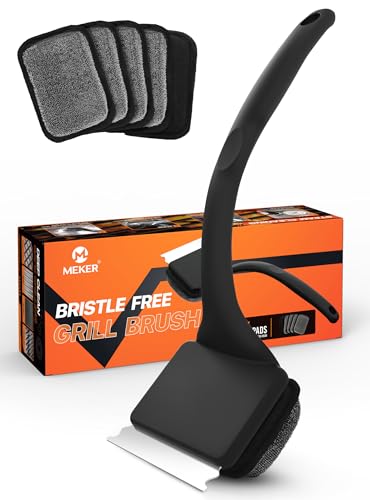

Assess the Damage

Before diving into the cleaning process, it’s crucial to assess the damage caused by the grease fire. Inspect the grill for any signs of structural damage, such as warped grates or compromised metal components. Pay particular attention to the following areas:

– Grill Body: Check for any dents, cracks, or melted sections that could affect the grill’s functionality.
– Burners and Hoses: Ensure that gas lines or propane hoses show no signs of damage. If they appear compromised, they should be replaced immediately.
– Ignition System: Look for any issues with the ignition system, which may need repair or replacement if damaged by the fire.
If you notice any compromised parts, consult the manufacturer’s guidelines or a professional before proceeding with cleaning to ensure your grill is safe to use.
Safety Precautions


Safety should always be your top priority when dealing with a grill that has experienced a grease fire. Here are essential precautions to take:
– Protective Gear: Wear gloves and a mask to safeguard against inhaling soot, debris, or cleaning chemicals. Eye protection is also recommended.
– Disconnect Power and Gas: Ensure that the grill is completely disconnected from any gas supply or electrical sources. For propane grills, turn off the gas tank and disconnect the hose.
By following these safety precautions, you minimize the risk of injury while cleaning.
Initial Cleaning Steps

The initial cleaning steps are vital to remove the bulk of the burnt residue. Begin by following these actions:
– Remove Detachable Parts: Take out the grill grates, heat shields, and any other removable components. These parts can be cleaned separately, making the job more manageable.
– Scrape Off Debris: Use a metal scraper or a stiff brush to remove large charred pieces and ash from the grill’s interior. Be cautious during this process to avoid damaging any surfaces.
After completing these initial steps, your grill should be ready for a more thorough cleaning.
Common Grill Types and Cleaning Difficulty (2024)
| # | Grill Type | Material | Cleaning Difficulty | Maintenance Frequency |
|---|---|---|---|---|
| 1 | Charcoal Grill | Steel | High | After each use |
| 2 | Gas Grill | Stainless Steel | Medium | Monthly |
| 3 | Electric Grill | Aluminum | Low | After each use |
| 4 | Pellet Grill | Wood | Medium | Every 5 uses |
| 5 | Infrared Grill | Ceramic | Medium | Monthly |
| 6 | Portable Grill | Steel | High | After each use |
| 7 | Hybrid Grill | Stainless Steel | Medium | Monthly |
Deep Cleaning the Grill Body
Once you have removed the debris, it’s time for a deep cleaning of the grill body. This step is crucial for removing any remaining grease and burnt residues that could pose a fire hazard. Follow these steps:
– Prepare Your Cleaning Solution: Mix warm water with a degreasing agent specifically designed for grills. Common household items like vinegar or baking soda can also be effective.
– Scrub the Interior: Using a non-abrasive cleaning pad, scrub the interior surfaces of the grill thoroughly. Focus on areas where grease tends to accumulate, such as the walls and burners.
Ensure that you rinse the surfaces well with water after scrubbing, as any residue from the cleaning solution can affect the flavor of your food during cooking.
Cleaning Grill Grates
Grill grates often hold onto grease and grime, especially after a fire. Proper cleaning is essential to maintain their longevity and performance:
– Soak the Grates: Fill a sink or large container with warm, soapy water, and soak the grates for about 30 minutes. This will help loosen the burnt-on debris.
– Scrub with a Grill Brush: After soaking, use a grill brush to scrub the grates thoroughly. Pay close attention to the spaces between the grates, as these can harbor food particles and grease.
– Rinse and Dry: Once clean, rinse the grates thoroughly with water and dry them completely before reassembling them back onto the grill.
Final Touches and Maintenance
After completing the deep cleaning, it’s essential to finish up with some final touches:
– Exterior Cleaning: Wipe down the outside of the grill with a damp cloth and a mild cleaner. This will help remove any soot or stains from the exterior surfaces.
– Check for Remaining Grease: Inspect all areas of the grill for any lingering grease spots. Ensure that everything is clean and dry before reassembling and using the grill again.
Regular maintenance is key to ensuring your grill stays in top condition. Consider creating a cleaning schedule to keep your grill safe and ready for use.Best Grill Cleaning Products: A Comparison
| Product | ⭐ Easy-Off Grill Cleaner | Weber Grill Cleaner | Krud Kutter Grill Cleaner |
|---|---|---|---|
| Type | Spray | Spray | Liquid |
| Biodegradable | ❌ | ✅ | ✅ |
| Non-Toxic | ❌ | ✅ | ✅ |
| Streak-Free | ✅ | ✅ | ✅ |
| Ideal for | All Grills | Gas & Charcoal | Heavy-Duty |
| Size | 22 oz | 26 oz | 32 oz |
| Price | $6.99 | $9.99 | $12.99 |
| Availability | Widespread | Widespread | Select Retailers |
| Customer Rating | ★★★★☆ | ★★★★★ | ★★★★☆ |
| 🏆 Best For | General Use | Eco-Friendly Users | Heavy Cleaning |
Prevention Tips for Future Grilling
Preventing grease fires in the future is essential for safe grilling. Here are some proactive steps you can take:
– Avoid Overloading the Grill: When grilling fatty meats or foods, be mindful of the amount you place on the grill at once. Overloading can lead to flare-ups and increased grease buildup.
– Regular Cleaning: Implement a cleaning routine after each use to minimize grease accumulation. Regular maintenance helps prevent not only grease fires but also prolongs the life of your grill.
– Use the Right Temperature: Cooking at excessively high temperatures can cause grease to ignite. Use medium heat settings for grilling fatty foods to minimize flare-ups.
By adhering to these preventive measures, you can significantly reduce the risks associated with grease fires in the future.
Maintaining a clean grill after a grease fire is crucial for safe and enjoyable grilling experiences. By following these steps, you effectively remove hazards and prepare your grill for future use. Remember to stay vigilant about cleaning and maintenance to prevent similar incidents in the future.
Frequently Asked Questions
What should I do immediately after a grease fire on my grill?
After a grease fire on your grill, immediately turn off the burners and close the lid to suffocate the flames. If the fire is small and manageable, you can use a fire extinguisher rated for grease fires or sprinkle baking soda to help extinguish it. Always ensure you have a safe distance from the grill and call emergency services if the fire escalates.
How do I safely clean my grill after a grease fire?
To safely clean your grill after a grease fire, wait for it to cool completely before handling any components. Remove the grates and wash them with warm, soapy water, using a grill brush to scrub off any residue. Wipe down the interior with a mixture of vinegar and water to eliminate grease build-up, and inspect the burners and ignition system for any damage.
Why is it important to clean my grill after a grease fire?
Cleaning your grill after a grease fire is crucial to prevent future flare-ups and ensure safe cooking. Residual grease can ignite again, posing a significant fire hazard. Additionally, thorough cleaning helps maintain the longevity of your grill and ensures that your food remains safe and free from harmful contaminants.
What are the best products for cleaning a grill after a fire?
The best products for cleaning a grill after a fire include heavy-duty degreasers, grill cleaners, and natural solutions like vinegar and baking soda. Look for non-toxic and biodegradable options to ensure a safe cooking surface. A good grill brush with stainless steel bristles can also effectively remove charred debris and grease residue.
Which parts of the grill should I focus on cleaning after a grease fire?
After a grease fire, focus on cleaning the grill grates, burners, and drip pan, as these parts are most affected by grease accumulation. Be sure to check the interior walls of the grill for soot and residue, as well as any removable components that may have come into contact with flames. Properly cleaning these areas will help prevent future fire hazards and improve grill performance.
References
- https://www.cdc.gov/disasters/fires/prepare.html
https://www.cdc.gov/disasters/fires/prepare.html - https://www.nytimes.com/2021/06/03/realestate/how-to-clean-a-grill.html
https://www.nytimes.com/2021/06/03/realestate/how-to-clean-a-grill.html - Mayo Clinic
https://www.mayoclinic.org/healthy-lifestyle/consumer-health/in-season-cooking-tips-for-grilling/faq-20461449 - https://www.sciencedirect.com/topics/agricultural-and-biological-sciences/grill-cleaning
https://www.sciencedirect.com/topics/agricultural-and-biological-sciences/grill-cleaning - https://www.bbc.com/news/magazine-28163689
https://www.bbc.com/news/magazine-28163689 - Google Scholar Google Scholar
https://scholar.google.com/scholar?q=how+to+clean+grill+after+grease+fire - Google Scholar Google Scholar
https://scholar.google.com/scholar?q=grilling+safety+and+maintenance - Google Scholar Google Scholar
https://scholar.google.com/scholar?q=grease+fire+cleanup+methods - how to clean grill after grease fire – Search results
https://en.wikipedia.org/wiki/Special:Search?search=how+to+clean+grill+after+grease+fire - https://www.ncbi.nlm.nih.gov/search/research-articles/?term=how+to+clean+grill+after+grease+fire
https://www.ncbi.nlm.nih.gov/search/research-articles/?term=how+to+clean+grill+after+grease+fire
