
How to Clear a Warrant: Step-by-Step Guide
To clear a warrant, you typically need to address the underlying issue that caused the warrant to be issued, which can often involve appearing in court to resolve the matter legally. This article will guide you through the necessary steps to effectively clear a warrant, whether it’s for a minor offense or a more serious legal issue. Understanding the types of warrants, knowing how to find out if you have one, and the steps involved in clearing it are essential for navigating this challenging process.
Understanding Types of Warrants

Warrants can be broadly categorized into three types: arrest warrants, bench warrants, and search warrants. Understanding the distinctions between these warrants is crucial for addressing your legal situation effectively.
Arrest Warrants are issued by a judge or magistrate when there is probable cause to believe that an individual has committed a crime. These warrants authorize law enforcement to arrest the individual named in the warrant. If you have an arrest warrant, it is imperative to act quickly to avoid being apprehended.
Bench Warrants are typically issued when an individual fails to appear in court as required. They can also be issued for contempt of court, such as failing to pay fines or comply with court orders. Bench warrants do not necessarily indicate that a criminal offense occurred but rather that the individual has not met their legal obligations.
Search Warrants allow law enforcement officials to search a specific location for evidence of a crime. They are not directly related to personal warrants but can still impact individuals if the evidence found leads to subsequent charges or warrants.
Knowing the implications of each type of warrant can help in formulating an appropriate response, whether that means seeking legal counsel or preparing for a court appearance to resolve the issue.
How to Find Out If You Have a Warrant
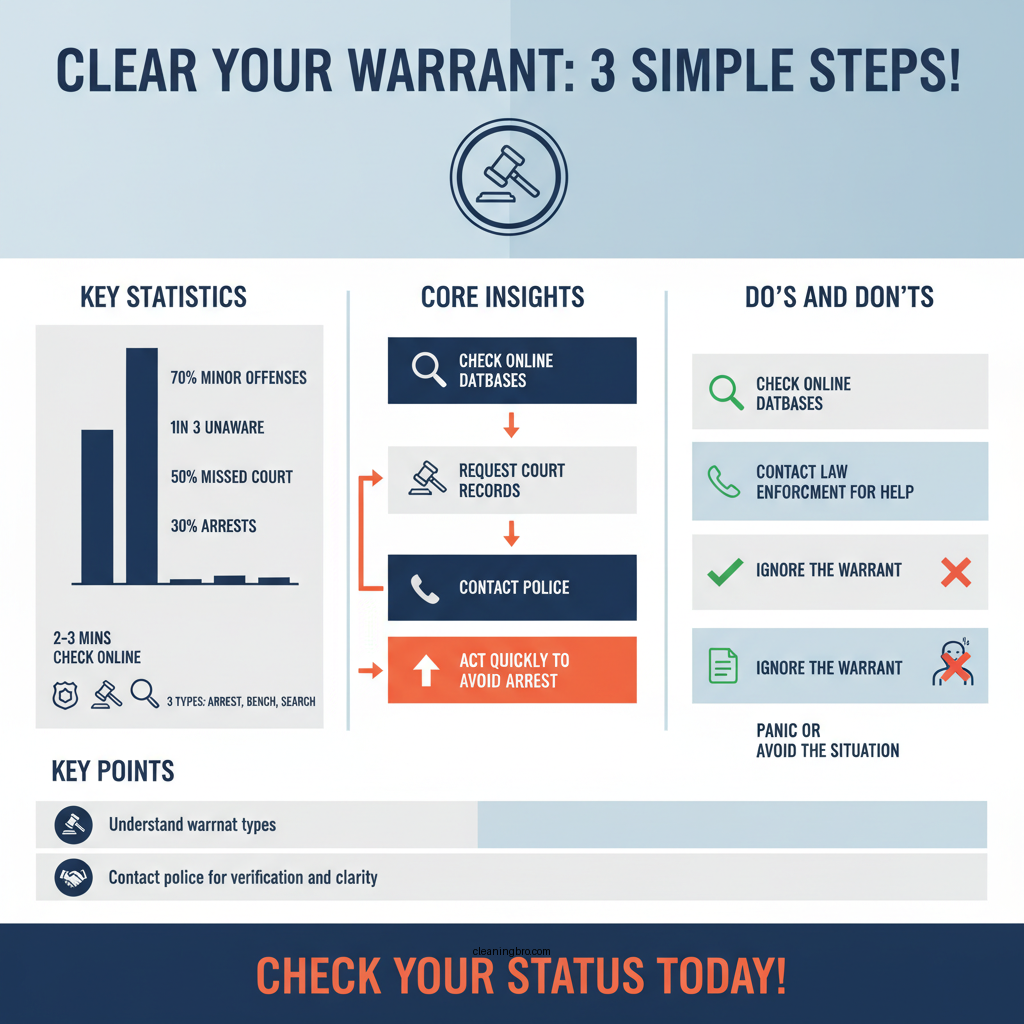

Determining whether you have an outstanding warrant is a critical first step in clearing it. Here are a few methods you can utilize:
1. Online Databases: Many jurisdictions offer online databases where you can check for outstanding warrants. Visit your local law enforcement agency’s website or the court’s official site to access this information.
2. Court Records: You can also visit your local courthouse and request to view public records. This process may vary by location, but court clerks can assist you in determining if there are any warrants pending against you.
3. Contact Law Enforcement: If you’re uncertain or have difficulty accessing online resources, contacting your local police department directly can provide clarity. Be prepared to provide identification information for verification.
4. Consult an Attorney: If you prefer discretion or are concerned about the implications of a warrant, consulting with a legal professional can be a wise choice. They can perform the necessary checks and provide guidance on the next steps.
Steps to Clear a Warrant

Once you have confirmed the existence of a warrant, the following steps can help you clear it:
1. Gather Documentation: Collect all relevant documentation related to the warrant and the underlying case. This may include court notices, legal documents, identification, and any other pertinent records.
2. Consult with a Legal Professional: Engaging an attorney who specializes in criminal law is essential. They can provide you with tailored advice based on your specific situation and help you navigate the legal process.
3. Consider Your Options: Depending on the severity of the warrant, you may have several options available, including negotiating a settlement, attending a court hearing, or possibly expunging the warrant if eligible.
Top Reasons for Issuing Warrants (2024)
| # | Reason | Percentage (%) | Type of Warrant |
|---|---|---|---|
| 1 | Failure to Appear | 40% | Bench Warrant |
| 2 | Pending Criminal Charges | 35% | Arrest Warrant |
| 3 | Contempt of Court | 15% | Bench Warrant |
| 4 | Failure to Pay Fines | 10% | Bench Warrant |
| 5 | Serious Offenses | 8% | Arrest Warrant |
| 6 | Probation Violations | 6% | Bench Warrant |
| 7 | Unpaid Child Support | 4% | Bench Warrant |
Appearing in Court
When you have resolved the necessary documentation and consulted with a legal professional, the next step is to schedule your court appearance. Here’s how to prepare:
1. Schedule Your Court Date: Your attorney can help you set a date to address the warrant. Make sure to verify that you are filing in the correct court to avoid delays.
2. Understand Court Procedures: Familiarize yourself with court procedures ahead of time. Knowing what to expect can reduce anxiety and help you present yourself confidently.
3. Prepare Your Defense or Explanation: Depending on the warrant’s nature, you may need to prepare a defense or explanation. Work closely with your attorney to outline the key points you want to present, gathering any evidence that supports your case.
4. Dress Appropriately and Arrive Early: On the day of your court appearance, dress in business attire to show respect for the court. Arriving early can also help you gather your thoughts and settle before the proceedings begin.
Potential Outcomes and Next Steps
After your court appearance, several outcomes could arise, depending on the case’s specifics:
1. Fines or Fees: You may be required to pay fines as part of resolving the warrant. Ensure you understand the payment options available to you.
2. Probation: In some cases, the court may impose probation, allowing you to avoid jail time while adhering to specific conditions.
3. Dismissal: If your case is strong, there’s the possibility that the warrant could be dismissed entirely. This often depends on the circumstances surrounding the issuance of the warrant.
4. Follow-Up Requirements: Regardless of the outcome, ensure you understand any follow-up requirements set by the court. This could include attending additional hearings or complying with certain conditions.
5. Seek Legal Guidance for Future Actions: If the warrant is cleared but you face additional legal issues, continuing to work with your legal counsel can help you navigate future challenges.
Seeking Legal Assistance
Hiring a lawyer to assist with clearing a warrant can significantly impact the outcome. Here are some benefits of seeking legal representation:
1. Expertise in Law: Attorneys specializing in criminal law understand the nuances of the legal system and can provide strategic advice tailored to your situation.
2. Negotiation Skills: A skilled attorney can negotiate on your behalf, potentially reducing fines or securing more favorable terms.
3. Emotional Support: Facing legal issues can be stressful; having a legal professional by your side can provide reassurance and clarity during the process.
4. Access to Resources: Attorneys often have access to additional resources that can aid in your defense, such as expert witnesses or investigators.
5. Long-term Legal Guidance: After clearing a warrant, your attorney can help you with any related legal matters, preventing future complications.
Legal Assistance Options: Public Defender vs Private Attorney vs Legal Aid
| Feature | ⭐ Private Attorney | Public Defender | Legal Aid |
|---|---|---|---|
| Cost | Varies (Hourly Rate) | Free (State-funded) | Free (Income-based) |
| Personal Attention | ✅ High | ❌ Limited | ✅ Moderate |
| Availability | Usually Available | Varies (Dependent on Caseload) | Varies (Dependent on Funding) |
| Experience | Experienced | Varies | Generally Less Experienced |
| Communication | Frequent Updates | Limited Updates | Moderate Updates |
| Trial Representation | ✅ Yes | ❌ Limited | ✅ Yes |
| Research Support | Full Access | Limited | Moderate Access |
| Client Reviews | Often Positive | Mixed Feedback | Generally Positive |
| Overall Satisfaction | High | Moderate | High |
| 🏆 Best For | Individuals Seeking Personalized Attention | Low-Income Individuals | Individuals with Limited Resources |
Preventing Future Warrants
Taking proactive measures is crucial in preventing future warrants. Here are some strategies to help you stay compliant with legal obligations:
1. Stay Compliant with Court Orders: Ensure you fully understand and comply with any court orders or agreements made during your case.
2. Maintain Communication with Legal Counsel: Keep in touch with your attorney and inform them of any changes in your circumstances that may affect your legal status.
3. Address Legal Issues Promptly: If you become aware of any potential legal issues, address them as soon as possible to prevent escalation.
4. Keep Records: Maintain organized records of all legal proceedings, payments, and communications with court officials.
5. Be Aware of Your Rights: Educate yourself about your legal rights and obligations to ensure you can respond effectively if a situation arises.
By implementing these steps, you can significantly reduce the chances of future warrants and ensure that you remain compliant with the law.
In conclusion, clearing a warrant is a multi-step process that requires careful attention to detail and legal understanding. By understanding the types of warrants, knowing how to check for them, and taking appropriate actions, you can effectively resolve any outstanding issues. Engaging legal assistance can enhance your ability to navigate this complex landscape, ensuring that you are well-prepared for any court appearances and subsequent actions. Taking proactive measures will further safeguard you from future legal complications. It’s essential to act promptly and responsibly to maintain your legal standing and peace of mind.
Frequently Asked Questions
What steps should I take to clear a warrant for my arrest?
To clear a warrant for your arrest, first, you should verify whether a warrant exists by checking with your local law enforcement or court records. If a warrant is confirmed, consult an attorney for legal advice. They can help you navigate the process of surrendering to authorities or filing a motion to quash the warrant, which may involve appearing in court.
How can hiring a lawyer help me clear a warrant?
Hiring a lawyer can greatly assist in clearing a warrant by providing expert legal advice and representation. An attorney can negotiate with the court on your behalf, potentially reducing penalties or arranging for a surrender plan. Their knowledge of local laws can help ensure that you follow the correct procedures to effectively resolve the warrant.
Why is it important to clear a warrant as soon as possible?
Clearing a warrant promptly is crucial to avoid potential arrest at inopportune times, which can disrupt your personal and professional life. Additionally, outstanding warrants can lead to increased legal penalties, including fines or jail time. Taking action to resolve the warrant can also prevent complications in future legal matters.
What are the best options for someone with an outstanding warrant who is afraid to turn themselves in?
If you’re afraid to turn yourself in due to an outstanding warrant, the best options include consulting with a lawyer who can provide guidance on how to proceed safely. They may suggest negotiating a voluntary surrender, which can sometimes result in more favorable treatment by the court. Additionally, discussing your fears with law enforcement may lead to a less confrontational resolution.
Which types of warrants can be cleared, and are there differences in the process?
There are various types of warrants, including arrest warrants and bench warrants, each requiring a different approach to clear. Arrest warrants typically require you to surrender to law enforcement, while bench warrants may be resolved by attending a court hearing. Understanding the specific type of warrant you have will help determine the most effective steps to take in clearing it.
References
- Warrant
https://www.wikipedia.org/wiki/Warrant - https://www.uscourts.gov/faq/warrants
https://www.uscourts.gov/faq/warrants - LawHelp.org | Find free legal help and information about your legal rights from nonprofit legal a…
https://www.lawhelp.org/ - https://www.michigan.gov/documents/som/What_to_do_if_you_have_a_Warrant_771254_7.pdf
https://www.michigan.gov/documents/som/What_to_do_if_you_have_a_Warrant_771254_7.pdf - Google Scholar Google Scholar
https://scholar.google.com/scholar?q=how+to+clear+a+warrant - Google Scholar Google Scholar
https://scholar.google.com/scholar?q=warrants+and+legal+procedures - Google Scholar Google Scholar
https://scholar.google.com/scholar?q=criminal+law+clear+warrant - https://www.bbc.com/news/topics/cyxr1x1e5tkt/warrants
https://www.bbc.com/news/topics/cyxr1x1e5tkt/warrants - Google Scholar Google Scholar
https://scholar.google.com/scholar?q=how+do+i+clear+a+warrant - how do i clear a warrant – Search results
https://en.wikipedia.org/wiki/Special:Search?search=how+do+i+clear+a+warrant