How to Clear Cloudy Pool Water: Simple Steps
To make cloudy pool water clear, start by testing the water chemistry, ensuring proper filtration, and using appropriate clarifying agents. This guide will walk you through the essential steps to restore your pool’s clarity quickly and effectively. Cloudy water can result from various factors, including imbalanced chemicals, inadequate filtration, and the presence of contaminants like algae and debris. By following these systematic steps, you can maintain a sparkling clean pool that is safe and enjoyable for swimming.
Test Your Water Chemistry
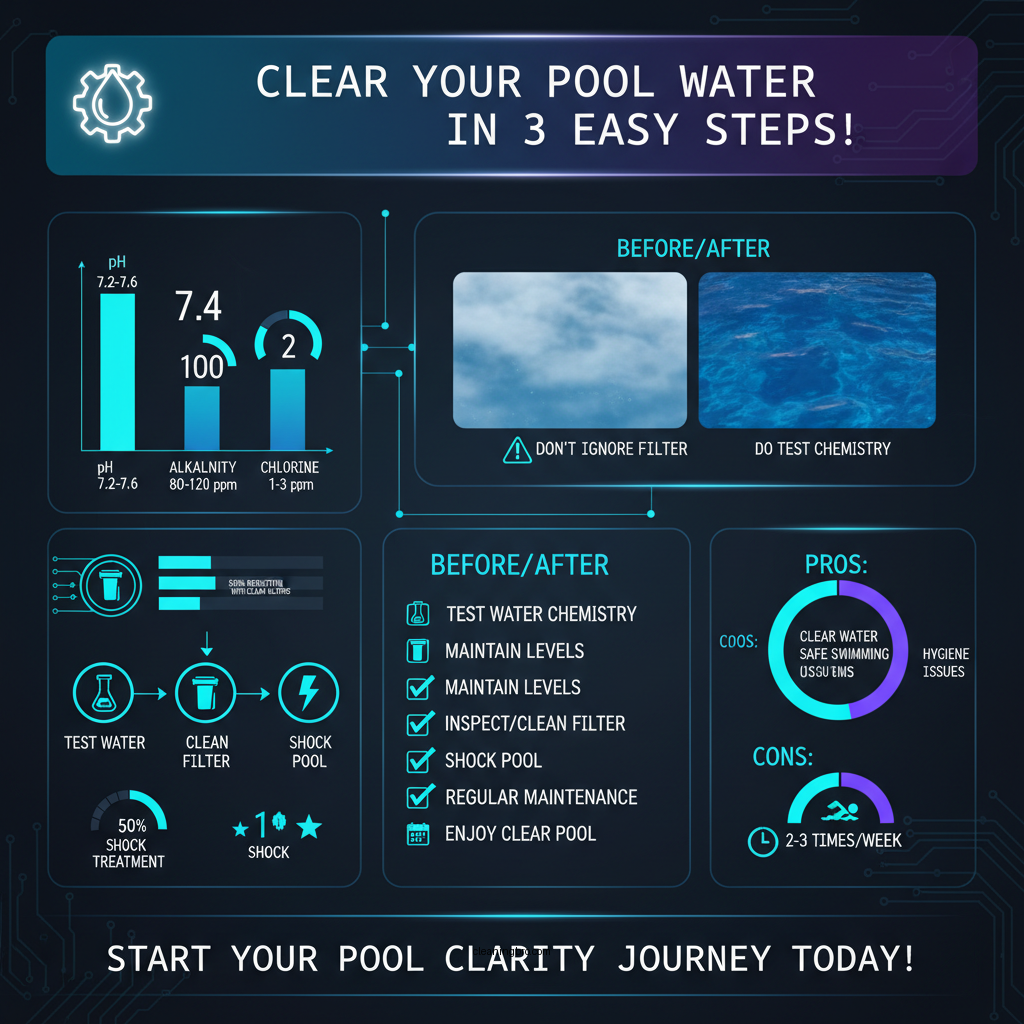
The first step in addressing cloudy pool water is to accurately test the water chemistry. This process involves using a reliable pool water test kit, which typically includes tests for pH, total alkalinity, and chlorine levels.
– pH Levels: The ideal pH range for pool water is between 7.2 and 7.6. A pH level below 7.2 can lead to corrosion of pool equipment, while a level above 7.6 can cause scale formation and reduce the effectiveness of chlorine.
– Alkalinity: Total alkalinity should be maintained between 80 and 120 ppm (parts per million). Proper alkalinity levels help stabilize pH levels, making it easier to maintain balanced water chemistry.
– Chlorine Levels: Free chlorine levels should be maintained between 1 and 3 ppm to effectively kill bacteria and algae. If chlorine levels are too low, it can lead to microbial growth, which contributes to cloudiness.
After testing, make necessary adjustments using pH increasers or decreasers, alkalinity buffers, and chlorine products to achieve optimal water chemistry.
Check and Clean Your Filter
Next, ensure that your pool’s filtration system is functioning optimally. A dirty or clogged filter can lead to poor water clarity.
– Inspect the Filter: Check for any visible signs of clogging, such as debris accumulation or pressure gauges indicating high pressure.
– Clean or Replace Filter Media: Depending on the type of filter you have (sand, cartridge, or diatomaceous earth), follow the appropriate cleaning protocol. For sand filters, a backwash may be necessary, while cartridge filters may require rinsing or replacing the cartridge altogether. Keeping the filter clean enhances its efficiency and ensures it can adequately remove particulates from the water.
Regularly maintaining your filter not only prevents cloudiness but also extends the life of your pool equipment.
Shock Your Pool
Shocking the pool is a crucial step in clearing cloudy water. This process involves adding a large dose of chlorine or non-chlorine shock to the water to eliminate contaminants.
– Choose a Shock Treatment: Chlorine shock is the most common option, but non-chlorine shock can also be effective for certain situations.
– Follow Dosage Instructions: The amount of shock needed depends on your pool size and current chlorine levels. It is vital to adhere to the manufacturer’s instructions for dosage to avoid overwhelming the pool with chemicals.
Shocking the pool not only helps to clear cloudiness but also effectively destroys chloramines, which are compounds that can cause odors and irritation.
Use a Clarifier or Flocculant
After shocking the pool, consider using a clarifying agent to enhance clarity further.
– Pool Clarifier: This product works by causing tiny particles suspended in the water to clump together, making them easier for the filter to remove.
– Flocculant: For more severe cloudiness, a flocculant might be necessary. Unlike clarifiers, flocculants cause particles to settle at the bottom of the pool, allowing you to vacuum them away easily.
Both products can restore water clarity significantly, but it’s essential to read the instructions carefully to avoid any adverse effects.
Top 7 Pool Clarifiers and Flocculants of 2023
| # | Product | Type | Dosage | Effectiveness |
|---|---|---|---|---|
| 1 | HTH Super Clarifier | Clarifier | 1 qt/10,000 gal | High |
| 2 | In The Swim Pool Flocculant | Flocculant | 1 qt/10,000 gal | Very High |
| 3 | Pool Mate Clarifier | Clarifier | 1 qt/5,000 gal | High |
| 4 | SwimClear Flocculant | Flocculant | 1 qt/15,000 gal | Very High |
| 5 | Bradford Products Ultra Clarifier | Clarifier | 1 qt/10,000 gal | Medium |
| 6 | Robarb Clarifier | Clarifier | 1 qt/10,000 gal | High |
| 7 | ClearView Pool Clarifier | Clarifier | 1 qt/5,000 gal | High |
Maintain Regular Cleaning Routines
Consistent cleaning is vital for maintaining pool clarity and preventing future cloudiness. Establishing a regular cleaning regimen can help you stay on top of pool maintenance.
– Surface Skimming: Skim the surface of the pool daily using a skimmer net to remove leaves, insects, and other debris. This prevents debris from sinking, which can lead to more significant issues.
– Vacuuming: Vacuum the pool at least once a week. Automatic pool vacuums can help you minimize manual effort while ensuring that debris is effectively removed from the bottom.
– Brushing: Brush the walls and tiles of the pool weekly to prevent algae growth and calcium buildup. Pay extra attention to corners and areas where water circulation may be weaker.
By adhering to a consistent cleaning routine, you’ll reduce the chances of cloudy water and create a more enjoyable swimming environment.
Monitor and Adjust Water Levels
Maintaining proper water levels is crucial for effective skimming and filtration.
– Consistent Water Levels: Aim to keep the water level halfway up the skimmer opening. This ensures that your pool skimmer can efficiently remove debris and that the pump operates correctly.
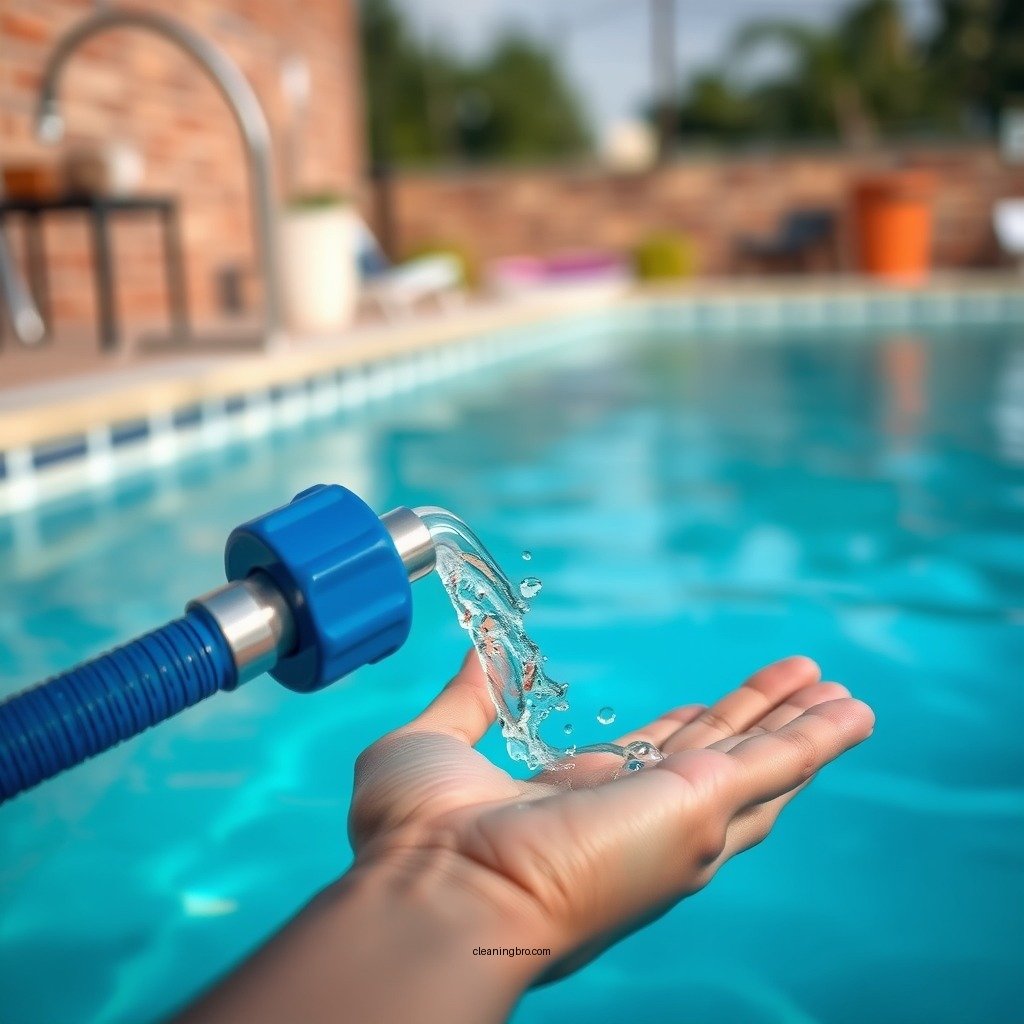
– Replenishing Water: After heavy rains or due to evaporation, check the water level and add water as needed. Using a hose to fill the pool can help restore levels quickly.
Monitoring water levels also helps prevent damage to the pump and ensures that the filtration system functions effectively.
Regular Maintenance and Prevention
Preventing cloudy water starts with a proactive approach to pool maintenance.
– Establish a Schedule: Create a maintenance schedule that includes regular testing of water chemistry, cleaning routines, and inspection of pool equipment. This will help you catch any issues before they become significant problems.
– Use a Pool Cover: When your pool is not in use, consider investing in a pool cover. This will not only limit debris accumulation but also help maintain water temperature and reduce evaporation.
– Seasonal Maintenance: At the beginning and end of each swimming season, conduct a thorough inspection of all equipment and systems. This includes checking for leaks, ensuring proper water balance, and servicing the filtration system.
By implementing these preventative measures, you can significantly reduce the likelihood of cloudy water and maintain a beautiful pool throughout the swimming season.
Best Pool Maintenance Systems: A Comparison
| Feature | ⭐ Smart Pool System | Traditional System | Manual Maintenance |
|---|---|---|---|
| Ease of Use | ✅ Automated | ✅ Semi-Automated | ❌ Labor-Intensive |
| Cost | $2,500 | $1,200 | Varies |
| Filtration Quality | ✅ High | ✅ Moderate | ❌ Low |
| Maintenance Frequency | ✅ Low | ✅ Moderate | ❌ High |
| Energy Efficiency | ✅ High | ✅ Moderate | ❌ Low |
| Longevity | 5+ years | 3-5 years | 1-3 years |
| User Reviews | ⭐️ ⭐️ ⭐️ ⭐️ ⭐️ | ⭐️ ⭐️ ⭐️ ⭐️ | ⭐️ ⭐️ ⭐️ |
| Smart Features | ✅ Yes | ❌ No | ❌ No |
| Warranty | 2 years | 1 year | Varies |
| 🏆 Best For | Ease of Use | Budget-Conscious Users | Hands-On Owners |
Keeping your pool water clear requires consistent attention and the right techniques. By testing your water, maintaining your filtration system, and using the right products, you can enjoy a sparkling clean pool all season long. Implementing a regular cleaning routine, monitoring water levels, and establishing a maintenance schedule are key strategies to prevent cloudiness. Take these steps today to restore your pool’s clarity and keep it pristine for enjoyable swimming experiences.
Frequently Asked Questions
What causes cloudy pool water?
Cloudy pool water can be caused by several factors, including poor filtration, inadequate sanitation, high levels of organic debris, or imbalanced water chemistry. Common culprits include high pH or alkalinity levels, insufficient chlorine, and the presence of algae or bacteria. Regular testing and maintenance of your pool water are essential to prevent cloudiness.
How can I clear up cloudy pool water quickly?
To quickly clear up cloudy pool water, start by testing the water chemistry and adjusting the pH and chlorine levels to the recommended ranges. Use a pool flocculant or clarifier to help bind small particles together for easier filtration. Run the pool filter continuously for 24-48 hours, and ensure to clean the filter regularly to improve water clarity.
Why is my pool water still cloudy after shocking it?
If your pool water remains cloudy after shocking, it may indicate that the shock treatment did not fully address the underlying issues, such as high pH levels or insufficient filtration. Additionally, organic debris or algae may still be present, preventing clear water. It’s important to retest your water and consider using a clarifier or flocculant to help resolve the issue.
What is the best way to maintain clear pool water?
The best way to maintain clear pool water is to regularly check and balance your water chemistry, ensuring proper levels of pH, alkalinity, and chlorine. Additionally, routinely clean the pool and its filter, remove debris, and run the filtration system for an adequate amount of time each day. Regularly brushing the pool walls and floor can also help prevent algae buildup.
Which pool chemicals are effective for clearing cloudy water?
Effective pool chemicals for clearing cloudy water include chlorine shock, flocculants, and clarifiers. Chlorine shock helps eliminate contaminants, while flocculants clump together small particles for easy removal by the filter. Clarifiers work by binding particles, making them easier to filter out, thus improving water clarity. Always follow the manufacturer’s instructions for the best results.
References
- https://www.cdc.gov/healthywater/swimming/pools/healthy_pools.html
https://www.cdc.gov/healthywater/swimming/pools/healthy_pools.html - Drinking-water
https://www.who.int/news-room/fact-sheets/detail/drinking-water - https://www.nichd.nih.gov/health/topics/pool/conditioninfo/treatment
https://www.nichd.nih.gov/health/topics/pool/conditioninfo/treatment - https://www.epa.gov/pools/spa-and-swimming-pool-water-quality
https://www.epa.gov/pools/spa-and-swimming-pool-water-quality - https://www.sciencedirect.com/science/article/pii/S0043135417300283
https://www.sciencedirect.com/science/article/pii/S0043135417300283 - https://www.britannica.com/science/pool-water
https://www.britannica.com/science/pool-water - https://www.purdue.edu/hla/sites/urbanag/wp-content/uploads/sites/2/2020/10/Pool-Water-Chemistry.pdf
https://www.purdue.edu/hla/sites/urbanag/wp-content/uploads/sites/2/2020/10/Pool-Water-Chemistry.pdf - https://www.extension.purdue.edu/extmedia/ID/ID-436-W.pdf
https://www.extension.purdue.edu/extmedia/ID/ID-436-W.pdf - Google Scholar Google Scholar
https://scholar.google.com/scholar?q=how+to+make+cloudy+pool+water+clear - Google Scholar Google Scholar
https://scholar.google.com/scholar?q=pool+water+clarity+issues+solutions