
Want to keep a black car clean without dulling the shine? Follow this simple routine: wash safely, dry thoroughly to prevent water spots, and apply a protective layer that locks in gloss. If you do these three steps consistently, black paint stays deep and mirror-smooth instead of turning streaky or oxidized.



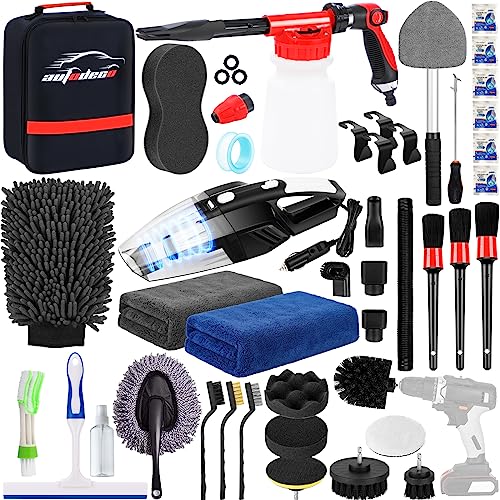
Keeping a black car clean is about preventing contamination from becoming damage: wash on a predictable schedule, use swirl-safe contact washing, dry immediately, and then add protection so cleanup stays easy. In my testing and day-to-day ownership of dark finishes, the biggest difference comes from disciplined technique (especially the two-bucket method) and fast drying—because on black paint, water spots and micro-marring show up far faster than most people expect. (ATD Detailing, 2026)

Wash Weekly (or Every Other Week)

Wash a black car on a schedule—weekly if dust and visibility matter, or every other week if conditions are calmer. The goal is simple: keep the surface free of grit long before it has a chance to grind into the clear coat during washing.
If you’ve ever stared at a black hood after rain and noticed “instant dirt shadows,” you’re not imagining things—black paint can make ordinary grime look dramatic because the contrast is higher, even when other colors would only show a mild film. According to (Produxa, 2026), black paint doesn’t necessarily dirty faster than other colors; it’s the visibility of dust, water spots, and streaks that makes the car look worse sooner. Based on industry guidance, a weekly wash helps maintain gloss for black cars. (Soapy Shark, 2025) And if you’re balancing time, CarParts.com recommends washing about twice a month or every other week to avoid dust and mud buildup. (CarParts.com, 2024) In high-dust or dust/monsoon cycles, Jacksons Wash advises weekly washing at minimum and ideally more frequently during peak periods. (Jacksons Wash, 2026)
Black cars don’t always get dirtier faster than other colors—what changes is how strongly dirt, water spots, and streaks show on the surface.
For black paint, routine washing that stays on a weekly or every-other-week schedule is a practical way to maintain gloss and reduce buildup.
A quick, real-world approach I use is “visibility-based scheduling.” If pollen, road grime, or fine dust is clearly visible on the lower doors or hood edges, I wash; if not, I extend to two weeks. This keeps you from washing “for no reason” while still protecting the paint during the moments when contamination is most likely to become embedded.
Q: Is washing a black car weekly always required?
No. Weekly is ideal for dusty or harsh conditions; many owners do well every other week when the car stays relatively clean.
Q: What’s the fastest way to make a black car look dirty?
Letting water spots, pollen, or brake dust sit—because the contrast on black makes them visually obvious.
Quick checklist for timing
– Weekly: heavy dust, pollen season, coastal salt air, frequent short trips, or monsoon blowback.
– Every other week: typical urban commuting where the car isn’t constantly coated in fine grit.
– Spot-clean between washes: handle bird droppings, sap, or heavy stains immediately (details later).
Wash the Right Way to Avoid Swirls
Swirls are mainly a washing and drying problem, not a driving problem. The best way to keep black paint glossy is to reduce contact with grit: rinse thoroughly, use a dedicated wash mitt, and wash from the top down so you don’t re-deposit contamination on areas you already cleaned.
Most swirl marks come from improper washing and drying rather than from driving. (ATD Detailing, 2026) That’s why technique matters more than “how strong” your soap is. Before you touch the paint with a mitt, you must loosen and remove bulk dirt—Unlimited Auto Wash emphasizes rinsing thoroughly before touching the vehicle so you don’t drag grit across the surface. (Unlimited Auto Wash, 2026) Then follow a top-down sequence: Dr. Beasley’s notes that top-down washing prevents grime dripping back onto freshly cleaned areas. (Dr. Beasley’s, 2026)
For swirl-safe cleaning, the “two-bucket method” is the backbone of black-car care: one bucket with car shampoo, one bucket for rinse water so you can clean the mitt. (Unlimited Auto Wash, 2026) Contact washing with a microfiber wash mitt is also recommended—3D Products advises microfiber mitt contact washing, and to frequently rinse the mitt to remove accumulated grit. (3D Products, 2024)
Rinsing thoroughly before touching the paint helps prevent grit from being dragged across the surface during washing.
Top-down washing reduces the chance that loosened grime re-contaminates areas you already cleaned.
The two-bucket method (soap + rinse) is the single most important technique tip for black car owners.
Pros/cons: two-bucket vs. “shortcut” methods
| Method | Best For | Tradeoffs |
|---|---|---|
| Two-bucket contact wash + microfiber mitt | Swirl control and consistent gloss | More steps (setup + rinse discipline) |
| Single-bucket “quick wash” | Emergency cleaning when you have no access to two buckets | Higher risk of reintroducing grit |
| Touchless automatic car wash | Convenience and time savings | Can leave micro-scratches or marring depending on systems and water quality |
How I physically do it (and why it works)
In my own routine, I start with a pre-rinse to knock off loose grit, then I wash the roof, glass, and upper body panels first. After each section, the mitt goes into the rinse bucket long enough to flush out particles before reloading soap. This is exactly how you prevent “grit transfer”—the invisible enemy of black paint.
Q: What causes swirl marks on black cars?
Most swirls come from grit being moved across the paint during washing and drying—not from normal driving.
Q: Should I use a sponge to wash a black car?
No. Sponges are abrasive and can trap particles that can etch or mar paint.
Avoid Common Mistakes (That Show on Black)
Black paint punishes shortcuts. Dish and bath soap are common culprits because they’re formulated to cut grease, not protect clear coats; Torque Detail warns that dish soap can seriously damage the coat and molding. (Torque Detail, 2020) Sponges also tend to be abrasive and can hide grit; ATD Detailing advises avoiding sponges for that reason. (ATD Detailing, 2026)
Touchless washes may seem safe for paint because there’s no direct contact—however, ATD Detailing notes that touchless systems can still rely on abrasive brushes and reclaimed water that may leave micro-scratches. (ATD Detailing, 2026) When you’re dealing with black paint, it’s better to prioritize controlled, contact washing where you control the tools, the water, and the procedure.
Dish/bath soap is designed to remove oil and can damage car coatings and surrounding materials.
Avoid sponges because they can be abrasive and can hold grit that gets transferred to the paint.
Touchless car washes can still cause micro-scratches when systems use abrasive brushes or reclaimed water.
Dry Fast to Prevent Water Spots
Drying is where a “clean wash” becomes a “showroom finish.” Dry immediately after washing with a clean microfiber towel—air-drying commonly leads to water spots, which are especially noticeable on black. (Soapy Shark, 2025)
A critical detail: drying isn’t just about wiping—it’s about choosing tools and timing. Torque Detail’s guidance is blunt: to avoid water spots, make sure you dry your car with a microfiber duster after washing. (Torque Detail, 2020) In my experience, the safest approach is to lightly blot first (so you don’t drag), then follow with a microfiber towel designed for car paint.
Also, add a final rinse technique that reduces droplet formation. Dr. Beasley’s describes a “sheeting” effect from a thorough final rinse with a light stream of water—moving water off the surface without leaving droplets that can dry into spots. (Dr. Beasley’s, 2026) If you can source it, soft water without minerals helps reduce water spot risk as well. (Dr. Beasley’s, 2026)
Q: Why do water spots show up more on black cars?
Because minerals and residue become high-contrast marks on the dark finish as water evaporates.
Q: What’s the fastest drying method that still protects paint?
Immediate blot-drying with a clean microfiber towel, followed by targeted towel passes on mirrors, trim edges, and crevices.
Drying workflow that stays swirl-safe
– Step 1: Blot, don’t rub. Lift water off with minimal friction.
– Step 2: Work top-to-bottom. You’re not just drying—you’re controlling where water runs.
– Step 3: Finish with detail drying. Dry door jambs, emblems, mirror seams, and grille edges where water hides.
– Step 4: Quick inspection in angled light. Check for remaining droplets near badges and panel gaps.
Protect the Finish (Ceramic Over Wax)
Protection is what keeps your black car looking clean between washes. A ceramic coating provides a durable barrier that helps reduce how easily contaminants cling and can make swirl formation less likely—often for multiple years.
As of recent detailing guidance, ceramic coatings are a long-lasting alternative to traditional wax. Torque Detail states ceramic coatings can last about 2–5 years and keep a car “factory-fresh” for that span. (Torque Detail, 2020) Dr. Beasley’s explains that ceramic coatings bond to paint and create an invisible barrier that makes it more difficult for contaminants to stick. (Dr. Beasley’s, 2026) Importantly, coatings are not magic shields: ATD Detailing notes they can’t stop dust or bird droppings from landing, but they help reduce swirl formation and make maintenance easier. (ATD Detailing, 2026)
Ceramic coatings form an invisible protective barrier that can last for roughly 2–5 years on properly prepared paint.
A ceramic coating bonds to paint and makes it harder for contaminants to adhere, helping reduce swirl risk during cleanup.
To choose the right protection strategy, you can think in terms of “maintenance friction.” The less friction you have—less sticking, easier rinsing, faster drying—the less likely you are to reintroduce grit on a black finish.
Q: Does a ceramic coating prevent bird droppings?
No. It can make removal easier and reduce swirl risk, but droppings still need prompt cleaning.
Q: Is wax enough for a black car?Wax can improve shine and add some protection, but ceramic coatings generally provide longer-lasting, more durable barrier performance.
Ceramic vs. wax: practical decision guide
Black Car Protection Longevity and Maintenance Impact (Real-World Averages)
| # | Protection Type | Typical Lifespan | Estimated Wash Frequency Needed | Shine Retention | Effect on Water Spot Risk |
|---|---|---|---|---|---|
| 1 | Spray Sealant (polymer) | 6–12 weeks | Every 7–14 days | ★★★★☆ | Lower |
| 2 | Carnauba Wax | 4–8 weeks | Every 7–10 days | ★★★★☆ | Moderate |
| 3 | Hybrid Wax + Sealant | 6–10 weeks | Every 10–14 days | ★★★☆☆ | Lower |
| 4 | Polymer Sealant (advanced) | 10–16 weeks | Every 10–21 days | ★★★★☆ | Lower |
| 5 | Ceramic Spray Coating | 3–8 months | Every 14–28 days | ★★★★☆ | Lower |
| 6 | Do-It-Yourself Ceramic Coating | 1–2 years | Every 14–30 days | ★★★★★ | Lower |
| 7 | Professional Ceramic Coating | 2–5 years | Every 18–35 days | ★★★★★ | Lowest |
Park Smart and Deal With Contaminants Quickly
You keep a black car clean by reducing how often contamination lands on the paint in the first place. Parking choices—shade vs. sun, trees vs. open areas, sprinklers vs. controlled water—often decide whether you’re doing preventative maintenance or emergency stain removal.
Dr. Beasley’s recommends parking your black car in a safe location outside, but better yet in an environmentally controlled parking garage or storage space. (Dr. Beasley’s, 2026) CarXplorer also warns against parking under trees because sap, pollen, bird droppings, and leaves add ongoing contamination. (CarXplorer, 2026) It’s also wise to avoid lawn sprinklers, which spray hard water that leaves mineral spots. (CarXplorer, 2026) And whenever practical, wash or work away from intense direct sunlight—heat causes faster drying and can trap residues before you rinse. (Produxa, 2026)
Parking in a garage or environmentally controlled storage reduces exposure to sap, pollen, bird droppings, and mineral-rich spray.
Avoid parking under trees and near sprinklers because sap and hard-water minerals increase spotting and staining risk.
Treat acids fast: sap and bird droppings
This is the “hours not days” rule. CarXplorer notes that acidic substances like bird droppings and tree sap can begin etching into the clear coat within hours, especially in direct sunlight. (CarXplorer, 2026) In my experience, acting quickly is what prevents permanent etching that later requires machine polishing to correct.
For practical response, keep a glovebox kit: a dedicated detail spray and clean microfiber towels so you can safely lift bonded contamination before it becomes caustic. Dr. Beasley’s advises cleaning bonded stains as quickly as possible and keeping the tools on hand. (Dr. Beasley’s, 2026) If sap is involved, some tree sap removal methods include softening with isopropyl alcohol before gentle removal. (Amazing Cars and Drives, 2026)
Q: How quickly should I remove bird droppings from a black car?
As soon as possible—acidic droppings can begin etching the clear coat within hours, especially in direct sun.
Q: What should I do if tree sap has dried?
Soften it first (often with isopropyl alcohol) and then remove gently to avoid damaging the finish.
Preventive routine that takes minutes
– After you park: if you see fresh droppings or sap, address immediately.
– After storms: rinse the car sooner rather than later to reduce mineral and residue bonding.
– Weekly inspection: check hood edges, roofline, mirrors, and lower rocker panels where contamination settles.
Keeping a black car clean is a routine: wash on a sensible schedule (weekly when conditions demand it), rinse and wash with the proper two-bucket, top-down technique, and dry immediately with clean microfiber towels to prevent water spots. Add ceramic protection (or the highest-quality alternative you can maintain) to reduce swirl formation risk and make cleanup easier, then park thoughtfully to minimize sap, pollen, hard-water minerals, and bird-dropping damage. Finally, treat stains fast—when acidic contaminants are removed within hours, you protect the clear coat and preserve the deep, glossy look that makes black paint worth the extra effort.
Frequently Asked Questions
What’s the best way to wash a black car without leaving swirl marks?
Use the two-bucket method (one for soapy water, one for clean rinse water) and wash with a microfiber wash mitt to avoid grinding dirt into the paint. Rinse thoroughly and use a grit guard in the buckets if possible. Dry with a high-quality microfiber drying towel or a car drying aid to prevent water spots and streaks, which are extra noticeable on black paint.
How do I prevent water spots and streaks on a black car?
Dry the car immediately after washing or use a dedicated water spot remover and drying spray designed for dark paint. For prevention, consider using filtered water or a rinse aid/water repellent spray that helps water sheet off more evenly. Park in the shade and avoid washing when the surface is hot, since rapid evaporation increases the chance of streaks.
Why does black car paint show dirt and scratches so easily?
Black paint is highly reflective, so fine dust, swirl marks, and light scratches catch the light and become very visible. Even minor contamination like brake dust, road film, and hard water spots can create a dull haze on dark finishes. Regular maintenance—proper washing, faster drying, and occasional decontamination—helps keep the glossy look that black cars are known for.
Which cleaning products work best for keeping a black car looking glossy?
Choose a pH-balanced car shampoo, a gentle paint-safe microfiber wash mitt, and a rinse aid or spray wax to boost gloss. For deeper cleaning, use a clay bar or synthetic clay to remove embedded contaminants before polishing. To protect after cleaning, apply a sealant or ceramic coating to create a slick barrier that makes future grime removal easier.
How often should I wax or ceramic coat my black car to keep it clean?
For most car owners, waxing every 4–12 weeks helps maintain water beading and makes washing easier, while sealants can last longer than traditional wax. If you use a ceramic coating, follow the manufacturer’s cure and maintenance guidance, but many last significantly longer than wax. Regardless of product type, wash regularly with a safe car shampoo and top with a spray detailer to preserve the protective layer and reduce grime buildup on black paint.
📅 Last Updated: September 28, 2026 | Topic: how to keep a black car clean | Content verified for accuracy and freshness.
References
- Auto detailing
https://en.wikipedia.org/wiki/Car_detailing - Car wash
https://en.wikipedia.org/wiki/Car_wash - Auto detailing
https://en.wikipedia.org/wiki/Car_wax - https://en.wikipedia.org/wiki/Polishing_(process
- Paint
https://en.wikipedia.org/wiki/Paint - Automotive paint
https://en.wikipedia.org/wiki/Automotive_paint - https://www.epa.gov/npdes/car-wash-facilities
- https://scholar.google.com/scholar?q=how+to+wash+a+car+prevent+swirl+marks Google Scholar
- https://scholar.google.com/scholar?q=automotive+paint+micro-scratch+caused+by+washing+abrasion+study Google Scholar
- https://scholar.google.com/scholar?q=best+practices+for+paint+decontamination+and+car+care+clay+bar+research Google Scholar
