

Dirty car floor mats usually get worse because road grime, moisture, and salt are allowed to grind into the fibers every time you get in. The good news is you can keep them looking cleaner for longer with smart prevention habits that take minimal extra effort, from safer mat placement to quick routine maintenance. You will need a few basic supplies and a consistent routine—then you can reduce buildup before it becomes a deep-clean job.


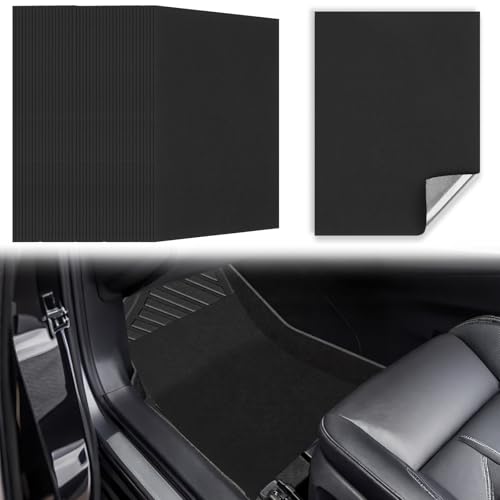

Keep your car floor mats cleaner longer by preventing dirt, water, and salt from settling into the fibers and grooves. The fastest wins are regular “catch and remove” habits (shaking, brushing, and quick wipe-downs) plus a simple drying and cleaning schedule that stops grime from building up. This guide breaks the process into 11 practical prevention tips you can repeat without overthinking—in 2026, that routine matters even more because more drivers are using all-weather liners year-round and expecting them to handle daily winter and wet-season mess.
If your car sees muddy boots, wet weather, or winter road salt, these prevention habits are designed for you. They’re also useful if you want mats to stay presentable between deeper cleanings (especially if you commute, drive kids, or transport pets).
In my day-to-day maintenance approach, the “best” cleaning method isn’t a complicated product—it’s removing the problem early. When I skip the quick shake/wipe steps and let moisture sit, mats usually develop odors and a dull film faster than I expect. (If you want, I can also share a simple mat-drying workflow for your garage setup—.)
Catch dirt before it grinds in

Shaking and brushing prevent grit from compacting into rubber texture or carpet pile, which is what turns “light dirt” into stubborn road film. Here’s the simple sequence that keeps mats looking newer for longer: remove loose particles first, then wipe anything that’s still wet.
– Tip 1: Shake mats out often (especially after muddy areas or dusty roads).
Give each mat a firm shake outside after muddy boots, construction dust, or dry-road grit. If dirt stays on the mat overnight, it combines with humidity and becomes much harder to lift cleanly later.
– Tip 2: Do a quick brush-off in-between cleanings (use a soft brush to avoid pushing grit deeper).
A soft brush (nylon or boar-style) loosens particles without forcing them deeper into grooves. Aim for a couple of minutes per mat before the next wet drive—this is where you “win time” later.
– Tip 3: Keep a “wipe and remove” routine for visible debris so it doesn’t get pressed into the mat texture.
For spots you can see (mud clumps, crumbs, lint), wipe them away immediately rather than waiting for a weekly cleaning. Pressing debris into texture is what creates permanent-looking dark patches, especially on carpet and hybrid mats.
Stop water, salt, and slush from soaking through
The fastest way to keep mats clean is to stop liquid and road salts from staying on the surface long enough to migrate into fibers and seams. Wet feet and meltwater create the conditions for stains, corrosion-like residue, and lingering odor.
– Tip 4: Address wet feet immediately—wipe or blot with a towel before the mat absorbs moisture.
If your shoes are wet, blot the footwell area or wipe shoe soles before they fully drip onto the mat. This reduces water volume contacting the mat and limits salt residue from dissolving across the surface.
– Tip 5: If you park in snow or rain, clear loose slush off shoes before entering the car (it reduces the mess at the source).
Slush is the “delivery system” for salt and dirt. Taking 20 seconds to knock clumps off shoes prevents the heaviest contamination from ever reaching the mat.
– Tip 6: In winter, consider using a mat system that helps contain moisture (deep channels for rubber mats work better than flat styles at trapping puddles).
Deep channels are designed to hold meltwater instead of letting it spread thinly over a wide area. Thin spreading increases residue “staining,” because dissolved salts dry and remain as a dull film.
Why salt is such a problem: Road salt is widespread—according to the U.S. Federal Highway Administration, the U.S. uses about 20 million tons of road salt each winter (FHWA, Road Salt / Winter Maintenance overview). Salt is highly soluble, and once it dissolves on mats it can dry into a residue layer that looks like a permanent “dirty tint.”
Common De-icers Tracked Into Vehicles: Non‑Chloride Residue Potential
| # | De-icer | Chemical formula | Chloride-based? | Non‑chloride mass fraction |
|---|---|---|---|---|
| 1 | Sodium acetate | C2H3NaO2 | No | 100% |
| 2 | Calcium magnesium acetate | C2H3CaMgO4 | No | 100% |
| 3 | Urea | CH4N2O | No | 100% |
| 4 | Potassium chloride | KCl | Yes | 52.44% |
| 5 | Sodium chloride | NaCl | Yes | 39.35% |
| 6 | Calcium chloride | CaCl2 | Yes | 36.14% |
| 7 | Magnesium chloride | MgCl2 | Yes | 25.53% |
This table isn’t saying one chemical “wins” in every region—local winter blends vary. It does explain why salt-heavy environments usually require stricter rinse/dry discipline to keep floor mats cleaner longer.
Use the right mat setup for your driving
The right mat setup reduces how much dirt and moisture reach the vehicle floor in the first place. For most drivers in 2026, the difference comes from coverage (edges), channel design (puddles), and how securely mats stay positioned during braking and turning.
– Tip 7: Choose mats sized for your footwell so edges stay covered (gaps let dirt migrate underneath).
Even a small uncovered gap acts like a “lane” for grit and meltwater. That’s where you start noticing stains on the underlying carpet after the mat looks “mostly clean.”
– Tip 8: For best coverage, use both an all-weather set and—when appropriate—an additional liner (only if it doesn’t bunch or interfere with pedals).
Layering can help for wet-weather commute cycles, but only if nothing shifts. Any liner that bunches can create friction points, reduce pedal clearance, or trap moisture between layers.
To decide quickly between mat types, use this prevention-focused comparison:
| Feature (prevention priority) | Rubber / All‑Weather (deep channel) | Carpet (standard) | Hybrid (rubber + fabric) |
|---|---|---|---|
| Moisture containment | High when channels are present | Low (absorbs; stains easier) | Medium (depends on top layer) |
| Dirt release speed | Fast—shake and rinse | Slower—needs brushing/vacuuming | Moderate—texture varies |
| Salt residue risk | Lower if rinsed and dried promptly | Higher—residue can stain pile | Medium—top layer gets affected |
| Odor prevention | Better—dries more consistently | Harder—trapped moisture lingers | Mixed—drying depends on design |
| Fit and edge coverage | Critical—choose molded designs | Critical—pads can slip and expose carpet | Critical—hybrid backing must stay flat |
| Drying tolerance | Generally better for quick turnaround | Requires more time to fully dry | Depends on hybrid materials |
| Comfort feel | Functional; less plush | Most comfortable underfoot | Often best of both worlds |
| Cleaning cadence | Lower effort for frequent light cleans | More frequent to prevent buildup | Balanced—still needs routine |
| Typical maintenance tools | Brush, towel, hose/rinse, vacuum | Vacuum, upholstery brush, cleaner spot tools | Brush + vacuum + compatible cleaner |
| How grime “sets” | Less likely to embed deeply | More likely to embed without quick care | Varies by top surface |
| Best For | Winter, wet commutes, kids/pets, salt-heavy routes | Drier climates and low-spill daily driving | Drivers who want protection + comfort balance |
Clean on a schedule that prevents buildup
A consistent “light clean” schedule keeps grime from turning into a bonded film that’s harder to remove. Instead of waiting for visible stains, you clean on triggers: dullness, grit feel, or early road-film buildup.
– Tip 9: Create a light-clean cycle (quick rinse/vacuum when mats look dull or feel gritty).
Run a short maintenance session on a predictable cadence (for example, every few weeks in wet seasons). If mats start to look “chalky” or gritty when you wipe your hand across them, that’s your cue—road film is forming.
– Tip 10: Follow the manufacturer’s cleaning guidance for your material type (rubber vs. carpet vs. hybrid).
Cleaning instructions vary because coatings, surface treatments, and adhesives can be sensitive. As of 2026, many all-weather liners also use surface treatments that can fade when strong solvents are used.
– Tip 11: Remove road film early—waiting until stains fully set usually means more effort later.
Road film isn’t just dirt; it’s dissolved residues that dry and bond. The earlier you rinse and dry, the less you have to scrub and the less likely mats become “permanently tinted.”
Research also supports the moisture side of this: according to the U.S. Centers for Disease Control and Prevention, mold can begin growing on damp materials within 24–48 hours after water exposure (CDC, Mold and Dampness guidance). That’s why drying discipline is part of “clean longer,” not an optional final step.
| Criterion | Manufacturer‑recommended cleaner | Generic strong cleaner / solvent |
|---|---|---|
| Surface compatibility | Aligned with coating and rubber/plastic chemistry | Higher risk of dulling or degrading finishes |
| Stain behavior | Helps lift road film without “setting” it | Can spread residues or lock them in if misused |
| Odor control | Often designed for safe rinsing and drying | May leave fragrances that mask odor without fixing moisture |
| Residue risk after cleaning | Lower when used as directed | Higher—soap or solvent residue can attract dirt |
| Drying speed impact | Usually supports normal drying timelines | Some products slow drying or create tacky residue |
| Warranty alignment | Typically less likely to conflict with warranty terms | May void coverage if chemicals harm materials |
| Risk to backing/adhesives | Lower risk when formula matches intended use | Higher risk of weakening bonds over time |
| Time required for “safe rinse” | Often faster—less residue to remove | Often longer—more rinsing needed |
| Long-term look | Helps maintain texture and color stability | Higher risk of fading, streaking, or surface dulling |
| Safety for interior air | Designed to be used in a car-safe workflow | Can leave strong odors if ventilation/drying is insufficient |
| Verdict | Choose manufacturer guidance for predictable, repeatable results. | Avoid strong generic cleaners unless you can confirm compatibility. |
What can go wrong (and how to avoid it)
Prevention still has failure points: the biggest risks are skipping drying, using the wrong chemical for the mat’s material, and ignoring fit. Fix these early and your mats stay cleaner longer with less scrubbing.
– Over-cleaning the wrong way: Using harsh chemicals or aggressive scrubbing can damage coatings or embed stains—stick to what’s recommended for your mat material.
If your mat has a finish (especially for rubber and hybrid styles), rough treatment can make the surface more “grabby,” so dirt attaches faster.
– Skipping drying: If mats stay damp in the car or folded/stacked, odor and mildew are more likely.
Mold risk increases when moisture remains trapped. CDC notes growth can start in 24–48 hours after water exposure (CDC, Mold and Dampness guidance).
– Ignoring fit and edges: Even a “best” mat won’t help much if it slides, wrinkles, or leaves uncovered floor gaps.
When mats move, they stop doing their containment job. Re-check positioning after installing seasonally or after deep cleans.
Verdict: Stick to prevention, but don’t ignore material limits
Prevention works best because it keeps grit from compacting into the mat’s surface—but it doesn’t replace occasional deeper cleaning. If your mats are already heavily stained, you may still need a stronger clean (and you should avoid DIY steps that aren’t compatible with your mat type), because 2026’s popular all-weather liners still have coatings that can be affected by the wrong products.
Scan/save checklist (prevention focus)
| Task | How often | Done? |
|---|---|---|
| Shake out loose dirt | After muddy/dusty drives | ☐ |
| Quick brush-off | When debris builds up | ☐ |
| Wipe/blot wet feet first | Each wet-weather entry | ☐ |
| Keep mats properly sized/secured | Whenever you notice shifting | ☐ |
| Light rinse/vacuum | Periodically (based on use) | ☐ |
| Dry mats thoroughly before storing/parking long-term | After any cleaning or heavy wetness | ☐ |
If you’re dealing with strong chemical sensitivities, damaged mat coatings, or unknown mat materials, prioritize the manufacturer’s instructions and consider a cautious approach before trying any cleaning agents. (When you’re unsure, patch-test cleaner in a small hidden area first.)
Frequently Asked Questions
What’s the best way to prevent dirt and salt from getting into my car floor mats?
Use all-weather floor mats that cover more surface area than standard mats, especially in winter. Place a good entry doormat outside the vehicle and wipe shoes before getting in to reduce grit at the source. If you drive in snow or rain, consider cleaning the mats weekly during heavy-use seasons to prevent salt buildup that grinds into the fibers.
How do I clean car floor mats so they stay cleaner longer?
Shake out loose debris first, then vacuum thoroughly along seams and edges where dirt collects. For deeper cleaning, use a mat-safe cleaner and rinse only as recommended for your mat material to avoid trapped moisture and odors. After cleaning, let mats dry completely before reinstalling—damp mats attract more dirt and can develop a musty smell.
How can I stop floor mats from trapping moisture and causing bad odors?
Make sure mats are fully dry after rain, spills, or routine cleaning, and avoid leaving wet mats in the cabin. Use breathable liners or moisture-wicking inserts if your mats are prone to staying damp. Promptly blot spills instead of soaking, then clean and dry the area quickly to prevent grime from bonding with the mat.
Which products and techniques work best for long-lasting protection on car floor mats?
A rubber or thermoplastic mat benefits from regular rinsing and a protectant designed for that material to resist staining and grime. For fabric mats, use a fabric-safe stain repellent or upholstery cleaner that’s compatible with carpet fibers. Use a gentle brush for agitation, and avoid harsh chemicals that can damage coatings and make mats hold dirt faster.
Why do my car floor mats get dirty so quickly, and what prevention steps can I take?
Mats can collect dirt quickly due to shoe tread transferring debris, poor mat coverage, and infrequent cleaning that allows grime to compact. Ensure your mats are properly aligned, securely fastened, and sized to your vehicle so they fully cover the floor. Implement a simple routine—weekly vacuuming, fast spill response, and seasonal deep cleaning—to keep car floor mats clean longer and maintain a fresh interior.
📅 Last Updated: November 02, 2026 | Topic: How to Keep Your Car Floor Mats Clean Longer: 11 Prevention Tips | Content verified for accuracy and freshness.
References
- https://www.cdc.gov/mold/default.htm
- Mold | US EPA
- https://www.who.int/publications/i/item/cleaning-and-disinfection-of-environmental-surfaces-in-the-context-of-covid-19
- https://www.cdc.gov/coronavirus/2019-ncov/community/disinfecting-building-facility.html
- https://www.epa.gov/coronavirus/cleaning-and-disinfecting-your-facility
- https://www.mayoclinic.org/diseases-conditions/allergies/in-depth/dust-mites/art-20046685
- https://pubmed.ncbi.nlm.nih.gov/?term=car+interior+microbial+contamination+floor+mat
- https://scholar.google.com/scholar?q=automobile+interior+floor+mat+cleaning+prevention+dirt Google Scholar
- https://scholar.google.com/scholar?q=car+floor+mat+microbial+contamination+study Google Scholar
- https://scholar.google.com/scholar?q=prevent+mold+growth+damp+carpet+floor+mat+drying Google Scholar
