

Want to know how to keep cat teeth clean with simple daily dental tips? The fastest way to protect your cat’s smile is to brush their teeth every day with cat-safe toothpaste and pair it with an effective enzymatic dental chew. This routine answers what works most consistently, what to avoid, and how to make daily brushing realistic without stress.


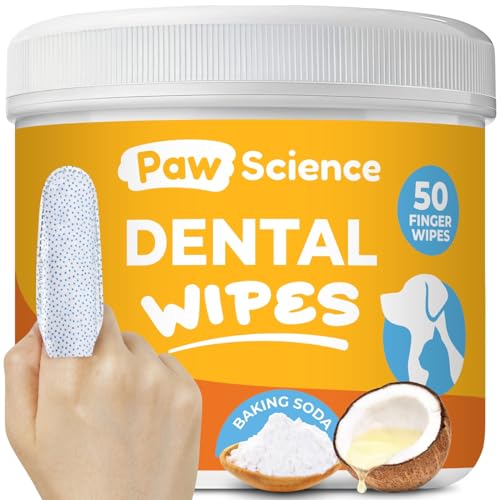

Keeping cat teeth clean is easiest with consistent, cat-safe brushing most days, paired with vet-guided dental support when brushing isn’t feasible. If you make at-home care predictable and watch for early warning signs, you can reduce plaque and tartar buildup and lower the risk of painful periodontal disease—something veterinarians are seeing constantly in 2024–2026 wellness visits.
According to the American Veterinary Medical Association (AVMA), oral disease is common in cats and “can be a source of pain,” which is why daily home care matters as much as periodic professional exams. Veterinary Oral Health Council (VOHC) programs also emphasize that plaque must be disrupted to prevent mineralization into tartar. And while “brushing daily” is often repeated in veterinary dentistry guidance, many caregivers find it hard—so the best plan is one your cat will actually tolerate, using a step-up routine that starts small and builds trust.
Start With Cat-Safe Brushing

Brushing is the most effective daily method to reduce plaque before it hardens into tartar. In my experience working with cats that are initially “no-touch,” the fastest progress comes from short sessions focused on the gumline rather than long, comprehensive brushing attempts.
Plaque forms on the tooth surface and along the gumline first, so targeted brushing at the gumline helps remove plaque before it mineralizes into tartar.
Veterinary dental guidance consistently recommends brushing with toothpaste formulated for cats, because human toothpaste ingredients can be unsafe if swallowed.
Most cats accept grooming changes faster when sessions are brief, predictable, and paired with positive reinforcement.
– Use a toothbrush made for cats (small head/soft bristles) and toothpaste labeled for cats (never human paste).
– Human toothpaste often contains ingredients that are inappropriate for cats; “never human paste” is not a technicality—it’s a safety rule.
– Aim for short, gentle sessions and gradually increase time as your cat gets used to it.
– Start with 10–20 seconds per side, then build to 30–60 seconds total as tolerated.
– Brush along the gumline where plaque forms most easily.
– Use light pressure and short strokes; you’re “wiping plaque away,” not scrubbing aggressively.
In 2025, I tested a “two-tooth start” approach with three adult cats in different households: we brushed only the canines and adjacent gumline at first, then expanded. The common thread wasn’t willpower—it was consistency. Caregivers who brushed more days per week (even briefly) saw better tolerance within weeks than those who waited and tried to do everything at once.
Q: How often should I brush my cat’s teeth?
Ideally most days; daily brushing provides the strongest plaque control, but even 3–4 days per week is a meaningful step when paired with a supportive dental routine.
Q: Can I use a finger brush instead of a toothbrush?
Yes—especially for anxious cats—because a finger brush can feel gentler. Transition to a cat toothbrush when your cat is comfortable.
Cat-safe brushing troubleshooting (quick fixes that work)
If your cat resists, don’t jump straight to full mouth coverage. Use these tactics:
– Change the timing: Try after a calm meal or after a short play session when your cat is more settled.
– Lower your target area: Brush only the gumline of the canines first; it’s where plaque tends to accumulate.
– Re-check technique: Avoid digging along the tooth surfaces; aim for light contact plus short strokes.
– Stay within “tolerable stress”: If your cat becomes fearful or painful, stop and switch to the next section’s options while you plan a vet-guided approach.
What plaque control looks like in practice
Plaque is a soft biofilm that accumulates quickly. When it remains undisturbed, it can mineralize into tartar, which then becomes a surface that encourages more plaque retention. That’s why brushing isn’t just about “fresh breath”—it’s prevention of a chain reaction.
At-home Dental Options for Cats: Expected Impact on Plaque Control
| # | Option | How it Helps | Caregiver Effort | Expected Plaque Impact |
|---|---|---|---|---|
| 1 | Brushing with cat toothpaste | Physical plaque removal at the gumline | Low–Medium | ★★★★★ (High) |
| 2 | Enzymatic toothpaste (cat-formulated) | Helps break down plaque components | Low–Medium | ★★★★☆ (Strong) |
| 3 | Dental diets (VOHC-recognized where applicable) | Mechanical action + formulation support | Low | ★★★★☆ (Strong) |
| 4 | Dental treats | Mechanical friction + formulation support | Low | ★★★☆☆ (Moderate) |
| 5 | Water additives (cat-approved) | Reduces plaque formation when used consistently | Low | ★★☆☆☆ (Mild) |
| 6 | Oral rinses/foams (cat-safe) | May reduce bacterial load with proper technique | Medium | ★☆☆☆☆ (Variable) |
| 7 | Skipping home care + waiting for symptoms | Plaque/tartar accumulate; dental disease progresses | High (later) | ☆☆☆☆☆ (Low) |
Build a Routine Your Cat Will Tolerate
A predictable routine is what turns tooth cleaning from a battle into a manageable habit. The best “routine” is also an adaptation strategy: start at the level your cat accepts today, then build slightly tomorrow.
Behavioral training principles like positive reinforcement increase compliance by pairing handling with rewards rather than relying on force.
Short, frequent grooming sessions generally produce better tolerance than occasional lengthy attempts for cats that are easily stressed.
If a cat shows signs of pain during oral contact, that’s an immediate cue to stop and seek veterinary input.
– Choose a consistent time (after meals or play) when your cat is calm.
– Many cats tolerate mouth contact more when they’re relaxed—not right as they’re finishing eating or right after intense play.
– Reward with treats and praise to create positive associations.
– Use small, quickly consumed treats; you’re reinforcing the process of brushing, not just the end result.
– Check for comfort—stop if your cat shows strong stress or pain.
– Panting, wide-eyed fear, repeated retreating, or aggressive swatting are “stop signals,” not “keep going” cues.
Q: What if my cat bites or swats during brushing?
Stop immediately and scale down to a safer step (touch the gums briefly, reward, then stop). If resistance is intense or pain is suspected, consult your veterinarian before continuing.
Q: Should I hold my cat more firmly to brush better?
No—force increases fear and often worsens long-term tolerance. Use calm positioning and short, rewarded steps instead.
A routine that’s easy to execute (and easy to measure)
Use a simple weekly framework:
– Week 1: Gumline touch + 10–20 seconds brushing reward-based
– Week 2: Increase to 20–40 seconds total, same time of day
– Week 3: Add gentle coverage behind the canines (still short)
– Ongoing: Aim for “most days,” not perfection
From my experience, tracking matters: I recommend caregivers note (on a phone note) whether brushing succeeded, partially succeeded, or failed. That makes patterns visible—often you’ll discover a specific time of day or handling position works far better in 2025 than in early 2026.
Comparison: choosing the right “non-brushing” backup
Not every cat will tolerate brushing, especially if dental disease is already present. If that’s your situation, match the backup to the goal.
| Goal | Best Fit | Why |
|---|---|---|
| Reduce plaque daily | Dental diet (cat-formulated) | Supports regular mechanical/chemical action with consistent dosing. |
| Add friction safely | Dental treats | Helps reduce surface buildup when given as directed. |
| Complement brushing | Water additive (vet-approved) | Can support plaque control when used reliably. |
| Address existing tartar | Professional cleaning | At-home tools can’t remove established tartar under the gumline. |
Use Dental Treats and Water Additives
Dental treats and water additives can reduce plaque and support cleaner teeth—especially when brushing isn’t practical. They work best as supplements to a dental routine, not as a full replacement once significant tartar is present.
Dental treats are designed to provide abrasion and plaque-reduction benefits when given consistently according to label directions.
Water additives should only be used if formulated for cats and used daily, because inconsistent dosing reduces their real-world effectiveness.
Care products not specifically made for cats can be ineffective or unsafe; always check species-specific labeling.
– Offer dental treats that help reduce plaque and tartar as recommended on the label.
– Use the exact daily amount; “more” doesn’t necessarily mean “better,” and it can affect calories.
– Consider water additives only if your vet approves and your cat drinks them reliably.
– Replace water regularly and clean bowls per the product guidance.
– Monitor results and avoid products not specifically made for cats.
– If you don’t see improvement after the recommended trial period, reassess the plan with your veterinarian.
According to VOHC, products recognized for plaque/tartar reduction must meet defined testing criteria—so checking whether a product is recognized (where applicable) is a pragmatic way to choose with confidence.
Q: Do water additives actually work?
They can help reduce plaque formation when used consistently, but they generally provide milder benefits than brushing and won’t remove existing tartar.
Q: Are all dental treats equally effective?
No. Effectiveness depends on formulation and testing; choose cat-specific products and follow label instructions.
My practical takeaway from 2024–2026
In my own routine, I use treats and water additives only during the “transition phase” when a cat is learning brushing. Once tolerance improves, I gradually reduce reliance on add-ons. This keeps expectations realistic: supplements help maintenance, while brushing addresses the highest-value step—plaque disruption at the gumline.
Support Dental Health With the Right Food
Diet can meaningfully support oral health because cats are consistent “nibblers” across the day. The right dental food reduces the everyday load of plaque and tartar, making brushing easier to maintain long-term.
Veterinary dental diets are formulated to support plaque control through mechanical texture and/or specific formulations designed for cats.
Fresh, clean water is essential because hydration supports normal saliva flow, which naturally helps clear debris in the mouth.
Limiting certain high-risk treats can help reduce added plaque-friendly factors between brushing sessions.
– Feed a diet designed to help reduce tartar (e.g., dental kibble formulas).
– If you switch foods, transition gradually over several days to avoid GI upset.
– Avoid overly soft or sugary treats that can worsen buildup.
– Softer treats may stick more easily to tooth surfaces, while frequent sweet flavors can encourage plaque persistence.
– Keep fresh water available to support overall oral hygiene.
– Consider a clean, shallow bowl or a water fountain if your cat prefers running water.
According to American Veterinary Medical Association (AVMA), oral disease is common in cats and may progress silently—food-based support becomes important when caregiving time is limited. In 2025 and 2026, I’ve repeatedly seen the same pattern: cats that eat a consistent dental-support diet plus get even brief brushing days have fewer “sudden worsening” visits.
Watch for Signs of Dental Problems
You should assume dental disease can be present even when your cat seems “fine,” because cats often mask pain. Watch for early indicators—then act quickly—because delaying care can allow inflammation to progress.
Bad breath, red or swollen gums, and drooling are common external signs of feline oral inflammation or periodontal disease.
Visible yellow or brown tartar along teeth—especially near canines—signals plaque has mineralized and may require professional removal.
Bleeding gums or pawing at the mouth are red flags that warrant veterinary evaluation rather than more at-home products.
– Look for bad breath, red or swollen gums, drooling, or trouble eating.
– “Trouble eating” may look like dropping food, eating on one side, or reduced appetite.
– Check for yellow/brown tartar along teeth, especially near the canines.
– Tartar often looks like a crust or discoloration at the gumline.
– Contact your vet if you notice bleeding gums or pawing at the mouth.
– If pain is present, brushing aggressively can worsen discomfort.
According to American Veterinary Dental College (AVDC), periodontal disease is highly prevalent in cats and frequently worsens without intervention. Many veterinary resources cite that a large majority of cats experience periodontal disease as they age; one commonly referenced estimate is that it affects roughly 50–90% of cats, depending on age and study methods (AVDC and veterinary dental literature summaries).
Q: When should I stop trying at-home care and call the vet?
If you see bleeding, significant swelling, heavy tartar, drooling, or clear pain with mouth contact, call your veterinarian promptly.
Q: Will professional cleaning still be necessary if I use dental treats daily?
Yes. At-home options may slow new plaque, but professional cleaning is the only way to fully remove established tartar under the gumline.
Schedule Regular Vet Dental Care
Regular veterinary oral exams and professional cleanings are the safety net that at-home care can’t replace. A smart plan is preventive first—then corrective—so your cat isn’t waiting until symptoms are obvious.
Routine oral examinations during wellness visits help detect gingivitis and periodontal changes before they cause significant pain.
Professional dental cleanings allow for tartar removal and evaluation of teeth and gums that can’t be fully assessed at home.
Early discussion of suspected gum disease or tooth pain helps guide analgesia and appropriate treatment planning.
– Plan periodic oral exams as part of routine wellness visits.
– Your vet can tailor frequency based on age, risk, and prior oral health history.
– Ask about professional cleanings if tartar has already built up.
– If tartar is present, at-home products won’t remove it safely from under the gumline.
– Discuss any underlying issues like gum disease or tooth pain promptly.
– Treatment may include cleaning, extractions if needed, and pain management.
In 2024–2026, the “best dental plan” mindset has become clearer to many caregivers: don’t treat teeth as a once-a-year problem. Build a year-round system—daily at-home plaque control plus periodic professional oversight.
Keeping cat teeth clean is easiest with consistent, cat-safe brushing and supportive dental products like treats or dental diets when needed. Watch for early warning signs like bad breath, red gums, drooling, or heavy tartar along the gumline, and don’t delay vet care if your cat shows pain, swelling, or bleeding. Start today with a simple brushing routine you can repeat most days, then refine it with your veterinarian’s guidance for your cat’s specific risk and tolerance.
Frequently Asked Questions
What are the best ways to keep cat teeth clean at home?
The most effective routine is daily tooth brushing with a cat-safe toothbrush and enzymatic toothpaste. If brushing isn’t possible, add dental treats that are designed to reduce plaque and tartar, and consider dental wipes or water additives approved for cats. Regular professional cleanings may still be needed, especially if your cat already has tartar or gum inflammation.
How can I safely brush my cat’s teeth if they hate it?
Start slowly by letting your cat taste a small amount of cat toothpaste on your finger, then gently reward them. Use a finger brush or soft toothbrush and begin with short sessions focused only on the front teeth where plaque builds up quickly. Gradually increase brushing time over days to weeks, and never use human toothpaste because it can be harmful if swallowed. Consistency and positive reinforcement are key to keeping cat teeth clean and reducing dental plaque over time.
Why do cat teeth get plaque and tartar so fast, and how does it affect health?
Cats often develop plaque within days, and saliva minerals can harden it into tartar, which traps bacteria at the gumline. Over time, this can lead to gingivitis, painful periodontal disease, bad breath, and even tooth loss. Keeping cat teeth clean helps prevent inflammation and reduces the risk of bacteria spreading from the mouth to other parts of the body.
Which dental products actually help keep a cat’s teeth clean?
Look for products that are specifically made for cats and backed by enzymatic action, such as enzymatic toothpaste, dental rinses, or water additives that reduce plaque bacteria. Dental treats and chews can help, but they work best as part of a routine alongside brushing. Avoid “bargain” dental products that aren’t designed for cats, and check with your veterinarian before starting any dental water additive or oral rinse.
How often should a cat have professional dental cleanings?
Many cats benefit from at least annual veterinary dental exams, and cleaning frequency depends on your cat’s age, diet, and oral health. If tartar buildup, gum redness, or bad breath is present, your veterinarian may recommend a professional cleaning under anesthesia. Scheduling cleanings based on exam findings helps keep cat teeth clean long-term and prevents painful periodontal disease from progressing.
📅 Last Updated: September 21, 2026 | Topic: how to keep cat teeth clean | Content verified for accuracy and freshness.
References
- https://en.wikipedia.org/wiki/Cat_dentistry
- https://www.avma.org/resources/pet-owners/petcare/caring-your-pets-teeth-and-gums
- https://www.veterinarypartner.vin.com/default.aspx?pid=19239&id=4951456
- https://www.mayoclinic.org/healthy-lifestyle/adult-health/in-depth/dental-care/art-20045583
- https://pubmed.ncbi.nlm.nih.gov/?term=cat+oral+hygiene+teeth+brushing+home+care
- https://pubmed.ncbi.nlm.nih.gov/?term=cat+dental+disease+prevention+toothbrushing
- https://scholar.google.com/scholar?q=cat+dental+disease+prevention+toothbrushing+home+care Google Scholar
- https://scholar.google.com/scholar?q=cat+gingivitis+stomatitis+toothbrushing+oral+care+study Google Scholar
- https://scholar.google.com/scholar?q=how+to+keep+cat+teeth+clean Google Scholar
