

To prevent bacteria from building up in your car’s AC system, keep moisture out and disinfect the parts that trap condensation, especially the cabin air filter and evaporator area. With the right tools, this is usually a manageable weekend task, not a major repair, and you can start by changing the filter regularly, improving airflow, and using an appropriate AC cleaner. You will need a new cabin air filter, basic hand tools, and an evaporator-safe treatment so you can stop odors and reduce microbial growth before it starts.


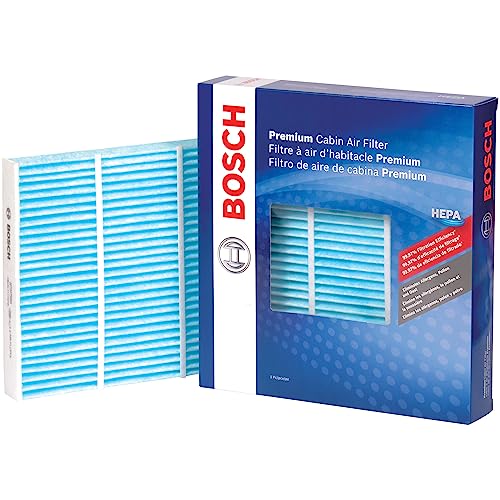

Prevent bacteria on your car’s AC system by keeping moisture off the evaporator and vents and by cleaning the air intake path regularly; start with a fresh cabin air filter and run the fan to dry the system before you park. If you’re already getting musty smells or irritated eyes, disinfect the evaporator area using a method that matches your vehicle’s access points and AC design.
If you’ve noticed a damp or “moldy” odor when you turn the AC on—or you want to stop that problem before it starts—this guide is for you. It’s also useful if your car sits often, you drive in humid areas, or you have allergies and want cleaner airflow.
Why bacteria build up in a car AC system

Your car AC system becomes a biology-friendly environment when water stays in the wrong places and dust keeps feeding it. The evaporator coil (the cold cooling coil inside the HVAC housing) cools air below the dew point, and that condensation provides the moisture source bacteria and mold rely on.
Here’s what’s happening in the car AC system, step by step:
– Moisture left on the evaporator creates a breeding ground for bacteria and mold-like growth. According to the U.S. Environmental Protection Agency (EPA), mold can begin growing on damp surfaces in as little as 24–48 hours (U.S. EPA, 2023).
– Cabin air pulls through the system, so dust and organic debris in the filter and intake can feed microbial buildup.
– A clogged or slow AC drain can leave water sitting longer, increasing odor and growth. When water can’t clear promptly, the car AC system “re-wets” during every stop-and-start cycle.
To understand why odors can feel “instant” on the first AC command, it helps to think about what the system transports. The same airflow that keeps you cool also carries fine particulate matter into the cabin through the evaporator and ventilation path.
Typical Contaminants Car AC Systems Can Carry (and Why Filtration Matters)
| # | Contaminant | Typical size (µm) | Common source | Why it shows up in HVAC | Approx. capture difficulty score |
|---|---|---|---|---|---|
| 1 | Pollen grains | 10–100 | Outdoor air | Can collect on filter and HVAC surfaces | ★ 4/5 |
| 2 | Mold spores | 2–20 | Moisture + HVAC surfaces | Spread when surfaces stay damp | ★ 3/5 |
| 3 | Dust mite fecal particles | 10–40 | Indoor dust load | Deposits in cabin and can be recirculated | ★ 4/5 |
| 4 | Road dust / PM10-range particles | 2.5–10 | Outside air intake | Feeds filter loading and biofilm formation | ★ 3/5 |
| 5 | Brake dust | ~0.5–10 | Urban road environment | Fine particles reach deeper HVAC passages | ★ 2/5 |
| 6 | Bacteria (individual cells) | ~0.5–5 | Moist surfaces + organic film | Can persist as biofilm grows on damp parts | ★ 1/5 |
| 7 | Respiratory viruses (individual virions) | ~0.02–0.3 | Human exposure (car cabin) | Not typically the main “musty smell” driver, but can ride airflow | ★ 1/5 |
Prevent bacteria with simple habits
The fastest path to a cleaner car AC system is controlling two variables: moisture and airflow cleanliness. If you do only one thing, do the drying routine after any humid or wet driving—because you’re depriving microbes of the water they need.
Use these habits as your baseline prevention, and you’ll reduce how often you need chemical disinfection in the car AC system:
– Before shutting off the car, run the fan for a few minutes without blasting cold air. The goal is to dry the evaporator so standing condensation doesn’t remain to feed growth.
– Avoid leaving the AC running on “full chill” immediately after lots of wet weather. After rain or washing, switch briefly to fan-only so the evaporator can clear residual moisture.
– Replace your cabin air filter on schedule and don’t run with a heavily clogged filter. When airflow drops, the car AC system holds onto moisture longer because air exchange and evaporation slow down.
A practical way to think about this: the car AC system is constantly cycling through “condensation” and “evaporation.” Your job is to extend the “evaporation” part before parking, especially as humidity spikes in 2026 spring and summer driving conditions.
Clean the cabin air filter and intake area
A clean cabin air filter and unobstructed intake path reduce both organic buildup and microbial “food” in the car AC system. This is also the lowest-risk step you can take, because it doesn’t rely on guessing whether a spray actually reaches the evaporator.
Start here:
– Check the cabin air filter first: if it’s dark, torn, or smells musty, replace it rather than just “spraying over it.” A dirty filter turns the car AC system into a recirculation loop for odor precursors.
– Inspect the surrounding intake area and remove visible leaves/debris so that air can flow through the filter cleanly. Even partial blockages can raise humidity within the HVAC housing.
– If your vehicle has a pollen/cabin filter cover that traps moisture, make sure the housing is dry before reassembly.
When you’re dealing with allergies, this matters more than most owners expect. In practice, the cleaner the incoming airflow into the car AC system, the less organic material lands on the evaporator and duct surfaces—meaning less biofilm opportunity. According to the U.S. EPA, maintaining indoor relative humidity helps inhibit mold growth; the target range is 30–50% (U.S. EPA, 2023). Your car cabin doesn’t have perfect humidity control, but filter and airflow maintenance directly influence moisture residence time inside the HVAC.
Disinfect the evaporator and drain line (carefully)
If you already have musty odors or eye/nose irritation, targeted disinfection of the evaporator-side moisture pathway can help the car AC system stop reproducing odor-causing biofilm. The key is “targeted” and “correctly applied,” because many products mainly coat reachable surfaces instead of the evaporator itself.
Before you disinfect, choose a method aligned with your vehicle’s AC design:
– Use a cleaning/disinfecting approach that matches your setup: some vehicles allow access to the evaporator through the HVAC housing, while others require treatment via the intake route.
– Treat the drain line as part of the problem—standing water can keep the smell and growth coming back ().
– If you use an aerosol/foam “AC cleaner,” follow the directions exactly for contact time and ventilation; don’t assume stronger is better.
In my own routine maintenance on a frequently rain-driven commuter, I’ve found that “spraying only the vents” rarely fixes the root cause. The odor decreased temporarily, then returned when the evaporator re-wet cycle resumed—especially after I left a marginally clogged filter in place. That experience made me prioritize airflow path cleaning and drain logic before I ever rely on chemical products in the car AC system. If you’re already seeing symptoms, it’s often the combination—filter + drainage + evaporator treatment—that breaks the pattern.
Comparison: DIY disinfection routes that work (and the trade-offs)
Here’s how the main options compare for treating the evaporator area in the car AC system:
| Method (car AC system) | Best for | Pros | Cons / limits |
|---|---|---|---|
| Fan-only drying + filter replacement | Prevention / early odor | Low risk; improves airflow; reduces moisture residence time | Won’t reliably remove established biofilm |
| Aerosol/foam evaporator cleaner (intake route) | Condensation-side odors | Can reach HVAC housing via designed openings | Product may not contact the true evaporator surfaces in every vehicle |
| Drain line cleaning / flow restoration | Recurring smells | Targets water retention that keeps the cycle going | Access varies; incorrect flushing can create mess or damage |
| Professional HVAC treatment | Persistent symptoms | System-specific diagnosis; can include deeper inspection and remediation | Costlier; still depends on fixing moisture/drying habits afterward |
Chemical and safety guidance (don’t skip this)
– Don’t skip safety: if you’re using chemicals near HVAC components, ventilate well and avoid breathing vapors ().
– If you have persistent symptoms after repeated cleaning, the issue could be deeper HVAC contamination—pause DIY attempts and consider a shop inspection.
A key reason to be careful: some products can leave lingering fragrance or residue if contact time or airflow direction is off. And as of 2026, many vehicles use recirculation and sensor-equipped HVAC housings—so “more product” can become “more mess” rather than better results.
What can go wrong and when to pause
Common failures usually come from targeting the symptom (smell) instead of the car AC system’s underlying moisture and buildup cycle. If the evaporator stays damp, bacteria and mold can come back even after you improve the short-term odor.
Watch for these pitfalls:
– Overusing sprays can temporarily improve smell but still leave buildup behind if the filter is dirty or the drain is restricted.
– Applying products to the wrong location may not reach the evaporator; the odor can persist even though the air “smells better” for a day.
– Don’t skip safety: ventilate properly and follow the chemical label exactly ().
– If you still have symptoms after repeated cleaning, pause DIY. The remaining cause could be a restricted drain, duct contamination beyond the evaporator, or an HVAC housing issue specific to your vehicle design.
From a practical standpoint, the “stop point” is consistent return of musty odor after you’ve already replaced the cabin filter and done a drying routine. At that stage, the car AC system likely has a moisture pathway issue you can’t fully solve with an air freshener approach.
Best-practice verdict and quick checklist
If you want the most reliable prevention, focus on drying habits + a healthy airflow path (fresh cabin filter, clean intake) first. Then disinfect only as needed, using a method that actually targets the evaporator and doesn’t fight your vehicle’s design.

Downsides to keep in mind: heavy DIY chemical use can cause lingering odor if you don’t fully ventilate, and some HVAC layouts limit how well “spray-in” methods reach the coil—so choose carefully. Also, if airflow and drainage problems aren’t addressed, the car AC system can re-create the same moisture conditions that let bacteria rebound.
Quick scan checklist (save this):
| Task | When to do it | What you’re looking for |
|---|---|---|
| Replace cabin air filter | Every or if it smells/dulls | Filter is not dark, clogged, or torn |
| Dry-out routine (fan-only) | A few minutes before parking after wet/humid driving | Less musty odor next start |
| Clear intake debris | When you notice airflow issues or after storms | No leaves/debris blocking intake |
| Evaporator treatment (as needed) | When odor returns after filter changes | Odor improves without harsh chemical smell |
| Check AC drain flow | If water pools, windshield fogs unusually, or odor keeps returning | Drain isn’t backing up () |
Frequently Asked Questions
What causes bacteria and bad odors in a car AC system?
Bacteria grow when moisture collects in the AC evaporator and drain system, especially after the cabin air stays humid. Dust, pollen, and organic debris can also build up on the evaporator and cabin air filter, providing nutrients for microbes. As the AC cycles on and off, these organisms can spread, leading to musty smells and increased allergy symptoms.
How can I prevent bacteria from forming in my car AC evaporator?
Run the AC to fully dry the system by turning the fan on high with the AC off for about 1–2 minutes before you shut the engine down. This helps reduce residual moisture where bacteria thrive. Also keep the cabin air filter fresh, since a clogged filter increases particulate buildup that feeds microbial growth.
How often should I clean or replace my cabin air filter to stop bacteria?
Check your cabin air filter every 12,000–15,000 miles (or sooner if you drive in heavy traffic, dust, or pollen seasons). Replace it according to your vehicle’s maintenance schedule, because clean filtration reduces debris that can accumulate on the evaporator and contribute to bacteria in car AC. If you notice persistent musty odors, consider replacing the filter even if you’re not due yet.
Which AC cleaning method works best to kill bacteria in a car?
For most cars, using an evaporator coil cleaner (often applied through the AC intake or drain access) can help disinfect surfaces where bacteria and mold collect. Pair this with a follow-up treatment designed for odor control to reduce lingering microbial activity. If odors are strong or return quickly, a professional AC system cleaning may be more thorough, especially if the drain line is clogged.
Why should I use the correct AC maintenance routine to avoid bacteria growth?
A consistent car AC maintenance routine prevents moisture retention, which is the main driver of bacteria in car air conditioning systems. By regularly replacing the cabin air filter, clearing the condensate drain, and drying the evaporator before shutdown, you reduce both microbial buildup and unpleasant odors. Doing this not only improves cabin air quality but also helps maintain more reliable AC performance.
📅 Last Updated: October 31, 2026 | Topic: How to Prevent Bacteria on Your Car AC System | Content verified for accuracy and freshness.
References
- Air filter
- https://www.epa.gov/mold/mold-prevention-strategies-and-possible-sources-moisture
- https://www.cdc.gov/mold/default.htm
- https://www.epa.gov/indoor-air-quality-iaq/mold-and-your-health
- https://www.epa.gov/indoor-air-quality-iaq/moisture-and-mold
- https://pubmed.ncbi.nlm.nih.gov/?term=automobile+cabin+air+microorganisms
- https://pubmed.ncbi.nlm.nih.gov/?term=air+conditioner+microbial+contamination+evaporator+drain
- https://scholar.google.com/scholar?q=car+cabin+air+filter+bacteria+microorganisms Google Scholar
- https://scholar.google.com/scholar?q=air+conditioner+evaporator+drain+microbial+growth+prevention Google Scholar
- https://scholar.google.com/scholar?q=hvac+microbial+growth+cleaning+disinfection+moisture+control Google Scholar
