

Prevent mildew on MDF furniture by controlling moisture before it has any chance to form. If your MDF pieces are near humidity, spills, or condensation, the most effective steps are simple: seal exposed surfaces, keep the furniture dry and ventilated, and wipe up wet spots immediately. Follow these prevention moves and you’ll stop mildew from taking hold before it starts.



Mildew on MDF furniture is preventable when you stop moisture from entering and then keep indoor humidity under control. Because MDF (medium-density fiberboard) is porous, it can absorb dampness—especially at edges and undersides—so the fastest path to prevention is humidity management, quick drying after spikes, and a sealed, durable finish that’s applied to fully clean and dry surfaces.
This advice is for anyone with MDF dressers, shelves, desks, cabinets, or MDF panels that sit in humid rooms, near windows, basements, bathrooms, or exterior-facing walls. It’s also for people who’ve already noticed a musty smell or dark specks and want a prevention plan that targets where mildew forms.
Stop moisture at the source

The single best way to prevent mildew on MDF furniture is to reduce the moisture load in the room before it soaks into the board. If you keep moisture from reaching MDF (especially the edges and underside), you remove the conditions mildew needs to start and spread.
According to U.S. Environmental Protection Agency (EPA), keeping indoor humidity at or below 60% helps prevent mold growth.
According to U.S. EPA, mold can begin growing on damp materials within as little as 24–48 hours after water exposure.
– Aim to keep indoor humidity roughly in the 30–50% range (use a simple hygrometer to confirm), because persistent damp air helps mold/mildew take hold. In practice, mildew risk on MDF furniture rises when humidity sits high for long periods, not just during one storm day. As of 2026, many “mold prevention” checklists still emphasize humidity control because it tackles the root cause for MDF furniture: moisture reaching porous fibers.
– Prevent direct wetting: wipe up spills fast, avoid leaving damp items on the surface, and don’t store wet towels/linens on MDF cabinets. MDF furniture absorbs water through the surface and—more critically—through seams, cut edges, and joints where the protective finish can be thinner or less uniform.
– Dry conditions matter after humidity spikes: after steam from cooking, shower moisture, or rainy days, run ventilation/dehumidification until the room returns to normal. MDF furniture can “hold” moisture even after the air feels better; drying the environment reduces how fast the board can re-absorb moisture.
If your MDF furniture sits near a window, treat condensation like a regular maintenance issue. Even when water doesn’t pool on the MDF, repeated condensation events can keep edges and undersides damp enough for mildew.
Seal MDF so water can’t soak in
Sealing MDF furniture is the second line of defense—and it’s especially important because MDF is porous and edges are more vulnerable than flat panels. The right coating system creates a barrier that reduces water absorption long enough for mildew prevention measures (humidity control + ventilation) to do their job.
According to U.S. EPA, mold growth is driven by moisture; preventing moisture intrusion into porous materials is a key part of prevention.
According to U.S. EPA, porous materials that are contaminated and cannot be cleaned/dried properly may need to be removed during remediation.
– Protect the edges and underside first—mildew risk is higher where MDF is exposed and can absorb moisture quickly. When you coat MDF furniture, prioritize:
– cut edges (where fibers are exposed),
– the underside (often closest to damp floors or cold surfaces),
– joints and seams (where finishes can be thinner).
– Use a coating system meant for furniture-grade wood protection: clean, dry MDF, then apply a primer/sealer and a durable topcoat, following the coating maker’s instructions for cure time. MDF furniture finishes typically fail when cure time is shortened—so if the coating instructions say full cure takes days, plan around that.
– Don’t “just paint over it” if you already have mildew: you need the surface clean and fully dry before sealing, otherwise you risk trapping contamination under the coating. For mildew on MDF furniture, trapping moisture or spores under a non-porous film can let the problem reappear as the environment remains humid.
What sealing should realistically accomplish (and what it can’t)
Sealing reduces moisture uptake, but it doesn’t eliminate exposure if MDF furniture is repeatedly wetted or left in persistently humid air. If room humidity stays high, mildew prevention still requires the “moisture at the source” steps above—especially for MDF furniture.
Relative Humidity Bands and Mold/Mildew Risk for Porous Materials (U.S. guidance context)
| # | Indoor RH band | Practical implication for MDF furniture | Prevention focus | Mildew likelihood* |
|---|---|---|---|---|
| 1 | 30–39% | Drying between humidity spikes is fast | Routine sealing inspection | ★★☆☆☆ |
| 2 | 40–49% | Low but ongoing risk during local condensation | Keep airflow unblocked | ★★★☆☆ |
| 3 | 50–59% | Borderline for porous boards if condensation occurs | Monitor window/basement edges | ★★★★☆ |
| 4 | 60–64% | EPA “at or below” threshold region | Dehumidify if sustained | ★★★★★ |
| 5 | 65–74% | Mildew becomes much more probable on porous surfaces | Urgent humidity reduction plan | ★★★★★ |
| 6 | 75–84% | Condensation risk increases; MDF edges can stay damp | Move furniture; improve airflow | ★★★★★★ |
| 7 | 85%+ | Sustained damp conditions; mildew can establish quickly | Dehumidify immediately; inspect for damage | ★★★★★★ |
\This table translates U.S. mold-prevention guidance into practical bands for MDF furniture. Use it to prioritize prevention actions; mold outcomes still depend on temperature, ventilation, and whether water actually contacts MDF edges/undersides.
Placement, airflow, and daily habits
Correct placement and airflow decide whether sealed MDF furniture stays “sealed in reality” or repeatedly re-wets at the edges. Even the best coating won’t perform well if MDF furniture is trapped against cold walls, pressed to damp floors, or blocked from drying.
According to U.S. EPA, moisture control includes reducing dampness and improving drying conditions after humidity spikes.
According to U.S. CDC, preventing mold growth focuses on moisture control rather than relying on surface treatments alone.
– Keep furniture off damp floors and away from moisture sources: use felt/rubber feet, avoid direct contact with cold/wet concrete, and don’t park pieces flush against exterior walls. In many homes, MDF furniture on a basement slab experiences the worst combination of high ambient humidity and cold surfaces that encourage condensation.
– Improve airflow around the furniture so the surface can dry: leave a small gap from walls, don’t block vents, and avoid covering MDF with non-breathable liners. When MDF furniture can’t dry, it stays closer to its “equilibrium moisture” state for longer—meaning mildew prevention becomes much harder even with an intact topcoat.
– Do quick checks during humid seasons: look at corners, joints, and any area that’s been handled frequently (handles, drawer fronts, shelf lips). Those spots combine mechanical wear (which can thin the finish) and frequent touch (which can transfer oils and dust that hold moisture films).
A small habit makes a big difference: after a rainy week, check the underside and the back edge of MDF shelves. These areas often show early discoloration even before you notice a musty smell.
What can go wrong (and common mistakes)
Mildew prevention fails most often when the moisture problem continues—or when contaminated MDF is sealed before it’s truly clean and dry. If MDF furniture already has active mildew, the plan must start with remediation principles, not just fresh paint or a new sealer.
According to U.S. EPA, porous materials with mold that cannot be cleaned or that remain damp may require removal during remediation.
According to CDC, mold prevention is centered on moisture control, and health risks increase with exposure to indoor mold.
– Using a sealant or paint on MDF that’s still damp or already contaminated can trap mildew growth underneath. If the MDF furniture smells musty or has visible dark specks, treat moisture and contamination first, then seal only after thorough drying.
– Over-spraying or soaking MDF during cleaning: MDF is porous, and excess liquid can drive moisture deeper even if the surface looks clean afterward. For mildew cleanup on MDF furniture, dampness control is as important as the cleaning chemistry.
– Assuming “surface mildew” is harmless: if mildew has penetrated (mushy areas, swelling, persistent odor), cleaning may not fully stop it—replacement may be the only reliable fix. MDF furniture that has softened or warped often indicates deeper moisture involvement.
– Skipping humidity control: if the room stays consistently damp, even a well-sealed piece may eventually develop issues, especially at seams and edges. Sealing helps, but it cannot override a persistently humid basement, bathroom without strong exhaust, or a window-wall condensation cycle.
Pros/cons: sealing over versus fixing the moisture root
| Approach for MDF furniture | Pros | Cons | Best for |
|---|---|---|---|
| Seal only after moisture is corrected | Lower chance of re-growth | Requires drying time + humidity control | Recurring mildew with no deep board damage |
| Seal immediately over visible spots | Faster “finish refresh” | High risk of trapping growth/odor under coating | Usually not recommended for MDF |
| Replace severely affected MDF | Most reliable outcome | Higher cost and labor | Warping, persistent odor, soft/crumbly board |
Verdict / tip: what’s worth doing (and what to skip)
If you want the best odds of preventing mildew on MDF furniture, focus on prevention in this order: control humidity → keep MDF from getting wet → seal edges/undersides properly → improve airflow and spacing. The downside is time and attention: sealing takes drying/cure time, and humidity control may require a dehumidifier—particularly in basements.
According to EPA, humidity control is a core strategy for preventing mold growth on materials.
According to EPA, mold can begin growing quickly after materials get wet (often within 24–48 hours), so acting promptly matters.
The most honest way to “DIY smarter” is to match your fix to the damage:
– Small spot on a drawer front (likely localized): Clean and dry thoroughly, remove loose surface growth, then seal after the MDF furniture is fully dry and the surrounding finish is stable. Focus touchpoints (drawer fronts, handle areas) where wear can thin the finish.
– Mildew on the underside or back edge (often moisture-path related): Treat placement and airflow first—elevate the furniture, increase ventilation, and address condensation. Then seal edges/undersides with the correct primer/sealer + topcoat system after drying.
Skip (or rethink) the “DIY salvage” approach if:
– The MDF is already swollen, warped, crumbling, or has a persistent musty odor after drying.
– Mildew covers a large area or has returned repeatedly—at that point, removal/replacement is often more dependable than repeated cleaning and sealing.
Quick checklist (save this)
| Task | How often | Why it matters |
|---|---|---|
| Check room humidity (30–50% target) | Weekly/seasonal | Damp air drives mildew risk |
| Wipe spills immediately; don’t let water sit | After any spill | Prevents moisture absorption |
| Inspect edges, seams, undersides, and corners | Monthly | These spots soak up water fastest |
| Ensure airflow: small gap from walls; don’t block vents | Ongoing | Helps MDF dry between humidity spikes |
| Keep furniture off damp surfaces (use feet/pads) | Ongoing | Reduces moisture transfer from below |
| Clean small spots gently, then fully dry before sealing | As soon as noticed | Prevents trapping mildew under coating |
Frequently Asked Questions
What causes mildew to grow on MDF furniture?
Mildew on MDF furniture typically develops when moisture gets trapped in or on the material, especially in humid rooms or after spills. MDF (medium-density fiberboard) is more vulnerable than solid wood because it can absorb humidity and then provide a surface where mold spores thrive. Poor ventilation, condensation, and storing items against damp walls can all accelerate mold growth.
How can I prevent mildew on MDF furniture in a humid room?
Keep indoor humidity ideally between 30–50% using a dehumidifier or air conditioner, and improve airflow with fans or open windows when weather allows. Avoid placing MDF furniture directly against exterior walls where dampness and condensation can occur. Wipe down surfaces regularly and dry any moisture quickly to reduce the chance mildew forms.
How should I seal MDF furniture to resist mildew and moisture?
Use a high-quality sealant or paint designed for moisture resistance, paying extra attention to edges and cut surfaces where MDF absorbs more water. Apply multiple thin coats rather than one thick coat, and allow full curing time before putting furniture back into service. If possible, choose a waterproof topcoat and consider adding a clear protective finish for easier cleaning.
Which cleaning routine helps stop mildew from returning on MDF?
Dust and clean MDF surfaces weekly with a lightly damp cloth, then dry immediately with a microfiber towel to prevent lingering moisture. For early mildew spots, clean with a mildew-safe solution and follow up by drying thoroughly; don’t leave damp cleaner residue on the surface. Avoid soaking MDF during cleaning, and never let spills sit—quick drying is key to preventing mildew recurrence.
Best practices to protect MDF furniture from mildew during seasonal humidity changes?
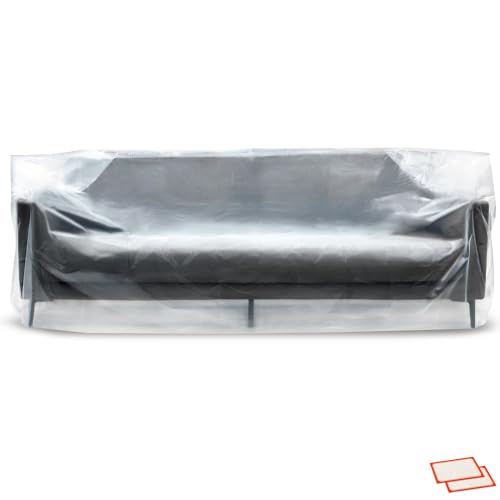
As seasons shift, monitor humidity levels and adjust ventilation to prevent condensation on furniture surfaces. Use furniture covers only if they are breathable; non-breathable covers can trap moisture and encourage mildew. Place MDF furniture with a small gap from walls and ensure it’s not stored in damp basements or garages without climate control.
📅 Last Updated: October 21, 2026 | Topic: How to Prevent Mildew on Your MDF Furniture | Content verified for accuracy and freshness.
References
- https://www.cdc.gov/mold/default.htm
- https://www.epa.gov/mold/mold-prevention-and-remediation
- https://www.who.int/news-room/fact-sheets/detail/dampness-and-mould
- Mold – Overview | Occupational Safety and Health Administration
- https://www.energy.gov/energysaver/maintain-proper-indoor-humidity
- https://www.hud.gov/program_offices/healthy_homes/mold
- Mold
- https://scholar.google.com/scholar?q=preventing+mold+indoor+relative+humidity+60 Google Scholar
- https://scholar.google.com/scholar?q=mold+growth+on+wood+moisture+content+control Google Scholar
- https://scholar.google.com/scholar?q=mdf+moisture+microbial+growth+mildew Google Scholar
