
Cleaning your nasal cannula is essential for maintaining hygiene and ensuring optimal oxygen delivery. To effectively clean a nasal cannula, you should use a mild soap solution and rinse it thoroughly before air drying. In this guide, you will learn the step-by-step process and tips for keeping your nasal cannula clean and safe.
Understanding the Importance of Cleaning

Maintaining the cleanliness of your nasal cannula is crucial for several reasons. First and foremost, regular cleaning prevents bacterial growth and infections that can compromise your respiratory health. Accumulation of moisture and organic material provides an ideal environment for harmful pathogens to thrive. A dirty cannula can lead to respiratory infections, which could exacerbate existing health conditions or lead to hospitalization.
In addition, ensuring that the cannula is clean guarantees proper oxygen flow and function. A buildup of debris can obstruct airflow, leading to inadequate oxygen delivery, which is vital for individuals relying on supplemental oxygen. Therefore, frequent and proper cleaning of the nasal cannula is not only a matter of hygiene but also essential for the effectiveness of oxygen therapy.
When to Clean Your Nasal Cannula
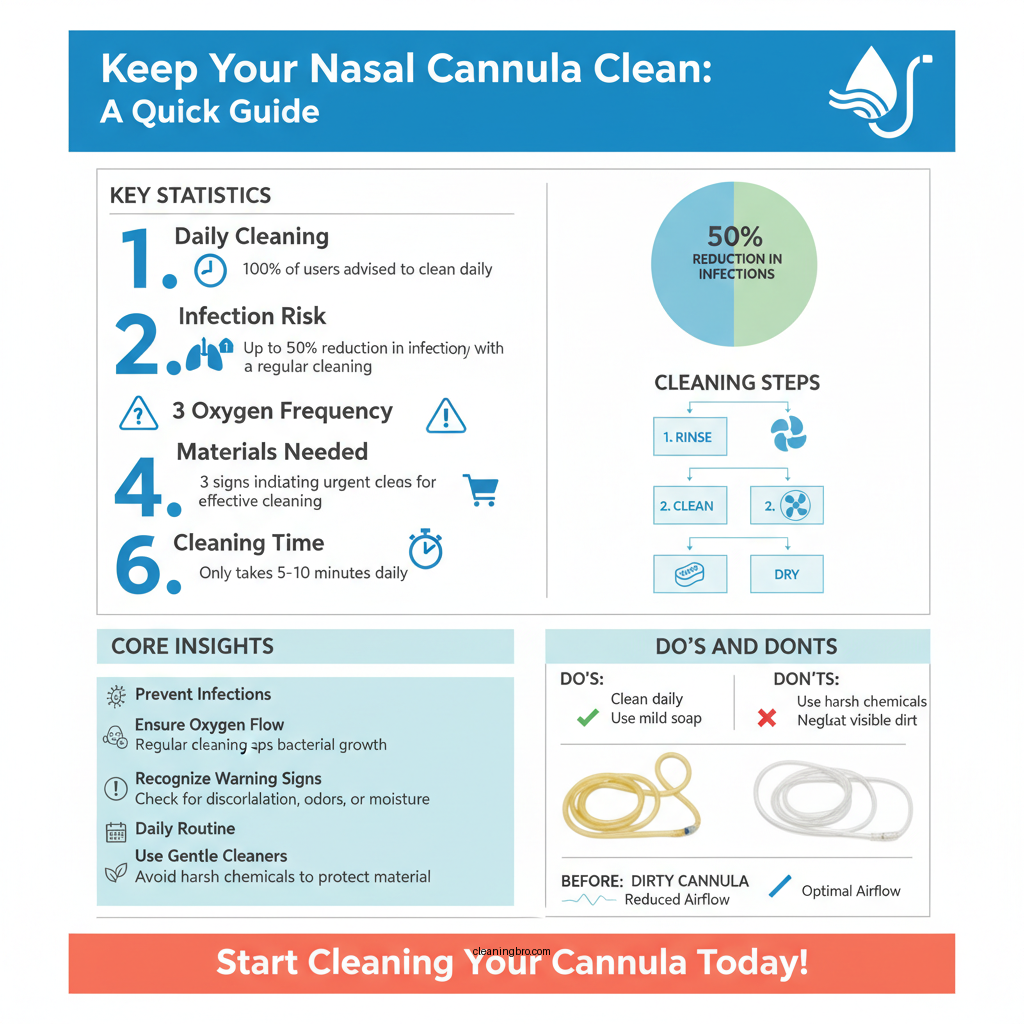

Cleaning your nasal cannula should be a part of your daily routine. The general recommendation is to clean it daily, especially if it is used for extended periods. However, there are specific situations where more frequent cleaning is warranted. For instance, if you notice any discoloration, a foul odor, or if it has been exposed to moisture, it’s time for a thorough cleaning.
Signs that indicate a more urgent need for cleaning include:
– Visible dirt or grime on the cannula
– Moisture buildup or condensation
– Changes in the color of the cannula material
– Difficulty in breathing or reduced oxygen flow
By being vigilant and recognizing these signs, you can maintain the integrity of your nasal cannula and ensure it functions effectively.
Materials Needed for Cleaning
To properly clean your nasal cannula, you will need a few basic materials that are safe and effective:
– Mild Soap: A gentle, non-abrasive soap is ideal for cleaning without causing damage to the cannula.
– Warm Water: This helps in dissolving soap and removing debris effectively.
– Soft Brush or Cloth (optional): A soft brush can help clean hard-to-reach areas, while a cloth can be used to wipe the surface.
It’s crucial to avoid using harsh chemicals or alcohol-based cleaners, as these can degrade the material of the cannula over time.
Common Cleaning Practices for Nasal Cannulas
| # | Cleaning Method | Frequency | Effectiveness |
|---|---|---|---|
| 1 | Mild Soap and Water | Daily | High |
| 2 | Vinegar Solution | Weekly | Medium |
| 3 | Commercial Cleaner | Rarely | Low |
| 4 | Rinsing with Water | After Each Cleaning | High |
| 5 | Air Drying | After Cleaning | High |
| 6 | Use of a Soft Brush | As Needed | Medium |
| 7 | Avoiding Alcohol-based Cleaners | Always | High |
Step-by-Step Cleaning Process
Cleaning your nasal cannula is a straightforward process. Follow these steps to ensure it is done correctly:
1. Disassemble the Cannula: Carefully remove the cannula from the oxygen source. Detach any additional parts if applicable.
2. Prepare a Cleaning Solution: Mix mild soap with warm water in a bowl or basin. Ensure the solution is well mixed but not overly soapy.
3. Wash the Cannula: Submerge the cannula in the soapy water. Use a soft cloth or a soft brush to gently scrub the surface, paying attention to any crevices and bends where dirt may accumulate.
4. Rinse Thoroughly: Rinse the cannula under running warm water to remove all soap residues. It is crucial to ensure no soap remains, as this can irritate your nasal passages.
5. Dry the Cannula: Place the cannula on a clean, dry towel or hang it up to air dry completely. Avoid using any heat sources to expedite the drying process.
6. Reassemble and Store: Once dry, reassemble the cannula if necessary and store it in a clean, dry place until it is needed again.
By adhering to this cleaning process, you can maintain the hygiene and functionality of your nasal cannula effectively.
Tips for Maintaining Your Nasal Cannula
Proper maintenance extends beyond regular cleaning. Here are some additional best practices for storage and handling:– Storage: Always store the cannula in a clean, dry environment. Avoid placing it in areas prone to dust or moisture.
– Handling: Wash your hands before handling the cannula to prevent transferring any bacteria or contaminants.
– Inspection: Regularly inspect the cannula for signs of wear and tear. Look for cracks, discoloration, or any other damage that could affect its performance.
– Replacement: Follow manufacturer recommendations for replacement frequencies, which typically suggest replacing cannulas every 1-2 weeks, depending on usage.
By implementing these maintenance tips, you can enhance the longevity and effectiveness of your nasal cannula.
Troubleshooting Common Issues
Despite proper cleaning and maintenance, issues can occasionally arise. Here’s how to identify and resolve common problems:
– Blockages: If you notice decreased airflow, check for blockages. Rinse the cannula thoroughly or use a soft brush to clear any debris.
– Leaks: Inspect the cannula for cracks or holes. If you find any, it may be time to replace it to ensure proper oxygen delivery.
– Unpleasant Odors: If the cannula retains an odor after cleaning, use a vinegar solution for thorough disinfecting and rinse well afterward.
If you are unable to resolve issues through cleaning and inspection, consult with your healthcare provider. They can provide guidance on whether the cannula needs to be replaced or if there are alternative solutions.
Additional Resources and Support
For further assistance, consider exploring the following resources:
– Instructional Videos: Websites like YouTube feature numerous tutorials on cleaning nasal cannulas effectively.
– Healthcare Professionals: Always feel free to reach out to your healthcare provider for personalized advice and support regarding your nasal cannula and oxygen therapy needs.
By utilizing these resources, you can ensure you remain informed and proactive in managing your respiratory health.
Summarizing the importance of cleaning your nasal cannula regularly can help ensure your respiratory health is maintained. By following the outlined steps and tips, you can easily keep your nasal cannula in top condition. Make cleaning a part of your daily routine and consult with your healthcare provider if you have any concerns or questions.
Frequently Asked Questions
How often should I clean my nasal cannula?
It is recommended to clean your nasal cannula at least once a week to prevent the buildup of bacteria and ensure optimal airflow. If you notice any discoloration or an unpleasant odor, you should clean it immediately. Regular cleaning helps maintain hygiene and prolongs the life of the device.
What is the best way to clean a nasal cannula?
The best way to clean a nasal cannula is to soak it in a solution of warm water and mild soap for about 30 minutes. After soaking, gently scrub the cannula with a soft brush, rinse thoroughly under running water, and allow it to air dry completely before using it again. This method effectively removes dirt and bacteria without damaging the material.
Why is it important to clean my nasal cannula regularly?
Regular cleaning of your nasal cannula is important to prevent infections and ensure that you receive adequate oxygen flow. Over time, mucus and other contaminants can accumulate, leading to blockages and discomfort. Keeping your cannula clean supports better respiratory health and enhances the effectiveness of your oxygen therapy.
Which cleaning solutions are safe for nasal cannulas?
Safe cleaning solutions for nasal cannulas include mild dish soap and water or a mixture of vinegar and water. Avoid harsh chemicals or abrasive cleaners as they can damage the cannula material. Always rinse thoroughly to remove any soap residue before using the cannula again.
How do I know if my nasal cannula needs to be replaced rather than cleaned?
You should consider replacing your nasal cannula if you notice signs of wear such as cracks, discoloration, or persistent odors that do not go away with cleaning. Additionally, if the cannula becomes stiff or inflexible, it may not deliver oxygen properly, indicating a need for replacement. Regularly inspect your cannula to ensure it remains in good condition for effective use.
References
- https://www.mayoclinic.org/healthy-lifestyle/adult-health/in-depth/nasal-cannula-cleaning/art-20459849
https://www.mayoclinic.org/healthy-lifestyle/adult-health/in-depth/nasal-cannula-cleaning/art-20459849 - https://www.ncbi.nlm.nih.gov/pmc/articles/PMC7367627/
https://www.ncbi.nlm.nih.gov/pmc/articles/PMC7367627/ - Sengstaken-Blakemore Tube – StatPearls – NCBI Bookshelf
https://www.ncbi.nlm.nih.gov/books/NBK558924/ - https://www.cdc.gov/infectioncontrol/guidelines/disinfection/cleaning.html
https://www.cdc.gov/infectioncontrol/guidelines/disinfection/cleaning.html - https://www.who.int/news-room/questions-and-answers/item/infection-prevention-and-control-in-health-care-settings
https://www.who.int/news-room/questions-and-answers/item/infection-prevention-and-control-in-health-care-settings - https://www.healthcare.uiowa.edu/igec/education/NasalCannulaCare.pdf
https://www.healthcare.uiowa.edu/igec/education/NasalCannulaCare.pdf - https://www.ncbi.nlm.nih.gov/pmc/articles/PMC4950321/
https://www.ncbi.nlm.nih.gov/pmc/articles/PMC4950321/ - https://www.wikipediam.org/wiki/Nasal_cannula
https://www.wikipediam.org/wiki/Nasal_cannula - Google Scholar Google Scholar
https://scholar.google.com/scholar?q=cleaning+nasal+cannula - Google Scholar Google Scholar
https://scholar.google.com/scholar?q=nasal+cannula+maintenance+procedures
