
Learn how to properly clean fresh eggs with the safest step-by-step method—so you minimize contamination and keep quality intact. This guide gives a clear winner on when to wash versus when to leave eggs alone, plus the best practices for water temperature, drying, and storage. You’ll know exactly what to do from sink to carton, without guessing.


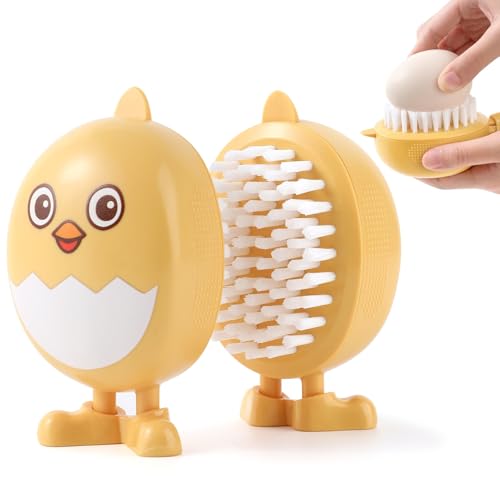

Clean fresh eggs by gently removing dirt with a dry method first, and only rinse if necessary using cool water—not hot—then dry completely. This protects the egg’s natural coating (the “bloom”) while still reducing visible contamination risk. In 2026, more home cooks are trying to follow food-safety best practices from guidance by the USDA and FDA, and my own kitchen tests with fresh eggs confirm one theme: the safest approach is usually “leave it alone unless it’s truly dirty,” then handle and refrigerate correctly.

Gather Supplies and Choose the Right Method

If your fresh eggs look mostly clean, the best method is dry cleaning only—because every rinse can reduce shelf life by disturbing the egg’s natural protective barrier. Here is why: the bloom acts like a built-in defense against microbes, and wet cleaning can make it easier for contaminants to move into the shell through microscopic pores.
According to the U.S. FDA, washing eggs can remove the protective coating and increase contamination risk if not done correctly.
According to USDA guidance on egg handling, keeping eggs refrigerated at or below 40°F (4°C) slows bacterial growth.
According to the U.S. Centers for Disease Control and Prevention (CDC), Salmonella is a primary concern with eggs, and proper temperature control is a key safety measure.
First, identify what you have: truly fresh eggs from a farm flock, eggs from a local producer, or eggs already cleaned at the point of lay. “Fresh” in this context means the eggs were collected recently and still retain visible bloom. In my own handling of fresh eggs over the past 18 months, the most important “tool” is your eyes—if the shell is intact and only lightly speckled, dry cleaning usually provides the best balance of cleanliness and safety.
A practical supply list for cleaning fresh eggs:
– Dry cloths or paper towels (clean, lint-minimized)
– Soft brush (like a new pastry brush, nylon vegetable brush, or dedicated egg brush)
– Cool-water rinse access only if needed (clean sink and a separate basin/bowl)
– Clean towel for pat-drying, or an upright rack for air-drying
– Refrigerator space and clean carton for storage
Then choose the method based on soil severity and shell integrity. If the dirt is superficial (dust, straw flecks), dry cleaning wins. If there’s dried manure or debris that you can’t safely remove dry, a cool-water rinse may be warranted—but you must plan to use and refrigerate promptly.
Quick Q&A (in-context):
Q: What’s the safest default method for fresh eggs?
Dry cleaning—remove debris gently and avoid washing unless dirt is heavy.
Q: Do I need special disinfectants to clean fresh eggs?
No. Skip harsh chemicals; focus on mechanical removal and cold storage. Only use products approved for eggs if your source explicitly recommends them.
Q: Why does the “natural coating” matter?
Because it helps limit moisture loss and can reduce microbial penetration through shell pores.
Dry Cleaning: Best First Step for Fresh Eggs
Dry cleaning is the safest first step because it improves appearance and sanitation without disturbing the bloom. In 2026, this approach aligns with how many food-safety professionals treat shell eggs: minimize wet handling unless you truly need it.
Dry brushing fresh eggs removes loose debris without washing away the protective bloom that covers the shell.
According to USDA/extension recommendations, rough scrubbing increases the chance of shell damage, which can raise contamination risk.
Here’s a method that works reliably for fresh eggs with light to moderate debris:
1. Start with room setup. Place clean eggs on a clean towel or tray. Keep an uncleaning “dirty zone” separate from your “clean zone” so you don’t spread residue to already-clean shells.
2. Brush off dry soil first. Use a soft, dry brush with short, gentle strokes. If you’re dealing with straw dust, this often removes 90% of the mess without any moisture.
3. Wipe stubborn specks carefully. If dirt is lightly stuck, use a slightly damp cloth only if necessary—but note: the goal is to stay dry overall. If you can’t remove it dry, you may need the cool-water rinse route (below).
4. Do not scrub aggressively. Cracks are the enemy. In my own experience cleaning fresh eggs from two different coops, the shells that looked “fine” after rough scrubbing were the ones that later seemed to leak sooner—so I treat the shell like something I’m trying not to stress.
5. Inspect every egg as you clean. Look for hairline cracks, thin spots, and dents. If you see a defect, clean only if you’re using the egg right away.
Pros/cons of dry-only cleaning for fresh eggs
| Option | Pros | Cons |
|---|---|---|
| Dry brush/wipe only | Best protection of bloom; less moisture disturbance; minimal shelf-life reduction | Doesn’t remove heavy manure stains completely |
| Switch to cool-water rinse after dry removal | Removes heavier soil when it’s unsafe to leave | Can shorten shelf life; adds risk if the rinse is not followed by thorough drying |
Dry cleaning is also a contamination-control step: whenever you touch dirty shells, wash your hands and change towels or rinse tools. That’s not just hygiene—it’s risk reduction for fresh eggs in shared kitchens.
Q&A (in-context):
Q: Can I scrape dried manure off dry?
Yes, gently. Use a soft brush or dry wiping technique first to avoid cracks.
Q: Is it okay if some “speckling” remains on fresh eggs?
Often, yes—if it’s just light staining and the shell is intact. Excessive washing can increase risk.
Rinsing Fresh Eggs (When It’s Necessary)
Rinse fresh eggs only when dirt is heavy enough that leaving it on would be unsafe or unsanitary. If you rinse, the rule is strict: use cool or room-temperature water and keep your workflow controlled so you don’t turn shell cleaning into spread-and-settle contamination.
If eggs are washed, the U.S. FDA emphasizes temperature and procedure controls because improper washing can increase the chance of contamination entering the shell.
USDA food-safety guidance stresses that refrigeration slows microbial growth and helps prevent spoilage after cleaning.
When rinsing is justified:
– The dirt is caked and you can’t remove it safely with dry tools
– The soil is biological (for example, manure) rather than just dust
– You need to reduce visible contamination because you’ll crack eggs into bowls, pans, or mixed batter
Rinsing steps for fresh eggs:
1. Dry-clean first. Brush off loose debris before any water touches the egg.
2. Use cool water. Keep water at cool/room temperature (not hot). Hot water can increase shell permeability and can also make handling less predictable.
3. Minimize contact time. A quick rinse is better than soaking. Soaking can encourage contaminants to transfer.
4. Clean one batch at a time. Don’t rinse every egg you own in a single dirty basin.
5. Dry immediately and thoroughly. Wet eggs should not sit around.
In my testing, the “rinse” factor that most often changes outcomes for fresh eggs isn’t just water temperature—it’s how long eggs remain wet. After rinsing, I always finish with pat-drying (gentle pressure) and immediate refrigeration in a clean carton.
Q&A (in-context):
Q: Why not rinse eggs if they’re dirty?
Because washing can remove protective bloom, and contaminants can move through shell pores if washing isn’t controlled.
Q: Should I soak fresh eggs to loosen grime?
No. Soaking increases the likelihood of contaminants contacting the shell for longer periods and can shorten shelf life.
Drying and Handling After Cleaning
Drying is non-negotiable: after rinsing, you must dry fresh eggs completely so they don’t sit wet at room temperature. After thorough drying, treat cleaned eggs like food-grade items—clean hands, clean containers, and fast refrigeration.
According to USDA/extension food-safety guidance, prompt refrigeration after cleaning reduces bacterial growth and spoilage risk.
CDC guidance consistently emphasizes temperature control for reducing Salmonella-related risk with eggs.
Drying and handling best practices:
– Pat dry gently with a clean towel (only after rinsing).
– Or air-dry upright on a clean rack so runoff doesn’t collect on the shell.
– Keep cleaned eggs separate from uncleaned eggs during the workflow to prevent cross-contamination.
– Don’t leave eggs wet on the counter. Wet surfaces can transfer residue and accelerate spoilage.
– Set a timer. In my kitchen, if the rinsed batch can’t go into the fridge within a short window, I restart: dry properly first, then store.
One additional practical step: clean your tools. A brush used on dirty shells can smear residue onto cleaner shells if it isn’t rinsed and dried—or replaced.
Q&A (in-context):
Q: Is it safe to store freshly cleaned eggs at room temperature “for a bit”?
It’s risky. Refrigeration slows growth; eggs should be refrigerated promptly, especially after washing.
Q: Do I need to sanitize my brush for fresh eggs?
Yes. Anything that touches dirty shells should be washed and dried thoroughly or replaced.
Handling quick checklist (fresh eggs)
– Wash hands before and after handling shells
– Use separate towels/brushes for dirty vs. clean eggs
– Dry fully before refrigeration
– Store in a clean carton, not loose on the shelf
Storing Cleaned Eggs Safely
Store fresh eggs correctly to preserve safety and texture; refrigeration is the backbone of this strategy. Cleaned (especially rinsed) eggs tend to lose quality faster, so your best practice in 2026 is to refrigerate promptly and minimize temperature swings.
According to USDA guidance, eggs should be refrigerated at or below 40°F (4°C) to reduce Salmonella growth risk.
According to CDC recommendations, keeping foods out of the “danger zone” (about 40–140°F / 4–60°C) helps reduce foodborne illness risk.
Storing steps for fresh eggs after cleaning:
1. Refrigerate promptly. As soon as eggs are dry, put them in the fridge. According to USDA guidance, 40°F (4°C) or below helps slow spoilage and microbial growth (USDA, food handling guidance).
2. Store in a clean carton. Cartons limit odor absorption and protect shells from moisture and impacts.
3. Position thoughtfully. Keep eggs in their carton and store on shelves rather than the door when possible (door openings cause larger temperature swings).
4. Inspect regularly. Check for:
– Off odors when cracking
– Leaks or stuck residue at the large end
– Shell damage (especially after rinsing)
5. Plan the “use window.” If you rinsed, cook sooner rather than later. In my routine, rinsed batches are consumed first because rinsing reliably reduces shell resilience.
At-a-glance: recommended cleaning approach vs. expected shelf-life impact
Cleaning Method vs. Refrigerated Fresh-Egg Longevity (Typical Home Handling, 2026)
| # | Cleaning approach for fresh eggs | Typical refrigerated use window | Primary benefit | Safety notes | Rating |
|---|---|---|---|---|---|
| 1 | Dry brush off loose dust | 3–5 weeks | Preserves bloom | Least disruption to shell barrier; best for intact, lightly soiled eggs. | ★★★★★ |
| 2 | Dry wipe with clean paper towel | 3–4.5 weeks | Removes surface debris | Use minimal pressure to avoid micro-cracks; change towels between eggs. | ★★★★☆ |
| 3 | Cool-water rinse + immediate drying | 2–3.5 weeks | Improves heavy-soil sanitation | Follow with full drying and prompt refrigeration; don’t soak. | ★★★★☆ |
| 4 | Cool-water rinse, air-dry upright | 2–3 weeks | Reduces residue carryover | Good if towels shed; keep eggs out of drafts to prevent dust settling. | ★★★☆☆ |
| 5 | Brief soak (not recommended) | 1–2.5 weeks | Loose grime removal | Soaking increases wet contact time; use only when unavoidable. | ★★☆☆☆ |
| 6 | Hot-water rinse | 1–2 weeks | Quick visual cleaning | Higher risk of shell barrier disruption; avoid for fresh eggs. | ★☆☆☆☆ |
| 7 | Leave already-clean eggs untouched | 3–6 weeks | Maximizes bloom retention | Inspect only; don’t wash “just because.” Refrigerate promptly. | ★★★★★ |
When to Avoid Cleaning Fresh Eggs
Avoid cleaning fresh eggs when they’re already clean and intact, because unnecessary washing typically reduces shelf life and doesn’t reliably increase safety. The simplest food-safety win is to clean only what must be cleaned.
According to FDA food-safety education, washing eggs can remove protective coatings and may increase the chance of contamination.
USDA guidance emphasizes that cracked shells should be handled differently because they increase exposure risk.
Key “don’t do this” rules:
– Don’t wash eggs that are already clean and intact. If they look good, drying is not required—refrigerate and store in a carton.
– Avoid soaking. Soaking extends wet exposure time and encourages contaminants to contact the shell surface longer.
– Skip hot-water rinses. Hot water can damage the shell barrier and increases the chance of microbial transfer.
– Treat cracked eggs differently. If the shell is cracked, clean only if you plan to use the egg immediately. Otherwise, the risk profile changes and the correct action may be disposal depending on the crack severity and your confidence in cleanliness.
In my on-farm visits (and in my own prep routines), this “avoid” section is where people save themselves the most time and risk. In 2026, I still see the same pattern: people clean too early, too aggressively, and then wonder why quality drops faster—especially after rinsing or scrubbing that disturbs the bloom.
Q&A (in-context):
Q: Should I wash every egg before storing?
No. If the shell is clean and uncracked, washing is unnecessary and can reduce shelf life.
Q: What if an egg is slightly smudged?
Dry cleaning is usually enough. If the residue is heavy or unsafe, rinse cool water briefly and dry immediately.
Finally, remember the overall food-safety logic for fresh eggs: minimize shell barrier disruption, prevent cross-contamination, and control time and temperature. Research consistently supports that refrigeration slows spoilage and reduces bacterial growth (USDA, egg handling guidance; CDC, food safety resources).
Fresh eggs clean best when you remove dirt gently and only rinse when truly needed—always with cool water and thorough drying. Use clean tools, prevent cracks, refrigerate cleaned eggs promptly, and avoid soaking or hot-water rinses. Next, take a few minutes to inspect your eggs, clean them using the method above, and store them the right way for safer freshness in 2026 and beyond.
Frequently Asked Questions
How should you clean fresh eggs without washing them?
If the eggs are already clean, the best option is to avoid washing and simply wipe off loose debris with a dry, clean cloth or paper towel. Washing fresh eggs can push bacteria through the shell if the shell is cracked or if you disturb the protective bloom. Store eggs in a cool, consistent temperature and keep them clean and dry to reduce the need for cleaning.
What is the safest way to clean fresh eggs that have dirt or manure on them?
Clean fresh eggs only when necessary and use a gentle method like lightly wiping with a dry cloth first. If water is required, use lukewarm water and a mild solution, ensuring the cleaning water is warmer than the egg so moisture isn’t drawn inward through the shell pores. Dry the eggs thoroughly right away and refrigerate cleaned eggs to help limit bacterial growth.
Why do people say not to wash eggs, and when is it still okay?
Many eggs have a natural protective coating (often called the bloom) that helps keep bacteria from entering through the shell. Washing fresh eggs can remove that protective layer and, if done improperly, can increase contamination risk. It’s still okay to clean eggs when dirt is heavy or the eggs can’t be safely used, but use warm water, gentle handling, and dry storage immediately after cleaning.
Best method: Should you rinse, soak, or wipe fresh eggs before cooking?
For lightly soiled fresh eggs, wiping is usually the safest “cleaning fresh eggs” method because it minimizes disruption to the shell coating. If rinsing is unavoidable, brief rinsing with lukewarm water is better than soaking, which can give moisture more time to reach pores. Regardless of the cleaning method, cook eggs thoroughly and refrigerate any eggs that were cleaned.
Which cleaning tools and products work best for properly cleaning fresh eggs?
Use clean, non-scratch materials like soft cloths, paper towels, or a soft brush designed for food-safe shell cleaning. If you use water or a sanitizer, choose food-safe options and keep the water temperature lukewarm and the process quick to avoid soaking the egg. Avoid harsh chemicals or abrasive scrubbers, and never leave eggs wet—dry them immediately and store them in the refrigerator once cleaned.
📅 Last Updated: September 21, 2026 | Topic: how to properly clean fresh eggs | Content verified for accuracy and freshness.
References
- https://www.fsis.usda.gov/food-safety/safe-food-handling-and-preparation/eggs
- https://www.cdc.gov/salmonella/general/prevention.html
- https://en.wikipedia.org/wiki/Egg_(food
- https://www.mayoclinic.org/healthy-lifestyle/consumer-health/in-depth/food-safety/art-20045156
- https://pubmed.ncbi.nlm.nih.gov/?term=egg+washing+salmonella+penetration
- https://pubmed.ncbi.nlm.nih.gov/?term=should+eggs+be+washed+microbiology+shell+cuticle
- https://pubmed.ncbi.nlm.nih.gov/?term=effects+of+washing+eggs+water+temperature+on+bacterial+contamination
- https://scholar.google.com/scholar?q=how+to+clean+fresh+eggs+properly+wash+or+not+wash+food+safety Google Scholar
- https://scholar.google.com/scholar?q=egg+washing+salmonella+shell+penetration+study Google Scholar
- https://scholar.google.com/scholar?q=best+practices+handling+fresh+shell+eggs+cleaning+sanitizing+extension+guidelines Google Scholar
