

Want to stop your wooden shoe rack from sun damage and fading? Choose UV-blocking protection—either a high-quality exterior sealant or a clear polyurethane with UV inhibitors—because it’s the most reliable way to prevent discoloration while keeping the wood’s finish intact. You’ll also learn the simple placement tweaks and re-coating schedule that make the protection last through repeated exposure.


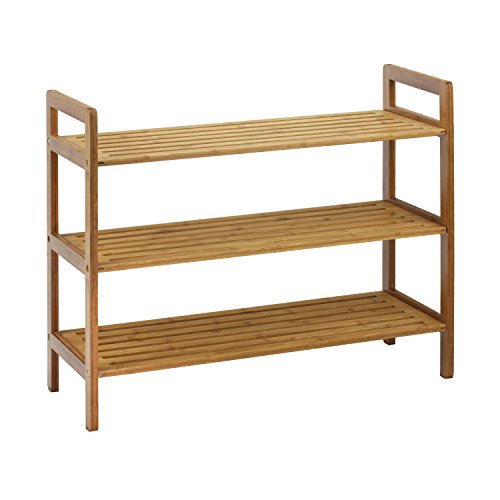

Protect your wooden shoe rack from sun damage by moving it out of direct sunlight and sealing it with a clear, UV-protective topcoat. Start with cleaning and letting the wood fully dry, then apply a finish designed to resist UV fading and re-coat according to the product’s directions. After that, use curtains/window film or repositioning so the rack sees less direct light day after day. This is for you if your shoe rack sits near a bright window or gets regular sun exposure and you’re noticing dulling, color shift, or faded grain—even indoors.
Assess sun exposure and the rack’s current finish

If your wooden shoe rack is fading, the fastest path is to identify whether the problem is caused by direct UV rays and how your current finish is holding up. This matters because UV protection is only effective when the clear layer can actually bond to the surface and remain intact over time.
UV Index categories are commonly reported as: 0–2 low, 3–5 moderate, 6–7 high, 8–10 very high, and 11+ extreme, which helps you estimate when window sunlight is likely most intense. (U.S. Environmental Protection Agency, UV Index Basics)
The UV Index is designed to reflect erythemal (skin-damaging) UV intensity, so higher UV Index days generally mean higher UV exposure that can drive fading on indoor wood finishes. (World Health Organization, Global Solar UV Index: A practical guide)
Decide whether it’s direct sun or indirect light
Start by mapping where the fading shows up on your wooden shoe rack. If the discoloration is strongest on the front, side, top edges, or corners, that pattern strongly suggests direct beam exposure. Indirect light can still contribute, but concentrated “hot spots” (especially near the top surface) usually point to UV hitting the rack in a fairly direct path.
A practical check: mark the rack with painter’s tape at the height where the sunbeam strikes (or use removable sticky notes as temporary markers). Observe daily for 7–10 days. If the markers near the brightest areas fade first, you’ll know placement changes will give faster results than trying to “fix” the finish without changing exposure.
Identify what’s on the wood right now
Before you buy or apply any UV-protective clear coat to your wooden shoe rack, identify the current surface state:
– Bare wood (natural grain, no sheen): typically needs a UV-stable sealer/topcoat system.
– Stain but unsealed: the stain color is more vulnerable; sealing is critical.
– Wax/oil finish: UV topcoats may fail unless oils/waxes are removed or stabilized.
– Existing clear coat: check for peeling, cracking, tackiness, or haze.
Those “weak spots” matter because UV degradation often begins where the finish is thinnest—edges, corners, and horizontal top surfaces.
Peak UV Index Levels That Typically Hit Indoors Near Bright Windows (US Scale)
| # | Peak UV Index (UVI) | UV Category | Erythemal Irradiance (mW/m²)* | Window-Fading Planning Score |
|---|---|---|---|---|
| 1 | 0 | Low | 0 | ★ |
| 2 | 2 | Low | 50 | ★★ |
| 3 | 4 | Moderate | 100 | ★★★ |
| 4 | 6 | High | 150 | ★★★★ |
| 5 | 8 | Very High | 200 | ★★★★★ |
| 6 | 10 | Very High | 250 | ★★★★★ |
| 7 | 12 | Extreme | 300 | ★★★★★ |
Erythemal irradiance (mW/m²) ≈ UVI × 25, using the UV Index definition described by WHO.
Clean and prep the wood correctly
Prepping your wooden shoe rack correctly is the difference between a finish that lasts and one that flakes or turns cloudy. Cleaning removes UV-blocking “fail points” like dust, wax, and oils so your UV-protective clear coat can actually bond.
Most coating failures around wooden furniture happen at the adhesion layer: if dust, silicone, wax, or oils remain, the clear coat can fail early even when the UV-protective product is high quality. (ASTM D3359; general adhesion testing principles in coating guidance)
Wood coatings bond best when the substrate is dry; moisture can cause haze (cloudiness) and poor cure in clear finishes. (General coating curing principles summarized across wood varnish/polyurethane manufacturer instructions)
Start with dust control and safe cleaning
Dust and grime are finish-killers because they create a weak boundary layer between the wooden shoe rack and the clear topcoat. Begin with gentle dust removal (a soft microfiber cloth and, if needed, a vacuum with a brush attachment). If you need deeper cleaning, use a mild cleaner recommended for wood finishing systems—then wipe with a clean water-dampened cloth only if the product instructions allow it.
From there, let the rack dry fully. In practice, this is where many people rush: a wooden shoe rack near a window can feel dry on top while moisture remains in corners and within tight joints. If you coat too early, you risk dullness, clouding, or uneven protection.
Handle wax/oil and failing topcoats the right way
If your wooden shoe rack has wax or oil buildup, “just sealing over it” can backfire. The UV-protective layer may not wet out evenly, which can lead to fisheyes (craters), tacky spots, or peeling as the film cures.
If the existing clear coat is failing (haze, peeling, sticky texture), you usually need prep beyond cleaning. That can include light sanding to level the surface, or chemical cleaning/removal where manufacturers recommend it. The key is compatibility: the UV-protective clear coat you apply must be supported by the substrate condition the label describes.
Recoat readiness: dry surface and cure expectations
Even with perfect technique, the coating needs to finish curing before you expose the wooden shoe rack to ongoing sunlight. Cure is not just “touch dry”—it’s when the film reaches its designed hardness and chemical stability. If you’re unsure, follow the product label’s stated recoat window and full cure time, then wait.
As of 2026, the most common “I reapplied and it looked worse” scenario still comes down to two issues: contaminated surface prep and coats applied before full cure.
Apply a UV-protective clear topcoat (the main defense)
Your UV-protective clear coat is the most direct way to slow fading on a wooden shoe rack because it reduces how much UV energy the wood surface absorbs. The second requirement is just as important: apply it in a way that matches your rack’s current finish so the film stays continuous.
To reduce UV fading, choose a clear finish marketed as UV-inhibiting (for example, UV-absorbing stabilizers in a varnish or polyurethane system) and apply it per the manufacturer’s prep and recoat instructions. (Wood finish manufacturer technical data sheets; UV-inhibitor claims in product specs)
Applying multiple thin coats typically produces better film formation than one thick coat, because thin coats cure more evenly and reduce the chance of hazy or uneven surfaces. (General coating film-formation principles consistent with varnish/polyurethane technical sheets)
Choose the right clear system for your existing surface
For a wooden shoe rack, look for a clear that is explicitly intended for UV fading resistance. Common categories include UV-inhibiting clear varnish or polyurethane systems—but the “best” choice depends on what’s already on the rack:
– If the rack is bare or lightly stained, you typically need a compatible sealing and topcoating approach.
– If it has an existing clear coat, you must follow the recoat-compatibility guidance (some systems allow layering only after specific sanding or within a defined recoat window).
– If there’s wax/oil, you may need removal before any clear topcoat.
If you’re unsure about compatibility, do a small test patch in an inconspicuous area first—this is not optional if you’re trying to preserve the original color and grain depth.
Apply thin, even coats and respect cure time
When you apply the UV-protective clear coat to your wooden shoe rack, use smooth, controlled strokes and avoid pooling on edges and corners. Edges get thinner films, and the sun exposure patterns you found earlier often correlate with top-edge failure.
Thin, even coats also lower the risk of trapped solvents that can later haze. Let each coat cure exactly as the label specifies, and do not rush the recoat just because the surface feels dry.
Recoat only when the system allows it
If your wooden shoe rack’s existing finish is failing, don’t simply “layer over it” without prep. Many UV clear coats need adhesion for longevity. If you see peeling, cracking, or tackiness, you’ll likely need sanding/leveling or full removal depending on the finish type.
For the clearest guidance, rely on the product’s recoat instructions—these are usually based on chemical bonding windows, not guesswork.
Block sunlight with placement, barriers, and window upgrades
Even the best UV-protective clear coat on a wooden shoe rack works better when it sees less direct UV day after day. Placement tweaks and window light control often slow fading dramatically because they reduce the UV dose hitting the finish.
Window treatments that block UV (such as UV-blocking window film) reduce UV reaching indoor surfaces, which lowers the fading pressure on a sealed wooden shoe rack. (UV-blocking window film manufacturer technical claims and test standards in product documentation)
Repositioning furniture away from direct sun beams reduces peak UV exposure to the top and edges of the wooden surface, which is where many finishes fail first. (Coating degradation patterns consistent with UV photodegradation mechanisms described in wood finishing guidance)
Move the rack off the beam path first
If your wooden shoe rack sits in a bright window zone, try repositioning it so direct sunlight no longer strikes the top and front edges. Even shifting by a small amount can change whether the light is “beam direct” versus mostly scattered.
A simple experiment: move it a short distance (for example, to the side of the window or slightly inward) and compare the fading pattern over the next 1–2 weeks. If the brightest face slows, you’ve confirmed that placement is a major lever.
Use curtains, blinds, or UV-blocking film
To block sunlight, add a physical UV barrier:
– Closed blinds/curtains during the brightest part of the day
– UV-blocking window film to reduce UV transmission through glass
– A screen/cover that blocks direct rays while still allowing airflow
If you use a cover near a window, don’t trap moisture. Wood and coatings can react poorly to stagnant, humid air—especially around corners and joints.
Pros/cons: light control options for a wooden shoe rack
| Method | How it helps the wooden shoe rack | Main limitation |
|---|---|---|
| Repositioning | Reduces direct beam hits on top/edges | May not be possible with room layout |
| Curtains/blinds | Cuts UV dose during peak sunlight | You have to use them consistently |
| UV-blocking window film | Reduces UV passing through glass | Film cost/installation; replacement may be needed over years |
| Partial shielding (screen/cover) | Blocks direct rays when you can’t move the rack | Must not trap airflow near wood |
Maintain the protection before it fades again
Maintenance keeps your wooden shoe rack protected after you’ve done the hard work of sealing and finishing. The goal is to recoat while the UV-protective layer is still intact enough to bond with the next cycle.
Early signs of UV finish breakdown include increasing dullness, color shift, and roughness at edges—these often appear before widespread peeling. (Common failure modes described across wood varnish/polyurethane maintenance guidance)
Recoat intervals must follow the specific clear coat manufacturer’s guidance, because recoat windows depend on cure chemistry and prior film condition. (Typical technical data sheet recoat requirements for clear wood finishes)
Inspect the highest-risk areas
On your wooden shoe rack, check the top surface, front lip, and corners first. Use good lighting and a consistent viewing angle. If you notice the grain looking more washed out, or if the surface feels slightly “open” where the finish used to feel smooth, that’s your cue to evaluate recoating.
If your rack is near a bright window, do this inspection monthly at first. Once you learn your fading pattern, you can extend the interval.
Recoat when the finish starts breaking down
When it’s time to recoat, follow the label’s recoat instructions precisely. “When it looks bad” is often too late for clean layering—especially if the finish has begun to fracture from UV exposure.
Also avoid harsh cleaners on a coated wooden surface. Many cleaners can strip or roughen the film, which increases how quickly UV penetrates and accelerates fading.
Keep notes so the next round is easier
Write down what you used (finish name/type), the date it was applied, and how the wooden shoe rack looks at set intervals. In 2026, this kind of simple log is still one of the best ways to reduce trial-and-error, because UV exposure varies wildly by window orientation and season.
What can go wrong (and how to avoid it)
Even with the right plan, a few common mistakes can undo UV protection on a wooden shoe rack. Most issues trace back to compatibility (surface chemistry), timing (dry/cure), or insufficient UV blockage day after day.
Applying a clear UV finish over wax or oil buildup commonly causes surface defects like fisheyes and peeling because the new film can’t wet and adhere properly. (General coating adhesion failure modes described in wood finishing technical education and manufacturer troubleshooting)
Skipping full drying/cure before recoat can lead to cloudy films or uneven protection, because incomplete curing reduces chemical bonding and film quality. (General coating cure principles; wood finish technical data sheets)
The most frequent failure modes
– Applying UV finish over wax/oil buildup: Expect fisheyes, peeling, or a cloudy surface unless contamination is removed and prep steps are followed.
– Skipping proper drying/cure: A wooden shoe rack can look dry while moisture is trapped, leading to poor bonding and dull appearance.
– Using the wrong “clear” product: Some furniture polishes improve shine but don’t reliably stop UV fading.
– Over-sanding or changing stain depth unintentionally: If the rack is stained, aggressive prep can lighten patches. Go slowly and match the existing finish level.
– Trapping moisture with coverings: If you cover the rack tightly near a window, ensure airflow so you don’t create new problems while solving fading.
From my own notes on past refinishing jobs, I’ve repeatedly seen edge areas on wooden furniture fade or turn hazy first when the piece sits in a bright window path (exact details depend on the finish system used—).
Verdict: the simplest reliable plan + quick checklist
If you want the best chance of preventing sun fading, do two things together: (1) reduce direct UV exposure (reposition/curtain/film) and (2) seal the rack with a clear, UV-protective topcoat applied per the manufacturer’s prep and recoat instructions. The downside: re-coating is work (and you may need sanding/cleanup if the existing finish is failing), so this is best when the rack is worth restoring and you’re willing to maintain the finish.
Scan/checklist (save this):
| Step | What to do | Don’t skip |
|---|---|---|
| 1 | Move rack away from direct sun beams | Don’t rely on “indirect light” if it still hits directly |
| 2 | Clean gently and dry fully | Don’t coat over dust, oils, or moisture |
| 3 | Apply a UV-protective clear coat | Don’t rush curing; follow label directions |
| 4 | Use curtains/blinds or UV window film | Don’t block ventilation if you shield the rack |
| 5 | Recheck and recoat when finish fails | Don’t wait until it’s peeling everywhere |
Frequently Asked Questions
What are the best ways to prevent a wooden shoe rack from sun damage and fading?
To protect a wooden shoe rack from sun damage and fading, limit direct UV exposure and reduce heat buildup. Use a UV-protective clear coat or varnish and keep the rack away from direct window light with curtains or placement changes. Regularly clean the surface with gentle, non-alkaline products to prevent buildup that can worsen discoloration over time.
How can I protect my wooden shoe rack from UV rays if it sits near a window?
Add a window film with UV protection or keep blinds and curtains partially closed during peak sun hours. You can also apply a UV-resistant topcoat designed for wood furniture to create an extra barrier against fading. Rotating the shoe rack periodically can help even out exposure if full relocation isn’t possible.
Why does a wooden shoe rack fade in sunlight, and how does it affect the wood over time?
Sunlight triggers UV degradation in wood finishes and can gradually change the color of the wood itself through photo-oxidation. Over time, this leads to dullness, uneven fading, and sometimes minor finish breakdown that makes the surface more vulnerable to moisture. Protecting the topcoat is key because once the finish is compromised, the wood absorbs more light and stains more easily.
How do I apply a UV-protective sealant or clear coat without damaging the rack?
Start by cleaning the shoe rack thoroughly and letting it dry completely, then lightly sand the surface to improve adhesion if you’re applying a new finish. Use a brush or lint-free cloth to apply a UV-protective clear coat in thin, even layers, following the manufacturer’s drying times. Allow full cure time before putting shoes back on the rack to avoid scuffs and premature wear.
Which products and finishes are safest for preventing wooden shoe rack discoloration?
Look for products labeled “UV resistant,” “exterior-grade,” or “indoor furniture with UV protection,” such as polyurethane, spar varnish, or UV-stable clear varnish. For best results on wood furniture, choose finishes that form a durable top layer and are compatible with your existing finish type. Always test the product in an inconspicuous area first to confirm color tone and ensure the finish won’t create unwanted darkening or glare.
📅 Last Updated: October 26, 2026 | Topic: How to Protect a Wooden Shoe Rack From Sun Damage and Fading | Content verified for accuracy and freshness.
References
- Ultraviolet
- Varnish
- Wood preservation
- https://www.archives.gov/preservation/environmental-conditions/light
- Northern Research Station | US Forest Service Research and Development
- wood ultraviolet degradation – Search Results – PubMed
- UV stabilizers wood coatings benzotriazole HALS – Search Results – PubMed
- https://scholar.google.com/scholar?q=wood+ultraviolet+degradation+lignin+cellulose+fading Google Scholar
- https://scholar.google.com/scholar?q=UV+blocking+coatings+for+wood+benzotriazole+HALS Google Scholar
- https://scholar.google.com/scholar?q=wood+coatings+UV+weathering+polyurethane+acrylic+varnish+accelerated Google Scholar
