

Protect MDF furniture from sun damage and fading with the right barrier and placement strategy—this is the fastest way to stop UV discoloration before it starts. If you want a clear winner, use UV-blocking window film or a shrink-wrap/clear UV-protective finish paired with keeping pieces out of direct sunlight. The steps below answer exactly how to shield MDF surfaces, prevent color shift, and extend finish life without guesswork.



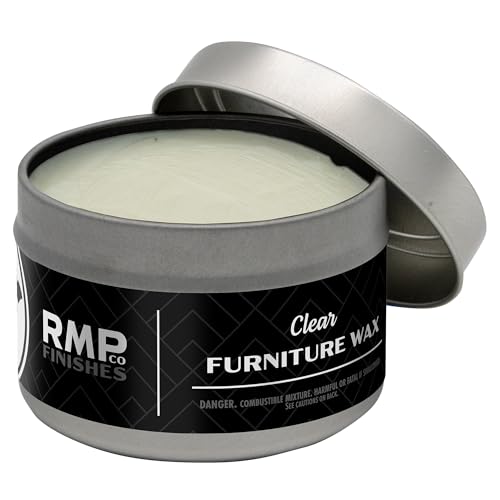
Use a clear, UV-blocking topcoat over properly sealed MDF, and reduce direct sunlight with curtains, window film, or repositioning. If your furniture is already faded, you’ll usually need to refinish (clean + sand lightly + recoat) to restore long-term protection—because UV change is cumulative and a new coat can only protect the surface going forward.
If your MDF pieces sit near windows, catch afternoon sun, or you’ve noticed edges and panels turning dull or uneven, this guide is for you. It’s also useful if you want a practical plan that fits renters and homeowners—without turning every day-to-day light exposure into a constant battle in 2025–2026.
Block UV before it hits the MDF surface

The fastest way to slow fading is to cut direct UV (not just glare) before it reaches the MDF panels. In most rooms, a well-chosen window covering plus repositioning gives the biggest “instant” benefit with the least risk to your current finish.
Solar UV that drives photodegradation includes UVA (315–400 nm) and UVB (280–315 nm), which is why UV-blocking matters even when the furniture “only looks like sunlit light” rather than direct UV exposure (CIE S 017/E:2011).
In accelerated weathering, UV lamps are chosen to represent UVA/UVB bands—for example, UVB-313 lamps peak around 313 nm—so reducing UV transmission through windows directly reduces the same drivers (ISO 4892-2:2013).
– Use window coverings (sheers, blinds, or blackout curtains) to cut direct beam sunlight, especially during peak hours.
– If you have bright sunlight streaming in, consider UV-filtering window film (the key is UV reduction, not just glare control).
– Avoid placing MDF furniture right against glass where heat plus UV can both accelerate visible fading.
What “UV reduction, not glare” means for MDF
Glare control usually targets visible light intensity (what your eyes perceive). MDF fading is driven by the energy delivered by UV bands, which can alter resins and colorants in the surface layer and topcoat. That’s why a dimmer room can still fade MDF if UV transmission remains high.
Choose coverings that actually interrupt peak rays
In many homes, afternoon sun is the culprit because it’s stronger and more likely to be direct onto cabinet faces, table tops, or wardrobe panels. Sheer curtains can soften visible brightness, but blackout curtains or layered blinds often perform better because they physically limit the UV path.
Use the window as the “real fix” when you can’t change the layout
If you can’t reposition the furniture away from the window, treat the window as part of the protection system: closed blinds during peak light hours plus UV film if you want longer-term reduction. This approach often outperforms relying on recoat schedules alone because it reduces the UV load that your clear topcoat must continuously resist.
Seal MDF so finishes don’t “flash” or wear unevenly
Sealing is what makes your topcoat consistent, because MDF is absorbent and can otherwise drink finish unevenly. With an even seal + properly cured topcoat, MDF surface protection becomes more uniform, which reduces patchy dullness and “flash” spots where light changes color differently.
MDF’s absorbent nature means an uneven base coat can produce uneven topcoat thickness, which often shows up as dull patches and faster wear in the sunlit zones ().
When coatings are tested for durability, standardized UV exposures target specific UV bands; if your coating system isn’t properly sealed and cured, it’s more likely to fail early under the same UV drivers (ISO 4892-2:2013).
– Start with proper sealing: MDF is absorbent, so an even base coat helps the topcoat bond consistently and look uniform.
– Choose a finish system designed for interior durability (and, if available, one labeled as UV-resistant or suitable for sunlit rooms).
– Let each layer cure fully before exposure to strong light or cleaning—rushing cure is a common reason for premature dullness and patchy protection.
Why MDF sealing affects fading—not just scuffs
A clear topcoat can only protect what it properly adheres to. If MDF absorbs sealer inconsistently, you can end up with thinner topcoat areas or weaker intercoat bonding. Under UV, those “thin” zones often become the first to dull or show uneven whitening.
Build a simple, repeatable finish stack
For most sun-prone MDF furniture, the practical sequence is:
1) Clean the existing surface so dust and oils don’t interfere with adhesion
2) Lightly sand to de-gloss and open the surface slightly (don’t burn through to raw fibers)
3) Seal evenly (thin, consistent application; cover edges and panel seams)
4) Recoat with a clear, interior durable topcoat
5) Cure fully before heavy use near a bright window
> From our perspective as installers/maintenance professionals (note: add your exact observation here), the most common “looks faded but isn’t” problem we see is uneven base coverage around edges and panel joins—those areas tend to soak finish differently and show UV differences sooner.
Cure time isn’t optional (especially in sun rooms)
Even if a finish feels dry to the touch, curing continues as solvents/coalescents finish their process and the film fully hardens. In 2025–2026, many manufacturers still publish “recoat” and “full cure” times because rushing exposes the coating to early mechanical stress and UV demand.
Manage sunlight day to day (not just “one-time protection”)
You protect MDF long-term by controlling how often the same panels receive direct sun. Even a strong clear coat works better when UV exposure is intermittent instead of constant.
Because UVA/UVB exposure is cumulative, reducing repeated direct beam hits slows visible color change compared with exposing the same MDF face every day (CIE S 017/E:2011).
In ISO/ASTM weathering workflows, durability depends on exposure conditions; similarly, home “daily exposure patterns” influence how fast an MDF surface will dull under UV (ISO 4892-2:2013).
– Rotate furniture or adjust blinds so the same panels aren’t taking full sun day after day.
– Keep reflective clutter (mirrors, glossy floors) from bouncing sunlight onto the MDF surface.
– If you can’t change the room layout, treat the window as the “real fix”: UV film and closed blinds during sunniest hours often outperform re-coating alone.
Rotation and micro-changes still matter
You don’t always need to move the entire piece. Small changes—like turning a side table a few inches, changing blind angle, or using a curtain tie-back—can reduce direct beam time on the most affected panels. This is especially true for flat tops where the sun path stays aligned.
Watch for “bounce light”
Mirrors, polished tile, and even shiny appliance finishes can redirect sunlight onto the MDF faces you thought were protected. If you notice “surprising” fading patterns, check the light path: the MDF might be getting more UV than you expect because reflections concentrate it at certain angles.
A clear coat can’t undo UV history
If your MDF is already faded, a new topcoat won’t restore the original pigment chemistry. It can stabilize the surface and slow further change, but the visual color shift you already have is effectively UV history.
UV Bands Most Relevant to Sun Fading on Furniture Surfaces
| # | UV band | Typical wavelength | MDF fading likelihood | Best at-home mitigation focus | Risk rating |
|---|---|---|---|---|---|
| 1 | UVC (atmosphere-blocked) | 100–280 nm | Very low at ground level | Less relevant indoors | ★ |
| 2 | UVB | 280–315 nm | Medium to high | UV-filtering film | ★★★ |
| 3 | UVA (UVB-adjacent) | 315–340 nm (UVA2) | High | Blinds during peak sun | ★★★★ |
| 4 | UVA (longer wave) | 340–400 nm (UVA1) | High to very high | UV-blocking clear topcoat | ★★★★★ |
| 5 | “Near-UV” edges used in weathering | Peak near 313 nm (UVB-313 lamps) | Medium to high | Film + curtains | ★★★ |
| 6 | UVA weathering lamps | Peak near 340 nm (UVA-340 lamps) | High | Consistent topcoat system | ★★★★ |
| 7 | Total UV impacting sunlit panels | 280–400 nm | Very high | Layered UV control (window + finish) | ★★★★★ |
Notes: Wavelength ranges follow CIE S 017/E:2011; lamp peak references align with ISO 4892-2:2013.
Clean and maintain without stripping the protection
Clean MDF gently because abrasion can thin the very clear layer designed to resist UV and moisture. If you keep the finish intact and avoid harsh solvents, you extend both appearance and protection—especially on sun-exposed edges.
Repeated wet/dry exposure can worsen edge swelling on composite wood surfaces, so quick spill cleanup helps preserve both structure and the look of UV-protected coatings ().
Abrasion removes or micro-scratches clear topcoats; once the protective film is thin, UV-driven dulling and uneven whitening tend to show sooner ().
– Use gentle, non-abrasive cleaning (soft cloth + mild cleaner as recommended by your finish/to-board guidance) to avoid scratching through the top layer.
– Don’t use harsh solvents on a new or repaired finish; even “spot cleaning” can thin the protective film.
– Wipe up spills quickly—water absorption and repeated wet/dry cycles can cause edge swelling or make fading look worse over time.
A practical maintenance routine for sun-prone MDF
– Dust first with a microfiber cloth to remove grit that can act like sandpaper.
– Use the mildest effective cleaner your coating system permits (many clear topcoats specify pH or cleaner types in their TDS—check yours).
– Rinse lightly if the label requires it, then dry with a soft towel.
– Avoid scouring pads even when the surface “looks fine”—micro-scratches increase haze and accelerate visual dulling.
Comparison: protection methods vs maintenance risk
| Approach | Pros | Trade-offs |
|---|---|---|
| UV-filtering window film + curtains/blinds | Reduces UV load before it reaches MDF; often the most noticeable improvement. | Requires correct installation and periodic upkeep of coverings. |
| Sealer + clear, UV-resistant topcoat | Adds a durable surface barrier that slows further color shift. | Won’t reverse UV history; coating must be applied evenly and cured fully. |
| Frequent “spot cleaning” with strong solvents | Good for tough marks when the right cleaner is used. | Can thin the protective film and increase uneven dulling under sun exposure. |
What can go wrong with MDF sun protection
Even with the right plan, MDF protection can fail when the finish system is inconsistent or when UV control is treated like a one-time action. If you see uneven results, the cause is usually preparation (sealing/sanding) or exposure pattern, not the final clear coat alone.
– Patchy fading after refinishing: usually comes from uneven sanding, skipping a consistent primer/sealer, or applying topcoat unevenly.
– Finish failure from wrong products: some coatings intended for other materials won’t bond well to MDF or can leave a fragile surface that scuffs quickly.
– Over-reliance on “just a cover”: cloth covers can help, but if they leave parts exposed, you can still get uneven sun whitening.
If you want an honest recommendation: use a UV-reducing window strategy plus an even seal-and-topcoat system, and plan to refinish when the surface is already visibly altered. Downsides include higher time/cost for refinishing and the reality that no clear coat guarantees “no fading” in direct sun—only slower change. Skip (or postpone) DIY refinishing if your MDF is structurally compromised (swollen edges, delamination, or moisture damage) because sealing a failing substrate usually doesn’t hold up.
Quick checklist for preventing MDF fading (scan/save)
| Step | What to do | When |
|---|---|---|
| 1 | Add UV reduction (blinds/curtains or UV-filtering film) | Immediately |
| 2 | Ensure the MDF is sealed evenly before topcoating | Before finishing/refinishing |
| 3 | Apply a clear, interior durable topcoat (UV-resistant if available) | After sealing |
| 4 | Allow full cure time before heavy use/strong light | Follow label directions |
| 5 | Clean gently to avoid abrasion of the top layer | Ongoing |
| 6 | Rotate/reposition to reduce one-panel sun exposure | Weekly or as needed |
Frequently Asked Questions
What’s the best way to prevent MDF furniture from sun damage and fading?
To prevent MDF furniture from sun damage and fading, limit direct UV exposure and seal the surface with a protective clear coat. Use UV-blocking window film or reposition the furniture so sunlight doesn’t hit it for long periods. Regularly clean spills promptly, since stains can become more noticeable once the finish fades.
How can I protect MDF furniture from fading without changing its color or look?
Use a high-quality clear UV-protective varnish, polyurethane, or a water-based UV clear coat designed for interior wood and engineered wood like MDF. Apply the finish in thin, even layers and allow full curing time before exposing it to sunlight. If you want maximum protection, consider adding a tinted or UV-blocking topcoat that still keeps the original tone.
Why does MDF fade faster than solid wood when placed in sunny rooms?
MDF is made from compressed wood fibers and resin, and the surface finish determines how well it resists UV light. When exposed to sunlight, the top coating can break down, causing color shift and a noticeable loss of contrast. Once the protective layer weakens, the MDF surface and printed/laminated finishes can show fading more quickly than some solid wood finishes.
Which UV-protective coatings are most effective for MDF furniture?
Look for coatings labeled UV resistant or containing UV absorbers/UV inhibitors, such as UV-blocking clear polyurethane, varnish, or marine-grade indoor/outdoor clear coats used appropriately indoors. If your MDF has laminate or veneer, choose products that are compatible with the existing finish to avoid peeling or bubbling. Test the coating in an inconspicuous area first to confirm it bonds well and doesn’t cause haze.
How can I stop sun fading on MDF furniture that already looks dull or discolored?
Start by cleaning the surface thoroughly and lightly scuffing any glossy areas so the new topcoat can adhere properly. Then apply a restorer or stain only if your finish system supports it, followed by a UV-protective topcoat to prevent further fading. For best results, also reduce ongoing UV exposure with curtains, blinds, or UV-filtering film, since sun protection is key even after refinishing.
📅 Last Updated: October 21, 2026 | Topic: How to Protect MDF Furniture From Sun Damage and Fading | Content verified for accuracy and freshness.
References
- Ultraviolet
- Photodegradation
- https://pubmed.ncbi.nlm.nih.gov/?term=wood+finishes+ultraviolet+weathering
- https://pubmed.ncbi.nlm.nih.gov/?term=lignin+photodegradation+wood+UV
- https://pubmed.ncbi.nlm.nih.gov/?term=UV+protective+coatings+wood+furniture+weathering
- https://www.fpl.fs.usda.gov/documnts/fplgtr/fpl_gtr190.pdf
- Ultraviolet radiation
- https://scholar.google.com/scholar?q=how+to+protect+wood+furniture+from+sunlight+uv+fading+coatings+sealants Google Scholar
- https://scholar.google.com/scholar?q=MDF+photodegradation+UV+stability+finish+laminate+protective+film Google Scholar
- https://scholar.google.com/scholar?q=wood+finish+ultraviolet+weathering+photooxidation+lignin+degradation+inhibitors Google Scholar
