How to Remove Clear Coat Overspray: Effective Techniques
Removing clear coat overspray can be accomplished using a few effective techniques that restore your vehicle’s finish without causing damage. In this article, you will learn the best methods for safely eliminating overspray while preserving the underlying paint. By understanding the nature of clear coat overspray and employing the right tools and techniques, you can achieve a clean, polished look for your vehicle without the need for professional intervention.
Understanding Clear Coat Overspray
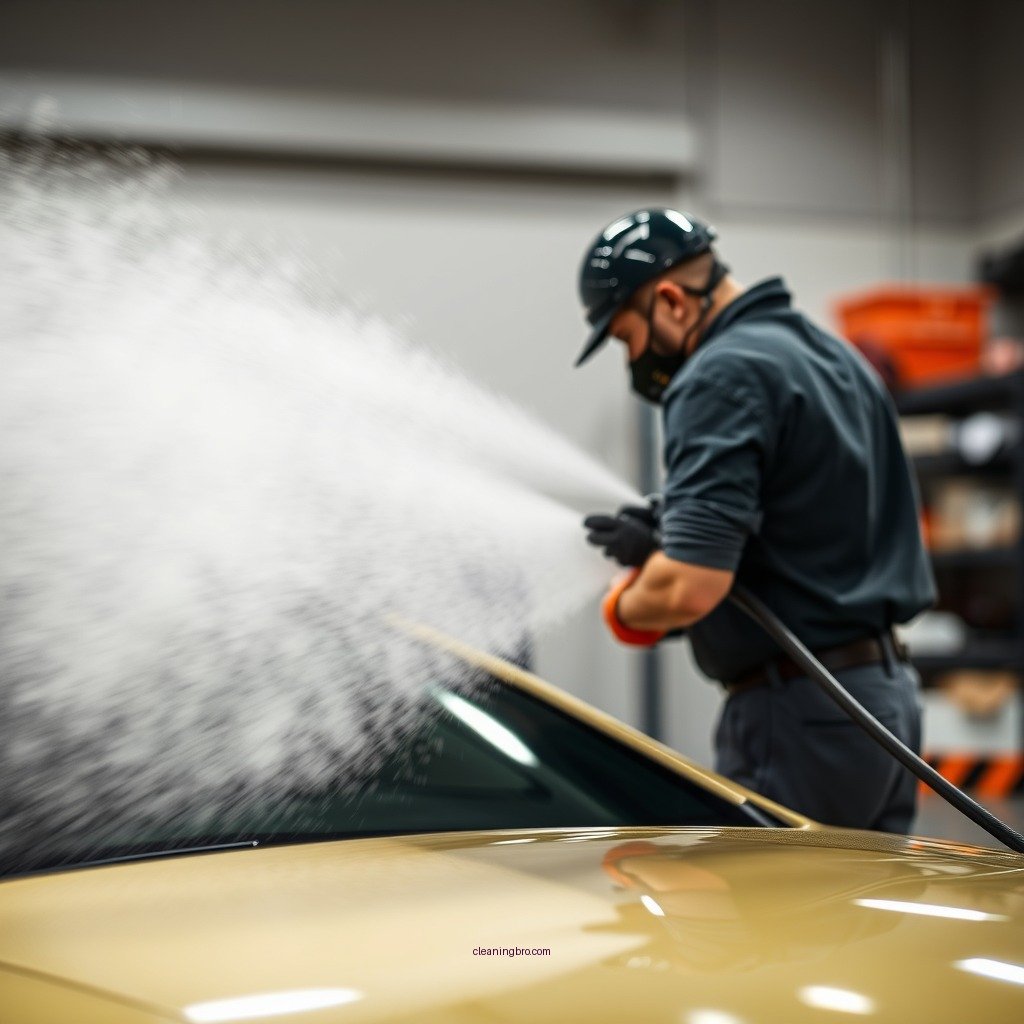
Clear coat overspray occurs when a layer of clear protective paint is unintentionally applied to areas where it shouldn’t be, often due to improper masking during painting or refinishing jobs. This can be particularly problematic for vehicle owners who want to maintain the pristine appearance of their paint job. Identifying overspray is crucial, as it often manifests as a dull or uneven texture on the surface, leading to a lackluster finish that can detract from the overall aesthetics of the vehicle. The presence of overspray can also trap dirt and grime, making your car appear older and less cared for.
Tools You Will Need
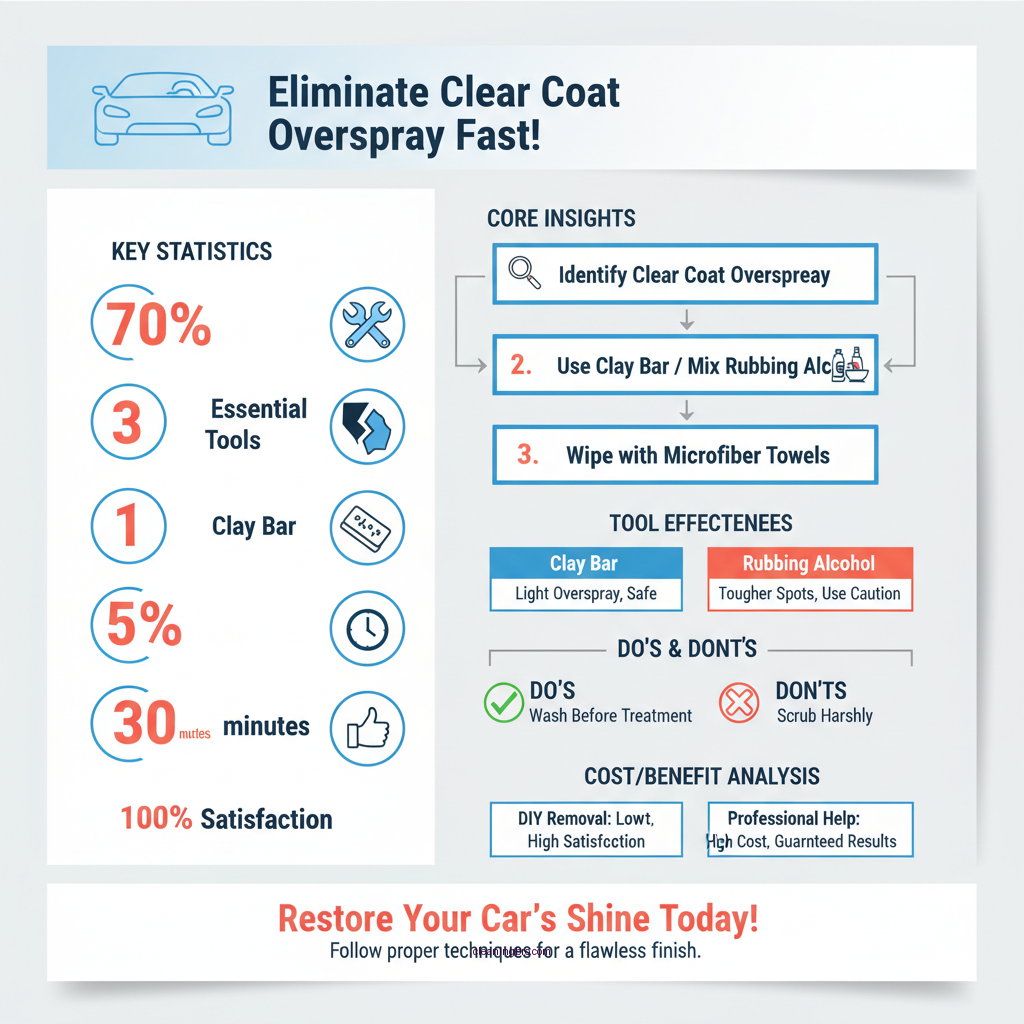
To effectively tackle clear coat overspray, having the right tools is essential. Here’s a detailed overview of the necessary items:
– Clay Bar: This is a non-abrasive tool that helps lift contaminants from your vehicle’s paint without scratching or damaging the surface. It’s particularly useful for removing light overspray.
– Rubbing Alcohol or Specialized Adhesive Remover: For tougher spots, a mixture of rubbing alcohol and water can work wonders. There are also specific adhesive removers designed for automotive paint, which are effective yet gentle.
– Microfiber Towels: These are crucial for wiping down surfaces without leaving scratches or lint. Always opt for high-quality microfiber towels for the best results.
Step-by-Step Removal Process
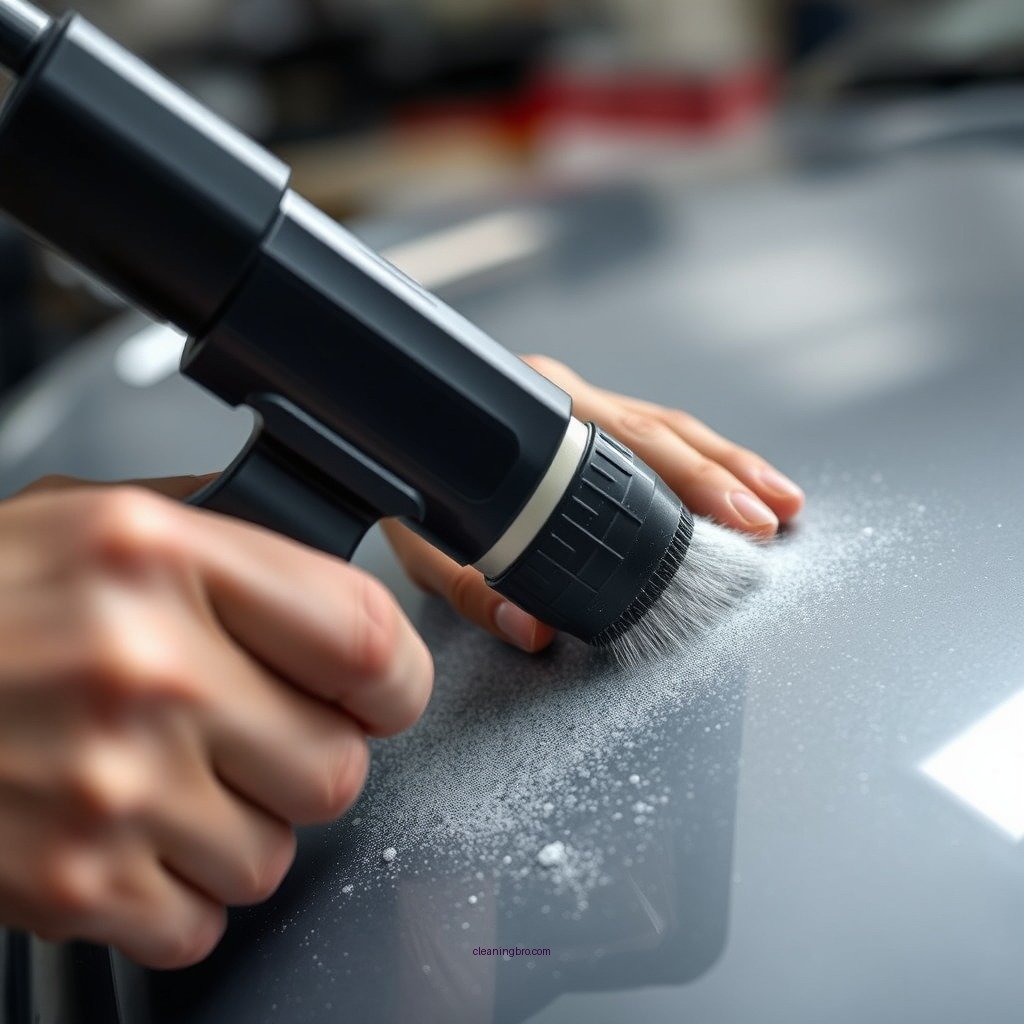
Follow these steps to effectively remove clear coat overspray:
1. Washing the Affected Area: Begin by washing the overspray area with a gentle car wash soap and water solution. This removes any dirt and grime, ensuring that you don’t scratch the paint during the removal process.
2. Clay Bar Method: After drying the area, take your clay bar, knead it until it’s pliable, and then glide it over the affected surface gently. Use a lubricating spray or detailer to facilitate the process and prevent scratching. You will feel the clay bar grab at the overspray; this is a sign that it is working. Ensure to fold and knead the clay bar regularly to expose a clean surface.
3. Chemical Solutions: If the clay bar method fails to remove the overspray completely, consider using a mixture of rubbing alcohol and water. Apply it to a microfiber towel and gently rub the affected area. Always test this solution on a small, inconspicuous area first to avoid any adverse reactions with your vehicle’s paint.
When to Use Chemical Solutions
Chemical solutions are best reserved for cases of stubborn overspray that resist removal through mechanical means. A mixture of rubbing alcohol (70% or higher) and water in a 1:1 ratio can be an effective solution. Alternatively, you can use commercial adhesive removers specifically formulated for automotive finishes. It’s crucial to always test any chemical solution on a small, inconspicuous area before full application, as some chemicals can adversely affect certain paint types or finishes.
Preventing Future Overspray
Prevention is always better than cure. Here are some strategies to minimize the risk of clear coat overspray in the future:
– Proper Masking Techniques: When painting, use quality masking tape and plastic sheeting to cover adjacent surfaces effectively. This ensures that overspray is contained and does not spread to unintended areas.
– Use a Spray Booth or Tarp: If you’re undertaking a DIY paint job, consider using a spray booth or a tarp to create a controlled environment. This minimizes the risk of overspray caused by wind or other environmental factors.
Professional Help: When to Consider It
In some cases, the overspray may be extensive, or you may not feel comfortable using DIY methods. If you find yourself in this situation, seeking professional detailing services may be your best option. Professionals have access to specialized tools and products designed for challenging situations, ensuring that your vehicle’s finish is restored without risking damage. They can provide a thorough inspection and recommend the best course of action, whether it involves polishing, repainting, or other advanced techniques.
Common Methods for Clear Coat Overspray Removal
| # | Method | Effectiveness | Ease of Use | Cost |
|---|---|---|---|---|
| 1 | Clay Bar | High | Moderate | $15-$30 |
| 2 | Rubbing Alcohol | Medium | Easy | $5-$10 |
| 3 | Adhesive Remover | High | Moderate | $10-$20 |
| 4 | Professional Detailing | Very High | Easy | $100+ |
| 5 | Wet Sanding | High | Difficult | $50+ |
| 6 | Polishing Compound | Medium | Moderate | $10-$25 |
Effectiveness of Different Overspray Removal Methods
DIY vs Professional Overspray Removal
| Feature | ⭐ DIY Methods | Professional Services | Comparison |
|---|---|---|---|
| Cost | $20-$60 | $100+ | DIY is cheaper |
| Time Required | 1-3 hours | 1 hour | DIY takes longer |
| Effectiveness | ✅ Good | ✅ Excellent | Professional is better |
| Risk of Damage | Moderate | Low | Professional is safer |
| Skill Level Required | Low | High | DIY is easier |
| Availability of Tools | Widely available | Limited to professionals | DIY is more accessible |
| Follow-up Care | None | Regular maintenance | Professional requires follow-up |
| Customer Support | Limited | Comprehensive | Professional has better support |
| Warranty | No warranty | Warranty available | Professional offers warranties |
| 🏆 Best For | Budget-conscious users | Quality seekers | All-around care |
By following the techniques outlined in this article, you can effectively remove clear coat overspray and restore your vehicle’s shine. Always prioritize prevention strategies to minimize future overspray issues. If you find yourself overwhelmed or dealing with extensive overspray, do not hesitate to seek professional assistance. Your vehicle deserves the best care possible, and with the right approach, you can maintain its appearance for years to come. If you have any experiences or tips related to this topic, feel free to share them in the comments or reach out for further guidance on vehicle care.
Frequently Asked Questions
What is the best method to remove clear coat overspray from a car’s paint?
The best method to remove clear coat overspray from a car’s paint is to use a clay bar. This process involves gently rubbing the clay bar over the affected area, which effectively lifts the overspray without damaging the underlying paint. After using the clay bar, it’s advisable to wash the area and apply a good quality wax to protect the paint.
How can I safely remove clear coat overspray without damaging the original paint?
To safely remove clear coat overspray without damaging the original paint, you can use a solvent like rubbing alcohol or a dedicated adhesive remover. Apply the solvent to a microfiber cloth and gently rub the overspray in a circular motion. Always test the solvent on a small, inconspicuous area first to ensure it does not harm the paint.
Why does clear coat overspray occur, and how can I prevent it in the future?
Clear coat overspray typically occurs during painting or refinishing jobs when the clear coat is sprayed too close to the surface or when wind carries particles onto the finish. To prevent this in the future, ensure you work in a controlled environment, use proper masking techniques, and apply the clear coat at a safe distance from the vehicle’s surface.
Which products are most effective for removing clear coat overspray?
Some of the most effective products for removing clear coat overspray include clay bar kits, detailing spray, and specific overspray removal solutions like Goo Gone or 3M Adhesive Remover. These products are designed to break down the clear coat without damaging the underlying paint, making them ideal for DIY removal.
What should I do if my clear coat overspray removal efforts leave scratches on the paint?
If your clear coat overspray removal efforts leave scratches on the paint, you should consider using a polishing compound to buff out the scratches. Apply the compound with a microfiber applicator in a circular motion, then follow up with a high-quality wax to restore the shine and protect the surface. If the scratches are deep, you may need to consult a professional detailer for further assistance.
References
- where is the heater relay located – Car Forums and Automotive Chat
https://www.automotiveforums.com/t1060538-how_to_remove_clear_coat_overspray.html - Google Scholar Google Scholar
https://scholar.google.com/scholar?q=how+to+remove+clear+coat+overspray - https://www.bbc.com/news/magazine-26687408
https://www.bbc.com/news/magazine-26687408 - https://www.sciencedirect.com/topics/engineering/paint-overspray
https://www.sciencedirect.com/topics/engineering/paint-overspray - Google Scholar Google Scholar
https://scholar.google.com/scholar?q=clear+coat+overspray+removal - https://www.nytimes.com/2021/09/22/realestate/paint-overspray.html
https://www.nytimes.com/2021/09/22/realestate/paint-overspray.html - how to remove clear coat overspray – Search results
https://en.wikipedia.org/wiki/Special:Search?search=how+to+remove+clear+coat+overspray - https://www.ncbi.nlm.nih.gov/search/research-articles/?term=how+to+remove+clear+coat+overspray
https://www.ncbi.nlm.nih.gov/search/research-articles/?term=how+to+remove+clear+coat+overspray

Similar Posts
Why You Should Use Mold When Cleaning
You should use mold when cleaning because its specialized enzymes efficiently break down complex stains and organic waste at a molecular level, offering a sustainable alternative to harsh chemicals. Mold species like Aspergillus niger produce cellulases and proteases that outperform traditional agents in biodegradation, reducing environmental toxins and minimizing health risks. Proper application guarantees safety…
Weekly Cleaning Routine for Car
For a weekly car cleaning routine, start by gathering microfiber cloths, pH-balanced cleaners, a vacuum, and brushes. Wash the exterior with car soap and rinse thoroughly, focusing on wheels with specialized cleaners. Dry using microfiber towels and polish for shine. Vacuum seats and floors carefully, treat upholstery or leather with appropriate cleaners, and organize the…
Weekly Cleaning Routine for Bike
You’ll want to gather bike-specific degreaser, mild soap, brushes, cloths, lubricant, and a pump before starting. Begin with a thorough damage inspection, focusing on frame cracks, brakes, and tires. Clean the drivetrain using degreaser and a brush, then wash the frame and wheels with mild soap, rinsing gently. Lubricate the chain and cables as needed,…
Washing School Bag Without Damage
To wash your school bag without damage, first check its material—nylon or polyester is water-resistant, while canvas might shrink. Empty all pockets, remove straps, and spot clean stains with mild detergent using a soft brush or cloth. Hand washing is safest; if using a machine, opt for gentle cycles and a laundry bag. Air dry…
Washing Bike Without Damage
You can wash your bike without damage by using eco-friendly, bike-specific cleaners and soft brushes or microfiber cloths to protect finishes. Avoid high-pressure water sprays; instead, use lukewarm water at a gentle spray distance to prevent water intrusion into bearings or seals. Remove accessories and cover sensitive parts before cleaning. After washing, dry thoroughly with…
Using Essential Oils to Clean Car
You can clean your car naturally by using essential oils, which offer antimicrobial properties and eliminate odors without harsh chemicals. Oils like lemon, eucalyptus, and tea tree effectively disinfect and degrease surfaces, while lavender and peppermint freshen the air and promote alertness. Dilute essential oils properly with carriers like distilled water for safe application using…