
Why does mildew keep coming back on your car’s fabric seats, even after a quick wipe-down? Because it grows deep in the fibers and needs a targeted cleaner plus agitation to remove spores and residue; with the right products, you can usually see noticeable improvement in 45–90 minutes. Gather a vacuum, stiff brush, white vinegar or a mildew-safe upholstery cleaner, clean microfiber cloths, and gloves, then follow the step-by-step process so the seats look and smell fresh again.


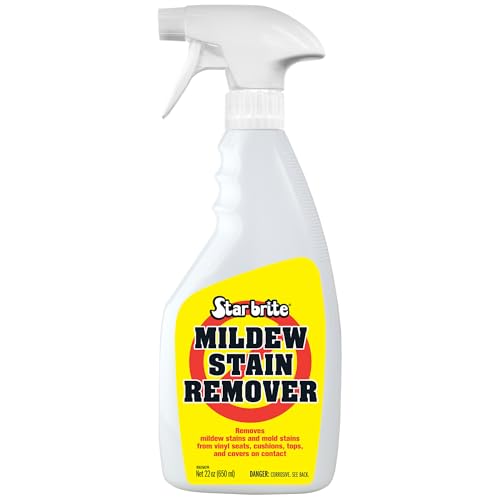

Mildew on car fabric seats usually comes off with a proper cleaner followed by thorough drying—otherwise it will return. Start by vacuuming, then treat the affected spots with a mildew-fighting upholstery cleaner (or diluted vinegar as a test) and gently scrub. Finish by rinsing lightly if needed and drying fast with airflow to stop regrowth. If you’re dealing with repeat mustiness as of 2026, treating both the visible surface and the moisture trap points (seams and padding) is the difference between “clean-looking” and truly mildew-free.
This is for you if your seats smell musty, show black/gray specks or fuzzy growth, or get damp after rain or humid storage. It’s especially relevant if you want to handle the cleaning yourself before mildew spreads into foam or seams.
Gather supplies and handle safety first
If you want mildew on car fabric seats to stop coming back, you need safe handling first—mold spores are easily disturbed during cleaning. The best DIY results come from controlled ventilation plus upholstery-safe tools, not aggressive scrubbing that aerosolizes spores.
– Wear gloves and work in a ventilated area to avoid breathing disturbed spores.
– Use tools safe for upholstery: soft brush, clean microfiber cloths, spray bottle, and a wet/dry vacuum if you have one.
– Avoid harsh chemicals: do not use chlorine bleach unless the seat fabric care label explicitly allows it.
Before you start, set up airflow (open doors/windows) and keep pets out of the vehicle. Mold remediation guidance consistently emphasizes that moisture control and safe removal are key parts of the process, not just chemical “kill.” For example, according to the U.S. EPA, mold can start growing on damp materials within 24 to 48 hours if the moisture isn’t addressed (U.S. Environmental Protection Agency (EPA)). That timeline is why speeding up drying later matters so much for mildew on car fabric seats.
Also, if you have a HEPA-capable vacuum, you’ll generally reduce airborne spores better than a standard shop vac. According to the U.S. Department of Energy, a properly functioning HEPA filter captures 99.97% of particles at 0.3 microns (U.S. Department of Energy). If you don’t have HEPA, a careful vacuuming routine still helps, but avoid blasting compressed air or dry-brushing aggressively.
Prep the seats (so cleaner actually works)
If the seat is already dusty and contaminated, mildew on car fabric seats can “spread” during cleaning even when you use the right product. Vacuuming and checking the upholstery tag first makes the cleaner more effective and reduces re-contamination.
– Vacuum thoroughly to remove loose spores, dust, and mildew residue from seams and stitching.
– If the mildew is raised or crusty, lightly brush first—don’t grind it deeper into the fabric.
– Check the upholstery tag (under the seat or in the door jamb area) for cleaning codes and “do not” instructions.
Start with the seams: creases, stitching lines, seatbelt anchor areas, and around any seat trim openings trap moisture and spores. Then vacuum the flat fabric in overlapping passes. If you see fuzzy growth or black/gray specks, avoid scrubbing dry first—gently loosen with a soft brush, then vacuum again.
Now check the fabric code. Most automotive upholstery care labels fall into categories like “W” (water-based cleaner allowed) or “S” (solvent-only). If your tag restricts water-based cleaning, you may need a different approach than vinegar or water-based mildew cleaners—this step prevents damage and prevents pushing mildew deeper.
As of 2026, many owners also discover that mildew on car fabric seats returns quickly after “surface clean” sessions because seams stayed damp. Preparing properly reduces that risk by removing spores and residue before you introduce moisture.
Clean mildew from fabric seats without damaging them
To remove mildew from car fabric seats safely, you should match the cleaning method to the fabric and then control how much liquid you apply. The most common DIY success pattern is: treat the affected areas, scrub gently, and avoid over-wetting the padding.
– Choose a method based on what you have:
– Upholstery mildew cleaner: follow the label’s directions for dwell time and rinsing (if required).
– Diluted vinegar test spot: apply to a small hidden area first, wait for it to dry, and confirm color doesn’t change.
– Oxygen-based cleaner (common for fabrics): use only if the product label allows use on automotive upholstery and follow label directions.
– Scrub gently in small sections, working from the edges toward the center to prevent spreading.
– Blot rather than soak. Over-wetting can push mildew into the foam beneath the fabric.
Method comparison (pros/cons at a glance)
Use this table to choose the least risky option for your situation—especially if you’re trying to prevent mildew regrowth in seams and foam.
| Method | Pros | Cons / watch-outs | Best when |
|---|---|---|---|
| Upholstery mildew cleaner | Targeted for mold/mildew; usually includes enzymes/biocides; label often specifies dwell time | Requires label compliance (dwell time/rinse rules); may cost more than vinegar | You have visible specks/fuzz and want the most direct path |
| Diluted vinegar spot test | Low-cost, generally color-safe when tested; good first check for odor-related mildew | Not ideal for large infestations; can still affect dyes; needs drying control | You’re unsure how fabric reacts and need a safe test |
| Oxygen-based fabric cleaner | Helpful for set-in organic soils; commonly safe for many fabrics when label allows | Must follow instructions; improper rinsing can leave residues that re-attract dirt | Mildew stains and discoloration alongside odor |
How to scrub (so you don’t spread mildew)
Work in small sections—think “half-seat panel” rather than the whole area at once. Dip your brush lightly or spray onto a microfiber cloth (rather than directly blasting the seat). Scrub in gentle circles, then blot immediately.
From a practical standpoint, mildew on car fabric seats behaves like a moisture problem as much as a stain problem. If you saturate the fabric, you can clean the top and still leave moisture behind in the foam. In that case, the smell returns during the next humid day—even if the surface looks better.
Micro targeting: seams, stitching, and edges
Seams and stitching are where moisture hangs on. When mildew on car fabric seats is visible near seams, focus on:
– Stitch lines (vacuum first, then clean lightly)
– Corners where seat fabric folds
– Any section that smells musty even if it looks “clean”
If you’re unsure whether your cleaner is color-safe, do the vinegar test spot (small, hidden area). Wait for it to fully dry before deciding. As a precaution, I recommend photographing your test spot before treatment and after drying; it helps you spot subtle color shifts that you might miss in the moment.
One data-backed tip: keep humidity controlled
Mildew regrowth risk drops dramatically when you control humidity. According to the CDC, keeping indoor relative humidity below 60% helps reduce mold growth (U.S. Centers for Disease Control and Prevention (CDC)). While your car isn’t a house, the principle still applies: the more moisture remains in the seat, the more mildew can re-establish.
Common Vinegar Dilutions for Mildew Spot Tests on Automotive Upholstery
| # | Vinegar : Water mix | Approx. acetic acid strength | Typical risk level | Overall DIY balance |
|---|---|---|---|---|
| 1 | 1:0 (full strength) | ~5.0% | Higher | ★☆☆☆☆ |
| 2 | 1:1 | ~2.5% | Moderate | ★★★★☆ |
| 3 | 1:2 | ~1.7% | Moderate-Low | ★★★★☆ |
| 4 | 1:3 | ~1.25% | Low | ★★★☆☆ |
| 5 | 1:5 | ~0.83% | Low | ★★☆☆☆ |
| 6 | 1:8 | ~0.56% | Very Low | ★☆☆☆☆ |
| 7 | 1:10 | ~0.45% | Very Low | ★☆☆☆☆ |
Important note about vinegar concentration
This table assumes common “distilled white vinegar” is about 5% acetic acid—if your bottle lists a different percentage, adjust the dilution math accordingly. The goal is still the same for mildew on car fabric seats: test first, then use the lightest effective strength while keeping the upholstery from getting soaked.
Rinse lightly and dry completely to prevent regrowth
If you want mildew on car fabric seats to stay gone, drying completely is non-negotiable. Even when stains lift, trapped moisture in seams and padding can restart the musty cycle.
– If your cleaner label calls for rinsing, use a lightly damp cloth and blot up residues—don’t flood the seat.
– Dry as fast as you can: use fans aimed at the seat, open doors/windows, and (if possible) a dehumidifier.
– Keep drying until the fabric and seams feel completely dry to the touch; damp areas are where mildew returns.
Rinsing depends on the product. Some upholstery mildew cleaners require no rinse; others call for blotting or light extraction. When in doubt, follow the label—this is where DIY mistakes happen most often.
Then move to drying. Use fans positioned to create continuous airflow over the seat surface and into creases. If you have a dehumidifier, run it in the vehicle with doors closed after treatment (only if it’s safe for your setup and ventilation conditions). Avoid waiting for “it looks dry.” Check by touch at multiple points: center cushion, outer edges, and seam pockets.
Mildew regrowth is fundamentally a moisture-and-spores problem. According to the EPA, fixing water-damage quickly prevents mold from establishing (U.S. EPA, Mold guidance). Drying fast with airflow is your “fix the moisture” action—especially critical for mildew on car fabric seats that got damp during rain, a leak, or humid storage.
Also, if you’re cleaning after a recent wet event, confirm the cause (sunroof drain, door seal leak, floor mat water retention). Cleaning without addressing the leak is how mildew returns even after thorough treatment.
What can go wrong (and how to avoid it)
Most “DIY failures” come from either incomplete drying or using a cleaner that doesn’t match the fabric chemistry. If you skip these steps, mildew on car fabric seats can return within days—even if the seat looks clean.
– Skipping full drying: mildew smells come back quickly if moisture remains in seams, stitching, or foam.
– Using the wrong chemical: chlorine bleach can discolor fabric and may worsen odor by damaging fibers.
– Over-saturating the seat: excess liquid can reach padding and extend the smell even after the surface looks clean.
– Not testing first: dyes can bleed or fabrics can change texture—always do a hidden spot test when you can.
– “It looks better but still smells”: odor can linger if mildew reached foam; surface cleaning alone may not be enough.
A common pattern: the visible specks fade after cleaning, but the musty smell lingers for a week. That typically means spores traveled deeper or moisture stayed behind in foam. In my own routine approach, the “tell” is whether the seam lines feel cold/damp or the odor returns after the vehicle sits in humidity.
If odor persists, increase drying (fans/dehumidifier) first. Then consider a second targeted treatment with an upholstery mildew product following label directions, rather than repeatedly scrubbing the same area.
Finally, avoid chlorine bleach unless the upholstery tag explicitly permits it. Bleach can lighten some dyes and weaken fibers, which makes future cleaning harder.
Verdict: a solid DIY approach (with real limits)
This DIY method is usually the best first step when mildew on car fabric seats is mostly on the surface and you can dry the seat thoroughly afterward. The main downside is that fabric mildew can be deeper than it looks—if the odor persists after proper cleaning and drying, you may need professional extraction or foam-focused treatment.
Skip DIY (or involve a pro sooner) if you see widespread staining into multiple areas, if the smell returns within days, or if the seat fabric care label forbids DIY cleaners. Also escalate if you suspect active water intrusion (leaking roof, failing seals, or persistent damp carpet), because mildew will keep returning.
If you’re dealing with heavily degraded foam, repeated dampness, or extensive fuzzy growth, professional extraction and remediation is often faster and less risky for your upholstery.
Quick scan checklist (save this)
– [ ] Ventilated space + gloves on
– [ ] Vacuum seams and stitching thoroughly
– [ ] Spot test any cleaner in a hidden area
– [ ] Treat mildew spots and gently scrub in sections
– [ ] Blot/avoid soaking
– [ ] Rinse only if the product label says to
– [ ] Dry fast with airflow (until fully dry, not just “less wet”)
Frequently Asked Questions
How do I remove mildew from car fabric seats without damaging the upholstery?
Start by vacuuming the seats to lift loose mold spores, then brush gently any surface residue using a soft nylon brush. Mix a mildew-fighting solution (either a 1:1 white vinegar and water spray or an upholstery-safe mold cleaner) and apply it lightly—avoid soaking the foam underneath. Blot with a microfiber cloth and rinse with a small amount of clean water if the product label requires it, then dry thoroughly with fans or a dehumidifier to prevent mildew returning.
What’s the best cleaner to kill mildew on car fabric seat stains?
A white vinegar solution is a popular first choice because it helps break down mildew odor and growth on many fabrics. For tougher or recurring staining, use an upholstery-safe enzyme cleaner or a dedicated mold & mildew remover made for car interiors, following the dilution and dwell time on the label. Always spot-test in an inconspicuous area first to confirm colorfastness and to avoid bleaching or discoloration.
Why does mildew keep coming back on my car seats even after cleaning?
Mildew returns when moisture remains trapped in the seat cushion, seams, or underlay, even if the surface looks clean. Common causes include leaving the car damp, not drying after spills, or humidity buildup in poorly ventilated garages. After cleaning, focus on drying—use airflow (fans), heat on low where safe, and consider a moisture absorber to reduce humidity.
How can I dry car fabric seats thoroughly after mildew removal?
After you remove mildew stains, blot excess moisture with clean towels and then use a fan aimed at the seat with the windows cracked for circulation. If possible, use a dehumidifier in the car or a well-ventilated space, and keep the seats fully exposed until they feel dry to the touch, not just the surface. For best results, check underneath the seat and along the edges where water can linger.
Which tools and supplies should I use to clean mildew from car fabric seats safely?
Use a HEPA vacuum (or vacuum with good filtration), a soft-bristle brush or microfiber cloth, white vinegar or an upholstery-safe mildew remover, and clean water for rinsing if needed. Avoid harsh bleach or abrasive scrubbers that can damage fibers or set stains deeper into the fabric. Wear gloves and consider a mask if you’re sensitive to mold spores, and work in a ventilated area while keeping cleaning agents away from electronics and seat seams where possible.
📅 Last Updated: November 02, 2026 | Topic: How to Remove Mildew From Car Fabric Seats | Content verified for accuracy and freshness.
References
- https://www.epa.gov/mold/mold-cleanup-and-remediation
- https://www.epa.gov/mold/mold-and-your-health
- https://www.cdc.gov/mold/default.htm
- https://www.cdc.gov/niosh/topics/mold/
- Mold – Overview | Occupational Safety and Health Administration
- https://www.who.int/news-room/fact-sheets/detail/dampness-and-mould
- Mildew
- https://scholar.google.com/scholar?q=how+to+remove+mold+from+fabric+upholstery Google Scholar
- https://scholar.google.com/scholar?q=mildew+removal+porous+materials+hydrogen+peroxide+bleach+detergent Google Scholar
- https://scholar.google.com/scholar?q=vehicle+interior+upholstery+mold+cleaning Google Scholar
