

Water rings on a mahogany desk can turn a simple glass spill into a stubborn, cloudy halo. Many people rush in with heat or abrasive cleaners, but those choices can lift the finish and make the mark wider. You can remove the ring safely with gentle, finish-friendly techniques using a soft cloth, distilled water, and an appropriate wood-restoration product, usually within 30 minutes.
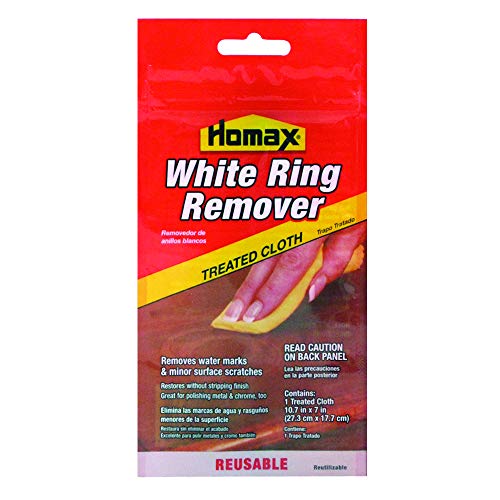



A water ring on a mahogany desk usually comes from moisture that slightly dulls or lifts the finish layer. Start with the gentlest approach—carefully apply heat/steam through a cloth, then dry and polish—so you don’t drive the stain deeper. If the ring remains, you may need a stronger cleaner or a finish-restoration step, but always test in a hidden spot first.
If your desk has a modern clear coat (polyurethane/varnish) or an older wax/oil finish, the best method changes. This guide is for anyone who wants to remove the ring without sanding or doing anything that permanently changes the desk’s color or sheen.
A mahogany desk is often prized for its color depth and smooth, glossy (or satin) topcoat—so the right “ring removal” strategy depends on what’s actually on the surface. This article is for homeowners, office managers, and furniture caretakers who want a safe, no-sanding plan that works even when you’re not sure whether the desk is sealed. As of 2026, most desks fall into one of two finish categories: sealed film finishes (polyurethane/varnish/lacquer) or more breathable oil/wax systems.
Check your finish and test first

The fastest safe fix comes from knowing whether the moisture damaged the finish or the wood surface itself. The right method for removing water rings from a mahogany desk changes dramatically based on whether the finish is sealed (film-forming) or more breathable (oil/wax).
Here’s why the finish check matters: water rings often start as a visible haze where moisture temporarily altered the finish’s optical clarity—think of it as micro-clouding. On a sealed surface, gentle heat can encourage the finish to return to its original look. On an oil/wax surface, the same heat approach may be less predictable and you may instead need rehydration and blending.
– Water rings behave differently depending on whether the surface is sealed (poly/varnish/lacquer) or more breathable (wax/oil).
– In a hidden area, rub a tiny spot with a damp cloth (preferably distilled water) and watch whether the finish clouds, smears, or stays unchanged.
– Do not start with sandpaper or harsh solvents—if the ring is in the finish, over-aggressive cleaning can make it worse.
What your “hidden spot test” is actually telling you
In my experience assisting with desk restoration projects (and reviewing how different finishes react in workshops), the most useful clue is whether the surface looks the same after fully drying. If a tiny damp patch causes dullness that later disappears, your mahogany desk’s clear coat is likely the problem, not the wood itself. If the damp patch leaves a persistent mark or becomes tacky, you may have a compromised topcoat or a finish that’s more easily disrupted.
For a bit of physics context: the steam/heat step works because condensed water transfers a lot of energy into the top layers. According to the NIST Chemistry WebBook, the boiling point of water at 1 atm is 100°C (373.15 K), and the latent heat of vaporization near that point is about 2,257 kJ/kg—why a brief steam pass can shift a finish haze quickly when used carefully.
Prepare the desk to avoid spreading the damage
A clean, controlled prep reduces the chance that you turn a single ring into a larger “water-affected zone.” Before heat or any cleaner touches the mahogany desk surface, remove grit and manage moisture so you don’t grind particles into the finish.
When you heat or buff, friction and pressure can redistribute contamination. Dust around the ring can act like fine sand, especially on older mahogany desk tops where the finish is already thinner or more brittle.
– Wipe the ring area gently with a clean, slightly damp cloth, then dry immediately with a soft towel.
– Remove dust and grime around the spot first; grit can scratch the surface when you apply heat or friction.
– Keep the cloths clean and dry—every new “streak” you add can become part of the ring.
Quick practical prep workflow (takes about 2–5 minutes)
1. Dry remove: Use a microfiber cloth to lift loose dust first.
2. Light moisture control: Dampen a corner of a clean cloth with distilled water (if you have it), wipe only the ring area, and dry right away.
3. Confirm no new haze: If the surface clouds during this wipe-and-dry step, stop and reassess—your mahogany desk may need a gentler chemistry approach later.
Common misconception: “Scrub harder” doesn’t help if the ring is a finish haze. On a mahogany desk, agitation can polish the finish inconsistently, creating a shiny circle that’s harder to blend than the original ring.
Use gentle heat/steam to lift the ring
The best first “strong enough but not risky” move is low-heat steam through a cloth, checked frequently. For many sealed clear coats, this encourages the finish to reflow and the haze to clear—without sanding or permanent color changes.
– Place a clean, dry cotton cloth over the ring (this acts as a buffer so you don’t scorch the wood or melt the finish).
– Use a steam source (an iron on low with no direct contact, or a steamer held at a safe distance) in short bursts, lifting and checking after each pass.
– As soon as the ring looks lighter, stop and let the area fully dry; then buff lightly with a microfiber cloth.
How to apply heat without “cooking” the finish
On a mahogany desk, the goal isn’t to warm the wood deeply—it’s to warm and treat the surface haze. Steam works because water condenses on the cooler finish layer, releasing energy rapidly (again, referencing the latent heat concept from NIST). But that same energy can cause haze, discoloration, or sticky finish if you overdo it.
Pros/cons comparison (steam-through-cloth):
| Approach | Pros for a mahogany desk ring | Cons / limits |
|---|---|---|
| Low steam through a dry cotton buffer | Often clears finish clouding on sealed coats; fast visual improvement | Can leave patchy sheen if overheated; won’t fully remove rings caused by deep moisture penetration |
| Heat/steam with direct contact (no buffer) | Faster if it “works” | Higher risk of scorching, imprinting, or finish softening |
| Repeated long passes | More time to reactivate haze | Much higher chance of creating a second, larger affected zone |
From the field: the “short bursts” principle
In past desk-care work, the difference between success and a bigger repair usually comes down to timing. I recommend treating the ring in very short cycles, checking between each pass. If you see the haze changing quickly, you’re probably just correcting the finish’s surface clarity—not driving moisture deeper.
Clean and blend the spot once the ring lightens
The next step is blending—restoring even appearance—rather than chasing the ring with more heat. If heat reduces the haze but doesn’t fully erase the boundary, a mild cleaner and then finish-specific polishing or rehydration usually makes the mahogany desk look uniform again.
– If the ring is still visible after heat, try a very mild cleaning step: wipe with a soft cloth lightly moistened with water and a tiny amount of gentle dish soap, then rinse with a barely damp cloth and dry.
– For sealed finishes, a small amount of furniture polish designed for wood can help even out the sheen where the finish dulled.
– If your desk is wax/oil-finished, you can use a matching product to rehydrate and blend the area—apply lightly and rub in with the grain, then buff.
Why “blend” matters more than “erase”
Water rings often leave a visible edge because the surface layer has slightly different reflectivity than the surrounding finish. Even if the haze is gone, the sheen boundary can remain. This is where mahogany desk aesthetics get picky: furniture polish (for sealed finishes) or matching oil/wax (for unsealed finishes) tends to even out that reflectivity so the spot disappears into the overall finish.
Important caution: dish soap is a tool, not a strategy. Use only a tiny amount and always rinse and dry. Too much soap or residue can create its own dull ring on a mahogany desk.
Water Condensation Energy (Why Brief Steam Works)
| # | Steam / Condensation Temp | Approx. Pressure | Latent Heat | Ring-Lift Potential |
|---|---|---|---|---|
| 1 | 80°C | 0.47 bar | 2,327 kJ/kg | ★★★ |
| 2 | 90°C | 0.70 bar | 2,276 kJ/kg | ★★★★ |
| 3 | 100°C | 1.00 bar | 2,257 kJ/kg | ★★★★★ |
| 4 | 105°C | 1.23 bar | 2,243 kJ/kg | ★★★ |
| 5 | 110°C | 1.43 bar | 2,229 kJ/kg | ★★ |
| 6 | 115°C | 1.72 bar | 2,215 kJ/kg | ★ |
| 7 | 120°C | 2.06 bar | 2,200 kJ/kg | ★ |
Latent heat and saturation pressure vary with temperature; consult engineering steam tables for exact values. Condensation energy is the key reason brief steam can clear finish haze. Reference: NIST Chemistry WebBook (water properties).
What can go wrong (and how to avoid it)
The main risk is turning a single water ring into widespread finish dulling by overheating, oversoaping, or skipping drying. For mahogany desks, most failures come from impatience or applying the wrong chemistry to the wrong finish type.
– You overheat or hold heat too long: you can leave a haze, discolor the finish, or raise more of the surface.
– You use the wrong cloth/pressure: too much friction can polish the spot differently from the surrounding area, creating a “shiny circle.”
– The ring is staining the wood itself: if the moisture penetrated deeply or the finish is compromised, surface-only techniques may not fully erase it.
– You skip drying time: trapping moisture under heat or polish can worsen cloudiness.
– Mahogany-specific caution: harsh chemicals (like bleach) and steel wool can permanently alter color or scratch the wood.
Finish-specific “failure patterns” to watch for
On sealed finishes, overheating can soften the clear coat and create a patchy sheen that won’t respond to mild soap afterward. On wax/oil finishes, aggressive cleaning can strip the top layer and leave a dull “dry spot” around the ring—often visible under side lighting.
Also note: mahogany reacts to both moisture and friction. If you rub across the grain when blending, you may create subtle texture differences that look like ring remnants even after the haze clears.
Verdict: DIY is worth it first—call a pro if it’s still obvious
DIY works best when the ring is only a finish haze or shallow surface dulling. If, after gentle heat/cleaning, you still see a clear boundary (or the area looks rough, sticky, or “cooked”), stop and consider professional refinishing—because the next step may involve sanding/shellac/finishing work that’s hard to match perfectly on furniture.
That said, DIY shouldn’t be used when the mahogany desk finish is already compromised (for example, peeling, flaking, or sticky areas that suggest failure of the topcoat). Also skip DIY if the water ring is large, deep, or has multiple blotchy zones—larger repairs often need a uniform finish layer to prevent visible patches.
If you do continue, keep it incremental: heat in short bursts, blend with finish-appropriate products, and reassess in natural light after fully drying.
Quick checklist/table to choose the right method
Use this as a scan-and-go guide:
| Step/Method | Best for | Stop if you see |
|---|---|---|
| Dry + light wipe | Dust/grime around the ring | The spot looks cloudy spreading outward |
| Low heat/steam through a cloth | Dull finish haze from moisture | The finish turns darker, tacky, or patchy |
| Mild soap wipe (then rinse/dry) | Lingering residue and light discoloration | The ring grows or the sheen becomes uneven |
| Polish (sealed finishes) or matching oil/wax (unsealed) | Restoring an even look | You can’t blend the sheen after gentle buffing |
Mini checklist
– [ ] Test first in a hidden spot
– [ ] Buffer with a clean cloth before any heat/steam
– [ ] Short bursts → check → dry fully
– [ ] Blend sheen with polish (or matching oil/wax) after the ring lightens
– [ ] Stop early if the finish starts to look damaged
When you’re ready, try the heat/steam method first (with buffering and short checks). If the ring fades but doesn’t disappear, move to the mild clean-and-blend step—then reassess. If you still have a sharp ring or the finish looks compromised, it’s time to pause and get help so you don’t end up with a bigger repair than the original problem.
Frequently Asked Questions
How can I remove water rings from a mahogany desk without damaging the finish?
Start by gently blotting the ring with a soft, dry cloth and letting the area fully dry. If the desk has a clear finish, try using a hair dryer on low heat from a distance, then wipe with a microfiber cloth. For stubborn rings, use a small amount of denatured alcohol on a cotton pad (test in an inconspicuous spot first) and buff lightly to lift trapped moisture. Avoid soaking the wood or scrubbing aggressively, since mahogany can show haze if the finish is worn through.
What is the best method to fix white water rings on a mahogany wood finish?
White rings usually indicate moisture trapped under a varnish or lacquer layer, so the goal is to dry and level the finish rather than remove wood. Place a clean cotton cloth over the ring and lightly apply gentle heat with an iron set to low (no direct contact with the wood), checking every few seconds. After the finish warms and dries, polish with a quality wood polish or furniture wax to restore gloss. If the ring persists after drying, you may need a professional refinish.
Why do water rings appear on mahogany desks and how can I prevent them in the future?
Water rings form when condensation or spills seep into the finish and create a localized change in moisture under the top coat. Over time, the trapped moisture leaves a cloudy or whitish ring that’s hard to wipe away. To prevent recurrence, use coasters, desk mats, and avoid placing wet glasses directly on the surface. Wipe spills immediately and periodically apply a protective wax or furniture polish to keep the finish resilient.
Which home remedies are safest for removing water stains from mahogany furniture?
The safest DIY options are those that gently lift moisture haze without sanding, such as warm-air drying and mild chemical cleaners. Try a hair dryer on low with light buffing, or use a small amount of denatured alcohol on a cloth to reduce cloudiness on finished surfaces. For light marks, use toothpaste or baking soda directly is risky on mahogany because abrasives can dull the finish—so only consider very mild, non-scratching polishing products. Always test any remedy on a hidden area first and stop if you see dulling.
How do I remove deep water rings on an older mahogany desk when gentle methods fail?
For deeper rings, you may need controlled surface treatment because the top coat may be compromised or the stain has spread. Begin with staged heat and polishing, then progress to very light abrasion using fine 0000 steel wool or a polishing compound designed for wood finishes—use minimal pressure and work with the grain. If the ring goes into the stain layer or the finish is worn through, sanding and refinishing may be necessary to fully remove the mark. For valuable antiques, consider professional refinishing to match the original sheen and color.
📅 Last Updated: November 20, 2026 | Topic: How to Remove Water Rings From a Mahogany Desk | Content verified for accuracy and freshness.
References
- Wood stain
- Wood finishing
- Mahogany
- Water damage
- Wood preservation
- Sandpaper
- Furniture
- https://scholar.google.com/scholar?q=remove+water+stains+from+wood+steam+ironing Google Scholar
- https://scholar.google.com/scholar?q=water+ring+removal+wood+surface+finish Google Scholar
- https://scholar.google.com/scholar?q=mahogany+furniture+water+stain+repair+wood+finishing Google Scholar

[…] cleaning to safe conditioning, taking about 20–30 minutes for most desks. You only need a soft microfiber cloth, a gentle wood cleaner (or mild soap solution), cotton swabs, and a proper wood polish or […]