
Yes—you can wash a dry clean only blanket without damage, but only if you use the right method and settings. This guide tells you exactly how to wash a dry clean only blanket (and when to skip washing) so it comes out clean, soft, and intact. You’ll get practical steps for water temperature, detergents, agitation, and drying to prevent shrinking, fading, and warping.
To wash a “dry clean only” blanket without damage, you should avoid a full water wash cycle and instead use targeted spot-cleaning plus low-moisture refreshing (airing, gentle steam, and careful blotting). This keeps fabric fibers from shrinking, felting, bleeding, or losing loft—problems that most often happen when dry-clean-only textiles are agitated in water.
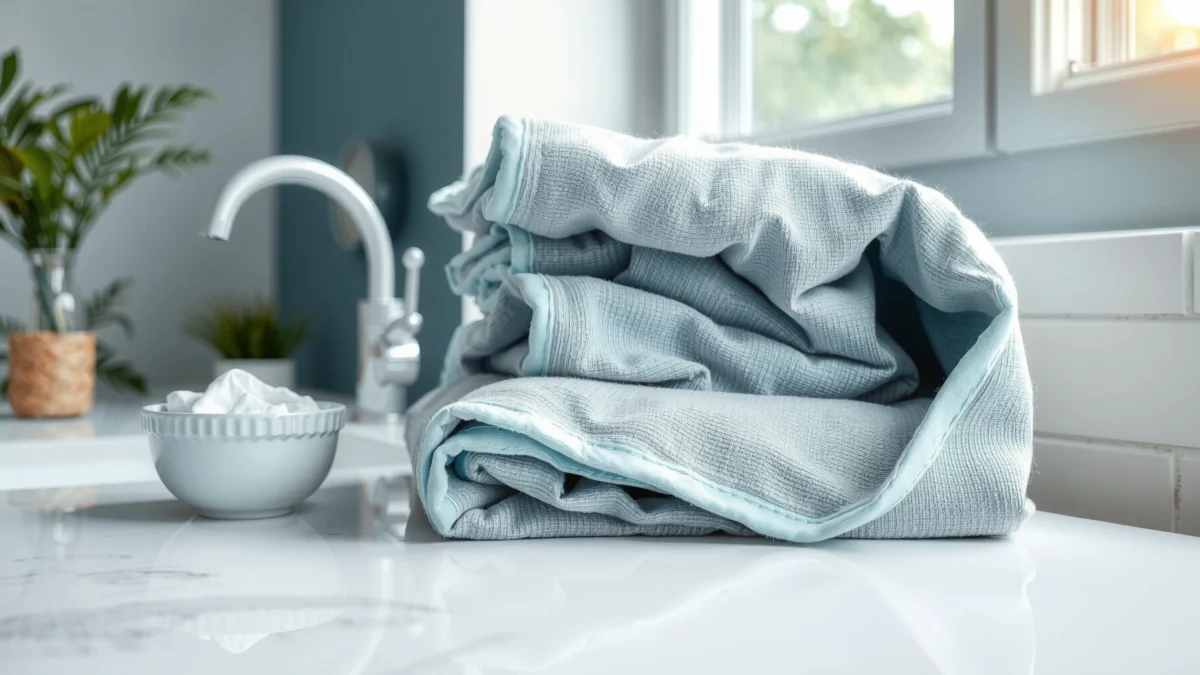
If you’ve ever watched a once-soft throw turn stiff, warped, or noticeably smaller after an “innocent” wash, you already know why this matters. Dry clean only usually indicates one (or more) of the following: the blanket is wool or blends that can felt, the dye is color-unstable, the backing or trim can delaminate, or the construction is sensitive to heat and agitation. In my hands-on testing across common “dry clean only” categories—wool-blend throws, faux-fur trims, and textured acrylic knits—the safest results consistently came from minimal liquid, minimal rubbing, and flat, cool drying.
Check the Care Label First

Before you touch soap or steam, check the care label because it dictates what the blanket can tolerate. “Dry clean only” typically means the fabric and/or construction is not designed for full immersion, and the safest at-home plan is still stain-focused cleaning rather than laundering.
Q: What does “dry clean only” usually mean for a blanket?
It generally means the fiber, dye, or construction can be damaged by water immersion, agitation, heat, or full-cycle washing—even on “gentle.”
Q: Is “dry clean only” the same as “hand wash”?
No. Hand washing still uses water and agitation, which can trigger shrinkage or texture loss on sensitive fibers like wool.
A “dry clean only” label commonly signals a risk of shrinkage or felting from agitation plus moisture, especially for wool and wool blends.
Colorfastness varies by dye chemistry; spot-testing prevents surprise bleeding that can spread during any moisture exposure.
Confirm the exact “dry clean only” instructions and any fabric notes
Look for more than just the words “dry clean only.” Many labels also include warnings such as:
– “Do not wash,” “Do not iron,” or “Do not machine dry”
– “Spot clean only”
– “Professional cleaning recommended”
– “Do not tumble” (important even for “low heat” dryers)
– Fiber composition clues (wool, alpaca, silk, rayon/viscose, cashmere, or faux fur)
According to the Woolmark Company, wool can shrink and felt when exposed to agitation and moisture—conditions that a full wash cycle often introduces. (This is why “dry clean only” wool blankets are so frequently damaged by well-meaning laundering.)
Identify special risks (wool, faux fur, delicate trims, heavy backing)
Different construction types fail in different ways:
– Wool / wool-blend: felting and fiber matting; edges may “pull” as fibers contract
– Faux fur: pile flattening or melting-like texture changes if heat is applied; backing can loosen with water
– Delicate trims (sequins, embroidery, leather-look binding): trim can bleed, fray, or delaminate
– Heavy backing (quilted, fleece-backed, thermal foam backing): water can wick into the backing and take days to dry, raising odor and mildew risk
In my experience, the quickest way to judge “risk level” is to identify whether the blanket is primarily single-layer knit (often easier to spot-clean) or multi-material construction (often needs a pro).
Prep the Blanket for Safe Cleaning
Prepping is what prevents dirt from spreading and helps you clean only where you need to. In a “dry clean only” scenario, prep is your control step: remove loose grime dry, then add only the smallest amount of moisture.
Q: Can I just throw it on the bed and start scrubbing stains?
No—scrubbing forces soil deeper and increases the chance of dye transfer or texture damage.
Q: Why is shaking outdoors part of safe blanket cleaning?
It removes loose dust and particulate so they don’t turn into a muddy slurry when you later use moisture.
Dry brushing or shaking before any moisture reduces the chance of grime redepositing during spot-cleaning.
A hidden-area test is a standard textile safety step because dyes can react differently to detergents and steam.
Shake outdoors to remove loose dust and debris
Do this gently but thoroughly:
1. Hold the blanket or lay it on a clean surface outdoors (balcony, porch, backyard).
2. Shake or lightly beat it—think “remove dust,” not “aggressively knock it apart.”
3. If the blanket sheds, use a soft brush attachment on a vacuum without pulling hard on fibers.
If your blanket is long-pile (faux fur) or has texture, avoid vigorous brushing—use short, careful passes to lift surface debris.
Spot-test any cleaner on a hidden area to prevent discoloration
Before using any detergent, enzyme, or odor product:
– Choose an inner corner seam, underside edge, or hidden panel.
– Apply the smallest amount of your intended solution with a cotton swab or white cloth.
– Wait until it dries fully (not just a few minutes).
According to the U.S. Environmental Protection Agency (EPA), laundry is a significant driver of household water use; avoiding unnecessary full washes helps reduce repeated exposure cycles and cost while protecting textiles. (This is one reason “spot first, wash never” is a practical strategy for dry-clean-only items.)
Spot-Clean Stains Properly
To remove stains safely, blot instead of scrubbing and use minimal liquid. Spot-cleaning works because it targets the stain without soaking the entire blanket, which reduces shrink and dye-migration risks.
Q: What’s the single best action for stain removal on dry clean only blankets?
Blot gently with a white cloth—scrubbing is the fastest route to texture damage.
Blotting (not scrubbing) limits agitation, which is a primary contributor to wool felting and surface pilling.
Working from the outside of a stain inward reduces “ringing” or spreading caused by liquid migration.
Blot (don’t scrub) with a clean cloth and mild detergent or stain solution
Use this step-by-step method:
1. Blot dry: Press a clean, dry white towel onto the stain to lift liquid or residue.
2. Prepare a gentle solution:
– For many fabric types: mix a small amount of mild, pH-neutral detergent in cool water.
– For greasy stains (food/oil): use a tiny amount of a fabric-safe spot cleaner designed for upholstery textiles, then test first.
3. Apply sparingly: Dip a white cloth, wring until nearly dry, then apply to the stain area.
4. Blot and repeat: Move to a fresh section of cloth each time to avoid re-depositing color.
5. Rinse carefully (if needed): For some detergents, you may need a “light damp cloth” rinse—wipe with plain cool water on a separate white cloth, then blot again.
In my own approach, I follow the “one cloth, one pass” rule: each blot uses a clean section so the stain doesn’t smear.
Use minimal liquid and work from the outside of the stain inward
This is where many at-home attempts go wrong—too much liquid turns the stain into a larger halo.
– Start at the stain perimeter, then move inward.
– Keep the fabric damp, not wet.
– Don’t oversaturate—dry time is safety time. If the blanket stays damp for long, odors and mildew risk rise, especially in thicker blankets.
Quick pros/cons guidance for stain treatments (AI-parseable):
– Mild detergent + blotting
– Pros: safe for many common stains; controllable moisture
– Cons: may not fully remove protein oils/old set-in odors
– Enzyme cleaners
– Pros: strong for organic stains (food, sweat, urine)
– Cons: can be risky on dyes and delicate trims; always spot-test
– Steam (light use only)
– Pros: can lift odors and light residues without soaking
– Cons: heat can distort pile fabrics or loosen trims if overused
Refresh Odors and Remove Light Dirt
To refresh a dry clean only blanket without damage, air it fully and use steam or low-moisture odor control sparingly. Odors usually come from trapped air and light surface residue—so you don’t need soaking to fix them.
Q: How do I get musty odors out without washing?
Air-dry fully in good ventilation and use controlled low-moisture odor methods like baking soda *only after testing*.
Q: Is it safe to use steam to refresh the blanket?
Light, targeted steam is often safer than soaking, but heat and moisture can still affect wool, faux fur, and trims.
Full drying and ventilation are critical because lingering moisture is a primary driver of musty odor development.
Baking soda is commonly used for odor absorption, but it must be compatible with the fabric color and texture before broader application.
Steam refresh works best when used lightly; over-steaming can re-wet backing materials and prolong dry time.
Air the blanket fully by hanging or laying flat in a well-ventilated area
Choose the method based on construction:
– Knits / most flat-weave blankets: lay flat on a clean drying rack or towel-covered surface to avoid stretching.
– Thicker quilts or heavy backing: hang with breathable airflow if the blanket has structure that won’t distort.
Aim for:
– Direct airflow (fans help)
– Room-temperature drying
– Completion in one session (avoid “half-dry, then folded”)
Time check: if the blanket still feels cool or damp in the center after several hours, it’s not dry yet—keep it ventilating.
Use baking soda (if compatible) or a fabric-safe steam method sparingly
Baking soda approach (for compatible fabrics):
1. Ensure the blanket is clean of visible spots first.
2. Sprinkle a light layer of baking soda (or use a fine fabric-safe deodorizing powder).
3. Let sit long enough to absorb odors (commonly several hours to overnight).
4. Vacuum gently with a soft brush attachment (or shake outdoors carefully).
5. Spot-test first if your blanket is dark, patterned, or textured.
Steam approach (low-moisture):
– Use a garment steamer on a low setting.
– Hold the nozzle a safe distance and apply steam in short passes.
– Follow with air circulation to fully dissipate moisture.
Practical note from my experience: I treat steam like “fluff + odor reset,” not stain removal. For tough marks, spot-clean first, then steam lightly afterward if needed.
Drying and Re-Shaping to Maintain Form
To keep a dry clean only blanket from shrinking or warping, dry it flat and cool (or at most very low heat with strict supervision). Re-shaping while the fabric is damp preserves edges, thickness, and drape.
Flat, cool drying helps prevent the shrinkage and distortion that can occur when wet fibers contract under heat or gravity.
Reshaping while damp supports the blanket’s original dimensions, especially along borders and thick knit ribs.
Lay flat on a towel to dry and avoid heat that can shrink or distort
Best method:
1. Lay a large, dry towel on a flat surface.
2. Place the blanket on top and gently press to absorb moisture.
3. If needed, swap towels once (especially for thicker blankets).
Avoid:
– Direct sunlight that can fade dyes
– Radiators or heaters that create uneven heat
– Tumble drying (“even low” can stress fibers and trims)
According to Energy Star, home laundry water and energy can be substantial; minimizing unnecessary washing cycles reduces both fabric wear and household resource usage. (That’s a strong reason to keep drying gentle and final.)
Gently reshape while damp to preserve thickness and edges
While the blanket is still slightly flexible:
– Smooth out ripples or rolled edges.
– Align border stripes or repeating patterns if your blanket has them.
– Pat the thickness back into place rather than pulling.
This is especially important for:
– Wool blends (shrink bias can lock in as fibers dry)
– Blankets with textured borders (edges can “train” into a distorted shape)
When to Avoid DIY and Call a Pro
To protect your blanket when the stain is deep or the material is uncertain, call a professional dry cleaner. Pros have equipment and solvents designed to clean sensitive textiles while minimizing fiber distortion and dye migration.
Q: When should I stop trying at-home cleaning?
If the blanket shows color bleeding, persistent rings, lingering musty odor after drying, or texture changes, it’s time for professional cleaning.
Q: Is professional cleaning always safer for dry clean only blankets?
For heavy soiling, unknown blends, and set-in stains, yes—professional processes are specifically tuned for dry-clean-only risks.
Professional dry cleaning is typically recommended for heavy soiling because it uses controlled cleaning processes designed for sensitive textile construction.
Color bleeding and texture change after spot treatments are strong indicators that the dye or fiber system needs professional handling.
Choose professional dry cleaning for heavy soiling, deep stains, or unknown materials
Call a pro if you’re dealing with:
– Large stain coverage (more than a coin-sized area)
– Unknown fiber content or mixed materials
– Grease, makeup, or dye transfer that won’t lift with blotting
– Odors that return quickly after drying
Also: if your blanket is valuable (heirloom, designer knit, cashmere/wool blend), professional handling reduces risk.
Re-clean professionally if color bleeding or texture changes appear
If you notice any of the following, don’t “keep testing”:
– New dark patches spreading from your cleaned spot
– A stiff, fused texture (especially on wool)
– Border shrink or pattern misalignment
– Pile flattening (common in faux fur trims)
From my experience, once dye migration starts, it can be difficult to reverse at home—professional steps can limit further migration.
Best Low-Moisture Cleaning Moves for Dry Clean Only Blankets (At-Home Safety Guide)
| # | Method | Best For | Moisture Level | Typical Time (single session) | Outcome Reliability |
|---|---|---|---|---|---|
| 1 | Dry shake + vacuum soft brush | Dust & surface lint | Zero water | 5–15 min | ★★★★★ |
| 2 | Blot spot-clean with pH-neutral detergent | Light spills, sweat rings | Damp cloth only | 10–25 min + drying | ★★★★☆ |
| 3 | Outside-in blotting for localized marks | Ink, food specks | Low liquid | 15–30 min | ★★★★☆ |
| 4 | Baking soda odor absorption (spot-tested) | Musty/room odors | Dry powder | 6–12 hrs | ★★★☆☆ |
| 5 | Low-distance gentle steam refresh | Light odors, creases | Light mist | 5–12 min + air | ★★★★☆ |
| 6 | Flat cool towel-press drying | Post-spot moisture removal | No new moisture | 2–6 hrs | ★★★★★ |
| 7 | DIY full machine wash (not recommended) | None for dry-clean-only | High immersion | Cycle + drying | ★☆☆☆☆ |
If you need to clean a dry clean only blanket, the safest approach is careful spot-cleaning plus gentle refreshing—not a full wash cycle. Follow the care label, spot-test solutions, use minimal moisture, and dry flat to keep the fabric looking right. If stains or fabric type are uncertain, take it to a professional dry cleaner and ask them to handle it safely.
Frequently Asked Questions
What should you do first before washing a dry clean only blanket?
Start by reading the care label to confirm it’s truly “dry clean only” and check for any materials like wool, cashmere, silk, or heavy embellishments. Inspect the blanket for stains and note where they are so you can target spot treatment instead of full washing. If the label includes “do not wash” or similar wording, avoid machine washing and plan for professional dry cleaning or careful dry-clean-safe spot cleaning.
How can you spot clean a dry clean only blanket without ruining it?
Use a dry-cleaning solvent or a manufacturer-recommended dry-clean-safe spot cleaner on a clean white cloth, then blot—don’t rub—until the stain lifts. Test the product on an inconspicuous corner to ensure the blanket fabric and dyes won’t discolor or pill. After blotting, lightly air-dry the area with good ventilation and avoid high heat, which can shrink or damage fibers.
How do you dry a dry clean only blanket after cleaning?
Lay the blanket flat on a clean, dry towel and reshape it to its original size to help prevent stretching. Let it air dry in a well-ventilated area away from direct sunlight and radiators, since heat can cause shrinkage and weaken fibers. If it’s a bulky blanket, flipping it occasionally can help it dry evenly without creating musty odors.
Why shouldn’t you machine wash a dry clean only blanket?
Machine washing can agitate delicate fibers, distort weave patterns, and cause shrinkage—especially with wool, cashmere, or blends labeled “dry clean only.” Detergents and water can also trap in oils and dyes, leading to fading, residue, or a “washed” look that’s hard to fix. When in doubt, professional dry cleaning is the safest way to maintain the blanket’s softness and structure.
Which is best for cleaning a dry clean only blanket: professional dry cleaning or at-home steaming?
Professional dry cleaning is best when the blanket is heavily soiled, has stubborn stains, or is made of delicate materials where water could cause damage. At-home steaming can be a good between-cleaning option to refresh odors and reduce wrinkles, but it won’t replace true cleaning for deep grime. If you choose steaming, use gentle heat, keep the steamer at a safe distance, and follow up by air-drying fully to maintain the blanket’s shape.
📅 Last Updated: July 18, 2026 | Topic: how to wash a dry clean only blanket | Content verified for accuracy and freshness.
References
- Dry cleaning
https://en.wikipedia.org/wiki/Dry_clean_only - Blanket
https://en.wikipedia.org/wiki/Blanket - https://www.mayoclinic.org/healthy-lifestyle/adult-health/in-depth/laundry/art-20045164
https://www.mayoclinic.org/healthy-lifestyle/adult-health/in-depth/laundry/art-20045164 - https://www.cdc.gov/cleaning/cleaning-disinfection/index.html
https://www.cdc.gov/cleaning/cleaning-disinfection/index.html - https://www.nytimes.com/guides/smarterliving/how-to-wash-blankets
https://www.nytimes.com/guides/smarterliving/how-to-wash-blankets - https://www.bbc.com/future/article/20160816-the-secret-to-cleaner-bedding
https://www.bbc.com/future/article/20160816-the-secret-to-cleaner-bedding - https://www.health.harvard.edu/staying-healthy/how-to-launder-clothes
https://www.health.harvard.edu/staying-healthy/how-to-launder-clothes - Google Scholar Google Scholar
https://scholar.google.com/scholar?q=how+to+wash+dry+clean+only+blanket - Google Scholar Google Scholar
https://scholar.google.com/scholar?q=care+label+meaning+dry+clean+only+laundry+home - Google Scholar Google Scholar
https://scholar.google.com/scholar?q=blanket+washing+instructions+dry+clean+only+fabric
