

You pull your rubber or carpet floor mats out and notice the grime packed into the grooves and corners. With a hose, a soft brush, mild detergent or an all-purpose cleaner, and clean water for rinsing, you can wash them safely in about 20–40 minutes and keep water from seeping into your vehicle. Follow a simple, step-by-step routine to loosen dirt, scrub thoroughly, rinse well, and dry completely before reinstalling.
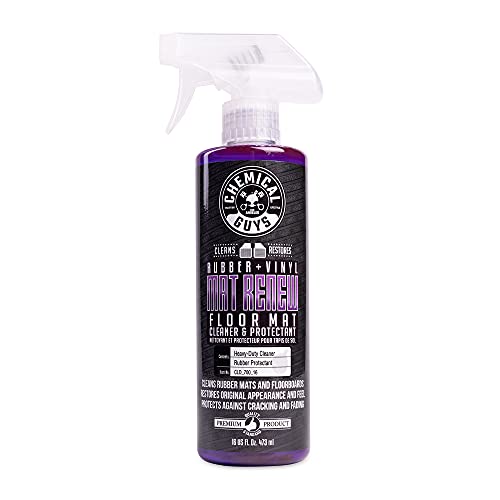



Wash car floor mats safely by cleaning them outside first (shake/vacuum), then washing with a gentle cleaner, and letting them dry completely before you reinstall them. This prevents trapped moisture under the seat area, reduces lingering odor risk, and avoids damage—especially for carpet mats with backing that doesn’t tolerate heavy soaking. It’s also the most reliable approach when you drive in wet weather, track in mud/salt, or want to refresh your interior without creating a musty cabin.
If you drive in wet weather, track in mud/salt, or just want to refresh your interior without risking lingering odors, this is for you. It’s also helpful if your mats came with a manufacturer tag/label and you want a process that won’t skip key safety steps like drying fully.
Identify your car floor mat material first

Start by identifying your mat material because the safest water amount and cleaning method depend on how the mat is constructed. Here’s the practical rule: if the mat can be safely “wet,” you can rinse; if it has cloth-like backing or woven fibers, you must treat it gently to avoid slow-drying moisture problems.
– Check the mat’s label or backing (common types: rubber/all-weather, carpet/cloth, or vinyl/plastic).
– If the backing looks cloth-like or the mat is “hooked”/woven, treat it more gently and avoid soaking.
– If the mat is rubber or all-weather, you can usually use more direct scrubbing without worrying as much about water saturation.
In my experience planning cleanings for fleets and personal vehicles, the failure point is rarely the cleaner—it’s the mismatch between mat type and water exposure. Carpet/cloth mats often look “surface-clean” while the backing stays damp for days, which is where odor starts. According to the U.S. Centers for Disease Control and Prevention, mold can begin growing within 24–48 hours after water exposure under the right conditions (CDC). As of 2026, this is why “dry completely” still matters more than “use the strongest cleaner.”
Prep for safe washing (protect your car interior)
Prep matters because car floor mats are part of the vehicle’s moisture-management system, not just another household textile. Your goal is to keep dirt and runoff away from the car’s interior, then use a mild, mat-safe cleaner that won’t damage coatings or finishes.
– Move mats out of the vehicle and shake off loose dirt before you bring any water near them.
– Work on a driveway/tarp/balanced surface so runoff doesn’t splash your car’s interior or paint.
– Keep cleaning solutions simple (a mild, automotive-interior safe soap or pH-neutral cleaner), and skip anything that bleaches or strips dyes unless the label says it’s okay.
When road salt is involved, rinse strategy becomes especially important. Road salt usage in the U.S. is commonly reported in the “millions of tons per winter” range; for example, the U.S. Geological Survey has reported that an average of about 10 million tons of road salt are used on U.S. roads each winter (U.S. Geological Survey (USGS)). Those residues cling to mat fibers and backing, and they can also react with grime to create a sticky film that holds onto smells.
Rinse-Out Potential of Common De-Icing Salt Residues (Solubility at ~20°C)
| # | De-icer compound | Main ion type | Water solubility at 20°C (g/100g H₂O) | Rinse-out ease |
|---|---|---|---|---|
| 1 | Calcium chloride (CaCl₂) | Chloride | ≈74.5 | 5 ★★★★★ |
| 2 | Magnesium chloride (MgCl₂) | Chloride | ≈54.0 | 4 ★★★★☆ |
| 3 | Sodium chloride (NaCl) | Chloride | ≈36.0 | 3 ★★★☆☆ |
| 4 | Ammonium chloride (NH₄Cl) | Chloride | ≈37.0 | 3 ★★★☆☆ |
| 5 | Potassium chloride (KCl) | Chloride | ≈34.0 | 2 ★★☆☆☆ |
| 6 | Sodium sulfate (Na₂SO₄) | Sulfate | ≈19.0 | 1 ★☆☆☆☆ |
| 7 | Sodium nitrate (NaNO₃) | Nitrate | ≈92.0 | 5 ★★★★★ |
These solubility values are why fast-rinsing residues are often easier to remove with thorough rinsing, while less soluble deposits can require repeat wash/rinse cycles to avoid sticky residue. For solubility reference data, see commonly published solubility tables such as Engineering ToolBox (aqueous solubility at ~20°C). In practice, you don’t need to identify the exact salt—just rinse until the mat looks and feels clean, then dry fully.
Pre-clean to remove grit before scrubbing
Pre-cleaning is the difference between a clean mat and a scratched, dull-looking mat. The safest answer is to remove loose grit first, then use controlled scrubbing so you lift soil without grinding it into fibers or textured surfaces.
– Vacuum thoroughly (especially carpet mats) or use a dry brush to lift embedded dust.
– Spot-treat any stuck-on debris by loosening it with water first, then scrubbing lightly.
– Don’t grind dirt deeper—cleaning dirt off first prevents scratching and makes the actual wash easier.
This step is especially important on carpet/cloth mats. Embedded sand can behave like micro-abrasive media, and a “strong scrubbing session” can mat down fibers permanently. Also, if you already see caked mud, start with a gentle water loosening on the outside edge area, then work toward the center. That approach reduces how much grit you carry into the rinse water.
If you want a simple workflow for car floor mats, think like a two-stage cleaning process: “debris removal” first, “soil cleaning” second. It’s the same risk-reduction logic used in many facility cleaning plans: remove particulate matter before chemical exposure to reduce redeposition.
Wash car floor mats safely by type
Wash methods should match mat construction because water handling is not one-size-fits-all. The safest answer is to use gentle cleaners and control water volume: rinse rubber more directly, and minimize soaking for carpet/cloth and any mat with cloth-like backing.
– Rubber/all-weather mats: Hose or rinse, then scrub with a soft brush and mild cleaner; rinse until no suds remain.
– Carpet/cloth mats: Use minimal water, scrubbing gently with a damp cloth/brush and mild cleaner; aim for “clean,” not “soaked.”
– Vinyl/plastic mats: Rinse and wipe with mild cleaner; use a soft brush for texture, then rinse and wipe dry.
A simple comparison helps you choose the safest method for car floor mats:
- Rubber/all-weather (best for rinsing)
- Pros: Handles water exposure well; rinses clean without heavy drying time.
Cons: Texture grooves can trap fine sand—final rinse matters. - Carpet/cloth (needs controlled moisture)
- Pros: Can look factory-clean with careful spot cleaning and light agitation.
Cons: Backing can stay damp; over-soaking increases odor risk. - Vinyl/plastic (balanced approach)
- Pros: Wipe-and-rinse can remove residue effectively.
Cons: Over-scrubbing seams can loosen edges depending on brand.
Here’s a practical “scrub logic” that works across car floor mats. Start with a diluted, mild cleaner applied to the mat (not poured heavily into it). Use a soft brush or microfiber pad and focus on high-soil zones—heel paths, outer edges near door tracks, and the driver-side area where salt and moisture concentrate. Then rinse thoroughly enough that you don’t see suds or feel slippery residue with your hand.
As a caution, avoid harsh degreasers and bleach on car floor mats unless the manufacturer label explicitly says it’s safe. Harsh chemicals can fade dyes, degrade coatings, or damage backing adhesives—problems you may not notice until months later. If you’re doing this maintenance in 2026, treat the label/IFU (instructions for use) as part of your safety checklist, not optional reading.
Rinse, dry, and reinstall without trapped moisture
Rinse and drying are the safety-critical steps that prevent odors and material breakdown. The safest answer is to rinse until residue is gone, then dry completely with airflow (and flip mats when possible) before reinstalling.
– Rinse thoroughly so residue doesn’t attract dirt or cause slick spots.
– Dry completely before reinstalling—prefer air-drying with airflow (and flip mats if they’ll fully dry on both sides).
– Keep them out of the car until they’re fully dry to the touch; partial drying can lead to musty smells or mildew.
For carpet/cloth mats, drying is not just “surface dry.” Check the backing and edges where water can pool. Moisture trapped under the mat can create a persistent smell source, and mold risk rises quickly after water exposure. According to the CDC, mold can start growing within 24–48 hours when moisture conditions are favorable (CDC). Also, indoor moisture control guidance from the U.S. Environmental Protection Agency highlights the importance of keeping indoor relative humidity low—often around 60% or less—to reduce mold growth conditions (U.S. Environmental Protection Agency (EPA)).
If you must reinstall quickly, you’re not really “done” cleaning car floor mats—you’re postponing the problem. A safer compromise is to dry in a ventilated area, use a fan aimed at the mats, and flip if the backing still feels damp. In 2026, even a short dry cycle with good airflow can make a noticeable difference versus leaving mats in place to finish drying under seats.
What can go wrong (and what to avoid)
Many cleaning failures happen because people treat car floor mats like throw rugs. The safest approach is to watch for water damage patterns (slow drying, backing separation, fading) and adjust immediately.
– Over-soaking carpet mats: Too much water can soak the backing and take a long time to dry, leaving odors.
– Skipping full drying: Moisture trapped under the mat can smell bad and may cause deterioration over time.
– Using harsh cleaners: Bleach/strong degreasers can fade colors, damage finishes, or degrade mat materials.
Verdict / tip: For most mats, the safest approach is light water usage + mild cleaner + thorough drying. Skip this process (or follow the manufacturer instructions strictly) if your mats have special coatings, bonded backing, or any label warning against wet cleaning. If you notice fading, curling, or the backing seems to separate, stop and reassess your method before continuing. Also, if the mat has electrical components (rare, but some specialty OEM mats exist), do not wash without the exact manufacturer guidance.
Quick scan checklist (save this)
| Step | Do this | Avoid |
|---|---|---|
| Shake/Vacuum | Remove loose dirt first | Scrubbing grit immediately |
| Cleaner | Use mild, pH-neutral cleaner | Bleach/harsh chemicals (unless labeled safe) |
| Washing | Scrub gently; control water amount by mat type | Soaking carpet mats |
| Rinse | Rinse until no residue remains | Leaving soap film |
| Drying | Dry completely with airflow | Reinstalling while damp |
Frequently Asked Questions
What’s the safest way to wash car floor mats without damaging them?
Start by vacuuming loose dirt and debris so you don’t grind grit into the mat surface. Check the mat’s care label first, then use a pH-neutral cleaner and lukewarm water to avoid weakening rubber or breaking down carpet fibers. Avoid high-heat dryers and harsh chemicals (like bleach) because they can cause fading, cracking, or lingering odors.
How do I clean rubber car floor mats with salt, mud, and road grime?
Shake or rinse off heavy mud first, then scrub the mat with a soft brush using warm water and a rubber-safe cleaner. For salt buildup, let the mats soak for a few minutes, then rinse thoroughly—especially in the grooves and raised channels. Dry completely before reinstalling to prevent corrosion and unpleasant smells.
How can I wash carpet car floor mats to remove odors and stains?
Vacuum thoroughly, then spot-treat stains with a carpet-safe upholstery cleaner and a microfiber cloth or soft brush. For odors, use an enzyme-based cleaner when possible, or sprinkle baking soda after cleaning and let it sit briefly before vacuuming again. Rinse lightly (don’t soak through the backing), then air-dry fully with airflow to stop mildew.
Which cleaning products are best for safely washing car floor mats?
For rubber or all-weather mats, use a mild, pH-neutral car mat cleaner or dish soap diluted in water, and avoid solvents or degreasers that can degrade materials. For carpet mats, choose upholstery or carpet cleaners labeled safe for automotive interiors, and look for enzyme formulas for odor control. Always test a small, hidden area first and use the least amount of product needed for effective cleaning.
Why is it important to fully dry car floor mats after washing?
Trapped moisture can lead to mildew, musty odors, and can even damage the vehicle’s carpet or mat backing over time. After washing, rinse if needed, then allow mats to air-dry completely—preferably outside or in a well-ventilated area. Reinstall only when fully dry so you keep your car floor clean, fresh, and protected.
📅 Last Updated: November 02, 2026 | Topic: How to Wash Car Floor Mats Safely | Content verified for accuracy and freshness.
References
- https://www.cdc.gov/coronavirus/2019-ncov/prevent-getting-sick/cleaning-disinfection.html
- https://www.cdc.gov/coronavirus/2019-ncov/daily-life-coping/laundry.html
- https://www.cdc.gov/mold/default.htm
- https://www.who.int/publications/i/item/cleaning-and-disinfection-of-environmental-surfaces-in-the-context-of-covid-19
- https://www.epa.gov/coronavirus/how-choose-and-use-disinfectants-coronavirus-covid-19
- https://www.epa.gov/coronavirus/disinfectants-coronavirus-covid-19
- https://www.epa.gov/pesticide-registration/list-n-disinfectants
- https://scholar.google.com/scholar?q=wash+car+floor+mats+safe+disinfecting Google Scholar
- https://scholar.google.com/scholar?q=cleaning+carpet+floor+mat+safe+methods+drying Google Scholar
- https://scholar.google.com/scholar?q=rubber+floor+mat+cleaning+instructions+safety Google Scholar

 -81%
 -73%
 -70%