Top 5 Must-Know Mistakes When Cleaning Baseboards
Cleaning baseboards can significantly enhance the overall appearance of your rooms, but many individuals inadvertently make common mistakes that can undermine their efforts. The key to achieving a spotless finish lies in understanding what to avoid during the cleaning process. This article will delve into the top mistakes you might be making while cleaning your baseboards and provide actionable strategies to correct them, ensuring your baseboards look immaculate.
Neglecting to Dust First

One of the most frequent oversights in baseboard cleaning is neglecting to dust first. Over time, dust and debris accumulate on baseboards, making cleaning much more challenging. If you attempt to clean baseboards without dusting first, you risk smearing the dirt and creating unsightly streaks, which can make the baseboards appear even less clean than before.
To effectively dust, use a microfiber cloth or a duster to capture dust particles without spreading them around. For hard-to-reach areas, consider using a vacuum cleaner with a brush attachment. This initial step not only prepares the surface for deeper cleaning but also enhances the effectiveness of any cleaning solutions you apply later. Remember, dusting is not just a preliminary step; it’s an essential part of the overall cleaning process that sets the stage for a more thorough clean.
Using the Wrong Cleaning Products

Another critical mistake is using the wrong cleaning products. Many people resort to harsh chemicals, thinking that stronger is better, but this approach can be detrimental to the finish of your baseboards, especially if they are made of wood or painted surfaces. Harsh cleaners can strip away the protective coatings, leading to dullness or even damage over time.
Instead, opt for gentle, wood-friendly cleaners or consider DIY solutions. A mixture of warm water and a few drops of dish soap is often sufficient for most baseboard materials. For tougher stains, a mixture of vinegar and water can be effective while remaining safe for your baseboards. Always test any new product in a small, inconspicuous area first to ensure it won’t cause damage. By choosing the right cleaning products, you can maintain the integrity and appearance of your baseboards for years to come.
Skipping Regular Maintenance
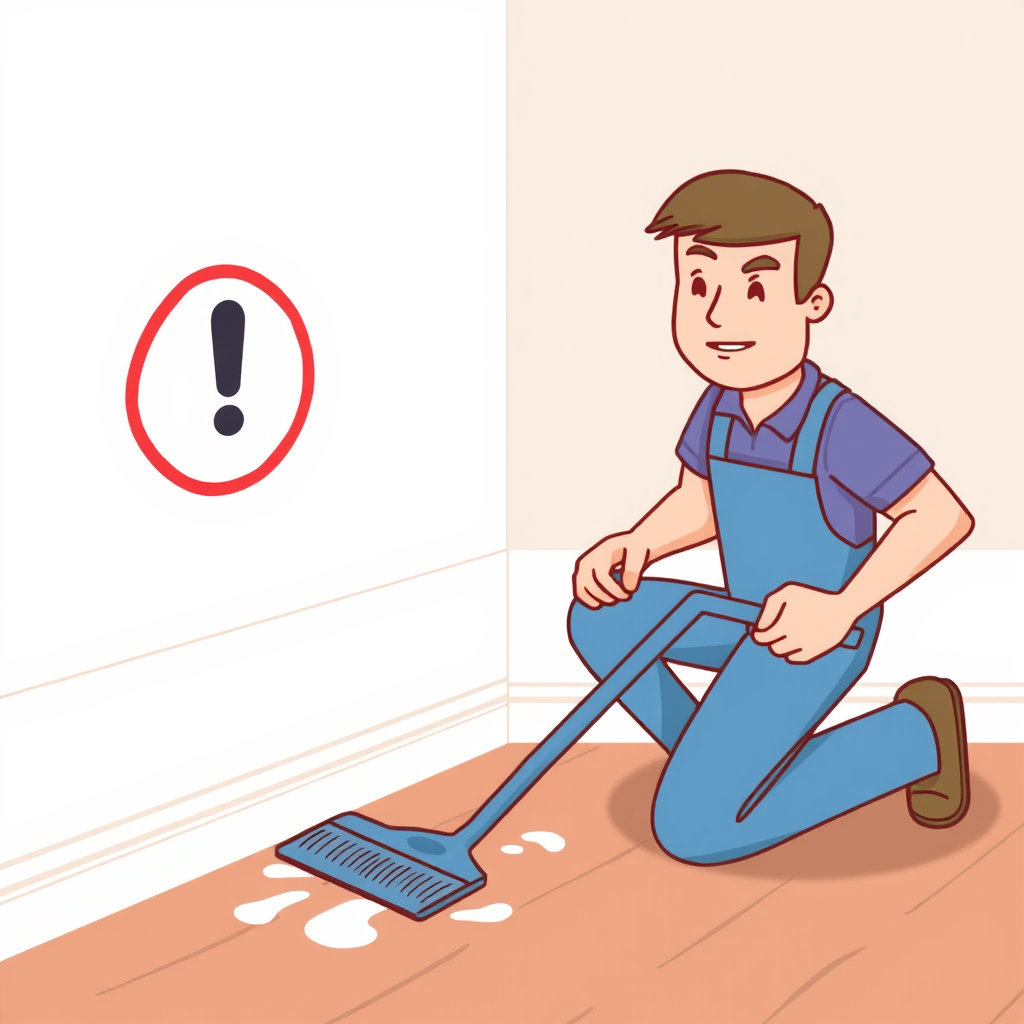
Skipping regular maintenance is another common pitfall that leads to more extensive cleaning jobs down the line. When baseboards are left uncleaned for long periods, dust, dirt, and grime accumulate, making the cleaning process not only more labor-intensive but also less effective.
To combat this issue, establish a regular cleaning schedule. Even a quick wipe-down every few weeks can prevent buildup and keep your baseboards looking fresh. Incorporate baseboard cleaning into your regular dusting routine or as part of your seasonal deep cleaning. Setting reminders on your calendar or integrating this task into your cleaning habits can help ensure that your baseboards remain in pristine condition. Regular maintenance not only makes cleaning easier but also prolongs the life of your baseboards.
Overlooking Corners and Crevices
Corners and crevices are often the most neglected areas when cleaning baseboards. Dirt and dust tend to hide in these tight spots, leading to a less thorough clean and detracting from the overall appearance of your baseboards.
To effectively address these areas, consider utilizing a small brush, such as a paintbrush or an old toothbrush, to reach into corners and crevices. This allows you to dislodge dirt that a cloth might miss. Additionally, using a vacuum with a narrow attachment can help you suck up debris from these hard-to-reach places. By paying attention to these often-overlooked spots, you can achieve a more comprehensive clean that truly elevates the look of your baseboards.
Rushing the Process
Cleaning too quickly is a frequent mistake that can lead to missed spots and an unsatisfactory finish. In our fast-paced lives, it can be tempting to rush through household chores, but this approach often results in a lack of attention to detail.
Take your time when cleaning your baseboards. Methodically work your way around the room, focusing on one area at a time to ensure thoroughness. Instead of trying to tackle all your cleaning tasks at once, dedicate specific time blocks to baseboard cleaning. This not only allows you to do a more meticulous job but also helps create a sense of accomplishment. Remember, quality over speed is key to achieving the best results.
Not Protecting Surrounding Areas
Failing to protect surrounding areas is another oversight that can complicate the baseboard cleaning process. Cleaning solutions can drip or splash onto nearby surfaces, leading to potential damage or additional cleaning tasks.
To avoid this issue, use painter’s tape or plastic sheeting to cover adjacent walls and floors before you begin cleaning. This precaution can save you time and effort in the long run, as it prevents the need for additional touch-ups or repairs. Additionally, consider using a spray bottle to apply cleaning solutions instead of pouring them directly onto the baseboards. This method minimizes the risk of overspray and helps maintain a cleaner surrounding area during the process.
Forgetting to Finish with a Polish
Finally, one of the most overlooked steps in baseboard cleaning is the finishing polish. A clean baseboard can often look dull without a proper polish to enhance its appearance and provide a layer of protection.
After cleaning, consider applying a furniture polish or a wood conditioner suitable for your baseboard material. This step not only adds a beautiful shine but also helps protect the surface from future stains and damage. A polished finish reflects light beautifully and can make your entire room feel more inviting. Incorporating this final touch into your cleaning routine ensures that your baseboards not only look clean but also well-maintained.
In conclusion, avoiding these common mistakes while cleaning your baseboards can lead to a significant improvement in their appearance and longevity. By taking the time to dust first, using suitable cleaning products, maintaining a regular cleaning schedule, paying attention to corners and crevices, avoiding the temptation to rush, protecting surrounding areas, and finishing with a polish, you can achieve baseboards that look as good as new. Implementing these strategies will not only enhance your home’s aesthetic but also contribute to a healthier living environment. Happy cleaning!