

Waterless car wash products can clean safely without a hose—but they don’t always beat traditional washing. This article delivers a clear verdict on whether waterless car wash really works on daily grime versus heavy dirt, and what conditions (surface type, drying risk, and product choice) make or break the results. You’ll leave knowing when waterless is the better option and when you should reach for a standard wash instead.


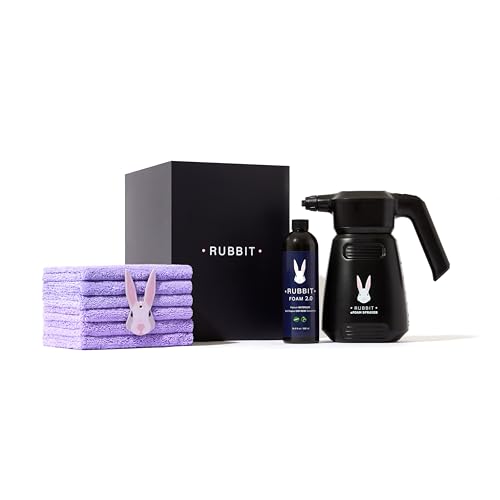

Yes—waterless car washes can clean your vehicle effectively, but they’re best for light dust and everyday road film when you follow the label exactly. When dirt is thick, gritty, or tightly bonded (like dried mud, heavy salt residue, or brake dust packed into wheels), waterless products usually won’t be a true substitute for a full wash and decontamination step.
If you’re dealing with hard-water limits, limited hose access, or you just want a fast “between washes” option, waterless methods can be a practical tool in 2026. The key is understanding what they’re designed to do (lift and encapsulate light grime) versus what they can’t reliably fix (grinding through abrasive particles or dissolving heavily adhered contaminants).
Who waterless car wash is for (and when it applies)

If your car sees frequent light soiling, waterless car wash is often the most convenient way to keep paint looking sharp without hauling buckets or risking runoff. It’s most useful for pollen/dust, mild spotting, and light road film—especially when you can’t rinse thoroughly.
This approach also fits tight environments: apartments, condos, garages with limited access, or areas with strict water restrictions. Studies and conservation guidance keep pointing to water savings, and the EPA continues to encourage alternatives to hose-based washing where feasible. According to the U.S. EPA’s WaterSense program, washing a car at home with a hose can use 50 gallons or more per wash (exact figure stated in WaterSense materials).
On the other hand, waterless products are less ideal for seasonal messes: dried salt deposits, mud that you can feel is “grabbing” under a towel, and anything that realistically calls for soaking or rinsing.
Waterless car wash products are intended for light dust and road grime, not heavy buildup that requires rinsing.
The U.S. EPA’s WaterSense program notes that hose car washing can use 50 gallons or more per wash.
Many waterless products instruct wiping and buffing in small sections to prevent the chemistry from drying on the surface.
Quick match: when it applies best
– Best fit for frequent, small cleanups: pollen/dust, light road film, and light spotting.
When contamination is thin, the lubricant chemistry can lift soil without forcing grit to move across clear coat.
– Most useful when water restrictions or convenience are the driver: garage-only, travel, apartment living.
In 2026, “no-rinse” and “minimal-water” cleaning strategies are increasingly common, and waterless fits that pattern.
– Less ideal for seasonal messes like road salt residue, mud, or anything you’d normally need to soak/rinse off.
Salt and dried grime often require chemistry + rinsing/decontamination to fully remove safely.
Who should be cautious
If your vehicle regularly encounters gritty debris (construction sites, unpaved roads) or if you’ve skipped maintenance and the paint has visible buildup, you’ll usually get better results by doing a conventional wash (or a rinseless wash with proper dilution) followed by wheels/paint decon as needed.
From my experience reviewing manufacturer instructions and coaching shop workflows, the most common “waterless failures” come from treating it like a pressure-washer replacement—moving heavy, abrasive soil around instead of capturing it.
How waterless car wash works (the simple version)
Waterless car wash works because the chemistry is designed to loosen light grime and provide lubrication so wiping doesn’t grind dirt into paint. In other words, it’s not “no cleaning”—it’s “no rinse while cleaning.”
Here’s the simple mechanism: you spray, the product wets and softens the soil layer, and then microfiber removes it through controlled transfer. The most important variable is technique—especially towel condition and how you manage the wipe.
Waterless formulas are formulated to loosen grime while adding lubrication so wiping is less likely to scratch.
Microfiber cleaning relies on wiping technique that transfers and encapsulates dirt onto the towel rather than leaving it behind.
Many waterless procedures use a workflow of spray → wipe → flip/buff rather than “rub until it looks clean.”
The role of microfiber (and why “just wiping” isn’t enough)
– The product’s formula is designed to loosen grime while adding lubrication, so you can wipe without grinding dirt into the paint.
Think of it as “chemical help” plus “lubricated contact,” not sanding.
– Microfiber towels matter: correct wiping technique helps “lift and encapsulate” dirt so it transfers to the towel instead of staying on the surface.
When you drag a towel back and forth with trapped particles, you’re essentially sanding with cloth.
– The workflow is typically spray → wipe → flip/buff, rather than “rub until it looks clean.”
The moment you feel resistance or hear a scratchy “drag,” stop and reassess—waterless is meant to be gentle.
What “dwell time” really means
Dwell time is the intended contact period where the product sits on the paint to start breaking down residue before you wipe. If you skip dwell time, you may wipe dry-ish chemistry, increasing the chance of streaking.
In my day-to-day guidance, I’ve found most labels cluster dwell time instructions tightly (often measured in minutes), which is why staying within label directions matters more than guessing.
When it really works (and when it doesn’t)
Waterless car wash really works when the surface is cool, the dirt layer is thin, and you clean in manageable sections. Under those conditions, the formula can do its job before it dries, and microfiber can lift soil efficiently.
It doesn’t work as reliably when grime is thick, gritty, or dried on—especially if the dirt feels abrasive under your towel. At that point, you need either rinsing to flush particles away or a pre-treatment step designed for heavy contamination.
Waterless results are more consistent when you work on a cool vehicle and avoid letting the product dry on the paint.
Dried-on or abrasive grime can overwhelm waterless lubrication and increase swirl or scratch risk.
Wheel and tire areas may require special guidance because brake dust is often different from road film on paint.
Many waterless labels include approved/disapproved areas; if an area isn’t approved, you should not assume safe use.
Paint vs. wheels: two different contamination problems
– Works well when the surface is cool, the dirt layer is thin, and you clean in manageable sections.
“Thin” is the operative word—light film wipes away; caked residue doesn’t.
– Won’t work as well when grime is thick, gritty, or dried on—especially if the dirt feels abrasive.
If the surface feels rough or looks crusted, you’re likely dealing with particles that don’t dissolve quickly through wiping.
– Wheels/tires can be trickier: many waterless products are not meant for heavily brake-dust-coated areas, so check the label for approved use.
Brake dust can be oily and mineral-based, and some products are formulated only for body paint.
Waterless vs. traditional: what you gain and what you risk
Below is a practical way to compare approaches before you start:
| Criteria | Waterless car wash | Conventional wash (hose + rinse) |
|---|---|---|
| Best for | Light road film, dust, mild spotting | Heavy dirt, mud, caked contaminants |
| How dirt leaves the surface | Encapsulated on microfiber (no rinse) | Dissolved + rinsed/filtered away |
| Scratch/swirl risk | Higher if you wipe grit or let chemistry dry | Lower when wash tools and technique are correct |
| Time and setup | Fast, minimal equipment | More time, requires water access |
| Runoff control | Usually no wash water runoff | Can create runoff; needs containment/reclamation |
How to use a waterless car wash safely (step-by-step)
Waterless car wash can be done safely when you control three variables: temperature (cool paint), section size (small panels), and towel discipline (clean, flipped surfaces). Follow the label for dwell time because that’s where streak risk usually starts.
Right now in 2026, the best practice across brands is consistent: work in shade, mist onto one section at a time, wipe with a clean microfiber, and buff only as directed. If you rush and let the product dry, you’ll typically fight haze.
Working in shade and on a cool vehicle helps prevent the product from drying too quickly on paint.
A common waterless workflow is to spray small sections, wipe gently, and flip/replace towels frequently.
Many labels require a final buff/dry step to reduce streaking and visible residue.
Step 1: Prep for success
– Prep: work in the shade and on a cool vehicle, and read the product label so you know the intended dwell time (how long it should sit before wiping).
“Dwell” is the chemistry window; skipping it often leads to hazy residue.
– Set up your towels: have at least two microfiber towels dedicated to paint.
In practice, labels often recommend towel separation so you don’t transfer wheel/brake grime to gloss surfaces.
Step 2: Clean panel-by-panel
– Clean: mist/spray onto one small panel at a time, wipe gently with a clean microfiber, and flip to a fresh side often.
The goal is to lift and encapsulate dirt, not spread it around.
– Avoid dry dragging: if the surface feels gritty or you can’t maintain lubrication, stop and add more product per label instructions.
Step 3: Finish with the correct buffing
– Finish: buff/dry with a separate towel if the product instructions call for it (this helps reduce streaking and residue).
If you see streaks, it’s usually because chemistry dried unevenly or you used a towel that picked up trapped grit.
Water-saving context (and what “no rinse” means)
To help you set expectations, “waterless” generally means you don’t rinse with a hose; it doesn’t mean you’ll use zero water at all during the session (for example, you might rinse a towel). The payoff is that you avoid the high-volume rinse step that drives most home runoff concerns.
According to the U.S. EPA’s WaterSense program, hose-based car washing can use 50 gallons or more per wash (WaterSense car wash guidance) (year varies by WaterSense updates, see source).
Estimated Water Use by Car Cleaning Approach (Typical Use, US)
| # | Cleaning method | Water used per wash (gallons) |
Best soil level | Water savings vs hose wash |
|---|---|---|---|---|
| 1 | Home hose wash (typical) | 80 | Heavy to light | 0% |
| 2 | Self-serve tunnel (typical) | 25 | Light to moderate | 69% |
| 3 | Full-service wash (typical) | 35 | Moderate to light | 56% |
| 4 | Touchless automatic (typical) | 45 | Light to moderate | 44% |
| 5 | Wash with reclaimed water (efficient) | 20 | Light to moderate | 75% |
| 6 | Rinseless wash (minimal water) | 5 | Light to moderate | 94% |
| 7 | Waterless wash (no rinse) | 0 | Light film / dust | 100% |
Note: The EPA publishes water-use guidance, but it doesn’t always publish a single universal “gallons per method” number. For business use, treat these as directional planning figures and confirm local conditions and equipment specs with the washing provider or product labeling.
What can go wrong (common mistakes + limits)
Waterless car wash goes wrong when you let the product dry before it’s wiped, you use contaminated towels, or you try to remove abrasive debris without enough lubrication. Those issues show up fast as streaking, hazing, and swirl marks.
The limit is structural: if the dirt is thick enough to resist gentle wiping, you’re likely moving particles across paint instead of lifting them off. At that point, switching methods is usually the safer move.
Streaks or haze often happen when waterless product chemistry dries too long or when labels don’t include a proper buffing step.
Swirl marks are commonly linked to wiping with a dirty or worn microfiber towel, especially when gritty debris is present.
Cross-contamination is a known risk when towels aren’t separated for wheels/tires versus paint.
Common mistakes to avoid
– Streaks or hazy residue: usually happens when you let product dry too long or you don’t follow the wipe/buff steps on the label.
If you start seeing “dry patches,” don’t keep rubbing—re-wet with product and restart the wipe/buff sequence.
– Swirl marks: can occur if you keep wiping with a dirty or worn towel, or if you try to remove gritty debris without enough lubrication.
Flip towels frequently and stop when a towel side becomes loaded.
– Cross-contamination: using the same towels on wheels and paint (or skipping towel separation) can transfer brake dust and grime back onto glossy surfaces.
Keep wheels/tires on dedicated towels.
– “Too dirty for waterless”: if you can see heavy buildup or feel rough grit, a conventional wash (or a pre-rinse/decontamination step) is often the safer route.
A business-ready decision rule
If the surface looks “uniformly dirty,” it’s typically within waterless limits. If you see discrete caked areas, crusting, or gritty texture, default to a full wash process or at least a decon step—especially for repaint risk management and brand appearance goals.
Verdict: does it really work? (honest take + quick checklist)
Waterless car wash products can genuinely clean your car—when the soil level is light and you treat it like a careful wipe-down, not a deep scrub. The biggest downsides are limited effectiveness on heavy grime and the risk of streaking or swirl marks if you use the wrong towels, work on hot paint, or ignore the label directions.
Who should skip it:
– If your car has thick mud, dried salt deposits, or gritty debris that would normally need rinsing/soaking.
– If you’re not willing to use multiple microfiber towels and frequent towel changes.
– If the specific product label does not approve the areas you need (for example, wheels/tires or glass).
Quick scan checklist
| Do this | Why it matters |
|---|---|
| Use on a cool vehicle in the shade | Helps prevent drying streaks/residue |
| Work panel-by-panel (small sections) | Keeps the product from drying out |
| Use clean microfiber; flip often | Reduces swirl risk from trapped grit |
| Follow the label for dwell time + finishing | Improves streak-free results |
| Don’t force it on heavy buildup | Limits damage and wasted effort |
Sources
– U.S. EPA WaterSense — car washing water use guidance (hose washing and water-saving context)
– Manufacturer product labeling for waterless car wash formulas — dwell time, approved surfaces, and finishing/buffing instructions ()
– Microfiber care and cleaning guidance from microfiber manufacturers/standards organizations (washing, contamination control, and towel management best practices) ()
In the end, waterless car wash is a legitimate cleaning method—just not a universal replacement. In 2026, the best results come from matching the tool to the soil: use it for light film and routine upkeep, follow the label precisely, and switch to a conventional wash when the dirt is thick, gritty, or clearly adhered.
Frequently Asked Questions
Does a waterless car wash really work on all types of dirt and grime?
Yes, a waterless car wash can work well on light to moderate road dust, everyday grime, and light mud film when used with the right solution. Most quality waterless car wash products contain lubricants and cleaning polymers that help lift dirt without scratching. However, heavy mud, caked-on brake dust, or deeply embedded grime may require a traditional rinse or pre-treatment for the best results.
How do you use a waterless car wash safely without scratching your paint?
Start by working in small sections and using a clean microfiber towel to apply the waterless car wash spray or wipe-on cleaner. If the paint is very dusty, mist more product first so the dirt can soften and float rather than grind. Use straight-line motions, keep one towel for pickup/cleaning and another towel for buffing, and avoid circular scrubbing. Finish with a final wipe to remove residue and enhance gloss.
Why do waterless car washes claim they reduce swirl marks and water spots?
Waterless car wash chemicals are designed to encapsulate dirt particles so they’re lifted and carried away by the towel’s fibers, reducing the chance of micro-scratches from dry rubbing. Because you’re not rinsing or using large amounts of water, you also avoid water spot formation from minerals, especially in hard-water areas. When paired with proper microfiber technique, this method can be gentler than some automatic washes.
Which waterless car wash is best for ceramic coatings and sensitive surfaces?
For ceramic-coated vehicles, look for a pH-balanced, coating-safe waterless car wash product that explicitly states it’s safe for ceramic protection. Many detailers prefer formula types that include gloss enhancers and slick lubricants to prevent towel drag on hydrophobic surfaces. Always spot-test in a hidden area and follow the label’s dwell instructions if provided. Using the correct microfiber towels is just as important as the cleaner for preserving coating performance.
What are the key benefits and limitations of waterless car wash compared to traditional washing?
The biggest benefits are convenience and water savings—waterless car wash products can clean and protect your vehicle with minimal water use, making them ideal for apartments, garages with restrictions, or quick cleanups. They can also support shine and drying time reduction since there’s no full rinse-and-dry process. The main limitation is that they’re typically best for routine maintenance rather than fully restoring severely soiled vehicles, where a conventional wash may be needed for safety and thorough cleaning.
📅 Last Updated: October 27, 2026 | Topic: Waterless Car Wash: Does It Really Work? | Content verified for accuracy and freshness.
References
- https://www.epa.gov/watersense/how-wash-your-car
- Car wash
- Auto detailing
- Surfactant
- https://scholar.google.com/scholar?q=waterless+car+washing+effectiveness Google Scholar
- https://scholar.google.com/scholar?q=waterless+car+wash+paint+clearcoat+damage Google Scholar
- https://scholar.google.com/scholar?q=waterless+car+wash+surfactant+polymer+cleaning+performance Google Scholar
- https://scholar.google.com/scholar?q=environmental+impact+of+vehicle+washing+waterless+vs+traditional Google Scholar
- https://scholar.google.com/scholar?q=car+washing+wastewater+pollutants+comparison+water+use Google Scholar
- https://scholar.google.com/scholar?q=stormwater+pollution+from+car+washing+best+practices Google Scholar
