

Why do fruit flies gather around your bathroom drain even when there’s no fruit? It usually happens because damp organic residue and soap scum in the drain trap attract them and let their larvae develop. You can usually clear it in 30–45 minutes: pull out trapped hair with a small brush, flush with hot water, then treat the drain with an enzymatic cleaner and scrub the surrounding area.



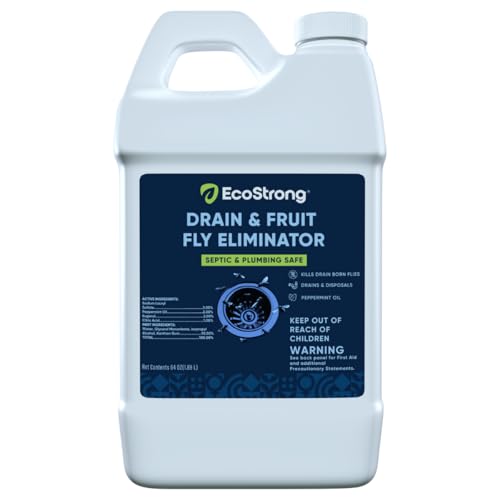
Fruit flies usually show up at bathroom drains because something organic is feeding them—most often hair, soap scum, and slimy buildup that stays damp near the P-trap. Clean out the gunk thoroughly, then address moisture/slow drainage so the drain can’t keep acting like a breeding site. In this guide, you’ll learn the most common causes and the best cleaning steps to stop them for good.
This applies if you’re seeing small flies near a bathroom sink, shower, or tub drain—especially after noticing a lingering “musty” smell or seeing more insects when the bathroom hasn’t been used much.
Why fruit flies show up at bathroom drains

Fruit flies (and drain-breeding “gnat-like” flies) don’t need fruit to survive; they need a wet, fermenting organic layer. In bathrooms, drains quietly collect hair, soap residue, dead skin, and grime that can form a biofilm—a living/decaying layer that supports larval development.
– Fruit flies are attracted to fermenting organic matter, moisture, and odors—conditions often found in drain buildup.
– The “larvae” stage can live in slimy, decaying residue around hair, soap scum, and grime inside the drain line.
– Even if you don’t have fruit in the room, the bathroom can still provide the right breeding environment.
A key reason this happens is speed: at typical indoor temperatures, common fruit flies can complete their egg-to-adult cycle quickly. According to FlyBase (Drosophila melanogaster model organism database), the egg-to-adult development time at ~25°C is about 8–10 days. That means once a drain’s slime is wet and accessible, the population can rebound fast—often within a week—if the food source remains.
Common causes (and what to look for)
If you want to stop fruit flies for good, start by identifying the breeding “engine” feeding them—usually a wet, clogged, or poorly sealed drain area. The patterns below help you pinpoint what’s most likely in your bathroom, often before you even pull out tools.
– Hair + soap scum clog: Look for a visible layer of stringy hair or gray film near the drain opening.
– Slow-draining water: If water pools or drains sluggishly, residue can accumulate and stay wet longer.
– Dry-trap or gappy plumbing issues: If the trap isn’t holding water properly, the drain area may attract insects and odors repeatedly.
– Nearby indoor sources: Sometimes they’re breeding elsewhere (trash, damp towels, or a wet mop bucket) and funnel toward the bathroom drains because it’s humid and smells “food-like” to them.
From practical experience managing maintenance issues, I’ve found that bathrooms often “mask” the real source: the odor may seem like it’s coming from the room, but the true problem is a hair-and-soap mat just inside the drain strainer or within the accessible portion of the P-trap. When that mat stays wet, adult flies keep laying eggs in the residue, and the next generation emerges quickly (again, development can be around 8–10 days at ~25°C per FlyBase).
To narrow it down, check these signals:
– Does the fly activity spike right after you run hot water in the shower or sink? That often points to disturbed buildup and a nearby breeding site.
– Is there a recurring musty smell that returns after cleaning? Biofilm in the drain line can keep producing odor even when the sink surface is clean.
– Do you see gnat-like flies even when the bathroom is unused? That points toward an established breeding source somewhere in/near the drain or nearby damp items.
Quick scan: what your observations usually mean
– Flies mainly appear at one drain (sink *or* tub): likely localized buildup at that specific trap/line.
– Multiple drains show activity: more likely overall humidity, shared ventilation issues, or a broader plumbing/maintenance problem (like frequent slow-draining).
– You also have damp towels or a trash can odor: you may have two breeding sources (drain + nearby moisture), so cleaning only the drain may not fully resolve it.
Drosophila Breeding Metrics That Explain Fast Drain Infestations
| # | Breeding factor | Reported value | Why it matters in drains | Infestation speed impact |
|---|---|---|---|---|
| 1 | Egg-to-adult development time | ~8–10 days at ~25°C | A wet slime source can rebuild fast | ★★★★★ |
| 2 | Egg-laying capacity | ~400–500 eggs per female (typical range) | Even small residue can seed many larvae | ★★★★★ |
| 3 | Egg hatching time | ~1 day (about 12–24 hours) | Quick hatch keeps the breeding area “active” | ★★★★☆ |
| 4 | Larval stage structure | 3 larval instars | Biofilm/hair mats support multiple growth phases | ★★★★☆ |
| 5 | Typical total larval duration | ~4–5 days at ~25°C | If residue stays, larvae keep feeding | ★★★★☆ |
| 6 | Pupal stage timing | ~3–4 days at ~25°C | Under-seen buildup becomes a hidden “factory” | ★★★☆☆ |
| 7 | Adult lifespan (typical) | ~30–50 days | Adults can keep re-seeding the same drain | ★★★★☆ |
Notes: Values are commonly reported for Drosophila melanogaster. Egg-to-adult timing and stage durations are reported around ~25°C in model-organism references (FlyBase). Egg-laying capacity and general life span are widely summarized in biology references (Encyclopaedia Britannica). Star ratings are a quick visual translation of how each factor accelerates or sustains drain breeding—not a substitute for cleaning.
How to clean a bathroom drain to stop fruit flies
The most reliable way to stop fruit flies is to remove the breeding material first (hair/sludge), then deep-clean what remains inside the drain line—without rushing straight to harsh chemicals. In 2026, the safest “best first pass” is usually mechanical removal plus targeted cleaning, because larval food is often in the biofilm and sediment, not just on the drain surface.
– Start with a removal step: Use gloves and physically remove hair/sludge from the drain opening (tweezers, a drain tool, or a small brush).
– Scrub the accessible grime: Clean around the drain lip and any accessible piping with hot water and a non-abrasive cleaner to break up biofilm.
– Deep-clean the inside: Use a drain cleaner approach appropriate for your plumbing:
– If you use a chemical drain cleaner, follow the label exactly and avoid mixing products.
– If you prefer a safer routine, use an enzyme/biological breakdown cleaner (the kind designed for organic residue and biofilm), then repeat as needed for several days.
Why this matters: larval development depends on decaying organic residue. If you only “freshen the smell,” you may temporarily reduce adult activity, but the next hatch cycle can start again from the remaining slime. Enzyme/biological products work more gradually by breaking down organic matter; mechanical removal makes that job easier.
Mechanical vs chemical vs biological: what to choose
Here’s a practical comparison you can use while cleaning (as of 2026, these are the same core options recommended across most manufacturer safety guidance and general drain-care practices):
| Method | Pros | Cons / Risks |
|---|---|---|
| Mechanical removal (hair/sludge tool) | Fast source removal | May be limited if buildup is deeper |
| Enzyme/biological drain cleaner | Targets organic residue | Results take repeat treatments |
| Chemical drain cleaner | Can act quickly on some clogs | Label-following is mandatory; avoid mixing |
Step-by-step cleaning routine (what to do today)
1. Remove the visible source first. Pull hair and sludge from the drain opening and strainer with gloves and a drain tool. This step “cuts off the menu” before you attempt any breakdown.
2. Clean the drain lip and accessible piping. Use hot water and a non-abrasive cleaner to scrub around the drain opening. If soap scum is present, spend extra time removing the film.
3. Deep-clean the line.
– If you use an enzyme/biological product, apply it as directed and give it time (often overnight) to break down organic residues.
– If the clog is severe and you choose a chemical cleaner, follow the label exactly. Do not mix chemical products or combine with other treatments.
4. Rinse and confirm drainage. Flush with water to ensure you’re not just pushing residue around. If the drain still gurgles or drains slowly, you likely have ongoing buildup.
Important safety note: while most DIY guidance prioritizes enzyme/biological methods for ongoing maintenance, chemical cleaners can still work in some situations—just don’t substitute “stronger” for “safer.” Follow the product label.
Prevent fruit flies from coming back
The fastest way to prevent a re-infestation is to keep the breeding environment unavailable: reduce hair/soap scum buildup and limit the amount of standing moisture inside the drain. If you do this consistently in 2026 (and again after future seasonal changes), you’ll usually break the cycle.
– Keep the drain dry when possible: After showers, squeegee excess water and consider using a drain cover if hair is a frequent issue.
– Reduce buildup: Regularly remove hair and wipe away soap residue before it forms a thick film.
– Run water periodically (if the bathroom is rarely used): A small routine helps keep the trap’s water fresh and reduces stagnant conditions.
– Check for plumbing problems: If you suspect a dry P-trap, leaks, or poor ventilation, fixing that underlying issue often stops recurring infestations.
Two mechanics drive recurrence:
1. Organic residue returns (hair and soap keep collecting).
2. Moisture stays trapped in the P-trap and adjacent piping, giving larvae a stable environment.
If your bathroom hasn’t been used much, the trap seal can become inconsistent. A dry or partially dry trap can also allow odors and insects to behave differently, including drawing them toward the drain area repeatedly. Periodically running water and using a drain cover are simple, high-impact interventions.
A maintenance routine that actually works
– Use a drain strainer to catch hair before it enters the drain line.
– Wipe the visible soap scum and clean around the drain weekly (or more often in busy households).
– If you’re dealing with hard water, clean more frequently to prevent mineral buildup that helps grime “stick” in place.
– Don’t forget the bathroom floor around drains—mats, wet towels, and cleaning tools can maintain local humidity.
What can go wrong (and when to adjust)
If you’re not careful, common mistakes can keep the breeding source intact or make the situation unsafe. Most “it didn’t work” reports come from cleaning only the visible surface, mixing products, or overlooking nearby moisture sources.
– Using multiple cleaners at once: Mixing chemical cleaners (or pairing chemicals with other treatments) can be dangerous—stick to one method and follow the label.
– Only cleaning the surface: If the breeding source is inside the line or under buildup, quick rinsing may not solve it—deep cleaning and hair removal matter.
– Assuming it’s definitely the drain: If you also have a damp trash can, a leaking pipe, or consistently wet cleaning tools, fruit flies may continue even after drain cleaning.
– Persistent infestation after cleaning: If you don’t see improvement after 3–7 days or the drain keeps refilling with gunk, you may need help from a plumber or a more aggressive intervention.
Also consider whether you’re dealing with the right insect. “Fruit flies” are often used as a catch-all term, but bathroom drains can attract similar small flies associated with moisture and biofilm. If you notice that adults keep appearing at the exact drain lip after you’ve removed accessible hair and slime, you may need to tackle deeper buildup (or address plumbing design/ventilation issues).
Verdict: the best approach (and who should skip DIY)
If the flies are concentrated at the drain and you can access hair or slime, a proper drain clean plus prevention (hair removal, reduced moisture, regular maintenance) is the most reliable first step. Skip heavy DIY chemical approaches if you have sensitive plumbing materials, concerns about chemical exposure, or you suspect a larger clog/leak—those situations are better handled by a licensed plumber.
From a practical standpoint, we want to do two things quickly and safely:
– Remove or disrupt the food source (hair + organic residue).
– Stop the moisture cycle that keeps the residue wet enough for larvae to develop.
If you still see fruit flies after about a week of consistent cleaning and prevention—or you suspect the P-trap is failing to hold water—professional inspection is usually the fastest “time-to-resolution.”
Quick checklist / scanable steps
– [ ] Remove hair/visible sludge from the drain opening
– [ ] Scrub around the drain lip and accessible areas
– [ ] Deep-clean the drain using one approved method (follow label directions)
– [ ] Re-clean if you still see flies within 3–7 days
– [ ] Reduce future buildup: drain cover + routine wiping + periodic water run
– [ ] Check for plumbing issues (slow drain, leaks, dry trap) if it keeps returning
Frequently Asked Questions
What causes fruit flies to gather on a bathroom drain?
Fruit flies are attracted to moisture, organic residue, and decaying material that can build up in drains, especially in bathroom sinks, showers, and tubs. Even if there isn’t visible “fruit,” bacteria films, hair, soap scum, and trapped sludge provide the sugars and microbes fruit flies feed on. Warm temperatures and frequent splashes from brushing teeth or washing also create ideal breeding conditions in and around the drain.
How do I clean a bathroom drain to stop fruit flies from coming back?
Start by physically removing buildup: use a drain brush or a bent wire to pull hair, grime, and gunk from the drain opening and trap area if accessible. Then flush the drain with hot water and clean the inside surfaces where debris sticks, scrubbing with a mixture of baking soda and vinegar or a bathroom-safe drain cleaner. Finish by repeatedly rinsing with hot water and keeping the area dry where possible to reduce the breeding environment.
Why are there fruit flies even when there’s no food in the bathroom?
Fruit flies can breed without fruit because they are drawn to any decaying organic matter, including bacteria films and slime in drains. Soap scum, wet hair, toothpaste residue, and humidity can create a thick biofilm that provides nutrients for larvae. If the bathroom sink or shower stays damp, the fruit flies may emerge from eggs laid near the damp drain area rather than from kitchen fruit.
Which cleaners are best for fruit flies in bathroom drains?
For odor and slime control, enzymes or enzyme-based drain cleaners are often effective because they target organic gunk without harsh fumes. White vinegar and baking soda can help with minor buildup and routine maintenance, but they may not fully remove heavy biofilm or trapped hair. For tougher clogs or persistent infestations, use a product labeled for drains and follow safety directions carefully, avoiding mixing chemicals like bleach and vinegar.
How can I get rid of fruit flies quickly while cleaning the drain?
To reduce adult fruit flies fast, set sticky traps near the bathroom sink or shower and wipe down wet surfaces to remove landing spots. At the same time, tackle the source by cleaning the drain thoroughly—flush with hot water, scrub around the drain opening, and remove visible debris. Once the drain is free of organic residue and moisture is controlled, fruit fly numbers should drop noticeably within a few days as existing adults die off and larvae can’t develop.
📅 Last Updated: November 03, 2026 | Topic: What Causes Fruit Flies on a Bathroom Drain? (And How to Clean It) | Content verified for accuracy and freshness.
References
- Psychodidae
- Fruit fly
- Spider Mites / Home and Landscape / UC Statewide IPM Program (UC IPM)
- https://extension.umn.edu/household-insects/drain-flies
- https://extension.psu.edu/drain-flies
- Biofilm
- https://pubmed.ncbi.nlm.nih.gov/?term=drain+fly+larvae+organic+matter+biofilm
- https://scholar.google.com/scholar?q=drain+flies+versus+fruit+flies+identification Google Scholar
- https://scholar.google.com/scholar?q=drain+fly+larvae+bathroom+drains+biofilm Google Scholar
- https://scholar.google.com/scholar?q=drain+fly+control+sanitation+cleaning Google Scholar
