

Slime that forms inside a bathroom drain—often greenish, cloudy, or slippery—usually comes from soap residue mixing with hair and skin oils, then feeding bacteria in damp pipes. Many people simply pour cleaner down once and wonder why it returns. You’ll learn the most common causes and a reliable cleaning routine in about 20–30 minutes, using basic supplies like a drain brush, gloves, and the right cleaner for the buildup.


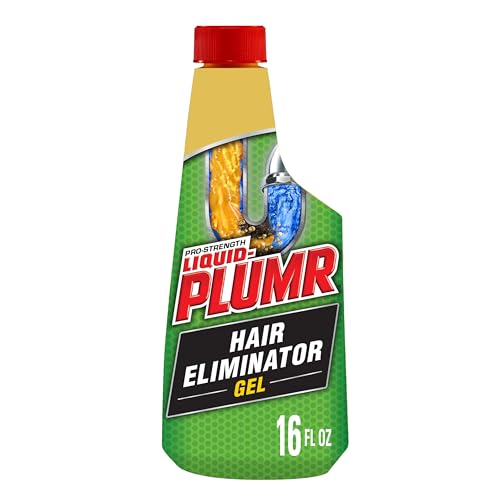

Slime on a bathroom drain is usually biofilm—a slippery mix of bacteria, soap scum, hair, and moisture that builds up along the pipe walls. The fastest fix is to physically remove the gunk, then use a cleaner (enzyme-based or disinfecting) to break down what remains.
If you’ve noticed a slimy coating, slow drainage, or an unpleasant smell, this guide helps you identify the likely cause and walk through a safe cleanup plan step by step.
If the slime keeps coming back, you’re not “missing a trick”—the buildup pattern is the clue. This applies to sinks, showers, and tubs where hair/soap scum collect and the drain stays damp.
Bathrooms are especially prone to slime because drains combine three ingredients biofilm needs: organic material (hair/soap), water, and warmth. If your drain is often damp, or you’re dealing with recurring slow flow, this article is for you.
What “slime” usually is on bathroom drains

Slime on a bathroom drain is most often biofilm—a living, sticky layer that forms inside plumbing rather than a one-time spill. You may see it as a greenish/gray smear at the opening, feel it as slick residue, or smell it when water sits too long.
– Biofilm buildup: bacteria and other microorganisms cling to pipe surfaces and trap soap scum and debris.
– Organic + wet environment: hair, skin oils, soap, shampoo, and condensation create the sticky base slime grows on.
– Often tied to slow flow: if water drains slowly, residue stays longer and builds up faster.
Biofilm is difficult to “rinse away” because the organisms attach tightly to surfaces. As one reference point, researchers have reported that biofilms are involved in a large share of persistent microbial problems (often cited around 60–80% in medical contexts) Costerton, Stewart & Greenberg, *Science*, 1999. In a bathroom drain, the same principle applies: removal has to combine mechanical disruption (getting the layer off) and chemical treatment (breaking down what remains).
Common causes behind slime buildup
Slime returns because the same inputs keep feeding the biofilm. Most “bathroom drain slime” can be traced to a small set of recurring causes—especially hair, soap chemistry, and moisture management.
– Hair and fiber trapping: shower drains and bathroom sinks collect hair that feeds the buildup.
– Soap scum and residue: bar soap and some body washes leave films that microorganisms love.
– Hard-water deposits: mineral buildup can hold onto grime and make biofilm harder to rinse away.
– Poor drainage/partial clogs: even a “mostly clear” drain can trap a thin layer that keeps re-forming slime.
– Humidity and ventilation issues: bathrooms that stay damp make it easier for biofilm and mold-related growth to establish.
Hard water deserves special attention because it increases soap-scum stability. In water-quality terms, hardness is measured as mg/L (or ppm) as CaCO₃; the U.S. Geological Survey notes categories such as 0–60 mg/L (soft), 61–120 (moderately hard), 121–180 (hard), and >180 (very hard) U.S. Geological Survey (USGS), Water Science School (hardness basics). When soap meets hard water minerals, residues can precipitate and cling to surfaces—creating a rough, sticky “landing pad” for biofilm.
Below is a practical way to think about how water hardness can influence drain slime formation, based on how strongly soap scum tends to form as hardness increases.
How Water Hardness Levels Affect Soap-Scum Support (U.S. Home Bathrooms)
| # | Hardness range (mg/L as CaCO₃) | Typical water description | Soap-scum cling risk | Likely drain-sliming impact |
|---|---|---|---|---|
| 1 | 0–60 | Soft | Low | ★1 |
| 2 | 61–120 | Moderately hard | Moderate | ★2 |
| 3 | 121–180 | Hard | Higher | ★3 |
| 4 | 181–240 | Very hard | High | ★4 |
| 5 | 241–300 | Very hard+ | Very high | ★5 |
| 6 | 301–400 | Extremely hard | Severe | ★5 |
| 7 | 401+ | Ultra hard | Extreme | ★5 |
This chart is meant to guide expectations: when hardness rises, soap scum tends to persist longer, so biofilm on a bathroom drain has more time and more “sticky surface” to build.
How to clean slime from a bathroom drain (safe, effective steps)
To remove slime from a bathroom drain, start with physical removal, then use an appropriate cleaner and rinse thoroughly. This sequence matters because cleaners are far more effective once hair and sludge are already off the pipe surfaces.
– Remove what you can by hand: pull out hair, stringy clumps, and visible sludge using gloves and a tool (old spoon, drain grabber, or wire hook).
– Scrub the drain opening: clean around the strainer and any accessible walls so you’re not just treating the symptom.
– Use the right cleaner approach:
– For routine slime/biofilm: an enzyme-based drain cleaner (or similar biological treatment) helps break down organic residue.
– For disinfection after removal: a regular disinfecting cleaner can help reduce microbial growth—follow the label exactly and avoid mixing chemicals.
If you’re wondering why slime “comes back” after chemical-only treatments, it’s usually because biofilm is anchored to debris. In my maintenance experience, the most reliable improvement starts the moment hair is removed— Without that step, you’re often loosening the top layer while the bulk remains underneath.
A key safety point: mold and microbial growth can start quickly when surfaces stay wet. The U.S. EPA notes that mold can begin growing in as little as 24–48 hours after water exposure U.S. Environmental Protection Agency (EPA), Mold guidance (general timeline). While drain biofilm isn’t identical to building mold, the same “moisture persistence” problem drives both.
Enzyme vs disinfecting cleaner: what they’re best at
Instead of trying to use one product for everything, match the cleaner to the job:
Enzyme-based drain cleaner (biofilm/debris focus)
– Pros: targets organic residue and layered grime; tends to be safer for regular maintenance when used as directed.
– Cons: often needs dwell time; won’t magically clear a thick hair plug by itself.
Disinfecting cleaner (microbe reduction focus)
– Pros: can lower microbial load after you’ve removed the bulk residue.
– Cons: if used before hair removal, it may disinfect without removing the thick attachment points; mixing with other chemicals can be dangerous.
Deep-clean options when the slime is stuck
If slime keeps sticking around after the basics, the issue is usually deeper buildup in the drain line—not just at the opening. The solution is to access more plumbing geometry (traps, bends, and deeper sections) or use a mechanical break-up tool.
– Target the trap (P-trap) if accessible: removing and cleaning the trap can remove the heaviest buildup that never fully clears with simple flushing.
– Rinse method matters: after treatment, flush with plenty of water (as directed by the cleaner) to carry loosened material out instead of redistributing it.
– Consider a mechanical “break up” tool: a drain snake or flexible brush can help dislodge buildup farther down when hair or residue is the main issue.
Bathrooms vary a lot by plumbing configuration. As of 2024–2026 building practices, many remodels still use a standard P-trap under sinks, while showers commonly use a different trap assembly. If you have a shower with a removable strainer cover, you can often get to the top of the trap; if you have a sealed tub drain, access is more limited—so the opening cleaning step becomes even more important.
Also consider airflow and moisture control. A bathroom fan that runs long enough after showers reduces the time the drain area stays damp, which slows biofilm growth. In humid seasons—common in 2025 and 2026 climates—this prevention layer becomes noticeably more effective.
What can go wrong (and common cleanup mistakes)
When slime persists—or when cleanup goes sideways—it’s usually due to process mistakes, not “bad luck.” The most common failures involve chemical mixing, skipping debris removal, and misunderstanding what the cleaner can and can’t do.
– Mixing cleaners: don’t combine bleach with other cleaners or with acids/vinegar—this can create dangerous fumes. Stick to one product type at a time.
– Skipping physical removal: chemicals can struggle if the slime is built on thick hair/grease clumps. If you don’t remove the bulk, it often returns quickly.
– Over-aggressive chemicals: repeated harsh treatments can damage certain finishes or pipes over time (and won’t fix the underlying cause).
– Not solving the “why it keeps returning”: if hair isn’t being caught or the drain stays slow, slime will re-form.
– Using boiling water on plastic parts: hot water can deform some components—use water temperatures recommended by your plumbing setup/cleaner instructions.
A practical “process risk” to avoid: dumping multiple products sequentially without rinsing between steps. Even when two cleaners seem compatible on paper, the intermediate residue can still react. If you’re not sure what was previously used, pause and switch to mechanical removal first, then use a single cleaner per the label.
Verdict: what to do first (and when to stop)
Start with debris removal + an appropriate drain cleaner, then follow with a good rinse. If you still see slime after a thorough clean, the next step is usually accessing the P-trap or using a mechanical tool to break up what’s lodged.
Skip DIY chemical cleanup (and consider professional help) if:
– you suspect a major clog or wastewater backup,
– the drain is slow after cleaning and you can’t access the trap,
– you’re unsure what chemicals were previously used,
– you’re dealing with recurring slime in a way that suggests a deeper plumbing issue.
The smartest boundary is simple: if the drain won’t drain well, it’s not just a surface biofilm problem. At that point, continued chemical treatments can become a delay tactic instead of a fix.
Quick checklist: your slime cleanup plan
| Step | What to do | Goal |
|---|---|---|
| 1 | Remove visible hair/sludge with gloves/tools | Stop the “starter” buildup |
| 2 | Clean the strainer/drain opening | Remove grime you can reach |
| 3 | Use an enzyme-based cleaner *or* label-directed disinfecting cleaner | Break down remaining biofilm |
| 4 | Rinse thoroughly (per label) | Flush loosened material out |
| 5 | Prevent recurrence (hair catcher, regular rinsing, ventilation) | Reduce buildup over time |
Frequently Asked Questions
What causes slime buildup on a bathroom drain?
Slime on a bathroom drain is usually a mix of biofilm, hair, soap scum, and skin oils that cling to the inside of pipes. Warm water and slow drainage give bacteria and microorganisms the perfect environment to grow, turning deposits into a slippery, greenish or cloudy layer. Over time, soap residue and bathroom grime build up faster than they can be rinsed away, especially in showers and tubs.
Why does my bathroom drain get slimy even after I clean it?
Even after surface cleaning, slime can return because the biofilm is often inside the pipe walls where a quick rinse can’t fully remove it. Residual soap scum, hair, and organic matter continue to accumulate and feed the bacteria that create the bathroom drain slime. If the drain frequently has standing water or clogs slowly, slime growth tends to accelerate.
How do I clean slime out of a bathroom drain safely and effectively?
Start by removing visible hair and debris using a drain strainer or a drain snake, then pour hot water to loosen residue. For biofilm and slime, use an enzymatic drain cleaner or a bacterial drain treatment designed for bathroom plumbing, letting it work for the recommended time. Finish by flushing with hot water to wash away loosened gunk; avoid mixing chemical cleaners because it can create hazardous fumes.
Which household products work best for slime on bathroom drains?
Enzymatic cleaners are often the best option for slime because they break down organic matter and reduce biofilm without damaging pipes. Baking soda and vinegar can help loosen minor soap scum, but they’re typically less effective against thick, established slime compared with enzyme-based cleaners. If the slime is severe, consider a targeted biofilm remover product (still used as directed) followed by thorough rinsing with hot water.
What’s the best way to prevent slime from forming in bathroom drains?
Prevent slime by reducing the buildup that feeds it: use a drain hair catcher, wipe away soap residue, and run hot water after showers to flush away oils and scum. Try using an enzymatic drain treatment regularly (for example, weekly or monthly depending on buildup) to stop biofilm from taking hold. Also address slow drainage quickly, since standing water and trapped debris are major causes of bathroom drain slime.
📅 Last Updated: November 03, 2026 | Topic: What Causes Slime on a Bathroom Drain? (And How to Clean It) | Content verified for accuracy and freshness.
References
- Biofilm
- Soap scum
- https://www.britannica.com/science/biofilm
- Biofilms – MeSH – NCBI
- Biofilms – Latest research and news | Nature
- https://www.epa.gov/coronavirus/cleaning-and-disinfecting-your-home
- https://www.who.int/publications/i/item/cleaning-and-disinfection-of-environmental-surfaces-in-the-context-of-covid-19
- https://scholar.google.com/scholar?q=slime+in+shower+drain+biofilm Google Scholar
- https://scholar.google.com/scholar?q=bathtub+drain+biofilm+microorganisms Google Scholar
- https://scholar.google.com/scholar?q=soap+scum+biofilm+cleaning+bathroom+drains Google Scholar
