

You can damage your microwave by using harsh chemical cleaners or abrasive tools that scratch surfaces and corrode coatings. Cleaning spills when the microwave is hot risks burns and warped parts, while excessive water can seep into electrical components and cause shorts. Avoid metal items inside to prevent sparks and arcs. Also, neglecting door seal care compromises efficiency and safety. Unplugging before cleaning is essential for electrical safety. Understanding these common mistakes helps you protect your appliance longer and optimize performance.


Using Harsh Chemical Cleaners

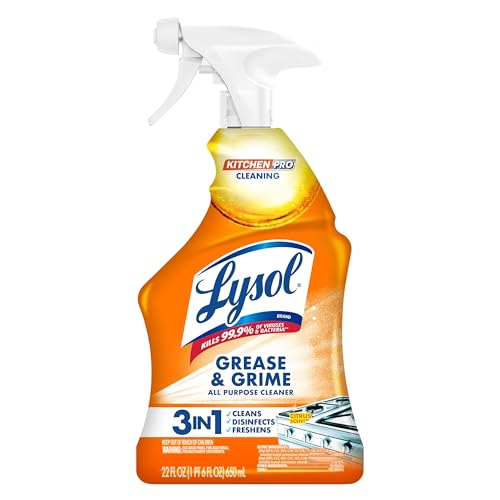
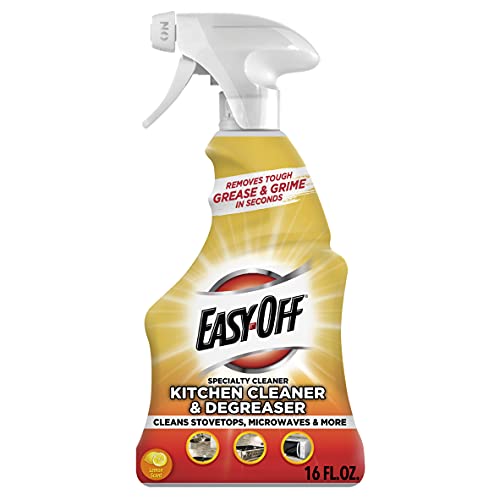
Many people don’t realize that using harsh chemical cleaners in your microwave can damage its interior surfaces and affect its functionality. These cleaners often contain aggressive compounds that leave harmful residue behind, which can degrade the protective coatings inside. Over time, chemical reactions between these residues and microwave emissions may cause corrosion or discoloration. You want to avoid compromising the microwave’s efficiency and safety. Instead, opt for mild, non-abrasive cleaning agents like diluted vinegar or baking soda solutions. These alternatives effectively break down food splatters without triggering unwanted chemical reactions or leaving toxic residues. By choosing safer cleaning methods, you maintain your microwave’s integrity and guarantee it operates reliably, giving you the freedom to heat your meals without worrying about hidden damage or contamination. For a natural deodorizing effect and easier cleanup, consider using lemon juice steam cleaning as a gentle alternative.
Scrubbing With Abrasive Tools
You might think scrubbing your microwave with abrasive tools will remove stubborn stains quickly, but this can damage the interior coating and reduce its lifespan. Instead, opt for non-abrasive sponges or microfiber cloths combined with gentle, microwave-safe cleaners to protect the surface. Using safer alternatives guarantees effective cleaning without compromising your appliance’s functionality. Always use non-abrasive cleaners designed specifically to preserve surfaces and prevent damage.
Risks of Abrasive Scrubbing
Although abrasive scrubbing might seem effective for removing stubborn stains in your microwave, it can actually damage the appliance’s interior surfaces. When you use abrasive materials like steel wool or harsh scouring pads, you risk scratching the microwave’s protective coating. These scratches compromise the surface, making it more prone to corrosion and bacterial buildup. Improper scrubbing techniques, such as applying excessive pressure or scrubbing in circular motions, amplify this damage. Over time, this degradation can reduce the microwave’s efficiency and lifespan. To maintain your appliance, it’s essential to avoid abrasive scrubbing altogether, as the damage is often irreversible. Instead, understanding the risks tied to abrasive materials and scrubbing techniques empowers you to preserve your microwave’s performance and aesthetic appeal while enjoying cleaning freedom.
Safer Cleaning Alternatives
When aiming to clean your microwave without causing damage, selecting the right tools is essential. Instead of abrasive scrubbing, opt for natural cleaners like a vinegar solution or a paste made from baking soda and water. Adding a few drops of essential oils not only freshens but enhances cleaning power. Citrus peels can be steamed inside your microwave to loosen grime safely. Use microfiber cloths for gentle scrubbing to avoid scratching surfaces. Steam cleaning is highly effective; simply heat a bowl of water with lemon or vinegar to create steam that softens residue for easy wiping. These homemade solutions are eco-friendly options that protect your appliance’s finish while offering you freedom from harsh chemicals and abrasive tools, ensuring maintenance without damage.
Ignoring Food Spills and Splashes

If you don’t clean food spills and splashes promptly, they can harden into stubborn residue that’s tough to remove. This buildup often causes unpleasant odors and smoke during microwave use, which can damage internal components. Over time, these issues reduce your microwave’s heating efficiency and overall performance.
Hardened Residue Build-Up
Neglecting even a single food spill inside your microwave can lead to hardened residue build-up that’s difficult to remove later. This residue not only compromises appliance hygiene but can also affect heating efficiency. To prevent this build up, follow these practical steps:
- Clean spills immediately with a damp cloth to avoid residue hardening.
- Use a microwave-safe cover to minimize splatter during heating.
- Employ a vinegar-water steam clean to loosen stubborn residues without harsh scrubbing.
- Regularly inspect and wipe down interior surfaces after each use.
Odor and Smoke Issues
How exactly do food spills and splashes inside your microwave lead to persistent odors and smoke? When you ignore these residues, they dry and carbonize under microwave heat, producing unpleasant odors and even smoke during use. This buildup not only creates an offensive smell but can also affect air quality in your kitchen. To prevent this, you need to clean spills promptly using appropriate odor neutralizers that target food-based odors without damaging microwave surfaces. Additionally, integrating smoke absorbers, such as activated charcoal packs placed nearby, can help manage lingering smoke particles after cooking. Regular, thorough cleaning prevents residue accumulation, keeping your microwave odor-free and smoke-free, allowing you the freedom to use it confidently without compromising your kitchen’s atmosphere. Don’t let neglect turn your microwave into an odor and smoke source.
Reduced Microwave Efficiency
Food residues inside your microwave can greatly impair its efficiency by absorbing and scattering microwave energy meant for heating your food. When you ignore spills and splashes, you compromise both microwave maintenance and energy efficiency. Here’s why you should clean them promptly:
- Residue buildup absorbs microwaves, reducing the energy reaching your food.
- Uneven heating occurs, forcing longer cook times and wasting energy.
- Food particles can cause arcing, damaging internal components and shortening lifespan.
- Persistent grime promotes odors that may interfere with future cooking.
Cleaning the Microwave While It’s Still Hot

Although it may seem efficient to clean your microwave immediately after use, doing so while it’s still hot can cause burns and damage to certain cleaning tools. The interior surfaces retain heat, increasing the risk of heat-related burns when you reach inside. Additionally, residual steam can create steam hazards, especially if you open the door abruptly or use a cloth that traps moisture. This trapped steam can cause sudden bursts of hot vapor, leading to injury. From a practical standpoint, cleaning a hot microwave can also warp or degrade cleaning materials, reducing their effectiveness. To maintain your freedom and safety, wait for the microwave to cool down completely before cleaning. This approach minimizes injury risk and preserves your cleaning tools’ integrity, ensuring a safe and efficient maintenance routine.
Using Excessive Water Inside the Microwave
You shouldn’t use excessive water inside your microwave, as it can seep into electrical components and cause damage. Too much moisture also leads to steam build-up, which affects the appliance’s internal mechanisms and may trigger malfunctions. To protect your microwave, apply water sparingly and avoid pooling liquid during cleaning.
Water Damage Risks
One common mistake when cleaning your microwave is using excessive water, which can lead to serious water damage. Water exposure inside the microwave’s electronic components causes corrosion and short circuits. Moisture accumulation trapped in seams and vents further deteriorates internal parts.
To avoid water damage risks, follow these guidelines:
- Use a damp, not soaked, cloth to wipe surfaces.
- Avoid pouring water directly inside or on vents.
- Dry all cleaned areas thoroughly with a microfiber cloth.
- Allow the microwave to air out with the door open after cleaning.
Limiting moisture exposure preserves the microwave’s circuitry and prevents malfunctions, giving you freedom from costly repairs or replacements. Keep water use controlled and precise for safe, effective maintenance.
Steam Build-Up Issues
How does excessive water inside your microwave cause steam build-up issues? When you use too much water during cleaning or cooking, it creates steam condensation effects inside the cavity. This steam quickly accumulates on surfaces, leading to moisture accumulation problems. Over time, trapped moisture can degrade seals, metal components, and interior panels, reducing your microwave’s efficiency and lifespan. You might notice persistent fogging on the door or dampness around vents—signs of excess steam buildup. To avoid these problems, limit water usage and guarantee you wipe down wet areas promptly. Managing steam condensation effects keeps your microwave dry and functional, giving you the freedom to clean effectively without risking damage from moisture accumulation problems.
Electrical Component Exposure
Although water is essential for cleaning, using excessive amounts inside your microwave risks exposing electrical components to moisture. This compromises electrical safety and can lead to malfunctions or short circuits. To maintain component protection, follow these guidelines:
- Use a damp cloth rather than pouring water directly inside.
- Avoid spraying cleaning solutions that can seep into vents or control panels.
- Confirm the microwave is unplugged before cleaning to prevent electrical hazards.
- Allow the interior to dry completely before plugging it back in.
Neglecting the Microwave Door Seals
When you overlook cleaning the microwave door seals, grime and food particles can accumulate, compromising the appliance’s seal integrity and potentially causing leaks or uneven cooking. Proper door seal maintenance is essential to preserve the microwave’s efficiency and safety. To maintain the seals, regularly inspect them for cracks, warping, or residue buildup. Use gentle seal cleaning techniques, such as wiping with a damp cloth and mild detergent, avoiding abrasive materials that can damage the rubber or silicone gasket. Ensuring a clean, intact seal prevents microwaves from escaping and helps maintain consistent heating. Neglecting this maintenance not only shortens your microwave’s lifespan but also restricts your freedom to rely on it for quick, efficient meals. Prioritize door seal care to keep your appliance functioning effectively. Additionally, just as regular cleaning prevents buildup in appliances like garbage disposals, consistent maintenance of microwave seals helps avoid grime accumulation and prolongs the device’s usability.
Using Metal or Aluminum Foil Inside
One of the most common and hazardous mistakes you can make is placing metal or aluminum foil inside your microwave. Doing so jeopardizes microwave safety by causing sparks or even fires. Here’s what you need to know:
- Metal utensils reflect microwaves, preventing even heating and damaging the appliance’s magnetron.
- Aluminum foil can create electrical arcs, which may ignite or permanently harm your microwave’s interior.
- Small metal trims or containers often overlooked can trigger sparks, so always inspect items before microwaving.
- For cleaning, avoid metal scouring pads; instead, use microwave-safe materials to maintain appliance integrity.
Overlooking the Turntable and Roller Ring
Two critical components you shouldn’t neglect during microwave cleaning are the turntable and roller ring. Proper turntable maintenance guarantees smooth rotation, preventing uneven cooking and motor strain. Start by removing the glass turntable and cleaning it with warm, soapy water. Pay attention to stubborn food residues that can cause imbalance. For roller ring care, detach it carefully and wash away grease and debris that can hinder its movement. Dry both parts thoroughly before reassembling to avoid moisture buildup, which can lead to rust or mold. Neglecting these components risks damaging internal mechanisms and reducing your microwave’s lifespan. Regular, precise care of the turntable and roller ring not only enhances performance but also grants you the freedom to cook efficiently without unexpected breakdowns. Incorporating routine cleaning habits similar to maintenance tips can significantly extend your microwave’s functionality and prevent costly repairs.
Failing to Unplug Before Cleaning
Always unplug your microwave before starting any cleaning process to eliminate the risk of electric shock and prevent accidental activation. Neglecting this essential safety precaution can lead to serious harm and damage. The benefits of unplugging include:
- Ensuring no electrical current runs through the appliance, which protects you from shocks.
- Preventing the microwave from turning on unexpectedly, which could cause injury or damage.
- Avoiding short circuits caused by moisture entering internal components during cleaning.
- Extending the microwave’s lifespan by reducing electrical stress during maintenance.
Prioritize these safety precautions to maintain your freedom to clean confidently and safely. Skipping unplugging sacrifices both your well-being and your appliance’s durability, making it a critical step you shouldn’t overlook. Additionally, using eco-friendly cleaning supplies when cleaning your microwave can prevent exposure to harsh chemicals, ensuring a safer environment for you and your family.
Using Strong Fragranced Cleaners or Aerosols
Although fragranced cleaners and aerosols might seem effective for removing odors and grime, they can leave behind residues that interfere with your microwave’s performance. When you use these products, chemical residue can accumulate on internal components, affecting heat distribution and potentially damaging sensitive parts. If you or others around you have fragrance sensitivity, strong scents can trigger discomfort or allergic reactions, making the microwave less user-friendly. To maintain peak function and guarantee safety, avoid sprays and cleaners with heavy fragrances. Instead, opt for unscented, food-safe cleaning agents and wipe surfaces thoroughly with a damp cloth. This approach prevents buildup of harmful residues and protects your appliance’s longevity, giving you the freedom to clean effectively without compromising your microwave’s essential operation.
Frequently Asked Questions
Can Vinegar Be Used to Deodorize My Microwave Safely?
Think of vinegar as your microwave’s fresh breeze, sweeping away stubborn odors. You can safely use vinegar to deodorize your microwave; its acetic acid neutralizes microwave odors by breaking down odor-causing molecules. Simply mix equal parts vinegar and water in a microwave-safe bowl, heat until steaming, then let it sit to loosen grime and absorb smells. This practical method leverages vinegar benefits without harsh chemicals, giving you freedom from lingering microwave odors efficiently.
How Often Should I Deep Clean My Microwave?
You should aim for a deep cleaning frequency of about once a month to maintain your microwave’s efficiency and hygiene. Regular deep cleaning removes food debris and grease buildup, which can affect performance and cause odors. For ideal microwave maintenance tips, use a mixture of water and vinegar or lemon juice, steam the interior, and wipe thoroughly. This practical routine keeps your microwave fresh, prolongs its lifespan, and lets you enjoy the freedom of quick, safe heating every day.
Is It Safe to Microwave Lemon to Clean Odors?
Lemon’s lively lift leaves lingering odors lost—yes, you can safely microwave lemon to clean odors. The lemon benefits include natural deodorizing and loosening grime through citric acid steam, which makes wiping easier. For microwave safety, slice a lemon, add water, and heat for 3-5 minutes, letting steam work its wonders without harming your appliance. Just avoid overheating to prevent damage, ensuring a fresh, functional microwave and freedom from harsh chemicals.
What Is the Best Way to Remove Burnt Food Smells?
To remove burnt food smells effectively, you’ll want to use baking soda and activated charcoal. Sprinkle baking soda inside the microwave and leave it overnight; it absorbs odors by neutralizing acidic and basic molecules. Activated charcoal works similarly—place a small bowl of it inside for 24 hours to trap and eliminate stubborn smells. These methods provide a chemical-free, hands-off approach, giving you freedom from harsh cleaners while restoring a fresh microwave environment.
Can Microwave-Safe Covers Help Reduce Mess Inside?
Oh sure, if you enjoy scrubbing mysterious food splatter from every nook, skip microwave covers. But if you value freedom from mess, these microwave covers are your best friend—they trap steam and contain splatters effectively. Made from microwave-safe materials, they prevent food from escaping your dish, cutting down cleanup drastically. Using them means less scrubbing, more freedom, and a microwave that stays fresh longer. It’s practical, technical, and liberating!

[…] around the base helps capture meltwater and prevents it from spreading into seams and corners. Non-abrasive tools (plastic scrapers and soft cloths) help avoid scratching freezer liner coatings that can trap […]
[…] texture. Because hammered copper traps grime in its peaks and valleys, the key is using non-abrasive tools, short dwell times, and prompt drying after every […]
[…] the go-to for heavy tarnish because it’s acidic enough to break down oxidation without needing abrasive tools, making it effective for many brass items. Lemon juice can work similarly but may be slower […]
[…] – Use gentle methods: Preserve coatings by using rim-safe cleaners and non-abrasive tools. […]
[…] confirm it’s unloaded, then clean using manufacturer-approved methods and suppressor-safe non-abrasive tools. In practice, I’ve found that the biggest difference between “it looks clean” and “it’s […]
[…] protect amethyst from dulling or damage, avoid harsh chemicals, abrasive tools, and aggressive cleaning methods—especially if your stone has fractures or an unstable mount. […]