How to Clean Bridge Teeth: Effective Methods and Tips
Cleaning bridge teeth is essential for maintaining oral hygiene and preventing gum disease. Regular cleaning helps remove food particles and plaque buildup around the bridge, ensuring that both the prosthetic and the natural teeth stay healthy. In this article, you’ll learn effective methods to clean your bridge teeth properly.
Understanding Dental Bridges
Definition
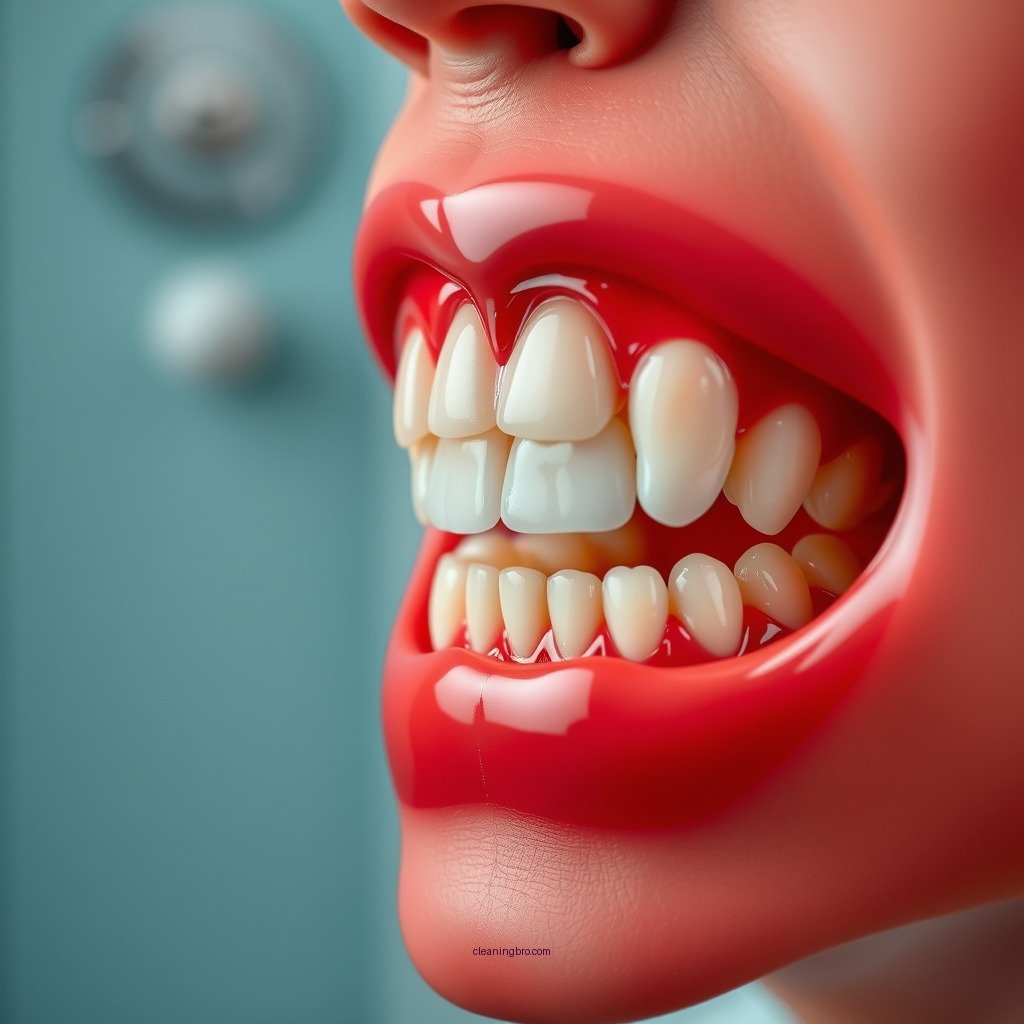
A dental bridge is a prosthetic device used to replace one or more missing teeth. It consists of two or more crowns placed on the adjacent natural teeth (abutment teeth) with a false tooth (pontic) in between. Bridges are typically made from materials like porcelain, metal, or a combination of both, providing a functional and aesthetic solution for tooth loss.
Importance of Hygiene
Maintaining proper hygiene around dental bridges is crucial. Without regular cleaning, bacteria and plaque can accumulate around the bridge, leading to decay in the adjacent natural teeth and the potential for gum disease. Regular cleaning not only preserves the integrity of the bridge but also helps prevent bad breath and ensures overall oral health.
Essential Tools for Cleaning Bridge Teeth
Soft-bristled Toothbrush
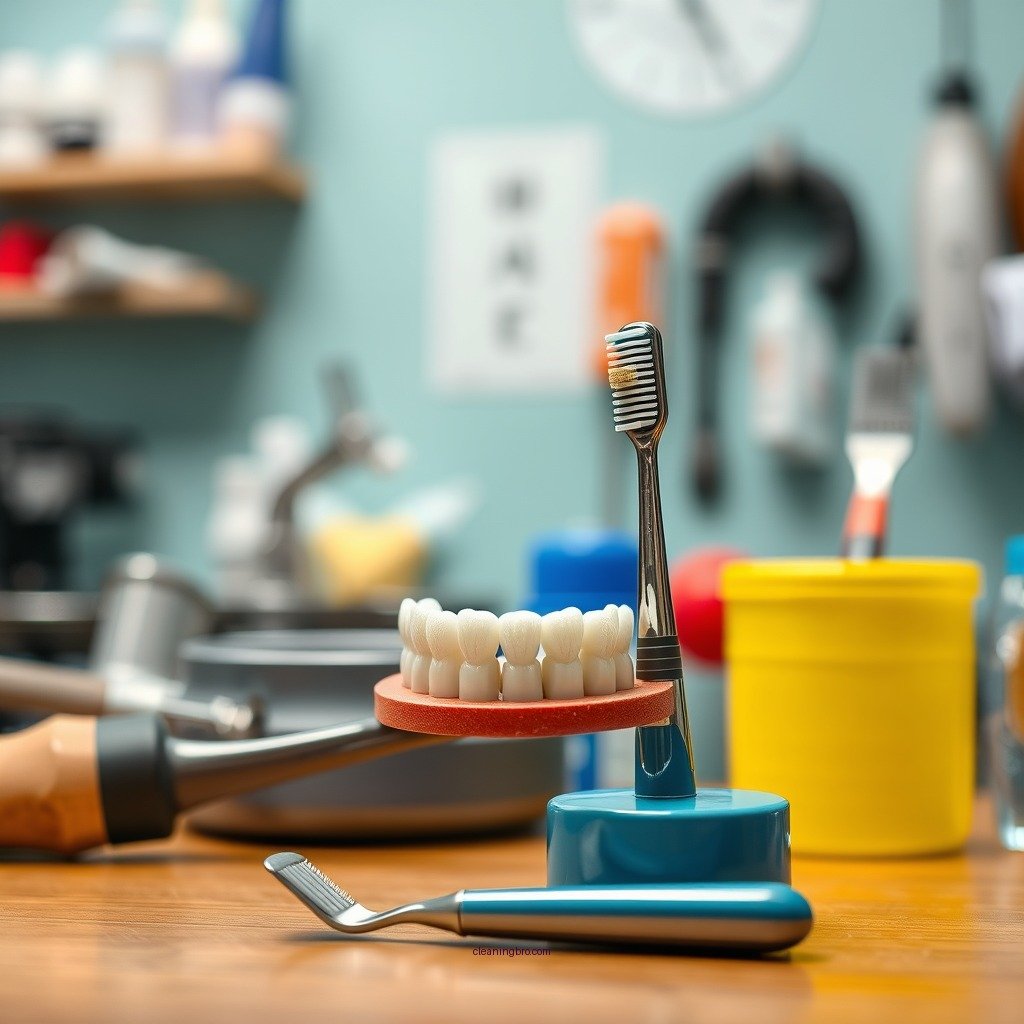
Using a soft-bristled toothbrush is vital for cleaning bridge teeth. Hard bristles can damage the bridge and irritate the gums. Opt for a toothbrush designed for sensitive teeth, as it will effectively remove plaque without causing harm.
Interdental Brushes or Floss
Interdental brushes or special floss designed for bridge cleaning are essential tools. These tools can reach areas that a regular toothbrush cannot, particularly the spaces between the bridge and the natural teeth. Interdental brushes come in various sizes, allowing you to choose the one that best fits your needs.
Step-by-Step Cleaning Process
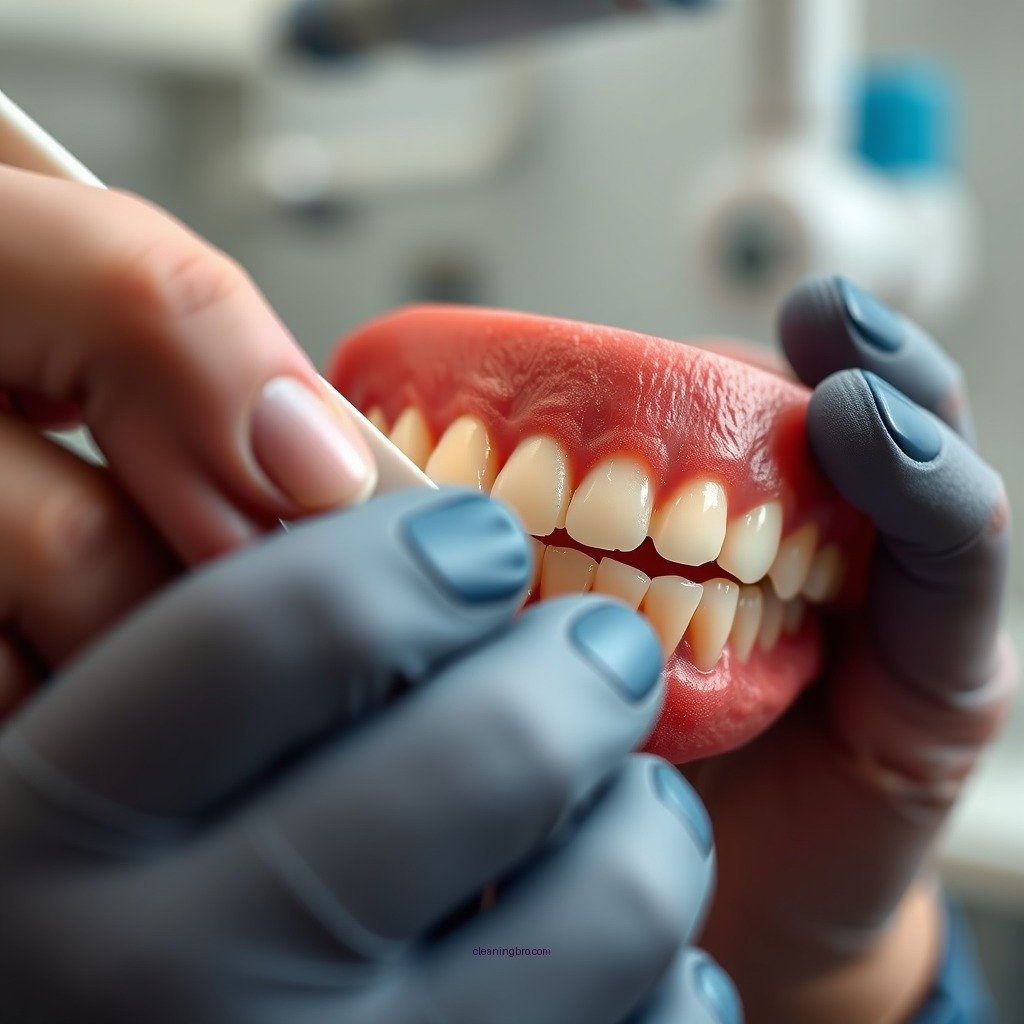
Brush Twice a Day
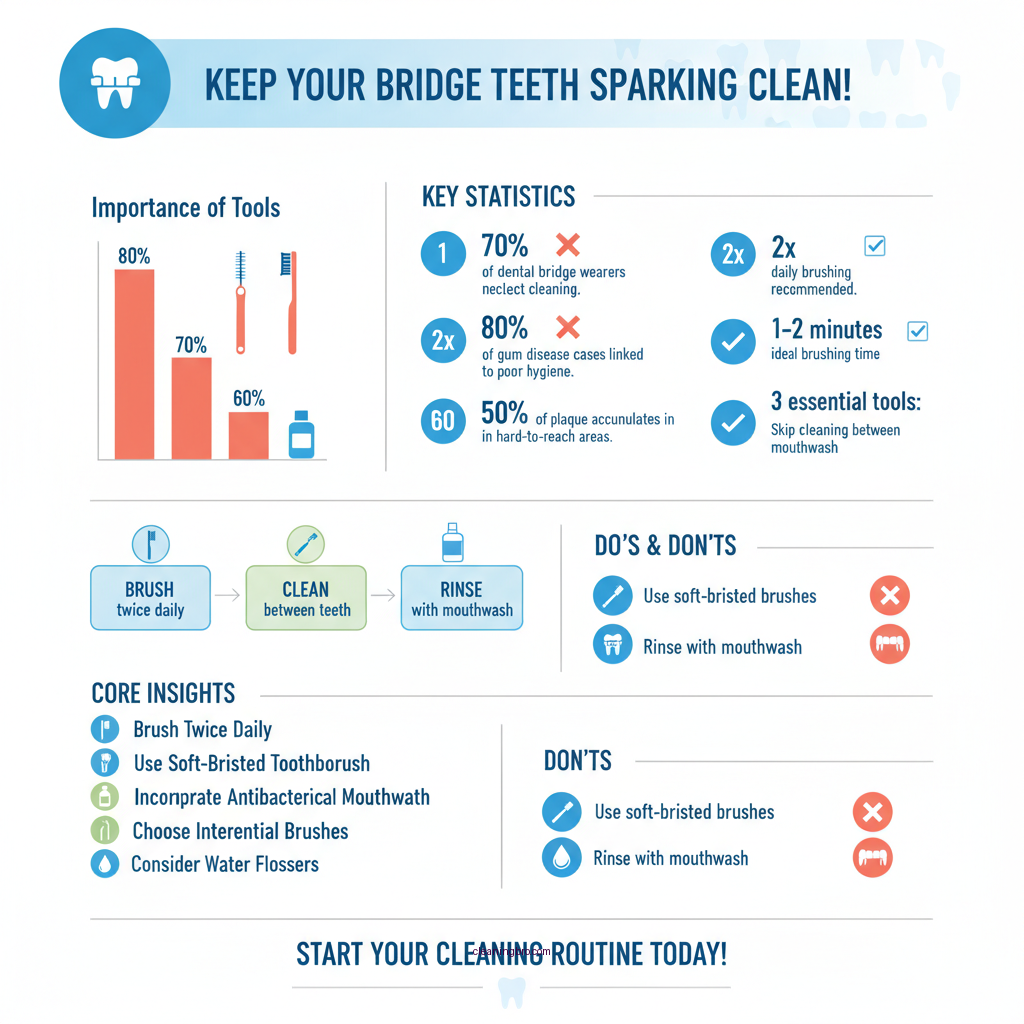
To maintain optimal oral hygiene, brush your bridge teeth at least twice a day. Make sure to clean all surfaces of the bridge and adjacent teeth thoroughly. This practice helps eliminate food particles and plaque buildup, reducing the risk of cavities and gum disease.
Use a Gentle Circular Motion
Employing a gentle circular motion while brushing is key to effectively removing plaque. This technique helps prevent harm to the gums and ensures that you cover all areas of the bridge. Spend at least two minutes brushing each time, focusing on both the front and back surfaces of the bridge.
Additional Cleaning Techniques
Rinse with an Antibacterial Mouthwash
Incorporating an antibacterial mouthwash into your daily routine can significantly enhance your oral hygiene. Rinsing after brushing helps to reduce bacteria and freshen breath. Look for mouthwashes specifically designed for individuals with dental work, as they often contain ingredients that are gentle yet effective.
Consider Water Flossers
Water flossers are an excellent addition to your oral hygiene routine, especially for those with dental bridges. These devices use a stream of pulsating water to remove food particles and plaque from between teeth and around the bridge. They can be more comfortable and effective than traditional floss, making them a great option for many users.
Common Mistakes to Avoid
Skipping Cleaning Around the Bridge
One of the most common mistakes is neglecting the cleaning of the areas around the bridge. Skipping this step can lead to serious dental issues, such as gum disease and decay in adjacent teeth. Make it a priority to clean these areas every time you brush.
Using Hard-bristled Brushes
Using hard-bristled toothbrushes can cause damage to the bridge and irritate the gum tissue. Always opt for a soft-bristled brush to ensure a safe and effective cleaning experience.
Professional Care and Maintenance
Regular Dental Check-ups
Scheduling regular dental check-ups is vital for maintaining the health of your bridge and overall oral health. Your dentist can monitor the condition of your bridge, check for any signs of decay in the adjacent teeth, and provide professional cleaning as needed.
Professional Cleaning
Professional dental cleanings are more thorough than at-home care. During these visits, dental hygienists can remove tartar buildup that regular brushing cannot eliminate. They can also provide personalized advice on the best cleaning practices for your specific type of bridge.
Top 7 Dental Bridge Maintenance Tools (2024)
| # | Tool | Effectiveness | Price | User Rating |
|---|---|---|---|---|
| 1 | Soft-bristled Toothbrush | Excellent | $3-10 | ★★★★☆ |
| 2 | Interdental Brushes | Very Good | $5-15 | ★★★★☆ |
| 3 | Dental Floss | Good | $2-5 | ★★★★☆ |
| 4 | Water Flosser | Excellent | $30-100 | ★★★★★ |
| 5 | Antibacterial Mouthwash | Very Good | $5-15 | ★★★★☆ |
| 6 | Toothpaste for Sensitive Teeth | Good | $3-10 | ★★★★☆ |
| 7 | Dental Picks | Good | $2-5 | ★★★★☆ |
Daily Cleaning Frequency of Bridge Teeth
Water Flosser vs. Interdental Brush vs. Regular Floss: Full Comparison
| Feature | ⭐ Water Flosser | Interdental Brush | Regular Floss |
|---|---|---|---|
| Ease of Use | Very Easy | Moderate | Difficult |
| Effectiveness | High | Good | Moderate |
| Cost | $30-100 | $5-15 | $2-5 |
| Portability | Moderate | High | Very High |
| Water Requirement | Yes | No | No |
| Cleaning Efficiency | Excellent | Good | Fair |
| Time Consumption | 2-3 minutes | 1-2 minutes | 2-3 minutes |
| Durability | Long-lasting | Good | Moderate |
| Best for | Users with braces and dental work | General users | Traditionalists |
| 🏆 Best For | Ease of use and effectiveness | Daily cleaning | Cost-effective solution |
In summary, cleaning bridge teeth is vital for maintaining your oral health. By incorporating daily brushing, utilizing appropriate tools, and avoiding common mistakes, you can ensure your bridge remains in excellent condition. Additionally, regular professional care is essential for long-term success. Start practicing these cleaning methods today for a healthier smile!
Frequently Asked Questions
What is the best way to clean bridge teeth at home?
The best way to clean bridge teeth at home is by using a soft-bristled toothbrush and non-abrasive toothpaste. Additionally, dental floss or interdental brushes designed for bridges can effectively remove plaque and food particles from beneath the dental bridge, ensuring thorough cleaning and maintenance of oral hygiene.
How often should I clean my dental bridge?
You should clean your dental bridge at least twice a day, just like your natural teeth. Regular brushing and flossing help prevent plaque buildup and gum disease, ensuring that your bridge remains in good condition and maintains proper oral health.
Why is it important to clean under a dental bridge?
Cleaning under a dental bridge is essential because food particles and plaque can accumulate in the areas that are difficult to reach. This buildup can lead to gum disease, decay of the supporting teeth, and unpleasant odors, ultimately compromising the longevity of your dental bridge.
Which tools are best for cleaning bridge teeth effectively?
The best tools for cleaning bridge teeth effectively include a soft-bristled toothbrush, dental floss, and interdental brushes. These tools can help you reach the nooks and crannies of the bridge, ensuring a thorough clean while being gentle on your gums.
What should I avoid when cleaning my dental bridge?
When cleaning your dental bridge, avoid using hard-bristled toothbrushes or abrasive toothpaste, as they can damage the bridge and irritate your gums. Additionally, refrain from using regular floss without a floss threader, as it may not effectively clean around the bridge without risk of damage.
References
- https://www.mayoclinic.org/diseases-conditions/periodontal-disease/symptoms-causes/syc-20363596
https://www.mayoclinic.org/diseases-conditions/periodontal-disease/symptoms-causes/syc-20363596 - https://www.ncbi.nlm.nih.gov/pmc/articles/PMC4962083/
https://www.ncbi.nlm.nih.gov/pmc/articles/PMC4962083/ - https://www.ncbi.nlm.nih.gov/pmc/articles/PMC4977774/
https://www.ncbi.nlm.nih.gov/pmc/articles/PMC4977774/ - Oral health
https://www.who.int/news-room/fact-sheets/detail/oral-health - https://www.cdc.gov/oralhealth/conditions/periodontal-disease.html
https://www.cdc.gov/oralhealth/conditions/periodontal-disease.html - Dentistry | Definition, History, & Fields | Britannica
https://www.britannica.com/science/dentistry - Google Scholar Google Scholar
https://scholar.google.com/scholar?q=cleaning+bridge+teeth - Google Scholar Google Scholar
https://scholar.google.com/scholar?q=oral+health+bridges+cleaning - Google Scholar Google Scholar
https://scholar.google.com/scholar?q=periodontal+disease+bridges+care - Google Scholar Google Scholar
https://scholar.google.com/scholar?q=how+to+clean+bridge+teeth