How to Clean an Airless Paint Sprayer: A Step-by-Step Guide
Cleaning an airless paint sprayer is crucial for maintaining its performance and extending its lifespan. Proper cleaning not only ensures the sprayer operates efficiently during your next project but also prevents costly repairs associated with clogs and damage. In this guide, you’ll discover best practices for cleaning your airless paint sprayer, including how to flush out paint, clean the filter and nozzle, inspect components, and store your equipment correctly.
Understanding the Need for Cleaning
Preparing for the Cleaning Process
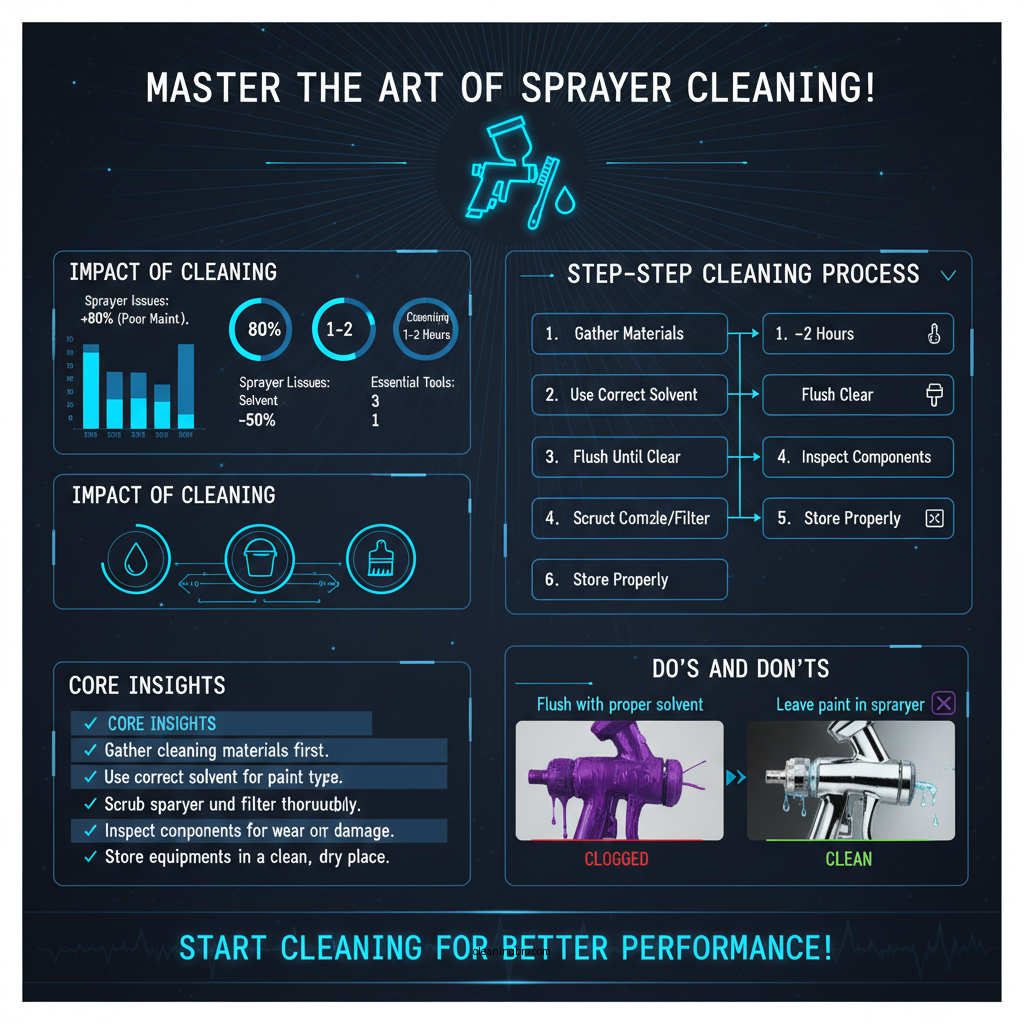
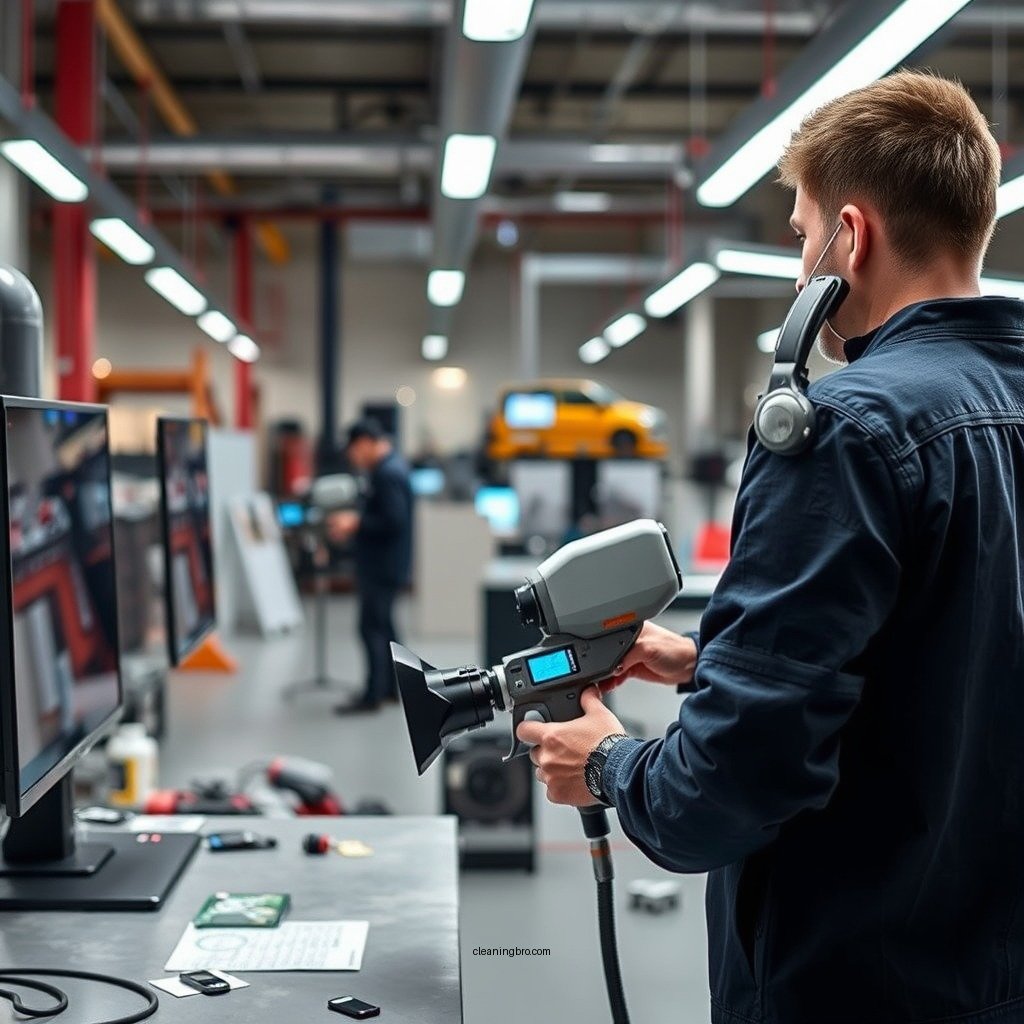
Before starting the cleaning process, it’s important to gather all necessary materials. You will need clean water or an appropriate solvent based on the type of paint previously used, a bucket for collecting waste, and a cleaning brush to scrub the nozzle and filter. Additionally, ensure your workspace is well-ventilated and free of paint overspray to avoid contamination. Setting up a clean and organized workspace will facilitate a smoother cleaning process and help you avoid potential accidents.
Flushing Out the Paint
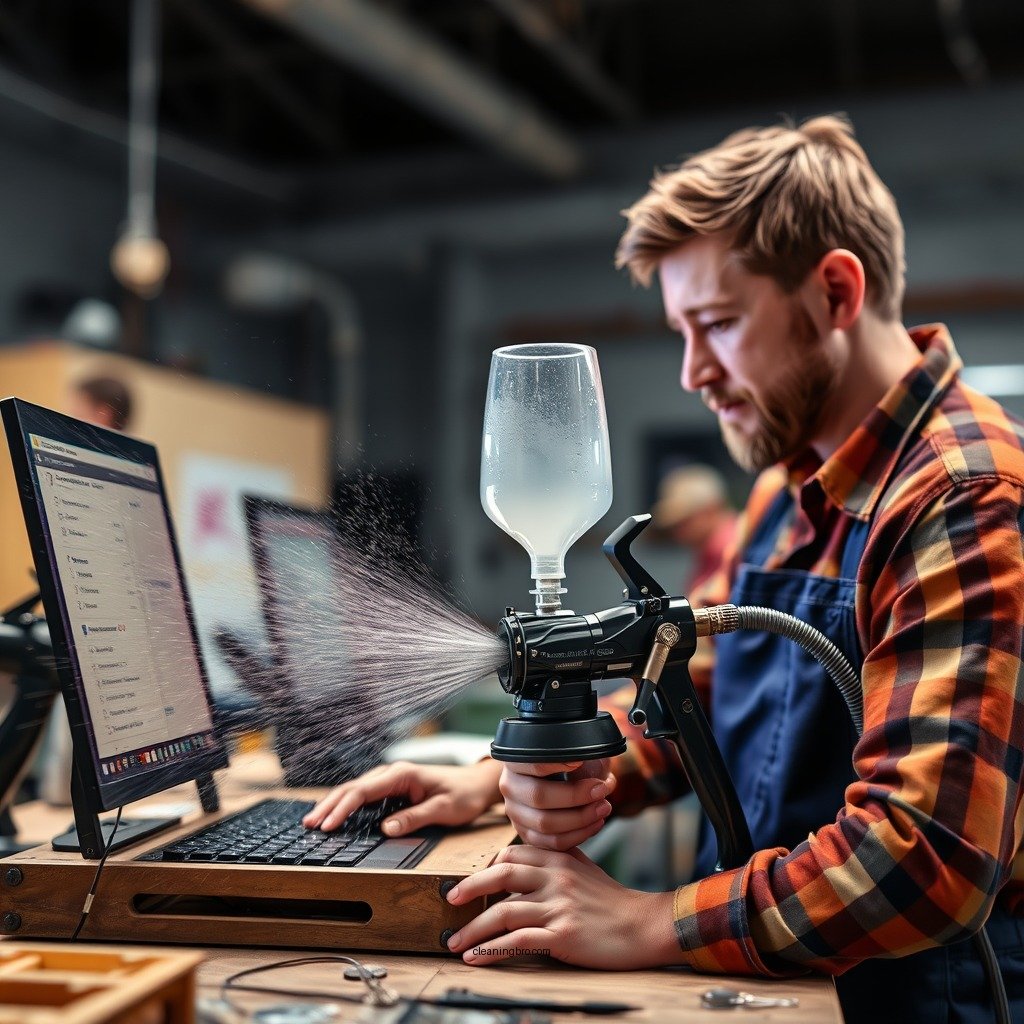
To begin cleaning your airless paint sprayer, pour clean water or the suitable solvent into the sprayer’s reservoir. Make sure to refer to the manufacturer’s guidelines for the correct cleaning agent, as using the wrong type can damage internal components. Once the cleaning solution is in place, operate the sprayer at a low pressure to start flushing out the remaining paint. Continue running the sprayer until the solution appears clear, ensuring that all residual paint is expelled from the system. This step is crucial to prevent any old paint from mixing with new paint during your next project.
Top 7 Airless Paint Sprayer Brands (2024)
| # | Brand | Model | Power (HP) | Weight (lbs) |
|---|---|---|---|---|
| 1 | Graco | Ultra Max II | 0.75 | 25.5 |
| 2 | Wagner | Flexio 890 | 0.5 | 10.5 |
| 3 | Titan | Impact 440 | 0.5 | 28.5 |
| 4 | Fuji | Semi-PRO 2 | 2.0 | 22.0 |
| 5 | HomeRight | Finish Max | 0.5 | 8.5 |
| 6 | Graco | ProX19 | 0.20 | 24.0 |
| 7 | Titan | ControlMax 1500 | 0.5 | 28.0 |
Cleaning the Filter and Nozzle
Once the paint has been flushed from the sprayer, the next step is to clean the filter and nozzle. Begin by removing the spray gun from the sprayer. The filter, which is typically located within the spray gun, can be cleaned by using a brush designed for this purpose. Gently scrub the filter to dislodge any clogs or debris that may have accumulated. After cleaning, rinse the filter with clean water or solvent to remove any remaining particles.
For the nozzle, soak it in a cleaning solvent for several minutes. This will help to break down any paint buildup. After soaking, use a soft brush to clean the spray tip thoroughly, ensuring that all residue is removed. Pay particular attention to any small holes, as these are critical for achieving an even spray pattern. If the nozzle is excessively clogged, consider replacing it to maintain optimal performance.
Top Airless Paint Sprayers: Feature Comparison
| Feature | ⭐ Graco Ultra Max II | Wagner Flexio 890 | Titan ControlMax 1500 |
|---|---|---|---|
| Max Pressure (PSI) | 3000 | 80 | 1500 |
| Best for | Professional use | DIY projects | Homeowners |
| Weight (lbs) | 25.5 | 10.5 | 28.0 |
| Hose Length (ft) | 50 | 11 | 50 |
| Spray Tip Size | .015 | .015 | .015 |
| Max Viscosity | Up to 250 | Up to 140 | Up to 150 |
| Noise Level (dB) | 75 | 60 | 70 |
| Price | $499 | $179 | $299 |
| Warranty (years) | 1 | 1 | 2 |
| 🏆 Best For | Professional painters | Casual users | Homeowners |
Inspecting and Maintaining Components
After cleaning the filter and nozzle, it’s important to inspect other components of the sprayer for wear or damage. Check all hoses, connections, and seals for signs of deterioration. Cracks or leaks in hoses can lead to reduced pressure and uneven paint application. If any components appear damaged, consider replacing them before your next use.
Additionally, lubricate moving parts as necessary to ensure smooth operation. Following the manufacturer’s guidelines on lubrication will help maintain your sprayer’s performance and prevent premature wear. Regular inspections and maintenance can save you time and money in the long run by preventing major breakdowns.
Proper Storage Techniques
How you store your airless paint sprayer can greatly impact its longevity. Once you have finished cleaning, make sure to store the sprayer in a dry, dust-free environment to prevent moisture and contaminants from causing damage. Ideally, keep the sprayer in its original box or a dedicated storage container to shield it from dust and dirt.
To provide extra protection, consider using a sprayer cover or bag. This practice can help keep the unit clean and ready for use at a moment’s notice. Proper storage not only preserves your equipment but also ensures that it is in optimal condition for your next painting project.
Common Mistakes to Avoid
Many users make common mistakes that can lead to equipment failure or poor performance. One of the most significant errors is skipping the cleaning process after each use. Neglecting to clean the sprayer can result in paint buildup, leading to costly repairs and diminished functionality.
Additionally, using incorrect solvents or cleaning agents can damage internal components. Always refer to the manufacturer’s guidelines to ensure that you are using the right products for your sprayer. By avoiding these mistakes and adhering to a regular cleaning routine, you can extend the life of your paint sprayer and ensure it performs effectively.
Maintaining your airless paint sprayer through regular cleaning is vital for optimal performance and longevity. By following these steps, you can ensure your sprayer remains in top condition for future projects. Don’t wait until your next use—take the time now to clean and store your sprayer properly!
Frequently Asked Questions
How do I properly clean my airless paint sprayer after use?
To properly clean your airless paint sprayer, first, ensure the machine is turned off and unplugged. Remove the paint container, and flush out any remaining paint with a suitable solvent or water, depending on the type of paint used. Run the solvent through the sprayer until it runs clear, and then disassemble the spray gun and clean all parts with a brush and solvent to prevent clogs.
What are the best cleaning solutions for an airless paint sprayer?
The best cleaning solutions for airless paint sprayers vary by paint type; use water for latex paints and mineral spirits or paint thinner for oil-based paints. Always refer to the manufacturer’s guidelines for recommended solvents to ensure effective cleaning without damaging the sprayer components. This will help maintain the longevity and performance of your sprayer.
Why is it important to clean an airless paint sprayer immediately after use?
Cleaning an airless paint sprayer immediately after use is crucial because dried paint can clog the nozzle and internal components, leading to poor performance and costly repairs. Regular cleaning also helps to maintain the pump’s efficiency and ensures that your equipment is ready for the next job without any issues.
Which tools do I need to clean my airless paint sprayer effectively?
To clean your airless paint sprayer effectively, you will need a few essential tools: a bucket for cleaning solutions, a brush for scrubbing, and a wrench for disassembling parts. Additionally, having a dedicated cleaning kit that includes nozzle cleaning needles and a soft cloth can enhance the cleaning process, ensuring that all components are free of any paint residue.
How often should I clean my airless paint sprayer during a project?
You should clean your airless paint sprayer at the end of each day or after switching between different paint colors during a project. Frequent cleaning helps avoid cross-contamination between paints and ensures that the sprayer operates smoothly, ultimately saving time and preventing potential clogging issues that may arise from dried paint.
References
- https://www.paintsprayerguide.com/how-to-clean-an-airless-paint-sprayer/
https://www.paintsprayerguide.com/how-to-clean-an-airless-paint-sprayer/ - https://www.verywellhome.com/how-to-clean-an-airless-paint-sprayer-5115422
https://www.verywellhome.com/how-to-clean-an-airless-paint-sprayer-5115422 - Google Scholar Google Scholar
https://scholar.google.com/scholar?q=how+to+clean+airless+paint+sprayer - Google Scholar Google Scholar
https://scholar.google.com/scholar?q=maintenance+of+airless+paint+sprayers - Google Scholar Google Scholar
https://scholar.google.com/scholar?q=cleaning+techniques+for+airless+paint+sprayers - https://www.purdue.edu/hla/sites/urbanag/files/2020-05/cleaning-your-airless-paint-sprayer.pdf
https://www.purdue.edu/hla/sites/urbanag/files/2020-05/cleaning-your-airless-paint-sprayer.pdf - https://www.extension.purdue.edu/extmedia/que/que168.pdf
https://www.extension.purdue.edu/extmedia/que/que168.pdf - how to clean airless paint sprayer – Search results
https://en.wikipedia.org/wiki/Special:Search?search=how+to+clean+airless+paint+sprayer - https://www.ncbi.nlm.nih.gov/search/research-articles/?term=how+to+clean+airless+paint+sprayer
https://www.ncbi.nlm.nih.gov/search/research-articles/?term=how+to+clean+airless+paint+sprayer