How to Clean Mold from a Leather Coat: Step-by-Step Guide
Understanding the Causes of Mold on Leather
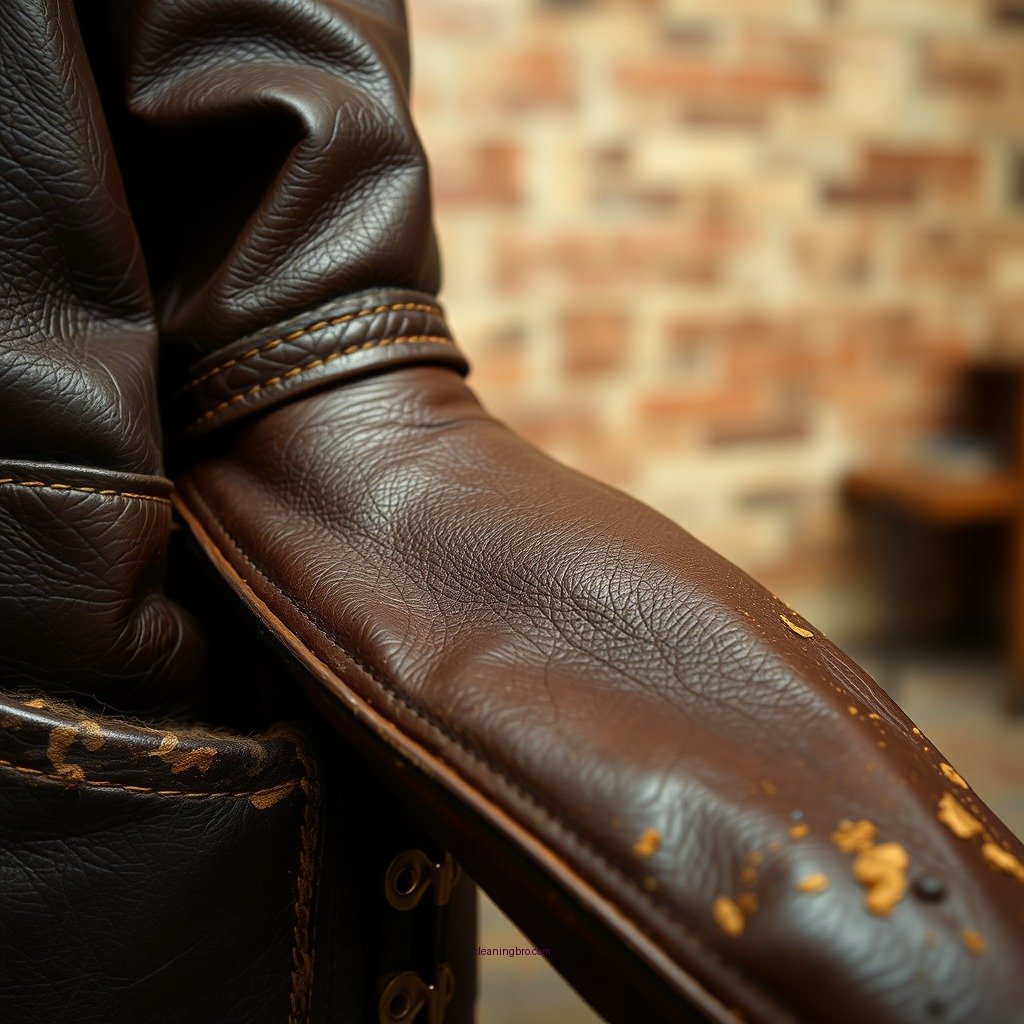
Mold thrives in warm, humid environments, making leather an appealing target for growth if not properly maintained. Leather is a natural material that can absorb moisture from the air, which creates the ideal conditions for mold spores to settle and proliferate. Understanding these factors is essential for mold prevention and treatment.
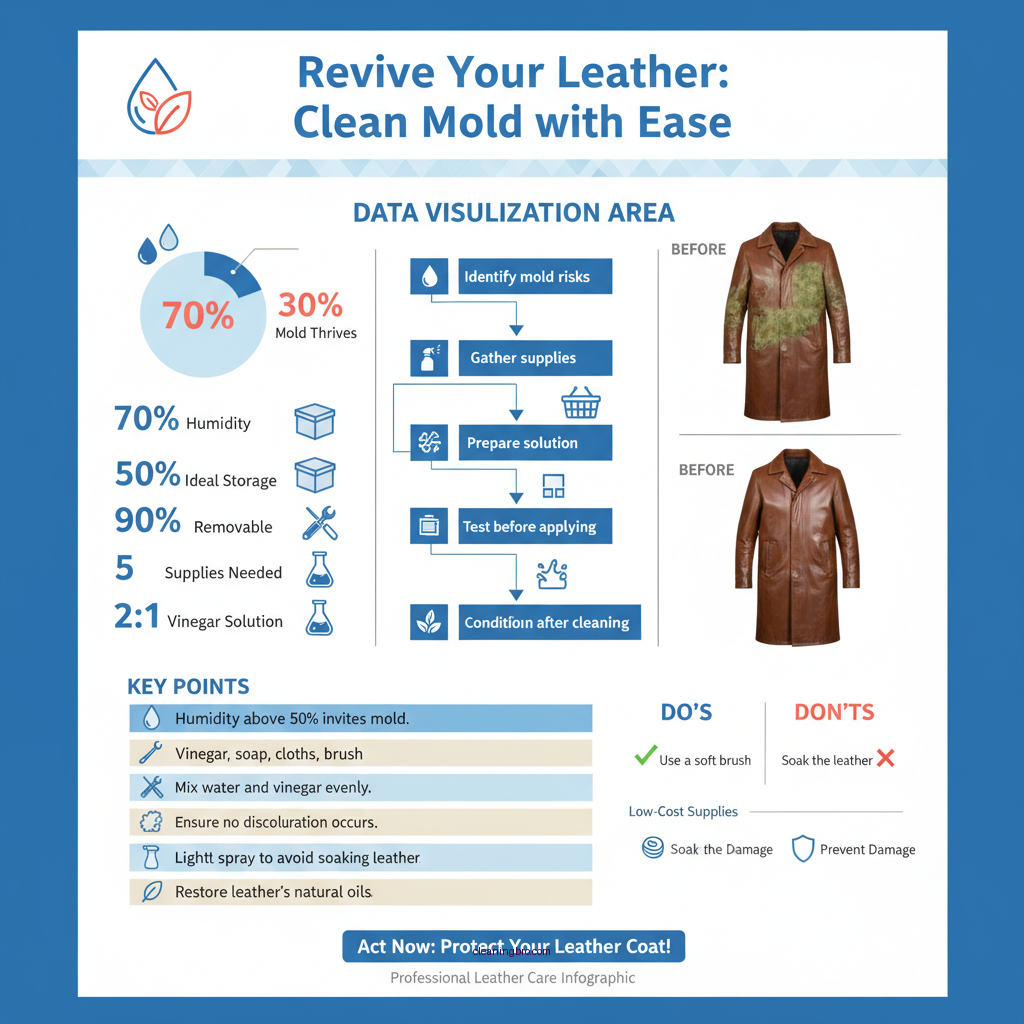
To safeguard your leather coat, monitor the humidity levels in your storage area. Ideally, leather should be kept in a cool, dry space with a relative humidity level below 50%. If your coat has been exposed to damp conditions, it is crucial to inspect it regularly for signs of mold. Early detection can save you from more extensive damage and complicated cleaning processes.
Essential Supplies for Cleaning Mold
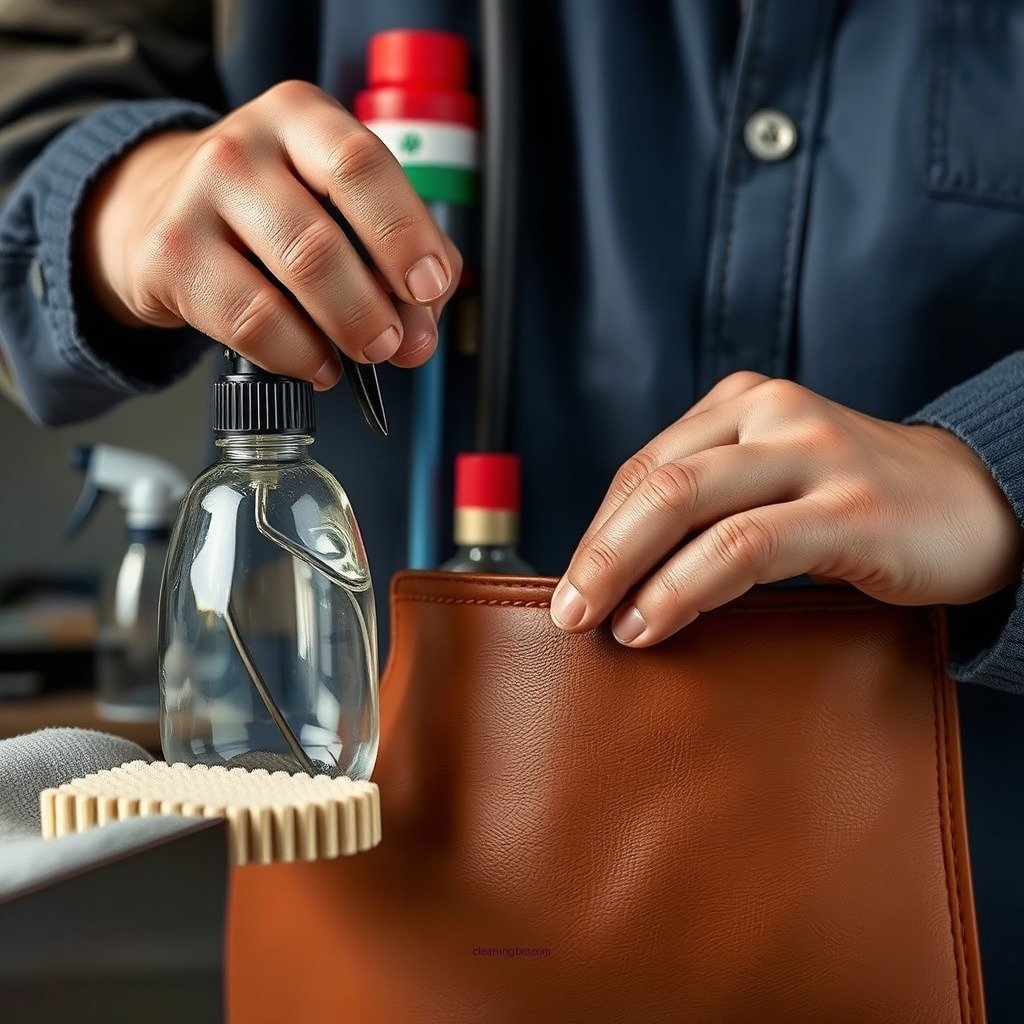
To successfully clean mold from a leather coat, you’ll need specific supplies that will effectively combat the mold while ensuring the integrity of the leather is preserved. Here’s a list of the essentials:
– White Vinegar: A natural antifungal agent that can kill mold spores.
– Mild Soap: A gentle cleaner that won’t damage the leather surface.
– Soft Cloths: For applying the cleaning solution and wiping down the coat.
– Soft Brush: Ideal for gently scrubbing away mold without scratching the leather.
– Leather Conditioner: To nourish the leather after cleaning and restore its natural oils.
These items are readily available and can often be found in most households or easily purchased from local stores. Having these supplies on hand will prepare you for the cleaning process.
Step-by-Step Cleaning Process
Now that you have your supplies ready, it’s time to tackle the mold. Follow these step-by-step instructions carefully to ensure effective cleaning:
1. Prepare the Cleaning Solution: Mix equal parts of water and white vinegar in a spray bottle. This solution will help kill mold spores and clean the leather surface.
2. Test on a Small Area: Before applying the solution extensively, test it on a small, inconspicuous area of the coat. This step is crucial to ensure that the vinegar doesn’t discolor or damage the leather.
3. Lightly Spray Affected Areas: If the test is successful, lightly spray the affected areas of the coat. Avoid soaking the leather, as excess moisture can exacerbate mold growth.
4. Gently Scrub: Using a soft cloth or brush, gently scrub the sprayed areas in circular motions. Be cautious not to apply too much pressure, as this can scratch the leather.
5. Wipe Down: After scrubbing, use a clean, damp cloth to wipe down the area and remove any residual cleaning solution and mold.
6. Dry: Allow the coat to air dry in a well-ventilated area, away from direct sunlight or heat sources, which can damage the leather.
By following these steps, you can effectively remove mold from your leather coat while minimizing the risk of damage.
Drying and Conditioning the Leather
After the cleaning process, proper drying and conditioning are essential to maintain the quality of your leather coat.
1. Air Dry: Place the leather coat in a cool, dry area with good airflow. Avoid using a hairdryer or placing it in direct sunlight, as heat can cause the leather to crack and lose its natural luster.
2. Condition the Leather: Once the coat is completely dry, apply a leather conditioner. This step is vital as it replenishes moisture, prevents drying, and keeps the leather supple. Use a soft cloth to apply the conditioner evenly, following the manufacturer’s instructions for best results.
Regular conditioning after cleaning can help maintain your leather coat’s appearance and prolong its lifespan.
Preventing Future Mold Growth
Taking proactive measures to prevent mold growth on your leather coat is essential. Here are some effective strategies:
– Proper Storage: Store your leather coat in a cool, dry environment. Consider using breathable garment bags, which allow air circulation while protecting against dust and moisture.
– Control Humidity: Use a dehumidifier if you live in a particularly humid climate. Keeping humidity levels low can significantly reduce the chances of mold growth.
– Regular Inspections: Periodically check your leather coat for any signs of mold or mildew, especially after being stored for an extended period.
– Maintain Cleanliness: Regularly clean your leather coat according to manufacturer guidelines to remove potential mold spores and dirt.
By adopting these preventive measures, you can keep your leather coat mold-free and in excellent condition for years to come.
Signs You Need Professional Help
While many mold issues can be addressed at home, there are instances when it’s best to seek professional assistance. Here are some signs that indicate you may need expert help:
– Extensive Mold Growth: If the mold covers a large area or has penetrated deep into the leather, it may be challenging to remove it completely without damaging the coat.
– Persistent Odor: A musty smell that persists after cleaning attempts suggests deeper mold issues that require professional intervention.
– Deterioration of Leather: If the leather appears damaged, cracked, or discolored, a professional cleaner who specializes in leather care can provide the necessary expertise.
– Risk of Damage: If you’re unsure about the cleaning process or the potential to damage your coat, it’s better to consult a professional.
In these cases, reaching out to a reputable leather cleaning service can help restore your coat while minimizing the risk of further damage.
Top 7 Cleaning Agents for Leather Mold Removal
| # | Cleaning Agent | Effectiveness | Ease of Use | Safety |
|---|---|---|---|---|
| 1 | White Vinegar | High | Easy | Safe |
| 2 | Mild Soap | Moderate | Easy | Safe |
| 3 | Leather Cleaner | High | Moderate | Safe |
| 4 | Baking Soda | Moderate | Easy | Safe |
| 5 | Lemon Juice | Low | Moderate | Potentially Hazardous |
| 6 | Rubbing Alcohol | High | Difficult | Potentially Hazardous |
| 7 | Commercial Mold Remover | Very High | Moderate | Potentially Hazardous |
Effectiveness of Mold Cleaning Agents
Comparison of Leather Cleaning Products
| Feature | ⭐ White Vinegar | Mild Soap | Leather Cleaner |
|---|---|---|---|
| Effectiveness | High | Moderate | High |
| Ease of Use | Easy | Easy | Moderate |
| Environmental Impact | Eco-friendly | Eco-friendly | Chemical-based |
| Price | Low | Low | Moderate |
| Availability | Widely Available | Widely Available | Commonly Found |
| Versatility | Multi-purpose | Multi-purpose | Specialized |
| Scent | Neutral | Pleasant | Chemical |
| Odor Removal | ✅ Effective | ✅ Moderate | ❌ Limited |
| 🏆 Best For | General Cleaning | Light Cleaning | Deep Cleaning |
In conclusion, maintaining the beauty and longevity of your leather coat requires diligence and proper care. By understanding the causes of mold, utilizing effective cleaning supplies, and following a systematic cleaning process, you can effectively remove mold while preserving the integrity of your leather. Remember to take preventive measures to avoid future mold growth, and when in doubt, don’t hesitate to seek professional assistance if necessary. By adopting these practices, your leather coat can remain a staple in your wardrobe for years to come.
Frequently Asked Questions
How can I effectively remove mold from my leather coat?
To effectively remove mold from your leather coat, first, take it outside to prevent spores from spreading indoors. Use a soft brush to gently remove any visible mold, then mix equal parts of water and white vinegar. Dampen a cloth with the solution and wipe the affected areas, ensuring to follow up with a leather conditioner to restore moisture.
What are the best products to clean mold from leather?
The best products for cleaning mold from leather include white vinegar, rubbing alcohol, and specialized leather cleaners. These solutions help to kill mold spores without damaging the leather. Always test any product on a small, inconspicuous area first to ensure it doesn’t affect the color or texture of your leather coat.
Why is it important to clean mold off a leather coat promptly?
Cleaning mold off a leather coat promptly is crucial because mold can damage the material and lead to permanent stains or deterioration. Additionally, mold spores can pose health risks, causing respiratory issues or allergic reactions. By addressing the problem quickly, you can preserve the integrity and appearance of your leather coat.
Which methods should I avoid when cleaning mold from leather?
Avoid using harsh chemicals, bleach, or excessive water when cleaning mold from leather, as these can damage the leather’s natural oils and lead to cracking or discoloration. Additionally, do not use a heat source to dry the coat, as high temperatures can cause further damage. Stick to mild solutions like vinegar or rubbing alcohol for safe cleaning.
How can I prevent mold from forming on my leather coat in the future?
To prevent mold from forming on your leather coat, store it in a cool, dry place with good ventilation. Ensure it is clean and completely dry before putting it away, and consider using silica gel packets in your storage area to absorb moisture. Regularly check your leather coat for signs of dampness or mold, and treat any issues immediately to maintain its condition.
References
- https://www.huffpost.com/entry/how-to-remove-mold-from-leather_n_5e5e2e6fc5b0a1b651b9f65e
https://www.huffpost.com/entry/how-to-remove-mold-from-leather_n_5e5e2e6fc5b0a1b651b9f65e - Country Selector | Cleanipedia
https://www.cleanipedia.com/us/cleaning/how-to-clean-leather.html - https://www.abc.net.au/life/how-to-remove-mould-from-leather/12208454
https://www.abc.net.au/life/how-to-remove-mould-from-leather/12208454 - 4 Ways to Clean Mold from Leather – wikiHow Life
https://www.wikihow.com/Clean-Mold-from-Leather - Google Scholar Google Scholar
https://scholar.google.com/scholar?q=cleaning+mold+from+leather+coat - Google Scholar Google Scholar
https://scholar.google.com/scholar?q=mold+cleaning+techniques+for+leather - Google Scholar Google Scholar
https://scholar.google.com/scholar?q=leather+care+mold+removal - https://pubmed.ncbi.nlm.nih.gov/30586635/
https://pubmed.ncbi.nlm.nih.gov/30586635/ - https://www.cdc.gov/mold/cleanup.htm
https://www.cdc.gov/mold/cleanup.htm - Google Scholar Google Scholar
https://scholar.google.com/scholar?q=how+to+clean+mold+from+leather+coat