
Cleaning a cue shaft is essential for maintaining performance and longevity. Regular maintenance not only improves the cue’s playability but also extends its lifespan. In this article, you will learn the best methods for cleaning your cue shaft and keeping it in top condition while ensuring a consistently enjoyable playing experience.
Understanding the Importance of Cleaning Your Cue Shaft

Cleaning your cue shaft is a critical aspect of cue maintenance that should never be overlooked. Over time, dirt, oil, and grime can accumulate on the shaft from your hands or the environment, leading to a number of performance-related issues. Here are two primary reasons why regular cleaning is vital:

– Prevents Dirt and Oil Buildup: The buildup of contaminants can create a sticky residue that hampers your grip, affecting your stroke and overall gameplay. A clean shaft allows for a smoother, more controlled delivery of your shots, enhancing your accuracy and consistency on the table.
– Enhances Performance and Longevity: Keeping your cue shaft clean not only optimizes its performance but also prolongs its lifespan. A well-maintained cue is less prone to warping and damage, making it a worthwhile investment for any player, from casual enthusiasts to seasoned professionals.
Materials Needed for Cleaning

To effectively clean your cue shaft, you’ll need to gather a few essential materials. Here’s what you should prepare:
– Soft Cloths: Microfiber or cotton cloths are ideal for cleaning as they are non-abrasive and will not scratch the surface of your cue. Using a soft cloth ensures that the finish remains pristine while effectively removing dirt.
– Cleaning Solutions: You can opt for mild soap mixed with water or specialized cue cleaning products designed specifically for cue maintenance. Avoid using harsh chemicals, as they can strip the finish or damage the wood.
Step-by-Step Cleaning Process
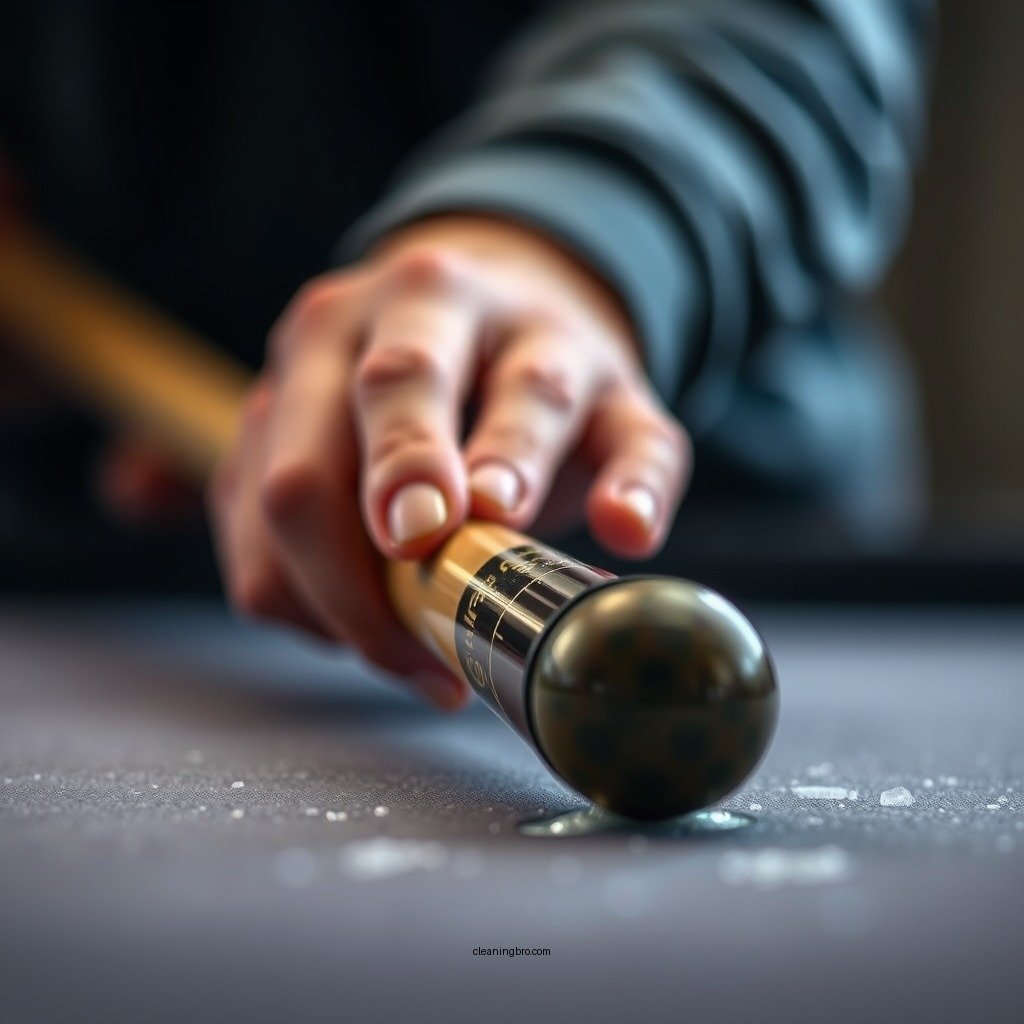
Follow these simple steps to clean your cue shaft effectively:
1. Wipe Down the Shaft: Begin by using a dry cloth to wipe down the entire shaft, removing any loose dust or debris. This preliminary step helps to prevent scratching the surface when you apply the cleaning solution.
2. Dampen a Cloth with Cleaning Solution: Soak a clean cloth with your chosen cleaning solution, making sure it is damp but not dripping wet. Excess moisture can seep into the wood, potentially causing swelling or damage.
3. Gently Clean the Shaft: With the damp cloth, gently clean the shaft in smooth, even strokes. Always clean in the direction of the grain to ensure an even finish and prevent scratches. Avoid applying excessive pressure; a light touch is sufficient to lift dirt and oil.
4. Dry the Shaft: After cleaning, use a dry cloth to wipe away any remaining moisture. Make sure the shaft is completely dry before storing it to avoid any moisture-related issues.
Tips for Effective Cleaning
To ensure the best results when cleaning your cue shaft, keep these tips in mind:
– Clean in the Direction of the Grain: Always move your cloth along the natural grain of the wood. This practice helps to maintain the integrity of the finish and prevents scratches from forming.
– Avoid Harsh Chemicals: Stay clear of strong cleaners or solvents that can damage the finish. Stick to mild soap or specialized products designed for cue maintenance to preserve the wood’s natural beauty.
– Frequency of Cleaning: Make it a habit to clean your cue shaft regularly, ideally after every session. Frequent cleaning helps to prevent buildup and keeps your cue in optimal condition.
Maintenance Practices to Consider
In addition to regular cleaning, consider implementing these maintenance practices to keep your cue in top shape:
– Regularly Check for Signs of Wear or Damage: Inspect your cue shaft periodically for any signs of warping, cracks, or other damage. Early detection can prevent further issues and costly repairs.
– Store Your Cue Properly: Proper storage is essential in preventing scratches and bends. Use a protective case when transporting your cue, and store it upright in a cool, dry place to avoid warping.
– Use a Cue Conditioner: Occasionally, applying a cue conditioner can help maintain the wood’s luster and prevent it from drying out. Look for products that are specifically formulated for cue maintenance.
Troubleshooting Common Issues
If you encounter issues with your cue shaft, here are some troubleshooting tips:
– Sticky Shaft: If your cue feels sticky, ensure that you have thoroughly cleaned it and allowed it to dry completely. A sticky residue may indicate that dirt or oil has not been fully removed.
– Stubborn Stains: For persistent stains that do not come off with regular cleaning, consider using a specialized cue shaft cleaner. These products are designed to break down and lift tough residues without damaging the wood.
– Warping: If you notice that your cue has started to warp, check your storage conditions. Ensure that your cue is stored in a stable environment where temperature and humidity are controlled.
Top 7 Cue Brands by Popularity (2024)
| # | Brand | Price Range | Material | Popularity Rating |
|---|---|---|---|---|
| 1 | McDermott | $150 – $600 | Maple, Ash | ★★★★★ |
| 2 | Predator | $200 – $1,200 | Maple, Composite | ★★★★☆ |
| 3 | Action | $100 – $500 | Maple | ★★★★☆ |
| 4 | Viking | $150 – $600 | Maple, Walnut | ★★★★☆ |
| 5 | Meucci | $200 – $1,000 | Maple, Ash | ★★★★☆ |
| 6 | Lucasi | $100 – $400 | Maple, Composite | ★★★☆☆ |
| 7 | Dufferin | $80 – $350 | Maple | ★★★☆☆ |
McDermott vs Predator vs Meucci: Cue Comparison
| Feature | ⭐ McDermott | Predator | Meucci |
|---|---|---|---|
| Price Range | $150 – $600 | $200 – $1,200 | $200 – $1,000 |
| Material | Maple, Ash | Maple, Composite | Maple, Ash |
| Weight Options | 18 – 21 oz | 18 – 20 oz | 18 – 21 oz |
| Joint Types | Wood to wood | Radial | Wood to wood |
| Customization Options | Yes | Yes | Yes |
| Warranty | Lifetime | Limited Lifetime | Limited Lifetime |
| Grip Options | Leather, Wrap | Leather, Wrap | Leather, Wrap |
| Tip Types | Le Pro | Predator | Le Pro |
| Customer Support | Excellent | Very Good | Good |
| 🏆 Best For | Serious Players | Advanced Players | Casual Players |
Keeping your cue shaft clean is simple and crucial for optimal performance. By following the steps outlined above and incorporating regular maintenance practices, you can ensure your cue remains in great shape. Start implementing these cleaning practices today to enjoy a better playing experience and elevate your game to new heights!
Frequently Asked Questions
What is the best way to clean a cue shaft?
The best way to clean a cue shaft is to use a soft microfiber cloth and a specialized cue shaft cleaner. Apply the cleaner sparingly to the cloth, not directly on the shaft, and gently wipe from the tip towards the butt, avoiding circular motions. This method helps remove dirt and oil while preserving the wood’s finish.
How often should I clean my cue shaft?
You should clean your cue shaft after every few games or at least once a week if you play regularly. Regular cleaning removes chalk residue and oils from your hands that can affect the wood’s condition and playability. Staying consistent with maintenance can prolong the life of your cue shaft.
Why is it important to clean my cue shaft?
Cleaning your cue shaft is crucial for maintaining its performance and longevity. Dirt and oil buildup can lead to a rough surface, affecting your grip and shot accuracy. Additionally, neglecting to clean it can result in damage to the finish and wood, ultimately impacting the overall quality of your game.
Which products are safe for cleaning cue shafts?
Safe products for cleaning cue shafts include specialized cue shaft cleaners, rubbing alcohol, and a mild soap solution. Avoid using harsh chemicals, as they can damage the wood and finish. Always test any product on a small, inconspicuous area first to ensure it doesn’t cause any adverse effects.
How do I remove sticky residue from my cue shaft?
To remove sticky residue from your cue shaft, dampen a microfiber cloth with rubbing alcohol and gently rub the affected area. Be careful not to soak the cloth or the shaft to avoid damaging the wood. After removing the residue, follow up with a cue shaft cleaner to restore its smooth finish.
References
- Cue sports
https://en.wikipedia.org/wiki/Billiards - Billiards Digest – Pool Magazine for News, Instruction & More
https://www.billiardsdigest.com/ - https://www.umpire.org/how-to-clean-a-billiard-cue/
https://www.umpire.org/how-to-clean-a-billiard-cue/ - https://www.billiardacademy.com/billiard-cue-care-and-maintenance/
https://www.billiardacademy.com/billiard-cue-care-and-maintenance/ - https://www.billiardbox.com/how-to-clean-pool-cue-shaft/
https://www.billiardbox.com/how-to-clean-pool-cue-shaft/ - Google Scholar Google Scholar
https://scholar.google.com/scholar?q=how+to+clean+cue+shaft - Google Scholar Google Scholar
https://scholar.google.com/scholar?q=cue+maintenance - Google Scholar Google Scholar
https://scholar.google.com/scholar?q=billiard+cue+cleaning - https://www.billiardcues.com/cue-care-and-maintenance-guide/
https://www.billiardcues.com/cue-care-and-maintenance-guide/ - how to clean cue shaft – Search results
https://en.wikipedia.org/wiki/Special:Search?search=how+to+clean+cue+shaft
