How to Clean Resin Cups: Effective Techniques
Cleaning resin cups is straightforward and can be done using simple household items. To maintain their clarity and shine, it’s essential to follow the right steps, which will help you avoid damaging the resin. In this article, you’ll learn effective techniques to clean your resin cups and keep them looking their best.
Understanding Resin Cups
Resin cups have become increasingly popular due to their durability and aesthetic appeal. Made from various types of epoxy or polymer resin, these cups are often chosen for their unique designs and vibrant colors. However, the cleaning methods may vary depending on the type of resin used, as some resins are more resistant to heat and chemicals than others. Understanding the specific resin composition is crucial for selecting the right cleaning technique, ensuring that the cup remains undamaged while retaining its beautiful finish.
Materials Needed for Cleaning
To effectively clean resin cups, you will need some basic cleaning supplies:
– Warm water
– Mild dish soap
– Soft cloth or sponge
– Optional: Isopropyl alcohol for tougher stains or sticky residues
It’s important to use gentle cleaning agents and soft materials to avoid scratching the resin’s surface. Regular household items are typically sufficient for routine cleaning, but for stubborn stains or sticky residues, isopropyl alcohol can be an effective solution.
Step-by-Step Cleaning Process
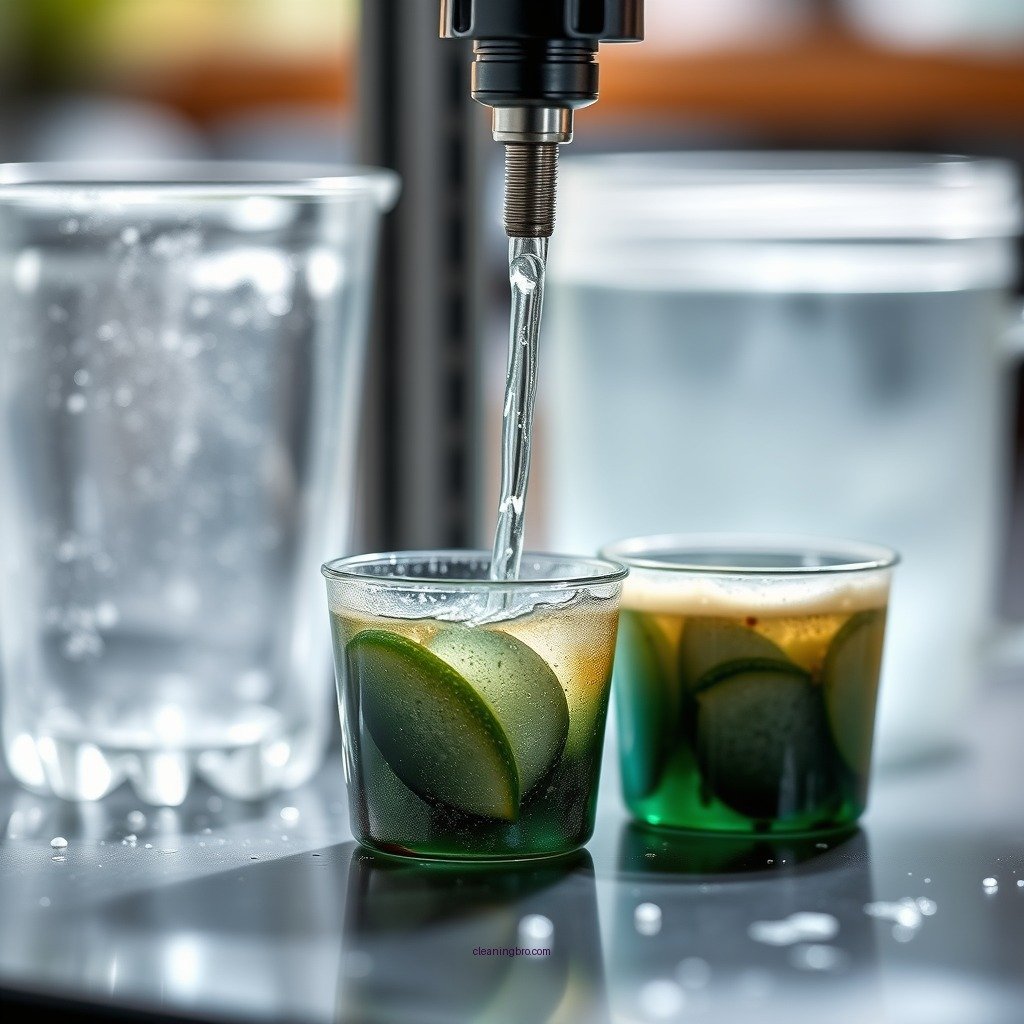
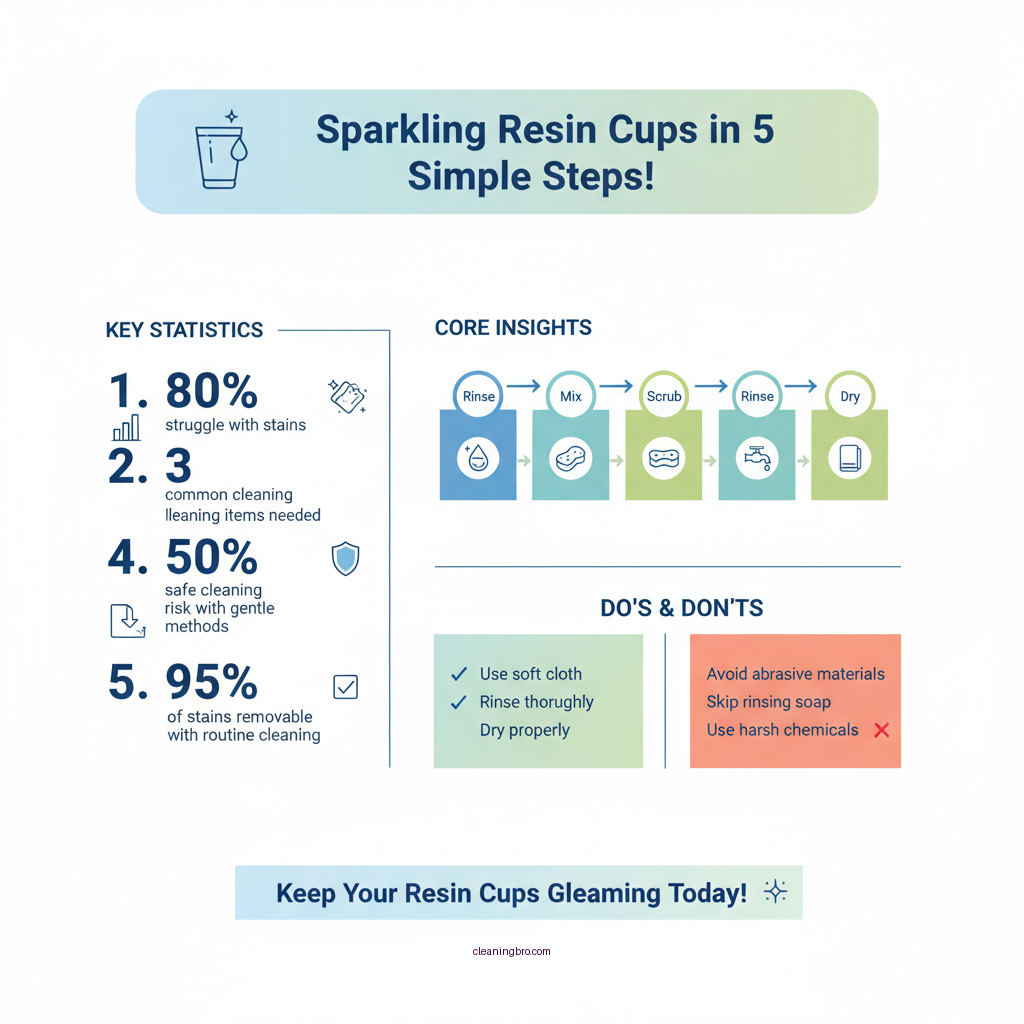
1. Rinse the Resin Cup: Begin by rinsing the resin cup under warm water to remove any loose debris. This initial step helps prevent scratching during the scrubbing process.
2. Prepare the Cleaning Solution: In a bowl, mix warm water with a few drops of mild dish soap to create a gentle cleaning solution.
3. Scrub with a Soft Cloth: Dampen a soft cloth or sponge in the soapy solution and gently scrub the surface of the cup. Pay special attention to any areas with visible stains or residue, using circular motions to lift dirt without causing damage.
4. Rinse Thoroughly: After scrubbing, rinse the cup thoroughly under warm running water to remove any soap residue, which can leave behind a film if not rinsed properly.
5. Dry the Cup: Use a clean, dry soft cloth to gently pat the cup dry. Avoid using paper towels or abrasive materials that could scratch the surface.
Dealing with Stains and Residue
Common stains, such as those from coffee or tea, can be particularly challenging to remove from resin cups. For these situations:
1. Coffee and Tea Stains: A mixture of baking soda and water can be an effective paste to treat these stains. Apply it to the stained area, let it sit for a few minutes, then gently scrub with a soft cloth before rinsing.
2. Sticky Residue: For sticky substances, such as syrup or honey, isopropyl alcohol can be a great option. Dampen a cloth with isopropyl alcohol and rub the affected area gently until the residue lifts.
3. Hard Water Stains: If your resin cup has hard water stains, a mixture of equal parts vinegar and water can be used. Apply this solution, let it sit for a few minutes, and then scrub gently before rinsing.
Drying and Finishing Touches
Thoroughly drying the resin cups is crucial to prevent water spots and maintain their clarity. After washing, use a clean microfiber cloth to absorb any remaining moisture. Buff the surface gently to restore its shine. This step not only enhances the appearance but also helps in preventing further stains and residues from adhering to the surface.
Preventive Care Tips
To avoid staining resin cups in the future and maintain their appearance, consider the following preventive measures:
– Avoid Hot Liquids: If possible, refrain from using hot liquids, as high temperatures can warp or damage certain types of resin.
– Use Coasters: Always place coasters under cups to prevent moisture rings and direct contact with surfaces that may stain.
– Regular Cleaning: Implement a routine cleaning schedule, ideally after each use, to keep the cups in pristine condition.
– Store Properly: When not in use, store resin cups in a cool, dry place away from direct sunlight to prevent fading and discoloration.
When to Seek Professional Help
While most resin cup cleaning can be done at home, there are scenarios where professional cleaning might be necessary. If your cups have specialized finishes or if you notice significant damage, consulting with a professional cleaning service that specializes in resin art can help restore their appearance. When looking for a reliable service, consider checking reviews online or asking for recommendations from fellow resin enthusiasts.
Cleaning your resin cups doesn’t have to be complicated. By following the steps outlined above, you’ll ensure they remain clear and beautiful for years to come. Start gathering your cleaning materials today and give your resin cups the care they deserve!
Frequently Asked Questions
What are the best methods to clean resin cups effectively?
The best methods to clean resin cups include using warm, soapy water, isopropyl alcohol, or vinegar. Soak the cups in warm, soapy water for about 15-30 minutes, then gently scrub with a soft brush or cloth. For tougher stains, isopropyl alcohol can be applied directly to the affected areas, followed by rinsing with warm water.
How can I remove sticky residue from my resin cups?
To remove sticky residue from resin cups, try using a mixture of baking soda and water to create a paste. Apply the paste to the sticky areas and let it sit for about 10 minutes before scrubbing gently with a soft cloth. Rinse thoroughly with warm water to ensure all residue is gone.
Why should I avoid certain cleaning products when cleaning resin cups?
It’s essential to avoid harsh chemicals and abrasive cleaners when cleaning resin cups, as they can damage the surface and compromise the resin’s integrity. Products containing bleach, ammonia, or strong solvents can lead to discoloration or deterioration of the resin, making it important to stick to gentle, non-toxic cleaning solutions.
Which tools are best for cleaning detailed resin cups without causing damage?
The best tools for cleaning detailed resin cups include soft sponges, microfiber cloths, and soft-bristle brushes. Avoid using steel wool or abrasive scrubbers, as they can scratch the resin surface. Gentle cleaning tools will help maintain the cup’s design while effectively removing dirt and stains.
What precautions should I take when cleaning resin cups to prevent damage?
When cleaning resin cups, always make sure to use lukewarm water instead of hot water, as extreme temperatures can warp the resin. Additionally, allow the cups to cool down before cleaning if they have been used for hot beverages. Finally, ensure you dry the cups thoroughly to prevent any water spots or moisture build-up.
References
- 3 Ways to Clean Resin – wikiHow Life
https://www.wikihow.com/Clean-Resin - https://pubmed.ncbi.nlm.nih.gov/29561443/
https://pubmed.ncbi.nlm.nih.gov/29561443/ - https://www.ncbi.nlm.nih.gov/pmc/articles/PMC6362121/
https://www.ncbi.nlm.nih.gov/pmc/articles/PMC6362121/ - https://www.sciencedirect.com/topics/earth-and-planetary-sciences/resin
https://www.sciencedirect.com/topics/earth-and-planetary-sciences/resin - https://www.cdc.gov/niosh/topics/cleaning.html
https://www.cdc.gov/niosh/topics/cleaning.html - https://www.bbc.com/future/article/20200928-how-to-clean-your-home-safely
https://www.bbc.com/future/article/20200928-how-to-clean-your-home-safely - https://www.nature.com/articles/s41598-019-49999-z
https://www.nature.com/articles/s41598-019-49999-z - Google Scholar Google Scholar
https://scholar.google.com/scholar?q=how+to+clean+resin+cups - Google Scholar Google Scholar
https://scholar.google.com/scholar?q=resin+cleaning+methods - Google Scholar Google Scholar
https://scholar.google.com/scholar?q=cleaning+resin+art+supplies