
Cleaning embroidery is essential to maintain its vibrancy and longevity. The process can be straightforward if you follow the right steps. In this guide, you will learn effective techniques for cleaning different types of embroidery, ensuring that your pieces remain beautiful and intact. From hand-washed heirlooms to machine-embroidered garments, proper care can make a significant difference in preserving the quality of your embroidered items.
Understanding Different Types of Embroidery
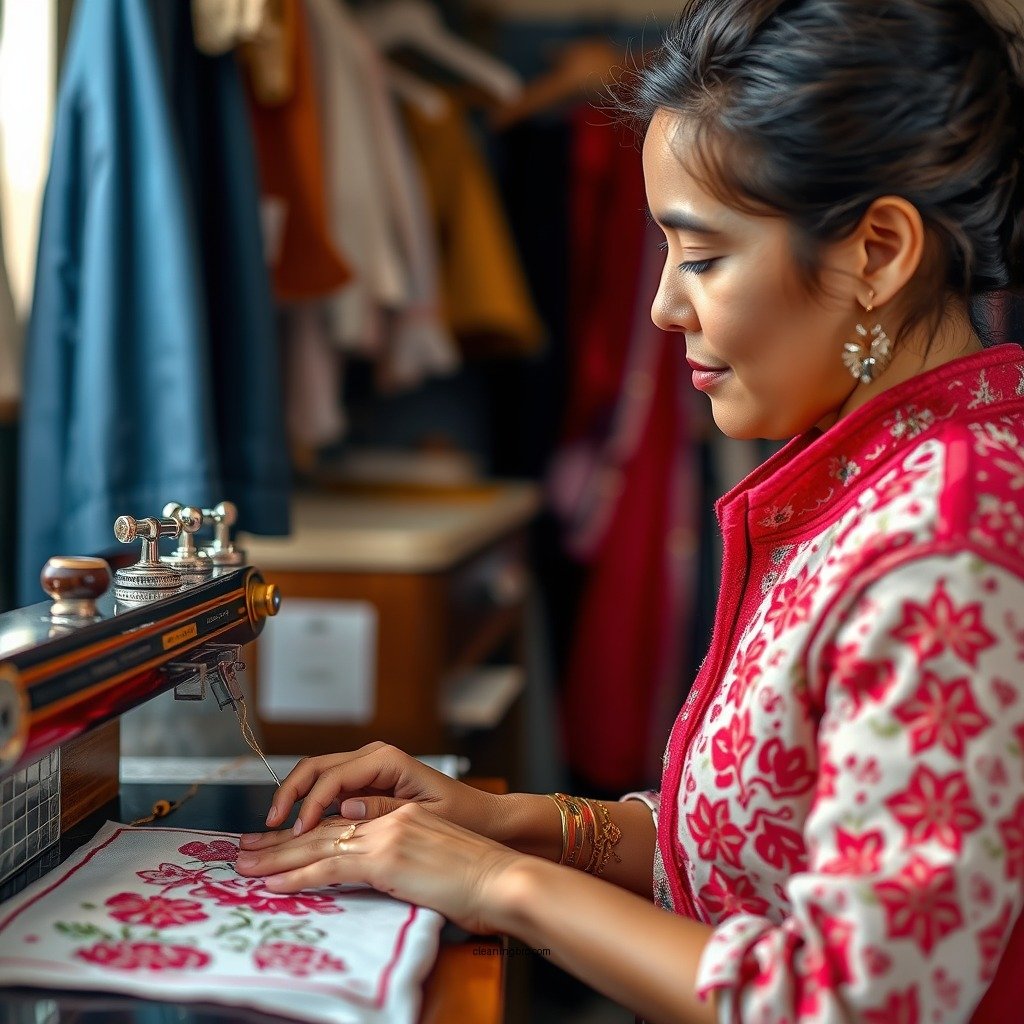
Embroidery is a versatile art form that can be executed using various techniques, each with its unique characteristics. Broadly, embroidery can be categorized into machine embroidery and hand embroidery. Machine embroidery typically offers precision and speed, making it suitable for large-scale production, while hand embroidery is often valued for its artistry and craftsmanship.
The materials used in embroidery also vary, affecting both the appearance and care requirements. Common materials include:
– Cotton: Known for its durability and ease of cleaning, cotton embroidery is often used in casual wear and home textiles.
– Silk: Luxurious and delicate, silk requires special care to avoid damage and maintain its sheen.
– Polyester: This synthetic material is resistant to wrinkling and fading but may still require gentle handling during cleaning.
– Wool: Often used for thicker threads, wool embroidery can be sensitive to heat and moisture, necessitating careful cleaning practices.
Understanding the specific type of embroidery and the materials involved is crucial for determining the appropriate cleaning method.
Preparing for Cleaning
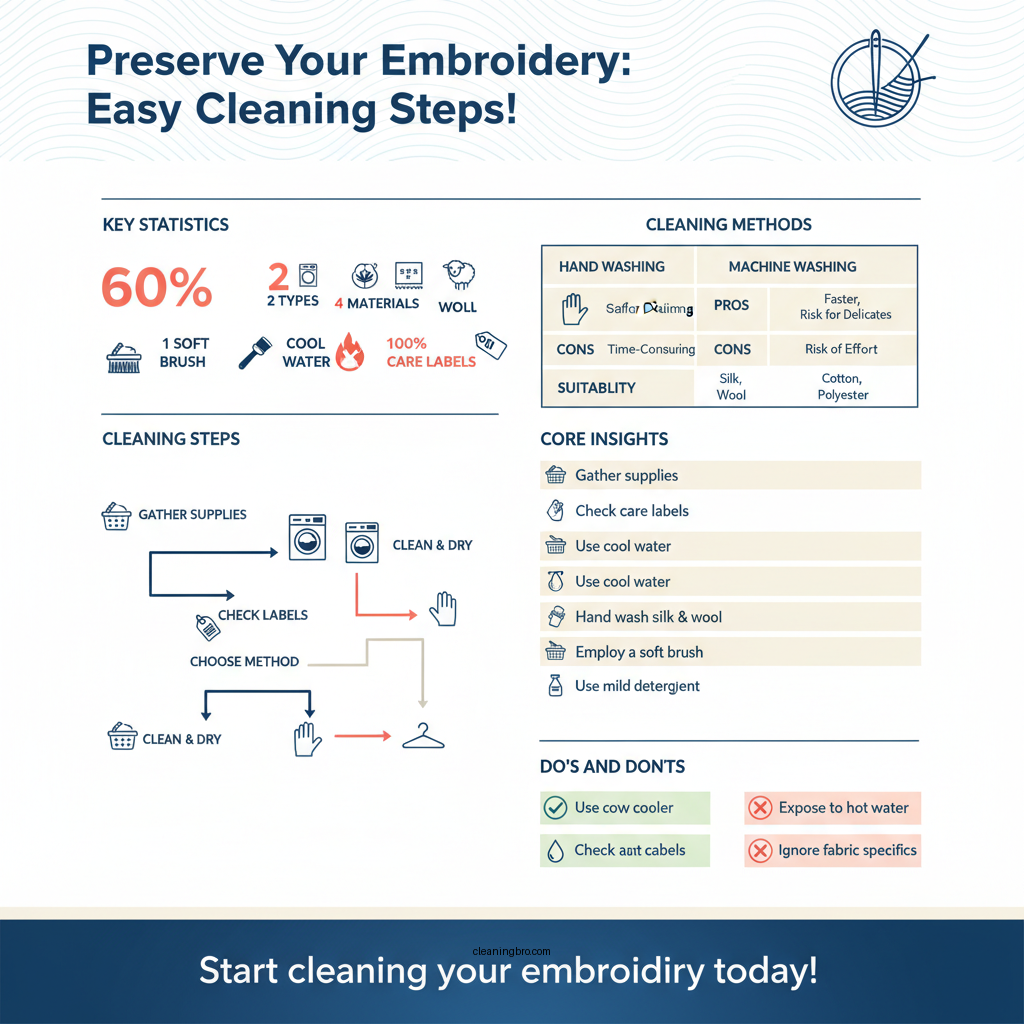

Before undertaking the cleaning process, it is essential to gather the necessary supplies. Here’s what you will need:
– Mild detergent: A gentle detergent specifically designed for delicate fabrics will help in preserving the embroidery’s quality.
– Soft brush: A soft-bristled brush can be used to remove dust and dirt without damaging the threads.
– Water: Use cool or lukewarm water, as hot water can lead to fading or warping.
– Towels: Clean, dry towels are necessary for blotting and drying embroidered items.
Additionally, always check the care labels on your embroidered pieces. These labels often provide specific instructions tailored to the material and technique used. Ignoring these guidelines can lead to irreversible damage.
Hand Washing Embroidered Items
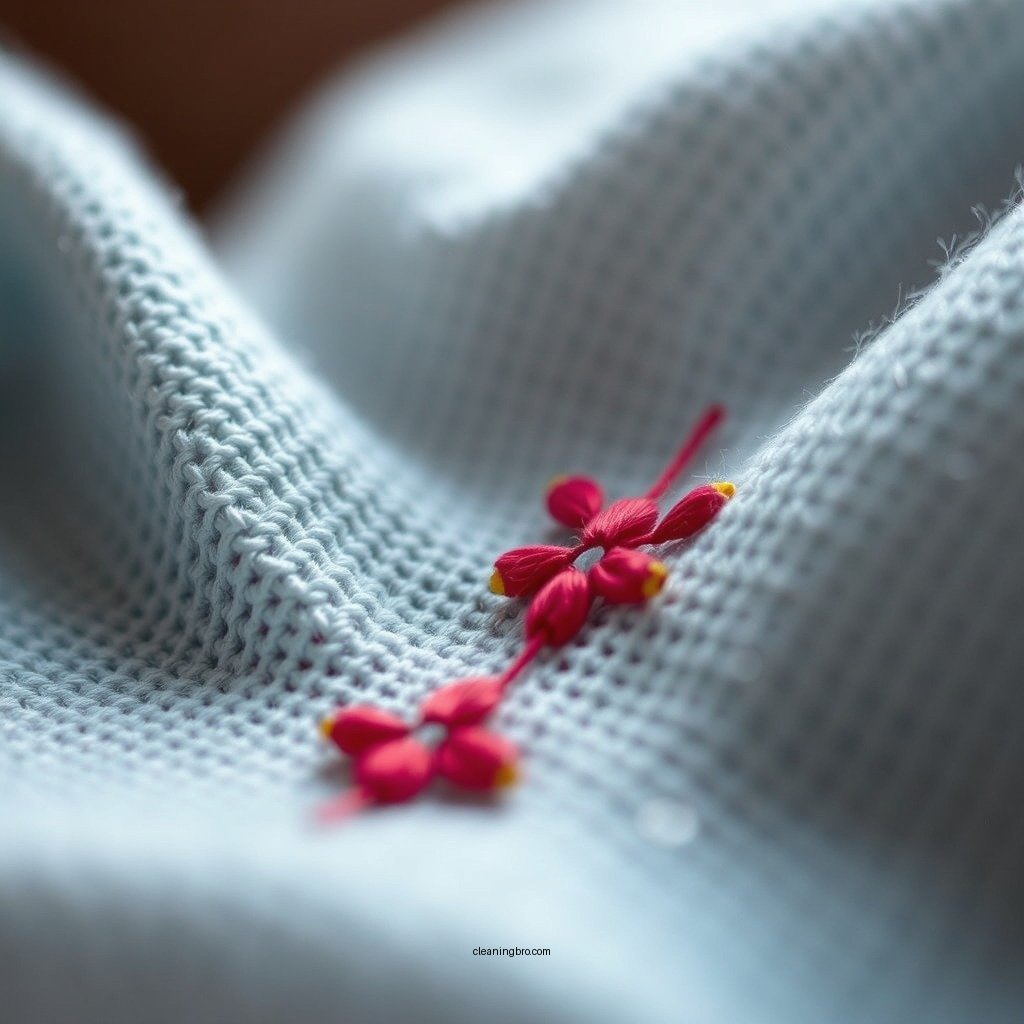
Hand washing is often the preferred method for cleaning delicate embroidered items, especially those made from silk or wool. Here’s how to do it properly:
1. Fill a basin with cool water: Avoid hot water, which can cause colors to bleed or fabrics to shrink.
2. Add a gentle detergent: Mix the detergent into the water until it is fully dissolved.
3. Submerge the item: Gently place your embroidered piece into the water, ensuring it is fully submerged.
4. Agitate gently: Use your hands to gently agitate the water and help release dirt. Avoid scrubbing, as this can damage the embroidery.
5. Rinse thoroughly: Once clean, carefully rinse the item under cool running water until all detergent is removed.
After rinsing, blot the item with a clean towel to remove excess water. Never wring or twist the fabric, as this can distort the shape of the embroidery.
Machine Washing Embroidered Pieces
While hand washing is ideal for delicate items, some machine-embroidered pieces can be cleaned in a washing machine. To do this safely, follow these steps:
1. Select a delicate cycle: Use the machine settings for delicate fabrics, ensuring the water temperature is set to cold to avoid damaging the embroidery.
2. Use a mesh laundry bag: Place the embroidered item in a mesh laundry bag to protect it from snagging or tangling with other items in the wash.
3. Add mild detergent: Like with hand washing, opt for a gentle detergent that is suitable for the fabric type.
4. Avoid fabric softeners: These can leave a residue on the embroidery, dulling its appearance.
Once the cycle is complete, remove the item promptly to avoid creasing and set it aside for drying.
Drying and Ironing Embroidery
Proper drying and ironing techniques are crucial for preserving the integrity of embroidered pieces:
– Air-dry flat: Lay the item flat on a clean, dry towel to air dry. This helps prevent distortion and maintains the shape of the embroidery. Avoid hanging the item, as this can stretch the fabric.
– Ironing: If necessary, use a low-heat setting on your iron. Always place a cloth over the embroidery to protect it from direct heat, which can cause melting or discoloration. If the fabric is particularly delicate, consider using a steam setting without direct contact.
Storing Embroidered Items Properly
Storing your embroidered items correctly can significantly extend their lifespan. Here are best practices for proper storage:
– Use acid-free tissue paper: Place acid-free tissue paper between layers of embroidery to prevent creasing and protect delicate threads.
– Avoid plastic storage: Plastic containers can trap moisture, leading to mold and mildew. Instead, opt for breathable cotton or linen bags.
– Store in a cool, dry place: Ensure the storage area is free from direct sunlight to prevent fading and discoloration. A climate-controlled environment is ideal for long-term storage.
Troubleshooting Common Issues
Despite your best efforts, you may encounter common issues with your embroidered items. Here are some solutions:
– Addressing stains: For spots or stains, use a mild solution of detergent and water on a soft cloth to spot clean. Test the solution on an inconspicuous area first to ensure it does not cause damage.
– Fixing fraying threads: If you notice any fraying, use a needle and thread that matches the original to secure the loose threads. For larger repairs, consider consulting a professional embroiderer.
Maintaining the beauty of your embroidered items is achievable with the right care. By following these steps, you can ensure your pieces remain in excellent condition for years to come. Start cleaning your embroidery today to keep it looking fresh and vibrant!
Top 7 Common Embroidery Materials (2024)
| # | Material | Durability | Ease of Cleaning | Common Use |
|---|---|---|---|---|
| 1 | Cotton | High | Easy | Casual wear |
| 2 | Silk | Medium | Difficult | Formal attire |
| 3 | Polyester | High | Easy | Everyday items |
| 4 | Wool | Medium | Difficult | Winter garments |
| 5 | Linen | High | Moderate | Summer clothing |
| 6 | Rayon | Medium | Difficult | Blouses and dresses |
| 7 | Nylon | High | Easy | Activewear |
Embroidery Cleaning Methods: Hand Washing vs Machine Washing vs Professional Cleaning
| Feature | ⭐ Hand Washing | Machine Washing | Professional Cleaning |
|---|---|---|---|
| Suitability for Delicate Fabrics | ✅ Best choice | ❌ Risk of damage | ✅ Safe for all |
| Time Required | Moderate | Fast | Variable |
| Cost | Low | Low | Higher |
| Risk of Color Bleeding | Low | High | Very Low |
| Convenience | Moderate | High | Low |
| Effectiveness | High | Moderate | Very High |
| Color Retention | Excellent | Good | Excellent |
| Stain Removal Capability | High | Moderate | Very High |
| Time for Drying | Moderate | Fast | Variable |
| 🏆 Best For | Delicate and vintage items | Everyday pieces | Professional-quality care |
In conclusion, understanding how to properly clean and care for your embroidery is vital for preserving its beauty and extending its lifespan. Whether you choose to hand wash, machine wash, or rely on professional cleaning services, each method has its advantages and considerations. By following the guidelines outlined in this article, you can maintain the vibrancy of your embroidered pieces and ensure they remain cherished for years to come.
Frequently Asked Questions
What are the best methods for cleaning embroidered fabric?
The best methods for cleaning embroidered fabric include hand washing and using cold water. Gently scrub the area with a mild detergent and a soft cloth or sponge, avoiding harsh chemicals that can damage the embroidery. Air drying is recommended to prevent shrinkage and preserve the integrity of the stitches.
How do I remove stains from embroidery without damaging it?
To remove stains from embroidery, first identify the type of stain and treat it accordingly. For most stains, dab a mixture of mild detergent and water onto the affected area and gently blot with a clean cloth. Always test any cleaning solution on a hidden part of the fabric first to ensure it won’t harm the embroidery.
Why is it important to avoid machine washing embroidered items?
It is important to avoid machine washing embroidered items because the agitation can cause damage to delicate threads and stitches, leading to fraying or distortion. Additionally, the heat from the dryer can shrink the fabric, compromising the overall quality of the embroidery. Hand washing is a safer alternative to maintain the artwork.
Which cleaning products are safe for embroidered textiles?
Safe cleaning products for embroidered textiles include mild detergents specifically designed for delicate fabrics, as well as natural options like vinegar or baking soda. Always ensure that the product is free from bleach and harsh chemicals to protect the embroidery. Reading labels for “gentle” or “delicate” will help you choose the right product.
How can I maintain the appearance of my embroidery after cleaning?
To maintain the appearance of your embroidery after cleaning, always air dry the item flat to prevent stretching or warping. Avoid direct sunlight, as it can fade colors, and store the item in a cool, dry place. Regularly dusting the embroidery and using a fabric protector can also help keep it looking fresh and vibrant.
References
- https://www.mayoclinic.org/health-information/cleaning-embroidery/faq-20046352
https://www.mayoclinic.org/health-information/cleaning-embroidery/faq-20046352 - Google Scholar Google Scholar
https://scholar.google.com/scholar?q=how+to+clean+embroidery - https://pubmed.ncbi.nlm.nih.gov/31963000/
https://pubmed.ncbi.nlm.nih.gov/31963000/ - Embroidery | Needlework, Stitching & Patterns | Britannica
https://www.britannica.com/topic/embroidery - Google Scholar Google Scholar
https://scholar.google.com/scholar?q=embroidery+cleaning+techniques - https://www.sciencedirect.com/topics/agricultural-and-biological-sciences/embroidery
https://www.sciencedirect.com/topics/agricultural-and-biological-sciences/embroidery - https://www.cdc.gov/niosh/topics/cleaning.html
https://www.cdc.gov/niosh/topics/cleaning.html - https://www.nature.com/articles/s41598-020-74364-0
https://www.nature.com/articles/s41598-020-74364-0 - how to clean embroidery – Search results
https://en.wikipedia.org/wiki/Special:Search?search=how+to+clean+embroidery - https://www.ncbi.nlm.nih.gov/search/research-articles/?term=how+to+clean+embroidery
https://www.ncbi.nlm.nih.gov/search/research-articles/?term=how+to+clean+embroidery
