How to Clean Resin Tools: Best Practices and Tips
Cleaning your resin tools effectively is crucial for maintaining their longevity and ensuring the quality of your projects. The best way to clean resin tools is to use the right solvents, tools, and techniques that will remove cured resin residues without damaging your equipment. In this guide, you’ll learn step-by-step instructions and essential tips to keep your resin tools in top condition.
Understanding Resin and Its Properties

Resin is a sticky substance that can harden quickly, making it challenging to clean. When you work with resins such as epoxy or polyester, understanding their unique properties is essential. Epoxy resin, for instance, cures through a chemical reaction between a resin and a hardener, leading to a robust, durable finish. Polyester resin, on the other hand, is often used in fibreglass applications and can be more forgiving in terms of clean-up. Knowing the type of resin you’re using can help you select the right cleaning method, as different resins respond differently to various solvents. Immediate cleaning after use is crucial, as cured residues become increasingly difficult to remove over time.
Essential Cleaning Supplies
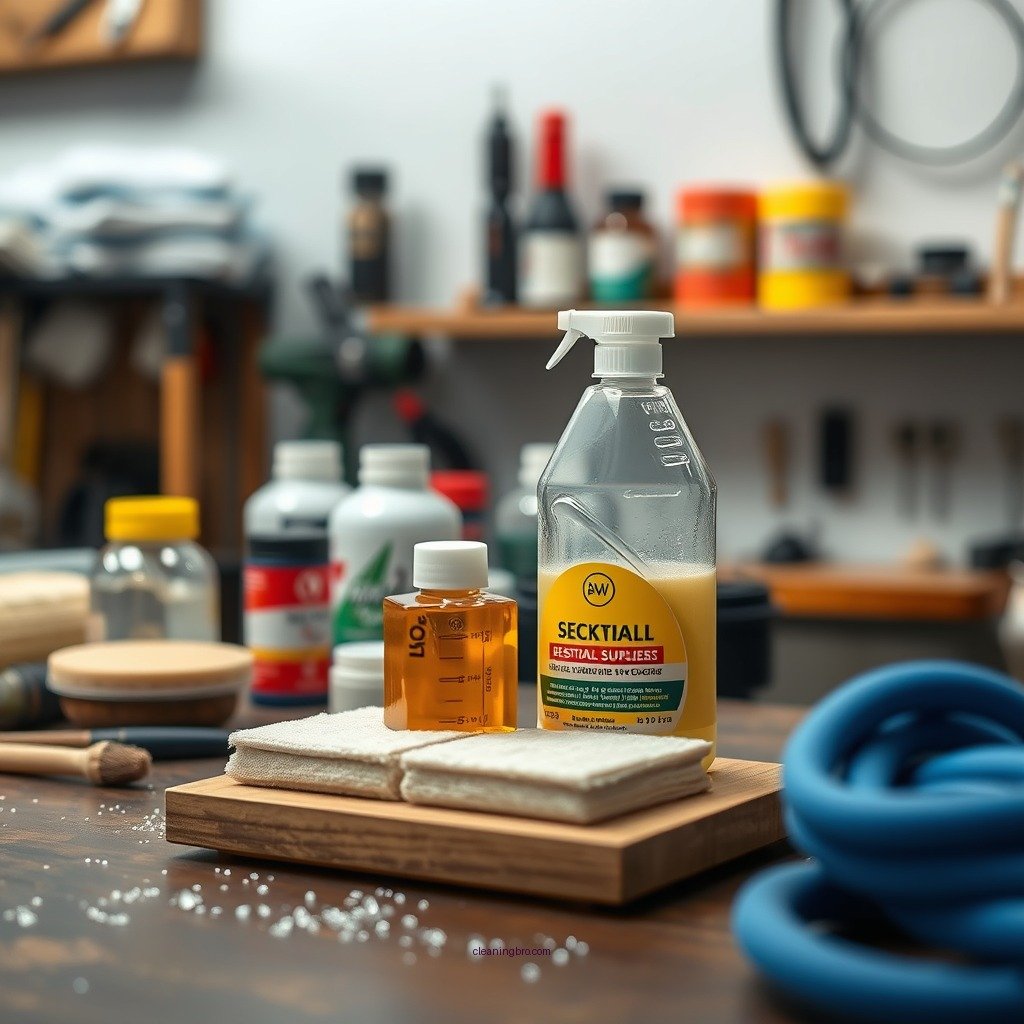
To effectively clean your resin tools, you will need specific supplies:
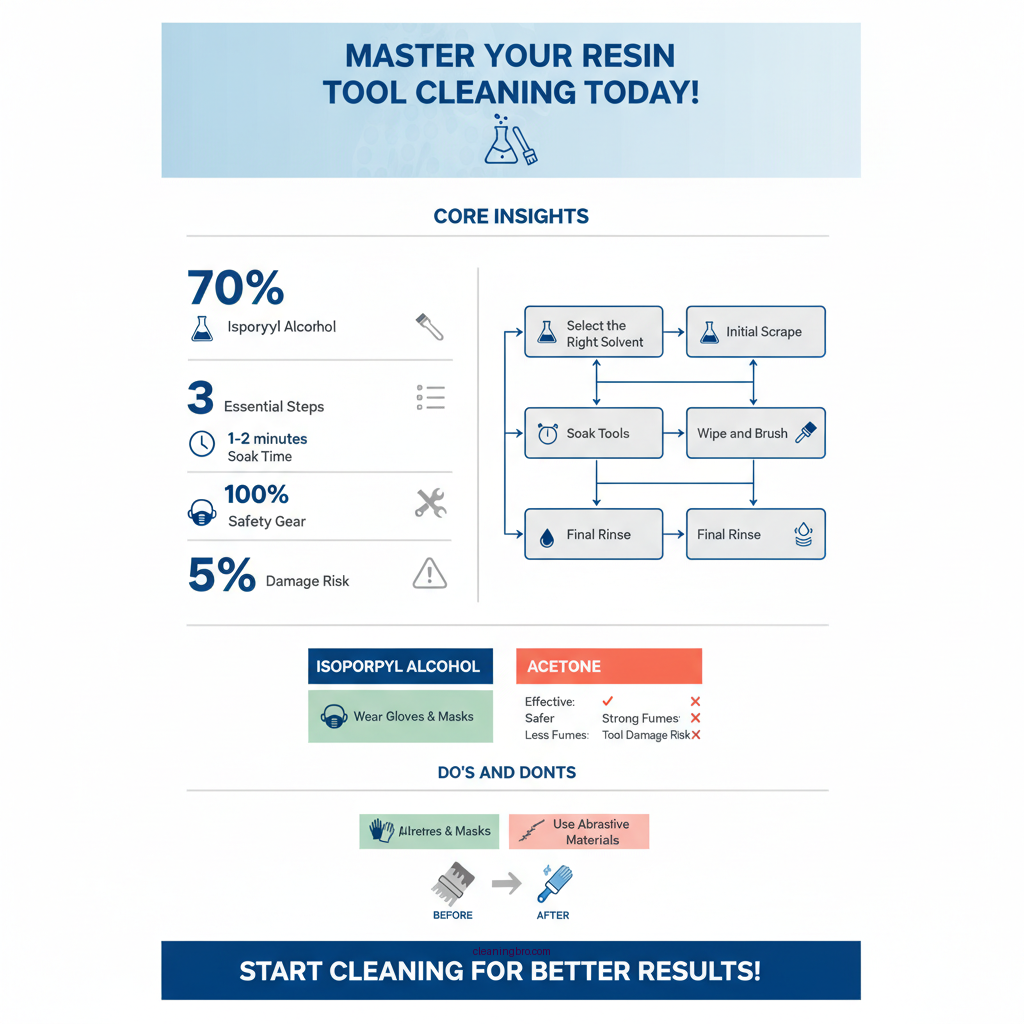
– Solvents: Isopropyl alcohol (at least 70%) or acetone are excellent for dissolving uncured resin and softening cured resin. They are both effective but should be used in a well-ventilated area.
– Physical Cleaning Tools: Scrapers, spatulas, and brushes are essential for physically removing resin residue. Microfiber cloths are also useful to avoid scratching the surfaces of your tools.
– Safety Gear: Disposable gloves and masks are necessary to protect your skin and lungs from harmful fumes and chemicals. Ensure you wear eye protection as well.
By gathering the right supplies, you can streamline your cleaning process and protect your health.
Step-by-Step Cleaning Process
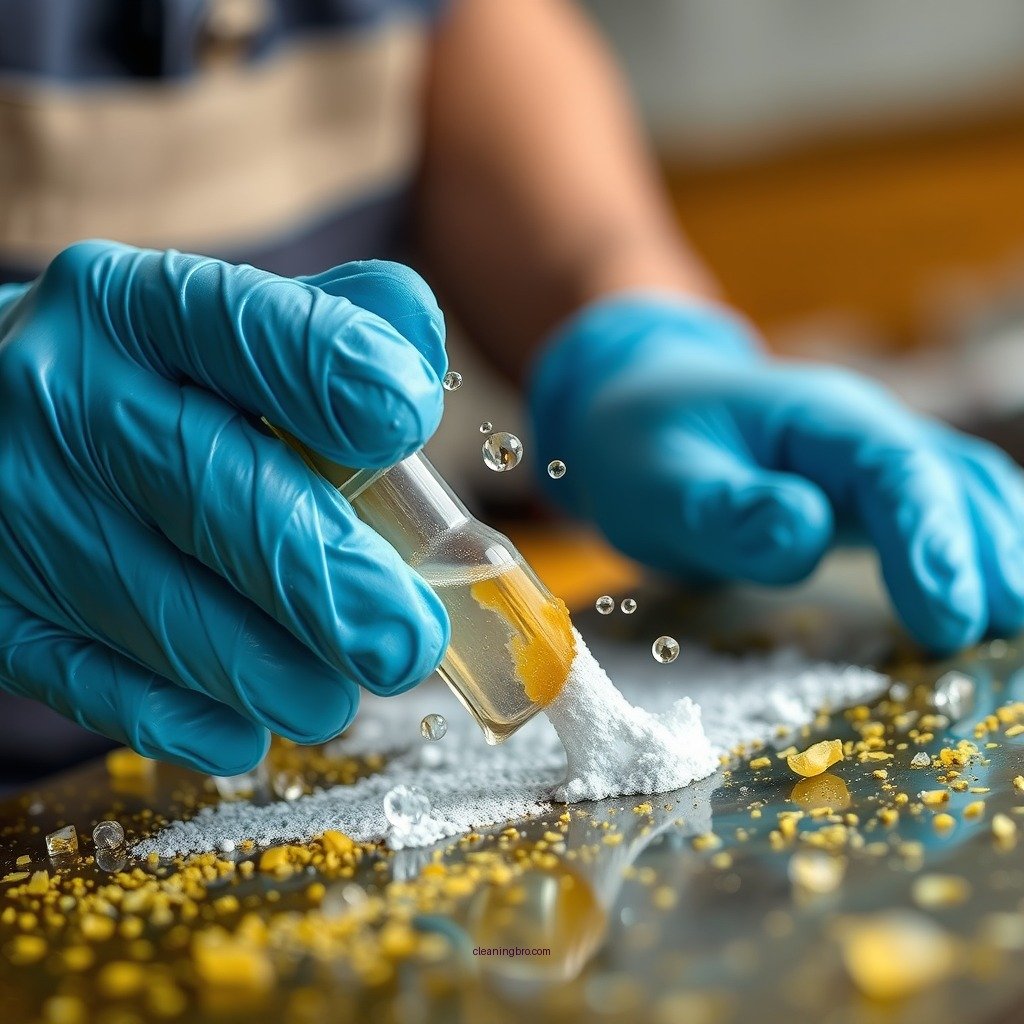
Here’s a straightforward method to clean your resin tools effectively:
1. Initial Scraping: Begin by scraping off any excess resin with a scraper or a spatula. This step is crucial for minimizing the amount of resin that needs to be dissolved.
2. Soaking: Next, soak the tools in isopropyl alcohol or acetone for a few minutes. This will help to loosen stubborn residue. For tools with intricate designs or small crevices, consider using a small container or a zip-lock bag for soaking.
3. Wiping and Brushing: Use brushes or microfiber cloths to wipe away the softened resin thoroughly. For stubborn spots, a gentle scrubbing motion can work wonders. Ensure that all resin is removed to avoid contamination in future projects.
4. Final Rinse: Rinse your tools with warm water and let them air dry completely. This final step ensures that any residual solvent is removed, prolonging the life of your tools.
By following these steps regularly, you can maintain your resin tools in prime condition.
Preventing Resin Build-Up
Preventive measures are key to minimizing the effort needed for cleaning. Here are some effective practices:
– Immediate Cleaning: Clean your tools immediately after use to prevent resin from curing on them. The sooner you clean, the easier it will be to remove the resin.
– Dedicated Tools: Use dedicated tools for resin work to avoid cross-contamination with other materials. This helps maintain the integrity of your resin projects and makes cleaning easier.
– Proper Storage: Store your tools in a clean, dry place to prevent dust and debris accumulation. Consider using tool organizers or cases specifically designed for resin tools.
Safe Disposal of Resin Waste
Proper disposal of resin waste is as crucial as the cleaning process. Here are some guidelines:
– Collect Waste: Collect all resin waste, including rags and disposable gloves, in a sealed container. This is vital for preventing accidental exposure to uncured resin.
– Follow Regulations: Check local regulations regarding the disposal of chemical waste. Many areas have specific guidelines for disposing of hazardous materials, and following these will ensure you are compliant and safe.
By adhering to these disposal practices, you contribute to a safer environment while ensuring compliance with local regulations.
Troubleshooting Common Issues
Cleaning resin tools can sometimes present challenges. Here are solutions for common issues:
– Stuck Resin: If resin remains stuck after the initial cleaning, consider soaking your tools longer or using a more potent solvent. Sometimes, a second round of soaking is necessary to fully remove stubborn residues.
– Stains or Discoloration: For stubborn stains, a combination of scraping and soaking usually yields the best results. If discoloration persists, you may need to consider using a specialized resin cleaner designed for tough jobs.
– Tool Damage: Always monitor your tools for signs of wear and tear, particularly when using solvents. If you notice any damage, it may be time to replace the tool to ensure quality in your projects.
Maintenance Tips for Longevity
To ensure your resin tools last as long as possible, consider these maintenance tips:
– Regular Inspections: Regularly inspect your tools for wear and tear. Look for cracks, chips, or any signs of damage that might affect their functionality.
– Cleaning After Each Use: Make it a habit to clean your tools after every use. This not only helps maintain their condition but also ensures optimal performance for future projects.
– Store Properly: Store tools in a clean, dry space. Consider using protective cases or bags to shield them from dust and other contaminants.
By incorporating these maintenance strategies into your routine, you can significantly extend the life of your resin tools.
Top 7 Resin Cleaning Materials and Their Effectiveness (2024)
| # | Cleaning Material | Effectiveness | Safety Rating |
|---|---|---|---|
| 1 | Isopropyl Alcohol | 90% | Safe |
| 2 | Acetone | 95% | Caution |
| 3 | Denatured Alcohol | 85% | Safe |
| 4 | Mineral Spirits | 80% | Caution |
| 5 | Soap and Water | 70% | Safe |
| 6 | Vinegar | 60% | Safe |
| 7 | Commercial Resin Cleaner | 95% | Safe |
Effectiveness of Various Resin Cleaning Methods
Isopropyl Alcohol vs. Acetone vs. Denatured Alcohol: Cleaning Comparison
| Feature | ⭐ Isopropyl Alcohol | Acetone | Denatured Alcohol |
|---|---|---|---|
| Effectiveness | 90% | 95% | 85% |
| Drying Time | Fast | Very Fast | Moderate |
| Safety | Safe | Caution | Safe |
| Odor | Mild | Strong | Mild |
| Surface Compatibility | Good | Excellent | Good |
| Cost | Moderate | Low | Moderate |
| Availability | Widely Available | Widely Available | Available in Specialty Stores |
| Effect on Cured Resin | Effective | Highly Effective | Moderately Effective |
| 🏆 Best For | General Use | Heavy-Duty Cleaning | Light Cleaning |
Maintaining clean resin tools ensures they perform effectively and last longer. By following these cleaning practices and tips, you can enhance your resin crafting experience. Remember to keep your workspace tidy and your tools in excellent condition for the best results. Happy crafting!
Frequently Asked Questions
What is the best way to clean resin tools after use?
The best way to clean resin tools is to use isopropyl alcohol (at least 70% concentration) immediately after use. Soak your tools in the alcohol for a few minutes, then use a soft brush or cloth to remove any residue. This method effectively breaks down the cured resin without damaging your tools.
How can I remove cured resin from my mixing cups and spatulas?
To remove cured resin from mixing cups and spatulas, you can use a heat gun or a hairdryer to soften the resin, making it easier to scrape off. Alternatively, soaking the tools in warm soapy water for a few hours can help loosen the resin, allowing you to scrub it off with a sponge or brush.
Why is it important to clean resin tools immediately after use?
Cleaning resin tools immediately after use is crucial because cured resin becomes increasingly difficult to remove over time. If you wait too long, the resin can harden and bond with the tool, leading to potential damage and making cleaning more labor-intensive. Prompt cleaning ensures your tools remain in good condition for future use.
Which cleaning agents are safe for resin tool cleaning?
Safe cleaning agents for resin tools include isopropyl alcohol, acetone, and vinegar. However, isopropyl alcohol is preferred due to its effectiveness in dissolving resin without causing damage. Always ensure good ventilation when using these solvents and follow safety precautions.
What are some tips for preventing resin from sticking to my tools?
To prevent resin from sticking to your tools, consider applying a layer of petroleum jelly or a silicone mold release agent to your tools before use. This creates a barrier that makes cleanup easier. Additionally, using disposable tools can also help minimize cleanup time and effort after resin projects.
References
- https://pubmed.ncbi.nlm.nih.gov/30004605/
https://pubmed.ncbi.nlm.nih.gov/30004605/ - https://www.sciencedirect.com/science/article/pii/S0142941817303094
https://www.sciencedirect.com/science/article/pii/S0142941817303094 - Resin | Synthetic, Polymerization, Thermosetting | Britannica
https://www.britannica.com/science/resin - https://www.ncbi.nlm.nih.gov/pmc/articles/PMC7174290/
https://www.ncbi.nlm.nih.gov/pmc/articles/PMC7174290/ - https://www.aaas.org/news/cleaning-resin-tools-chemistry
https://www.aaas.org/news/cleaning-resin-tools-chemistry - Google Scholar Google Scholar
https://scholar.google.com/scholar?q=how+to+clean+resin+tools - Google Scholar Google Scholar
https://scholar.google.com/scholar?q=resin+tool+cleaning+methods - Google Scholar Google Scholar
https://scholar.google.com/scholar?q=cleaning+epoxy+resin+tools - New life sciences institute wants to make drug discovery 10 times more efficient | News | Chemist…
https://www.chemistryworld.com/news/how-to-clean-your-resin-tools/3009137.article - how to clean resin tools – Search results
https://en.wikipedia.org/wiki/Special:Search?search=how+to+clean+resin+tools