How to Clean Seat Belts in Cars: Effective Methods
Cleaning seat belts in cars is essential for maintaining hygiene and safety. Over time, seat belts can accumulate dirt, stains, and odors, but with the right methods, you can restore them to their original condition. In this article, you’ll learn various techniques and tips for effectively cleaning your car’s seat belts.
Understanding the Materials
Seat belts are typically made of durable nylon or polyester materials. These synthetic fabrics are designed to withstand wear and tear, but they can also be prone to absorption of dirt and liquids. Understanding the material is crucial as it informs the cleaning agents and methods that are suitable for use. For instance, while nylon can endure harsher cleaning solutions than polyester, both materials require gentle handling to avoid damage.
Knowing the specific type of seat belt fabric can also help in determining the best cleaning products. For example, some seat belts may be treated with flame retardants or other coatings that can react negatively to certain chemicals. Therefore, always check vehicle manufacturer recommendations before proceeding with any cleaning method.
Basic Cleaning Supplies
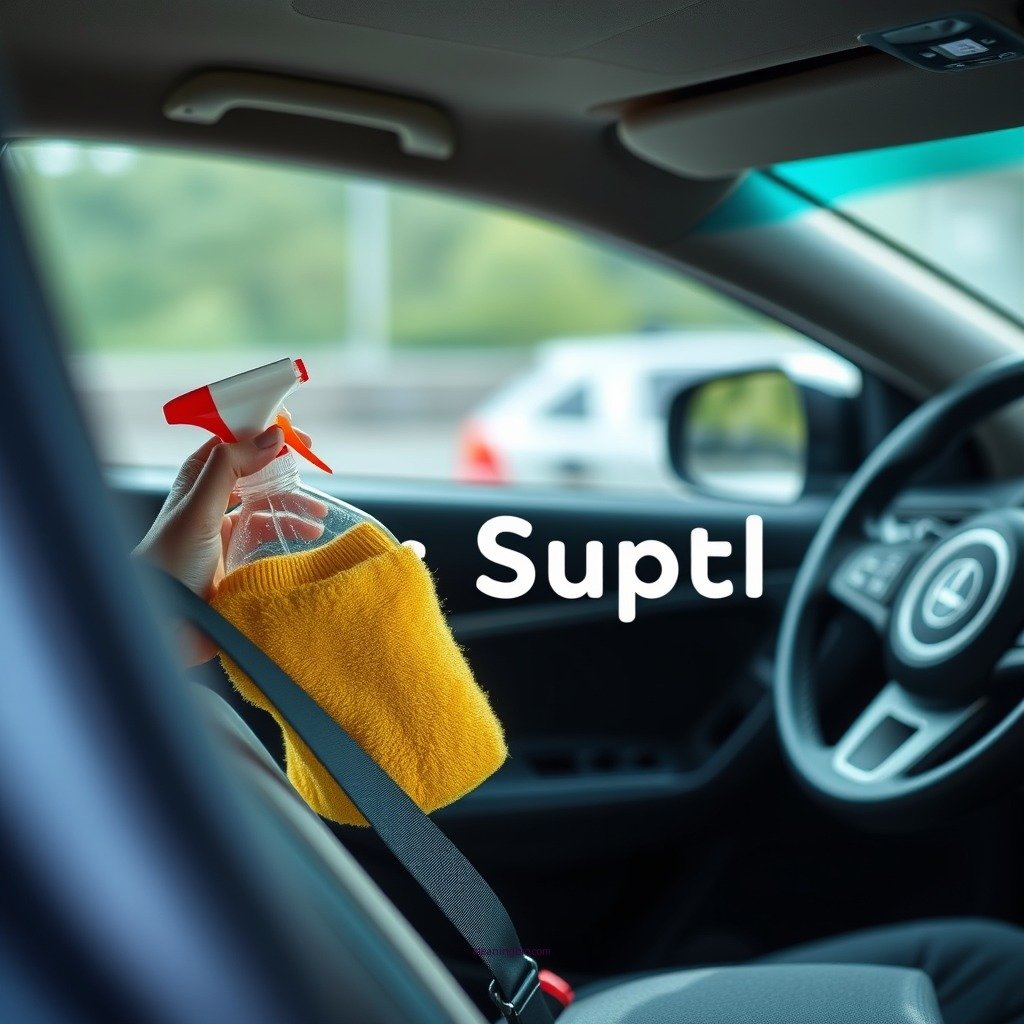
Before you start cleaning your seat belts, it’s essential to gather the right supplies. Here are the basic items you will need:
– Mild detergent: A gentle soap that is effective yet non-abrasive.
– Warm water: This helps in dissolving dirt and grime.
– Soft brush: A toothbrush or a similar soft-bristled brush can be effective for scrubbing without damaging the fabric.
– Microfiber cloths: These are excellent for absorbing moisture and are gentle on fabrics.
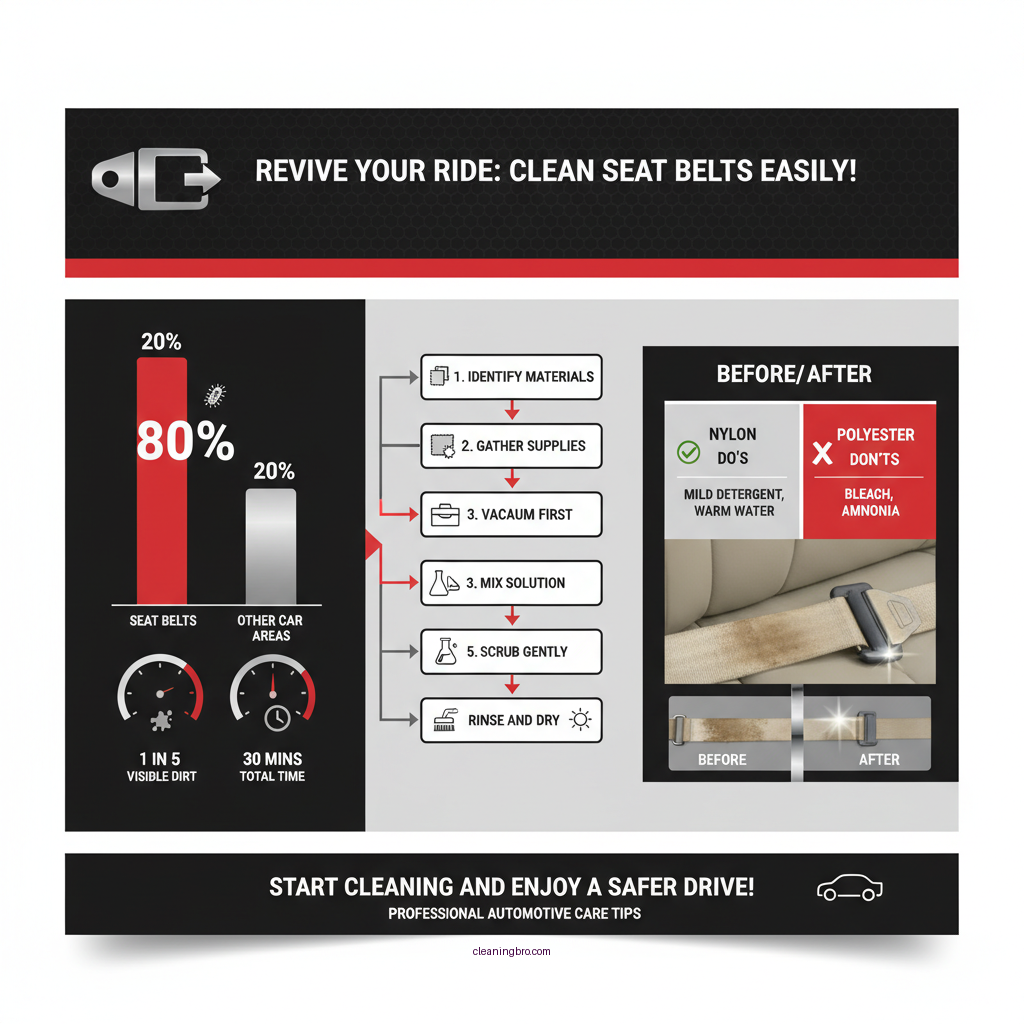
It is important to avoid harsh chemicals like bleach or ammonia, as these can weaken the fibers of the seat belts or lead to discoloration. Additionally, consider using a vacuum cleaner with an upholstery attachment to remove loose debris before starting the cleaning process.
Step-by-Step Cleaning Process
Cleaning seat belts is a straightforward process when you follow these steps:
1. Retract the Seat Belt: Start by fully retracting the seat belt to expose all areas that need cleaning. This allows you to access the entire length of the belt.
2. Prepare Cleaning Solution: Mix a solution of mild detergent and warm water. A general ratio is about one tablespoon of detergent to one cup of water.
3. Apply the Solution: Using a soft brush, dip it into the cleaning solution and gently scrub the seat belt. Focus on areas with visible stains or dirt, but be careful not to scrub too vigorously as this can damage the fibers.
4. Wipe with Microfiber Cloth: After scrubbing, use a clean microfiber cloth to wipe away any remaining soap residue and dirt. This step is crucial to prevent any residue from attracting more dirt later.
5. Rinse and Dry: If possible, lightly rinse the seat belt with clean water. Then, let it air dry completely before retracting it back. Do not use heat sources like hair dryers, as they can warp or damage the seat belt.
Dealing with Stains
For tougher stains, you may need to take additional steps. Here are some strategies for handling stains effectively:
– Stain Remover: Consider using a fabric-safe stain remover designed for upholstery. Apply it according to the manufacturer’s instructions.
– Spot Test: Always test any stain remover on a small, inconspicuous area of the seat belt first. This ensures that it won’t cause discoloration or damage to the fabric.
– Reapply as Necessary: For stubborn stains, you may need to apply the stain remover multiple times. Allow it to sit for the recommended time before scrubbing again.
Drying and Maintenance Tips
After cleaning, drying the seat belts properly is essential. Here are some tips to ensure they dry thoroughly:
– Air Dry: Allow the seat belts to air dry completely before retracting them. This prevents moisture from getting trapped in the mechanism, which can lead to mold or mildew growth.
– Regular Checks: Regularly inspect and clean seat belts as part of your vehicle maintenance routine. This proactive approach can help maintain their condition and safety features.
– Avoid Retracting When Wet: Never retract seat belts while they are still damp. The moisture can create an environment for bacteria and odors to develop.
Safety Considerations
Safety is paramount when it comes to seat belts. Here are some considerations to ensure your seat belts remain functional and safe after cleaning:
– Inspect for Damage: After cleaning, carefully inspect seat belts for any signs of fraying, tearing, or other damage. If you notice any issues, it’s crucial to have them replaced immediately.
– Ensure Complete Dryness: Always ensure that seat belts are completely dry before using the vehicle again. Wet seat belts can become slippery and may not function properly in a sudden stop or accident.
– Be Aware of Regular Maintenance: Regular cleaning and inspection can significantly prolong the life of seat belts while enhancing safety. Consider adding seat belt maintenance to your vehicle’s regular service schedule.
When to Seek Professional Help
While most seat belt cleaning can be done at home, there are instances where professional help may be necessary. Consider consulting a professional cleaning service if:
– Excessive Stains: The seat belts have stubborn stains that do not respond to home cleaning methods.
– Visible Damage: If there are signs of wear or damage, a professional can assess the situation and recommend repairs or replacements.
– Safety Assurance: Professionals have specialized tools and cleaning products that can effectively restore seat belts without compromising their integrity.
Cleaning your car’s seat belts doesn’t have to be a daunting task. By following these steps and using the right techniques, you can keep them looking and functioning well. Make it a point to incorporate seat belt cleaning into your regular car maintenance routine for a safer and cleaner driving experience.
Top 7 Seat Belt Cleaning Methods (2024)
| # | Method | Effectiveness | Ease of Use | Safety |
|---|---|---|---|---|
| 1 | Mild Detergent Cleaning | High | Easy | Safe |
| 2 | Stain Remover Application | Very High | Moderate | Safe |
| 3 | Vacuum Cleaning | Medium | Easy | Safe |
| 4 | Professional Cleaning Service | High | Difficult | Safe |
| 5 | Steam Cleaning | Very High | Moderate | Safe |
| 6 | Spot Cleaning with Rubbing Alcohol | High | Moderate | Safe |
| 7 | Home Remedies (e.g., Vinegar) | Medium | Easy | Safe |
Effectiveness of Various Seat Belt Cleaning Methods
Mild Detergent vs Stain Remover vs Steam Cleaning: Full Comparison
| Feature | ⭐ Mild Detergent | Stain Remover | Steam Cleaning |
|---|---|---|---|
| Safety | ✅ Safe | ✅ Safe | ✅ Safe |
| Effectiveness | High | Very High | Very High |
| Ease of Use | Easy | Moderate | Moderate |
| Cost | Low | Medium | High |
| Time Required | Short | Medium | Long |
| Frequency of Use | Regular | As Needed | Occasional |
| Odor Removal | ✅ Yes | ✅ Yes | ✅ Yes |
| Eco-Friendly | ✅ Yes | ❌ No | ✅ Yes |
| 🏆 Best For | Regular Maintenance | Tough Stains | Deep Cleaning |
In conclusion, cleaning seat belts is a vital part of vehicle maintenance that enhances both hygiene and safety. By understanding the materials, using the right supplies, and following the appropriate cleaning methods, car owners can ensure their seat belts remain in optimal condition. Whether handling minor dirt or tough stains, the techniques outlined in this article provide effective solutions for maintaining clean and safe seat belts. Regular cleaning and inspections, combined with professional assistance when necessary, contribute to a safer driving experience for everyone.
Frequently Asked Questions
How do I properly clean my car’s seat belts?
To clean your car’s seat belts, first, remove any debris by vacuuming the area. Then, mix a solution of warm water and mild soap, dampen a cloth with the mixture, and gently scrub the seat belt fabric. Rinse with a clean, damp cloth and allow the seat belts to air dry completely before retracting them.
What cleaning products are best for seat belts in cars?
The best cleaning products for seat belts are mild dish soap or upholstery cleaner that is safe for fabric. Avoid harsh chemicals or bleach, as they can weaken the fibers. For tough stains, consider using a specialized fabric cleaner designed for automotive interiors to ensure effective and safe cleaning.
Why is it important to clean seat belts regularly?
Cleaning seat belts regularly is important for both hygiene and safety. Dirt, grime, and spills can accumulate on the belts, potentially leading to mold growth and unpleasant odors. Additionally, clean seat belts ensure that they function properly in the event of an accident, as contaminants can affect their effectiveness.
Which tools do I need to clean my seat belts effectively?
To clean your seat belts effectively, you will need a vacuum cleaner with a brush attachment, a soft cloth or sponge, a bucket for mixing cleaning solutions, and possibly a soft-bristle brush for tough stains. These tools will help you reach all areas of the seat belt while minimizing damage to the fabric.
How can I remove stubborn stains from my car’s seat belts?
To remove stubborn stains from your car’s seat belts, first, test a small hidden area with your cleaning solution to ensure it doesn’t damage the fabric. Then, apply a specialized fabric cleaner or a mixture of vinegar and water directly to the stain, gently scrubbing with a soft brush. Rinse with a damp cloth and repeat if necessary until the stain is gone.
References
- How to Clean a Seat Belt Safely (Plus Stain Removal Tips)
https://www.wikihow.com/Clean-Seat-Belts - https://www.cdc.gov/nasd/docs/d000701-d000800/d000751/d000751.html
https://www.cdc.gov/nasd/docs/d000701-d000800/d000751/d000751.html - https://www.nytimes.com/2020/06/24/at-home/cars-cleaning-tips.html
https://www.nytimes.com/2020/06/24/at-home/cars-cleaning-tips.html - https://www.mayoclinic.org/healthy-lifestyle/consumer-health/in-depth/car-safety/art-20045449
https://www.mayoclinic.org/healthy-lifestyle/consumer-health/in-depth/car-safety/art-20045449 - https://www.bbc.com/future/article/20200331-how-to-clean-your-house-using-just-water
https://www.bbc.com/future/article/20200331-how-to-clean-your-house-using-just-water - Google Scholar Google Scholar
https://scholar.google.com/scholar?q=how+to+clean+seat+belt+in+cars - Google Scholar Google Scholar
https://scholar.google.com/scholar?q=car+seat+belt+cleaning+methods - Google Scholar Google Scholar
https://scholar.google.com/scholar?q=automotive+cleaning+seat+belt+care - https://www.sciencedirect.com/topics/engineering/automotive-interior-cleaning
https://www.sciencedirect.com/topics/engineering/automotive-interior-cleaning - Google Scholar Google Scholar
https://scholar.google.com/scholar?q=how+to+clean+seat+belts+in+cars