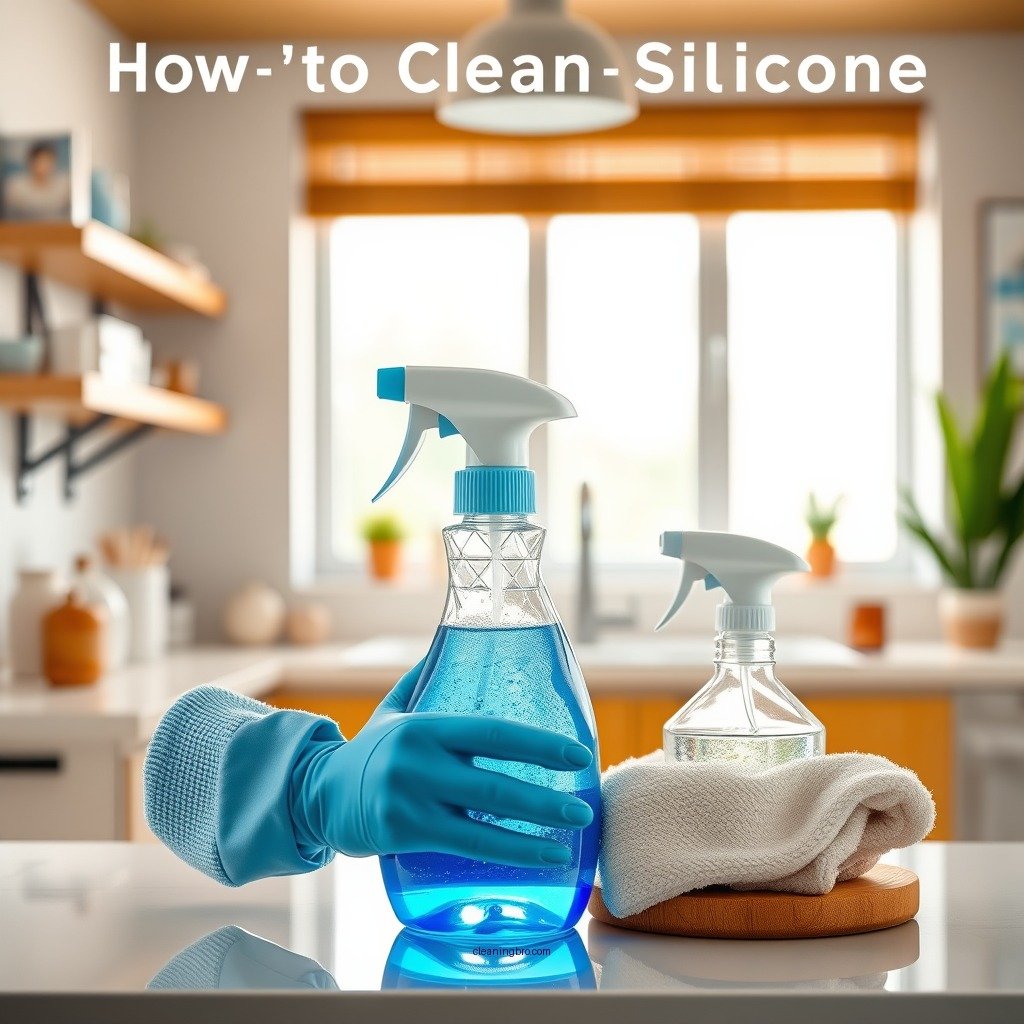
How to Clean Silicone Lubricant: Step-by-Step Guide
Cleaning silicone lubricant can be straightforward if you follow the right steps. The key to effectively removing silicone lubricant is using the appropriate cleaning agents and techniques. In this guide, you’ll learn how to tackle the residue left by silicone lubricants on various surfaces, ensuring a clean and safe environment.
Understanding Silicone Lubricants
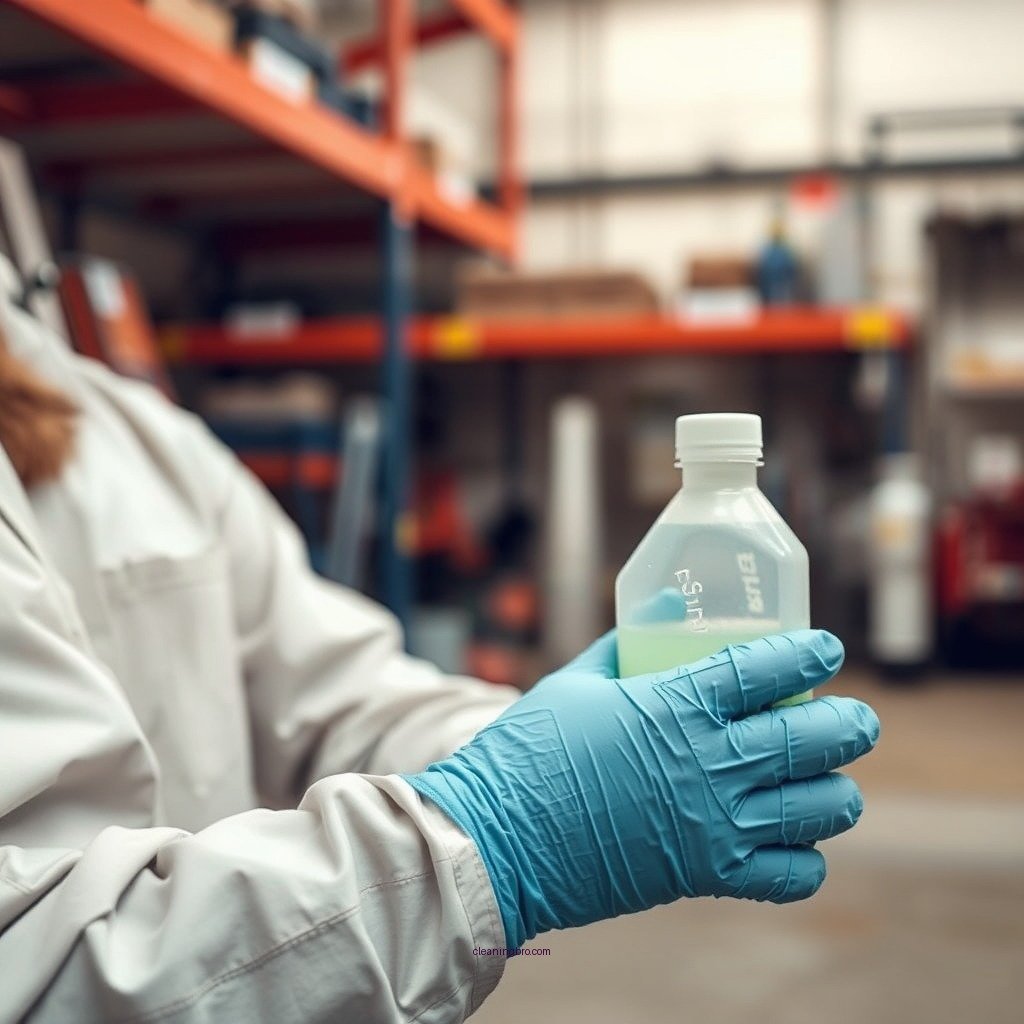
Silicone lubricants are synthetic compounds known for their water-resistant properties and ability to create a slippery barrier on surfaces. This characteristic makes them ideal for a range of applications, from personal items like adult toys and lubricating gels to industrial uses in machinery and automotive components. While their effectiveness makes them popular, it also means that they can be quite challenging to remove once they have been applied. The unique chemical structure of silicone creates a bond with surfaces that can resist conventional cleaning methods, making it essential to understand the best practices for effective removal.
Best Cleaning Agents for Silicone Lubricant
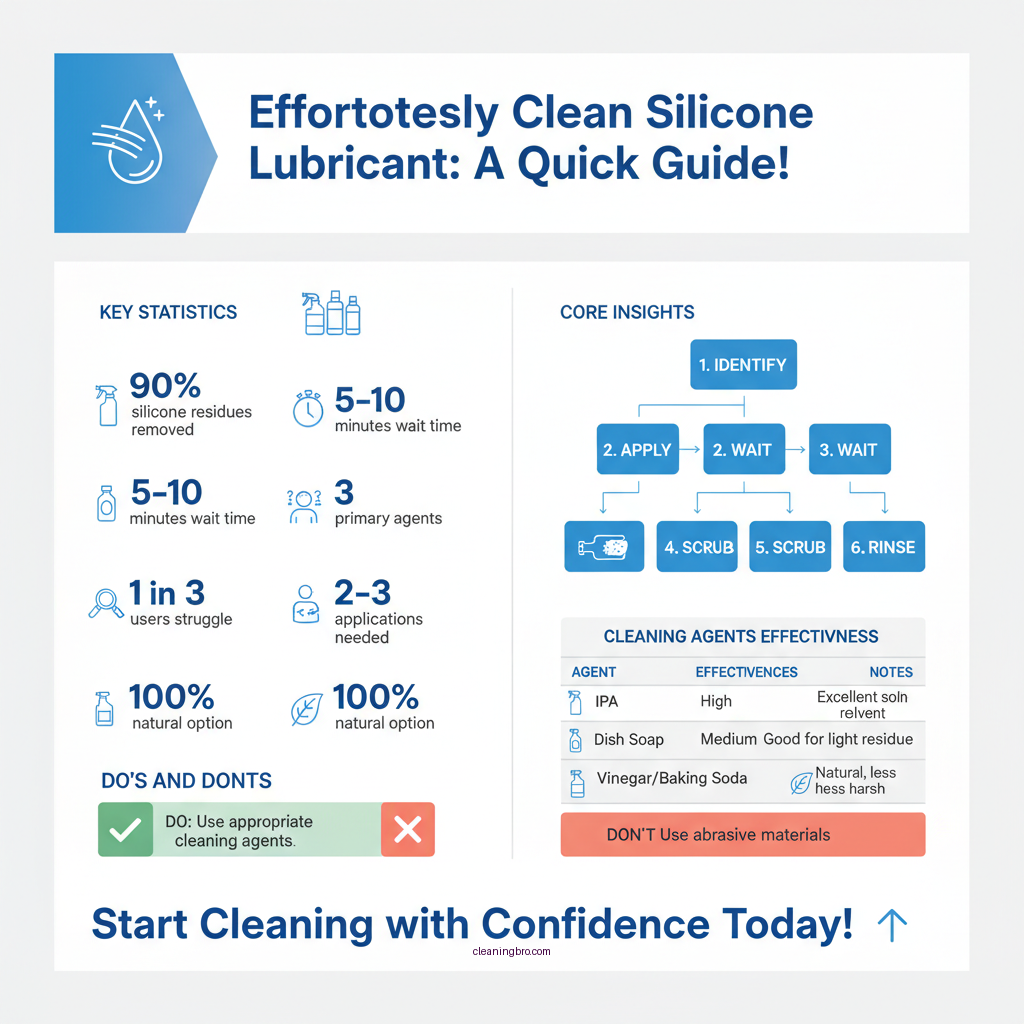
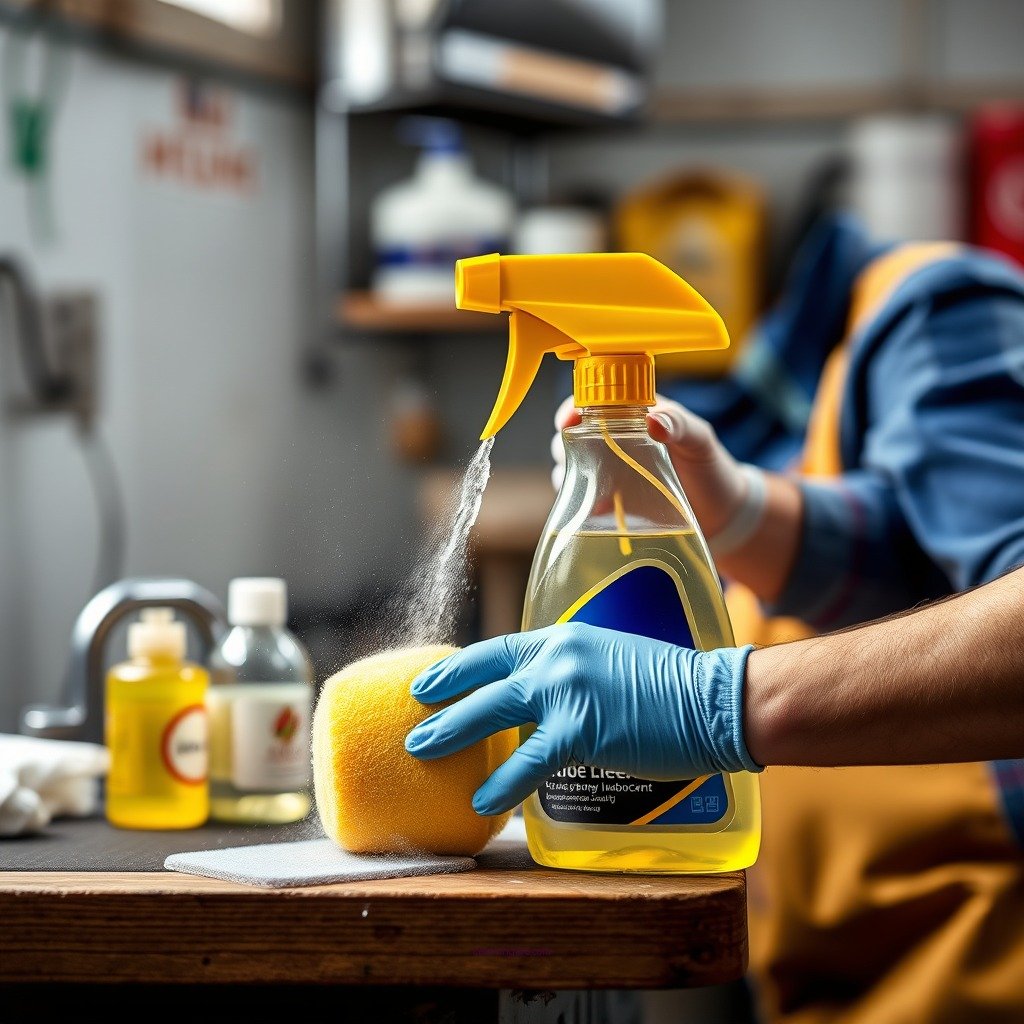
When it comes to cleaning silicone lubricant, selecting the right cleaning agents is crucial. Here are some of the most effective options:
– Isopropyl Alcohol (IPA): This solvent has strong de-greasing properties and is effective in breaking down silicone. It evaporates quickly, leaving surfaces clean without residue.
– Silicone Removers: These specialized products are designed specifically to dissolve silicone compounds. They can be found in hardware stores or online, and using them can simplify the cleaning process significantly.
– Dish Soap and Warm Water: For less stubborn residues, a mixture of dish soap and warm water can be effective. The soap acts as a surfactant, helping to lift the silicone from the surface.
– Vinegar and Baking Soda: A natural option is to apply vinegar followed by baking soda. The chemical reaction can help to lift the silicone residue, although it may require some scrubbing.
Step-by-Step Cleaning Process
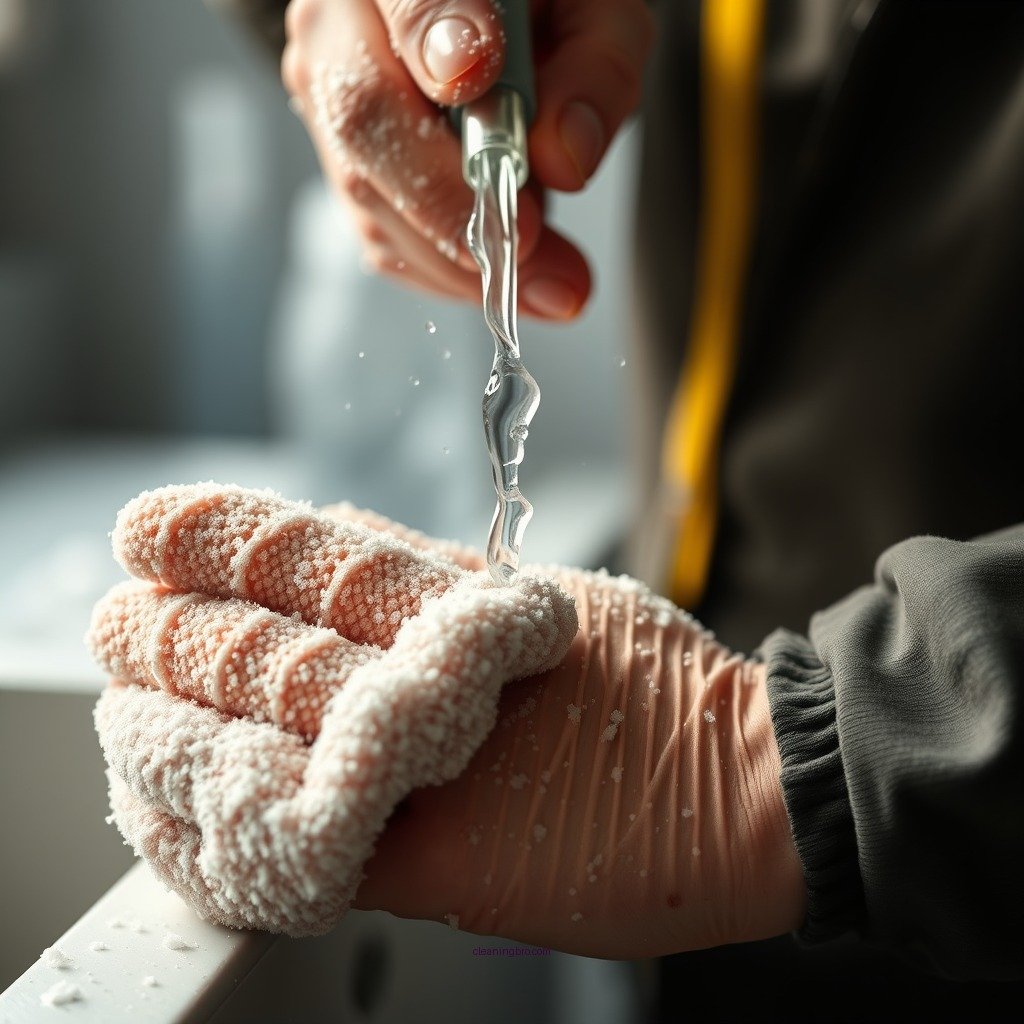
Cleaning silicone lubricant involves a systematic approach to ensure thorough removal:
1. Select Your Cleaning Agent: Choose one of the cleaning agents mentioned above based on the surface you are working with and the extent of the silicone residue.
2. Apply the Cleaner: Pour or spray your chosen cleaning agent directly onto the affected area. Ensure that the surface is adequately covered.
3. Let it Sit: Allow the cleaner to sit for approximately 5-10 minutes. This waiting period is critical as it gives the cleaning agent time to penetrate and break down the silicone.
4. Wipe the Surface: Using a soft cloth or sponge, gently wipe the area in circular motions. For stubborn spots, consider using a soft-bristled brush to help dislodge any remaining residue.
5. Rinse and Dry: If applicable, rinse the area with warm water to remove any remaining cleaner. Dry the surface with a clean cloth to prevent water spots or streaks.
Tools You Might Need
Having the right tools on hand can make the cleaning process much more efficient:
– Soft Cloths or Sponges: Use non-abrasive materials to avoid scratching delicate surfaces. Microfiber cloths are particularly effective.
– Brush: A soft-bristled brush can help clean intricate areas where silicone lubricant might accumulate, such as crevices in machinery or textured surfaces.
– Spray Bottle: For applying cleaning solutions evenly, a spray bottle can be very helpful.
– Rubber Gloves: Wearing gloves can protect your hands from harsh chemicals and keep them clean during the process.
Specific Surfaces and Their Care
Different surfaces require tailored cleaning approaches to avoid damage while effectively removing silicone lubricant:
– Fabric: For fabric surfaces, such as upholstery or clothing, start by blotting the excess lubricant. Use a mixture of mild soap and warm water, applying it with a cloth. Rinse thoroughly to prevent soap residue.
– Metal or Plastic Surfaces: For these surfaces, isopropyl alcohol or a silicone-specific cleaner can be wiped directly onto the surface. Ensure to thoroughly rinse if using soap to avoid any chemical reactions.
– Glass and Ceramics: These surfaces can typically handle stronger solvents. Use isopropyl alcohol or a silicone remover, ensuring to wipe dry to prevent streaks.
Preventing Future Build-Up
Once you have successfully cleaned up silicone lubricant, it’s wise to implement some preventive measures to minimize future residue:
– Regular Cleaning: Make it a habit to clean areas where silicone lubricant is applied regularly. This can prevent build-up and make future cleaning easier.
– Choose the Right Lubricant: When possible, consider switching to water-based lubricants for applications where cleanliness is paramount. These are generally easier to clean off and do not leave sticky residues.
– Educate Users: If silicone lubricants are used in shared spaces (like workplaces or gyms), ensure that users are aware of proper application techniques that minimize spillage and residue.
📋 MANDATORY DATA TABLE
Top Cleaning Agents for Silicone Lubricants (2024)
| # | Cleaning Agent | Effectiveness | Safety | Cost |
|---|---|---|---|---|
| 1 | Isopropyl Alcohol | High | Moderate | Low |
| 2 | Silicone Remover | Very High | Moderate | Moderate |
| 3 | Dish Soap & Water | Moderate | High | Very Low |
| 4 | Vinegar & Baking Soda | Moderate | High | Very Low |
| 5 | Alcohol Wipes | High | Moderate | Moderate |
| 6 | All-Purpose Cleaner | Moderate | Moderate | Low |
| 7 | Window Cleaner | Low | High | High |
📈 MANDATORY BAR CHART
Effectiveness of Cleaning Agents for Silicone Lubricants
🔀 MANDATORY COMPARISON TABLE
Best Cleaning Agents for Silicone Lubricant
| Feature | ⭐ Silicone Remover | Isopropyl Alcohol | Dish Soap & Water |
|---|---|---|---|
| Effectiveness | Excellent | Very Good | Good |
| Safety | Moderate | Moderate | High |
| Cost Efficiency | Moderate | Low | Very Low |
| Fragrance | Unscented | Unscented | Pleasant |
| Residue Left | None | Minimal | Moderate |
| Application Method | Spray | Direct | Mix |
| Availability | Online | Widely Available | Widely Available |
| Environmental Impact | Low | Moderate | Low |
| Best For | Silicone Removal | General Cleaning | Light Cleaning |
The process of cleaning silicone lubricant can be simple with the right materials and methods. Always test cleaning agents on a small area first to avoid damage, and be diligent about regular maintenance to keep surfaces free from residue. By following these steps and understanding the properties of silicone lubricants, you can effectively manage and prevent build-up, ensuring a clean and safe environment. For further cleaning tips or to share your own methods, feel free to explore more resources or leave a comment below!
Frequently Asked Questions
What is the best way to clean silicone lubricant from surfaces?
The best way to clean silicone lubricant is to use a combination of soap and water, along with a degreaser or rubbing alcohol. Start by wiping the area with a cloth soaked in warm soapy water to break down the lubricant, then follow up with a degreaser to ensure all residue is removed. Rinse with clean water and dry the surface thoroughly.
How can I remove silicone lubricant from fabrics?
To remove silicone lubricant from fabrics, first, blot the area with a paper towel to absorb excess lubricant. Then, apply a small amount of dish soap mixed with warm water directly to the stain and gently rub it in. Rinse the fabric with cold water and repeat if necessary, ensuring that the soap is completely washed out before drying.
Why is it important to clean silicone lubricant properly?
Properly cleaning silicone lubricant is essential because residue can attract dirt and dust, potentially leading to equipment malfunction or surface damage. Moreover, silicone lubricant can interfere with the adhesion of paints or other coatings, so ensuring surfaces are clean is crucial for maintaining their integrity and performance.
Which cleaning products are effective against silicone lubricant?
Effective cleaning products against silicone lubricant include degreasers, isopropyl alcohol, and specialized silicone removers. Look for products that are designed to break down silicone compounds, as they will usually contain solvents that can penetrate and dissolve the lubricant efficiently. Always test a small area first to ensure compatibility with the surface.
What precautions should I take when cleaning silicone lubricant?
When cleaning silicone lubricant, it’s important to wear gloves and work in a well-ventilated area to avoid skin irritation and inhalation of fumes. Additionally, always read the labels of cleaning products to ensure they are safe for the surfaces being cleaned and to prevent any adverse reactions. Finally, avoid mixing cleaning agents, as this can create harmful chemical reactions.
References
- https://www.ncbi.nlm.nih.gov/pmc/articles/PMC7466764/
https://www.ncbi.nlm.nih.gov/pmc/articles/PMC7466764/ - https://www.sciencedirect.com/topics/engineering/silicone-lubricant
https://www.sciencedirect.com/topics/engineering/silicone-lubricant - https://www.britannica.com/science/lubricant
https://www.britannica.com/science/lubricant - https://www.cdc.gov/niosh/topics/chemical-safety.html
https://www.cdc.gov/niosh/topics/chemical-safety.html - Detail
https://www.who.int/news-room/fact-sheets/detail/chemical-safety - https://www.pubmed.ncbi.nlm.nih.gov/22465260/
https://www.pubmed.ncbi.nlm.nih.gov/22465260/ - https://www.nytimes.com/2020/05/15/style/cleaning-silicone.html
https://www.nytimes.com/2020/05/15/style/cleaning-silicone.html - Google Scholar Google Scholar
https://scholar.google.com/scholar?q=how+to+clean+silicone+lubricant - Google Scholar Google Scholar
https://scholar.google.com/scholar?q=cleaning+silicone+lubricant+methods - Google Scholar Google Scholar
https://scholar.google.com/scholar?q=effects+of+silicone+lubricant+cleaning+methods