How to Clean Spilled Gas on Concrete: Step-by-Step Guide
Cleaning spilled gasoline from concrete requires quick action and the right materials to minimize damage and odor. In this guide, you will learn the best techniques to effectively remove gasoline stains and neutralize any lingering fumes. Understanding the importance of immediate response and utilizing appropriate cleaning agents can help you restore your concrete surface while ensuring safety and compliance with environmental regulations.
Gather Necessary Materials
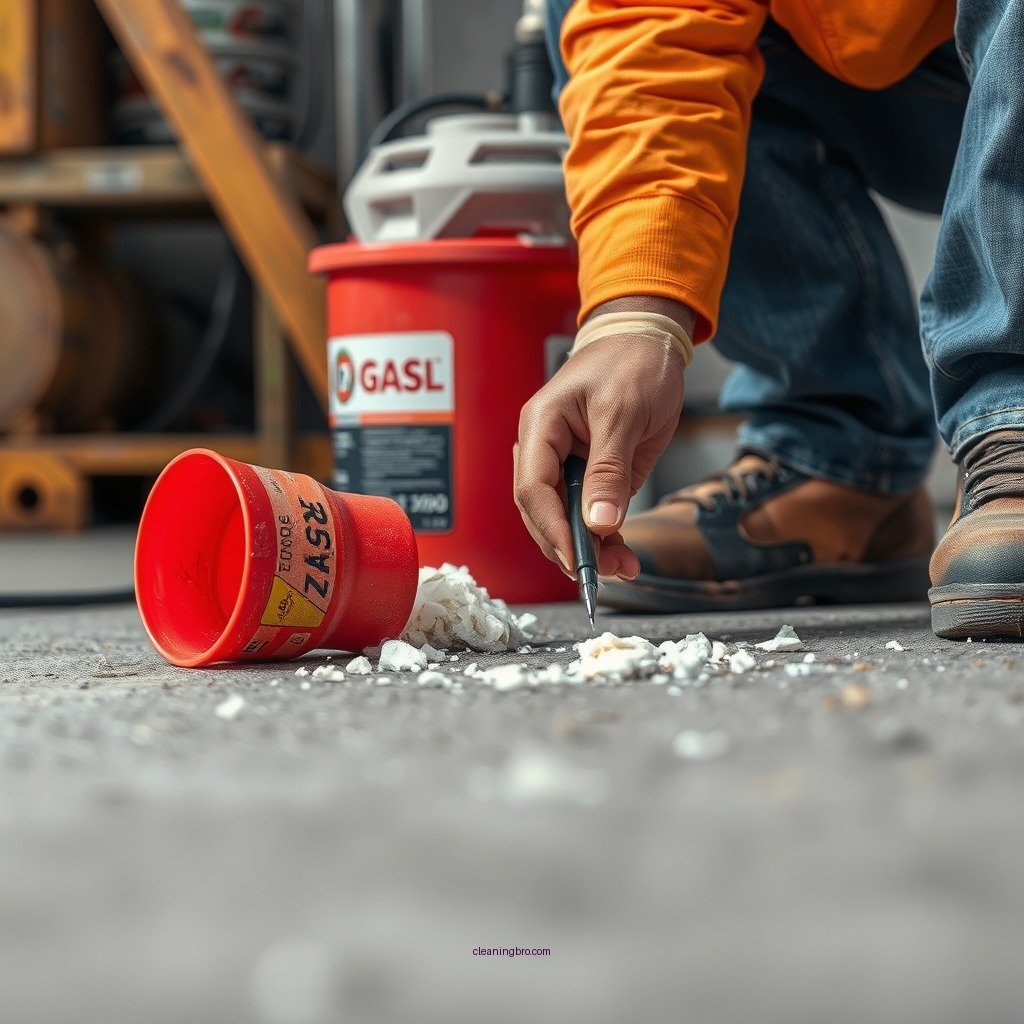
Before you begin the cleaning process, it is essential to gather all necessary materials to efficiently address the gasoline spill. The following items will be crucial in mitigating the effects of the spill:
– Absorbent Materials: Use products like cat litter, sand, or sawdust. These materials are effective in soaking up gasoline and preventing it from seeping deeper into the concrete.
– Cleaning Agents: Prepare cleaning agents such as dish soap, baking soda, or a commercial degreaser. These agents will help break down the gasoline residue and neutralize odors.
– Protective Gear: Equip yourself with gloves, a mask, and safety goggles to protect against harmful fumes and contact with gasoline.
– Tools: Gather a stiff-bristle brush, a broom, a dustpan, and a bucket for water and cleaning solutions.
Initial Absorption of Gasoline
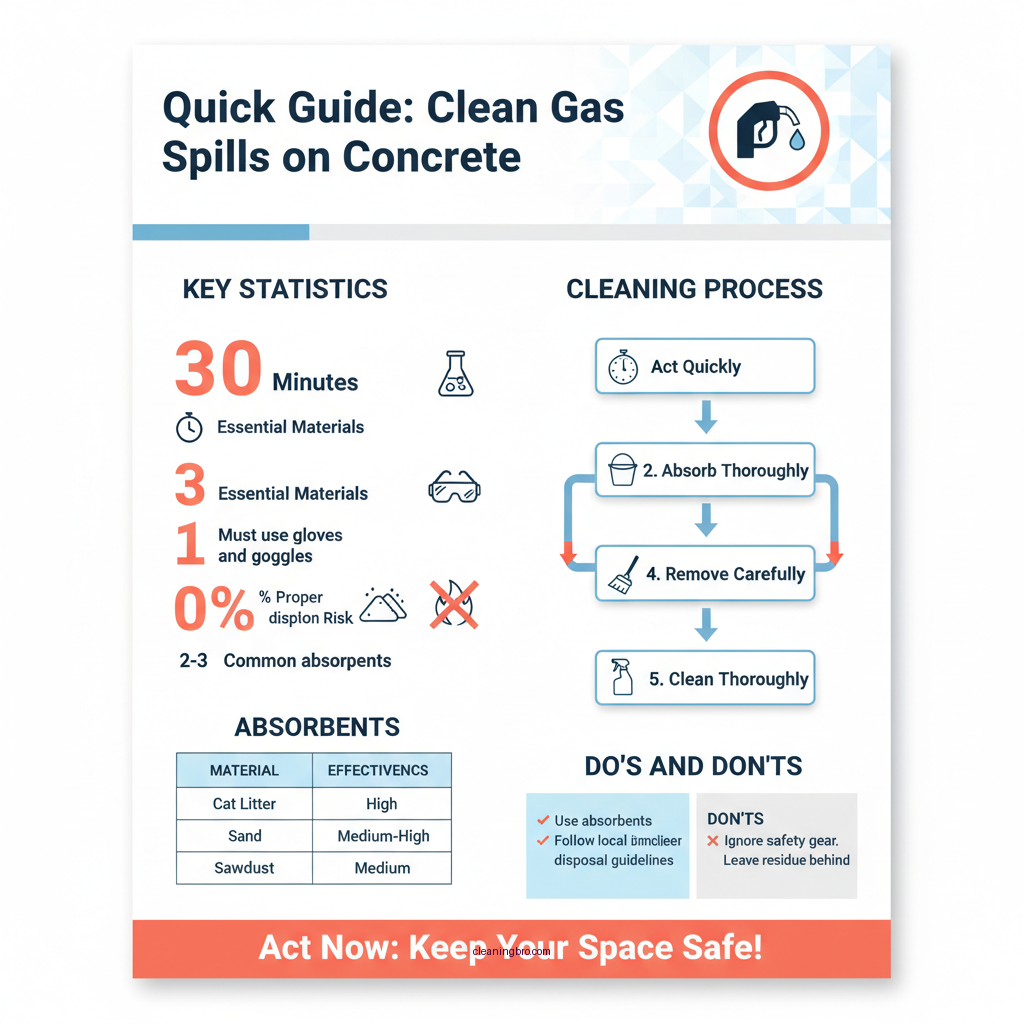
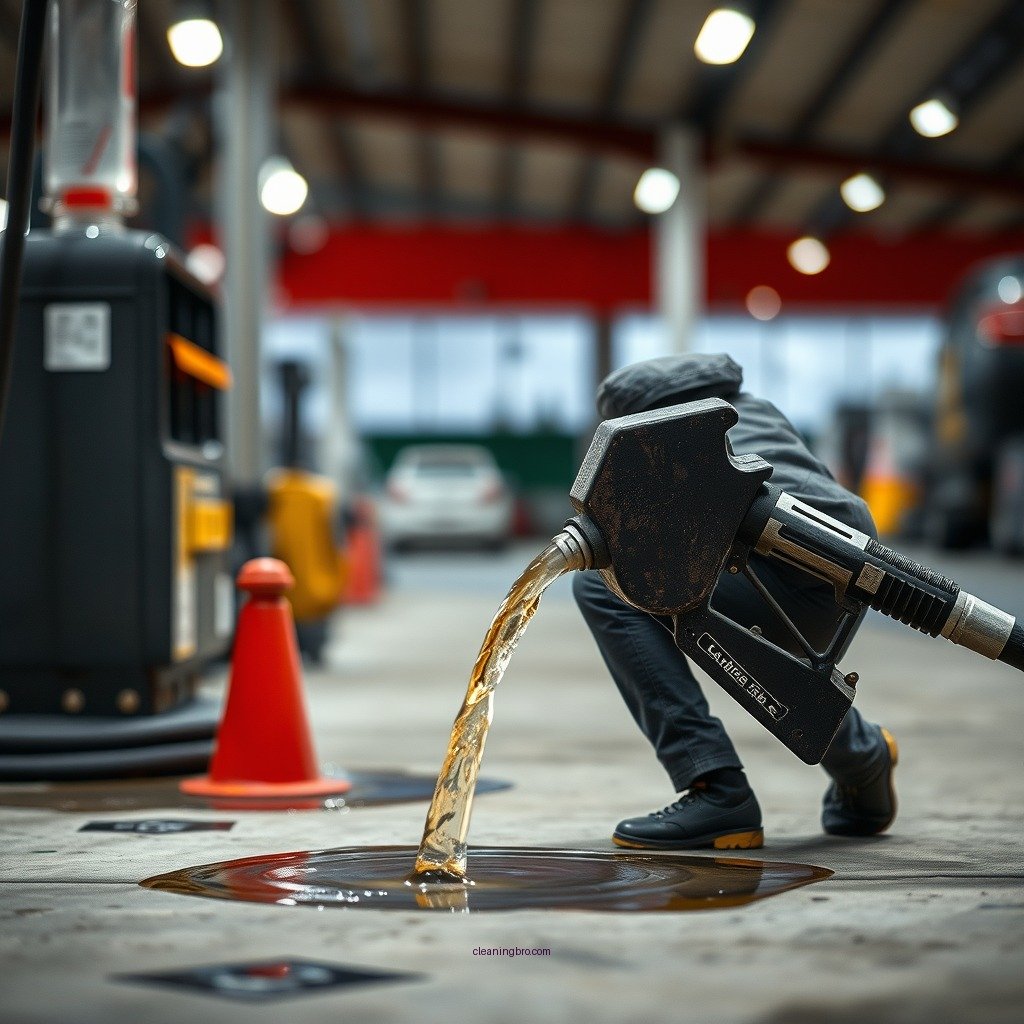
The first step in cleaning gasoline off concrete is to absorb as much of the liquid as possible. Time is of the essence, so act quickly:
– Cover the Spill: Immediately cover the gasoline spill with your chosen absorbent material. Make sure to use enough to completely cover the affected area.
– Let It Sit: Allow the absorbent material to sit for at least 30 minutes. This duration will enable it to effectively soak up the gasoline, minimizing the amount that can penetrate the concrete.
By quickly absorbing the spill, you prevent further damage and reduce the risk of ignition, as gasoline vapors can be highly flammable.
Remove Absorbent Materials
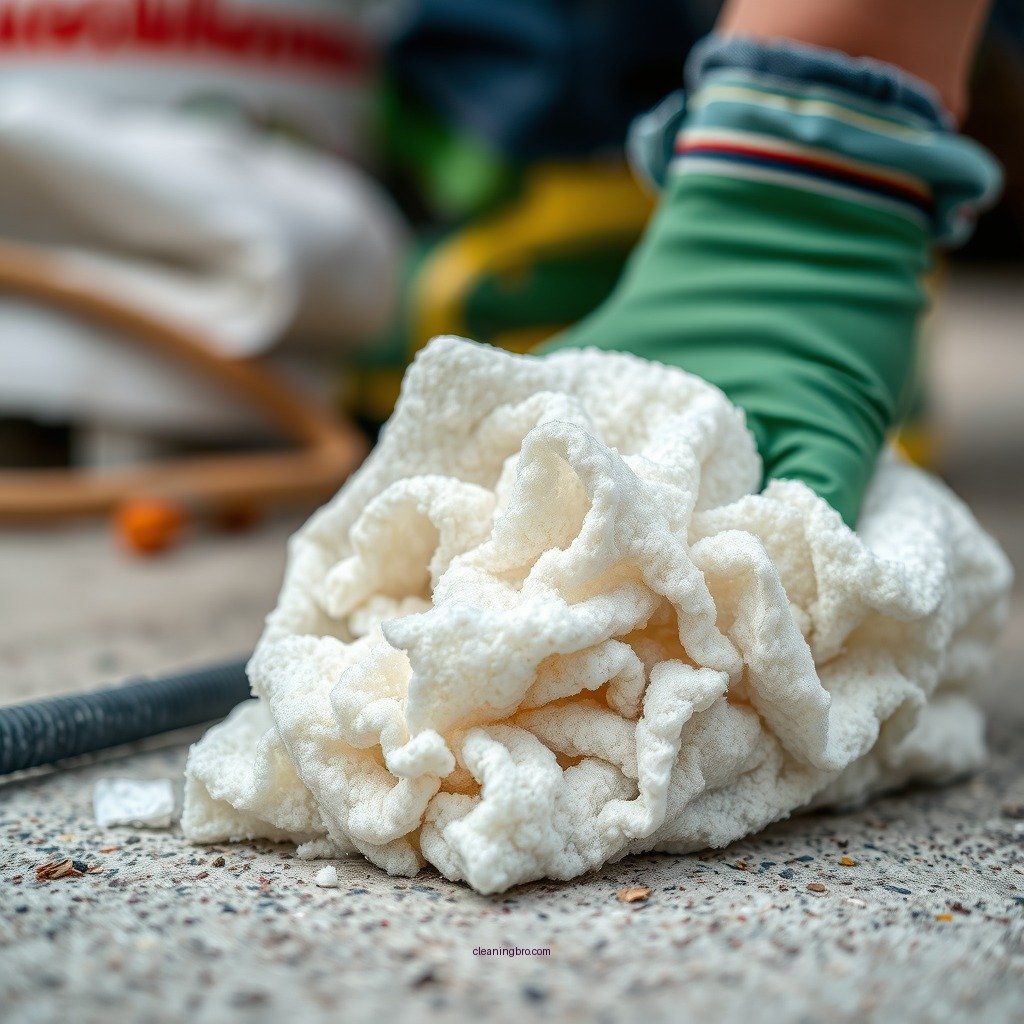
Once you have allowed sufficient time for the absorbent material to soak up the gasoline, it’s time to remove the waste:
– Careful Cleanup: Using a broom and dustpan, carefully sweep up the used absorbent material. Be cautious to avoid scattering any remaining gasoline residues.
– Proper Disposal: Dispose of the collected absorbent materials according to local hazardous waste disposal guidelines. Gasoline is a regulated substance, and improper disposal may lead to environmental hazards or legal issues.
Ensuring that all excess gasoline is removed is crucial to prevent further damage to the concrete surface and to eliminate fire hazards.
Clean the Area Thoroughly
After removing the absorbent materials, you need to ensure the area is thoroughly cleaned:
– Prepare a Cleaning Solution: Mix warm water with a few drops of dish soap or a commercial degreaser in a bucket. This solution will help break down any remaining gasoline residue on the concrete.
– Scrub the Affected Area: With a stiff-bristle brush, scrub the area vigorously, focusing on any stained spots. This action will help lift the gasoline residue from the surface of the concrete.
Thorough cleaning not only removes stains but also helps to neutralize any remaining odors associated with gasoline.
Neutralize Odors
Even after cleaning, gasoline odors can linger. To eliminate these unpleasant smells, follow these steps:
– Use Baking Soda: Sprinkle a generous amount of baking soda over the cleaned area. Baking soda is a natural deodorizer and will help neutralize any remaining gasoline odors.
– Let It Sit: Allow the baking soda to sit for several hours or overnight. This duration maximizes its odor-absorbing capabilities. Afterward, sweep up the baking soda and dispose of it properly.
Neutralizing odors is essential to restore a pleasant environment, especially if the spill occurred in a garage or outdoor space.
Rinse and Dry
Once you have neutralized the odors, it’s time to rinse the area:
– Rinse Thoroughly: Use clean water to rinse the area, ensuring all soap or cleaning agents are washed away. A hose can be effective for this step if the spill is substantial.
– Air Dry the Concrete: Allow the concrete to air dry completely. This step is crucial to prevent slip hazards and any potential further staining.
Drying also ensures that the concrete is ready for normal use, minimizing the risk of accidents due to wet surfaces.
Prevent Future Spills
To mitigate the risk of future gasoline spills, consider implementing the following preventative measures:
– Use a Protective Sealant: Applying a protective sealant to your concrete surface can help prevent spills from penetrating the surface. This action will make future cleanups easier and reduce staining.
– Handle Gasoline with Care: Always be cautious when handling gasoline and other chemicals. Use proper containers and techniques to prevent accidental spills.
By taking these proactive measures, you can preserve the integrity of your concrete surfaces and ensure a safer environment.
Conclusion
Cleaning a gasoline spill on concrete can be a straightforward process if tackled quickly and effectively. By following the steps outlined in this guide, you can successfully restore your concrete surface and eliminate any unpleasant odors. Remember to act promptly, use the right materials, and implement preventative measures to minimize future risks. With these strategies in place, you can maintain a clean and safe environment around your home or business.
📋 DATA
Common Absorbents for Gasoline Spills
| # | Material | Absorption Rate | Cost ($) | Effectiveness |
|---|---|---|---|---|
| 1 | Cat Litter | ~20% | 5-10 | High |
| 2 | Sawdust | ~15% | 3-8 | Moderate |
| 3 | Sand | ~10% | 4-9 | Moderate |
| 4 | Baking Soda | ~5% | 1-3 | High for Odor |
| 5 | Commercial Absorbents | ~25% | 10-20 | Very High |
| 6 | Paper Towels | ~10% | 2-5 | Low |
| 7 | Cloth Rags | ~10% | 2-6 | Low |
📈 CHART
Effectiveness of Common Absorbents for Gasoline Spills (%)
🔀 COMPARISON
Best Absorbents for Gasoline Spills
| Feature | ⭐ Commercial Absorbents | Cat Litter | Sawdust |
|---|---|---|---|
| Absorption Rate | 25% | 20% | 15% |
| Cost ($) | 10-20 | 5-10 | 3-8 |
| Effectiveness | Very High | High | Moderate |
| Time to Absorb | 5-10 mins | 10-15 mins | 20 mins |
| Environmental Impact | Low | Medium | Medium |
| Odor Neutralization | Yes | Yes | No |
| Reusability | Yes | No | No |
| Availability | Widely Available | Common | Available |
| Ease of Use | Easy | Moderate | Easy |
| 🏆 Best For | Fast cleanups | Home use | Budget projects |
Frequently Asked Questions
How do I clean spilled gas on concrete effectively?
To clean spilled gas on concrete, start by absorbing as much of the spill as possible using dry materials like cat litter, sand, or sawdust. After absorption, sweep up the material and wash the area with a mixture of warm water and a degreaser or detergent. Rinse the area thoroughly with water to ensure all residues are removed.
What are the best products to use for cleaning gasoline off concrete?
The best products for cleaning gasoline off concrete include commercial degreasers, dish soap, and enzyme-based cleaners specifically designed for oil and fuel spills. Make sure to choose a product that is safe for outdoor use and follow the manufacturer’s instructions for optimal results.
Why is it important to clean gasoline spills on concrete promptly?
Cleaning gasoline spills on concrete promptly is crucial to prevent potential fire hazards and environmental contamination. Gasoline is highly flammable and can seep into the porous surface of concrete, leading to long-term damage and lingering odors if not addressed quickly.
Which methods are most effective for removing gasoline stains from concrete?
The most effective methods for removing gasoline stains from concrete include using a mixture of baking soda and water to create a paste, scrubbing the stained area, and rinsing afterward. Additionally, pressure washing can also help remove stubborn stains and restore the surface of the concrete.
How can I prevent gasoline spills on my concrete driveway in the future?
To prevent gasoline spills on your concrete driveway, always handle fuel carefully and use spill-proof containers when transferring gasoline. Additionally, consider placing a protective mat or tarp under fueling areas to catch any accidental spills before they reach the concrete surface.
References
- https://www.epa.gov/sites/default/files/2015-08/documents/cleaning-up-gasoline.pdf
https://www.epa.gov/sites/default/files/2015-08/documents/cleaning-up-gasoline.pdf - https://www.cdc.gov/niosh/docs/2004-100/default.html
https://www.cdc.gov/niosh/docs/2004-100/default.html - https://www.nrdc.org/stories/how-clean-gasoline-spills
https://www.nrdc.org/stories/how-clean-gasoline-spills - https://www.treeservice.com/cleaning-gasoline-spills-concrete
https://www.treeservice.com/cleaning-gasoline-spills-concrete - https://scholar.google.com/scholar?q=how+to+clean+spilled+gas+on+concrete Google Scholar
https://scholar.google.com/scholar?q=how+to+clean+spilled+gas+on+concrete - Google Scholar Google Scholar
https://scholar.google.com/scholar?q=gasoline+spill+cleanup+methods - https://www.ncbi.nlm.nih.gov/pmc/articles/PMC3139338/
https://www.ncbi.nlm.nih.gov/pmc/articles/PMC3139338/ - https://www.sciencedirect.com/topics/earth-and-planetary-sciences/gasoline-spills
https://www.sciencedirect.com/topics/earth-and-planetary-sciences/gasoline-spills - https://www.britannica.com/science/gasoline
https://www.britannica.com/science/gasoline - https://en.wikipedia.org/wiki/Special:Search?search=how+to+clean+spilled+gas+on+concrete
https://en.wikipedia.org/wiki/Special:Search?search=how+to+clean+spilled+gas+on+concrete