How to Deep Clean a Mouthguard: Effective Methods
To deep clean your mouthguard effectively, start by rinsing it with warm water and using a gentle toothbrush to remove surface debris. Following this, there are several methods you can employ to ensure thorough sanitation. This article will guide you through the best practices for maintaining your mouthguard’s hygiene and extending its lifespan. A well-maintained mouthguard not only ensures your oral health but also enhances comfort and performance, making it an essential part of your daily routine.
Understanding the Importance of Cleaning Your Mouthguard
Cleaning your mouthguard is not merely a matter of hygiene; it is crucial for preventing bacteria buildup that can lead to various oral health issues, such as gum disease, tooth decay, and bad breath. Over time, saliva and food particles can accumulate, creating an environment conducive to bacterial growth. Regular cleaning helps mitigate these risks and ensures that your mouthguard remains a safe and effective tool for protecting your teeth during activities like sports or teeth grinding.
Moreover, a clean mouthguard enhances comfort and performance during use. An unclean mouthguard can become sticky or develop an unpleasant odor, making it less comfortable to wear. By adhering to a proper cleaning routine, you can maintain the integrity of your mouthguard, ensuring it fits well and provides the protection it was designed for.
Basic Cleaning Routine
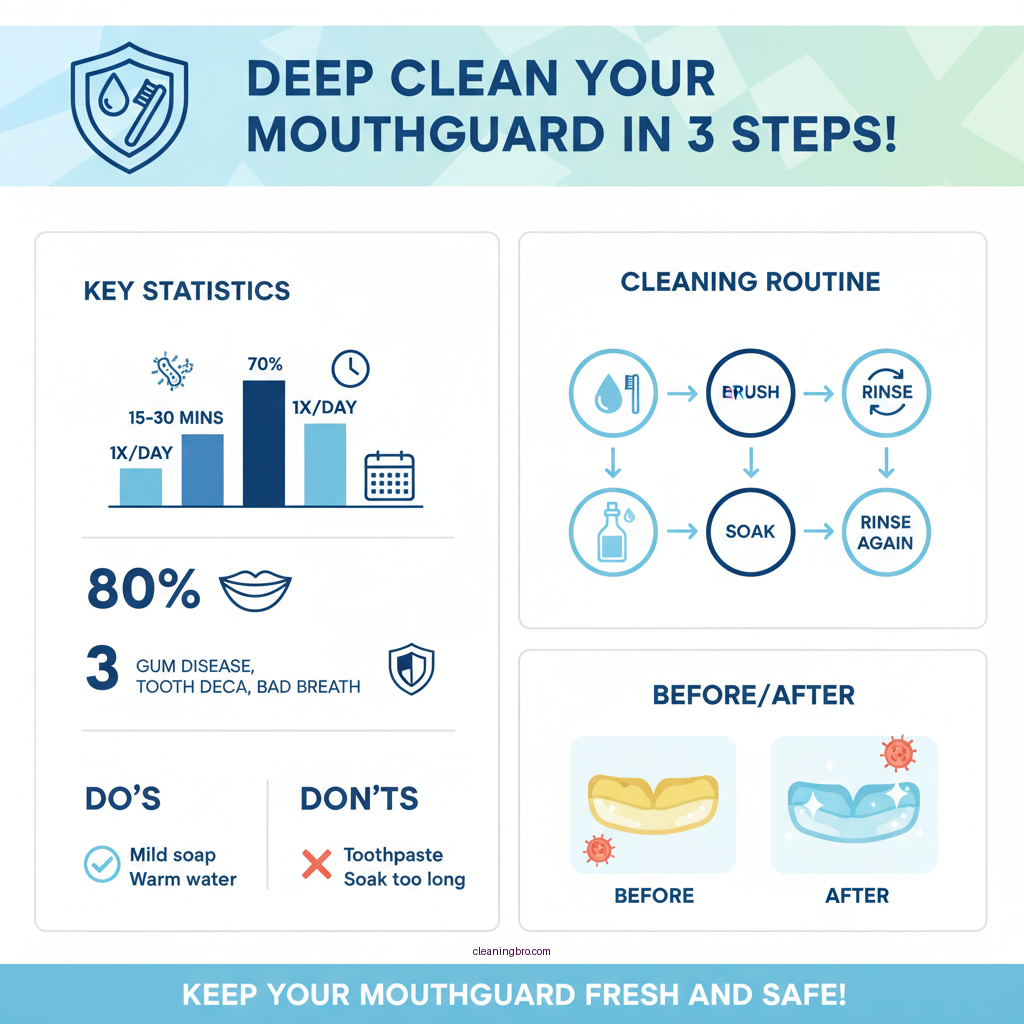
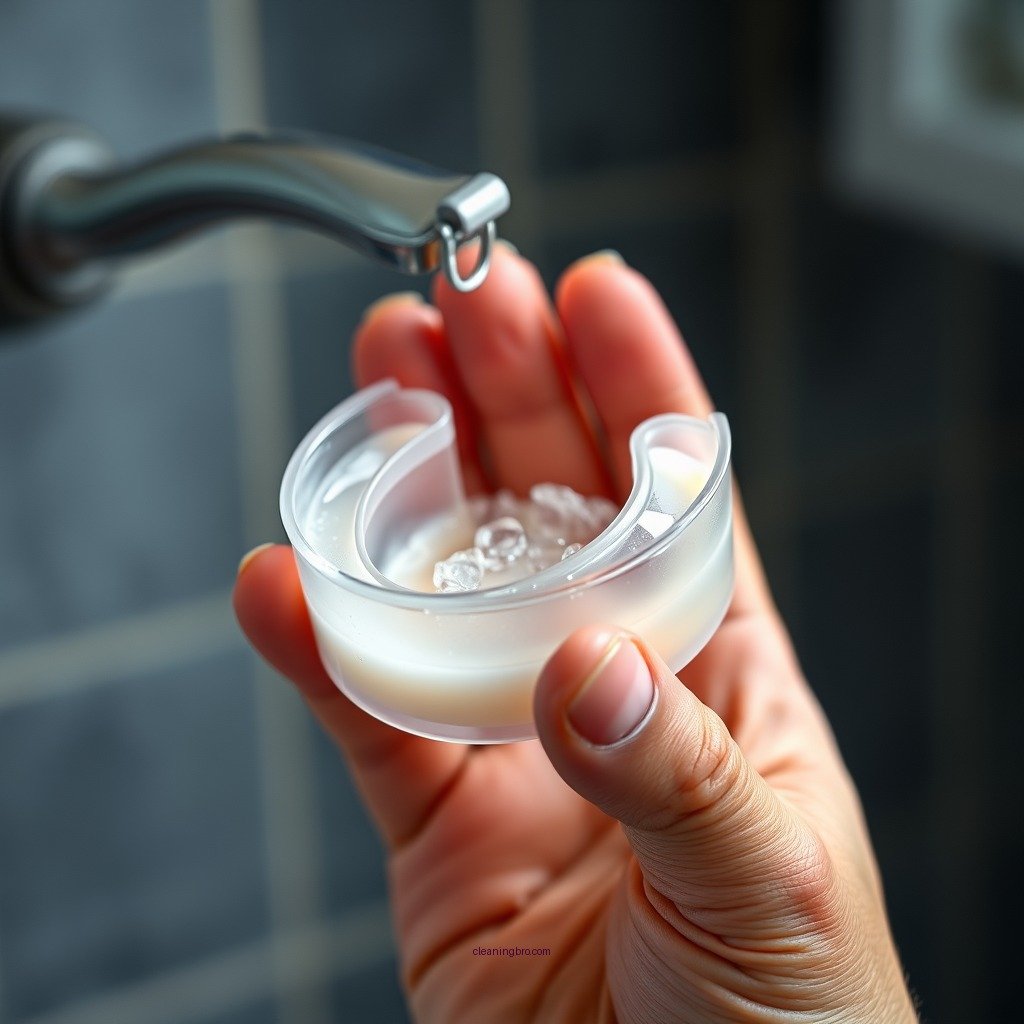
An effective cleaning routine for your mouthguard involves a few simple steps that should be followed every time you use it. First, rinse it thoroughly with warm water before and after each use. This initial rinse helps to remove saliva and any surface debris that may have accumulated during wear.
For daily upkeep, it is advisable to brush your mouthguard lightly with a soft-bristle toothbrush and mild soap. Avoid using toothpaste, as it can be abrasive and potentially damage the material of the mouthguard. Instead, opt for a gentle dish soap that is free from strong fragrances and dyes. Rinse the mouthguard thoroughly after brushing to ensure that no soap residue remains, which could irritate your mouth.
Deep Cleaning Methods
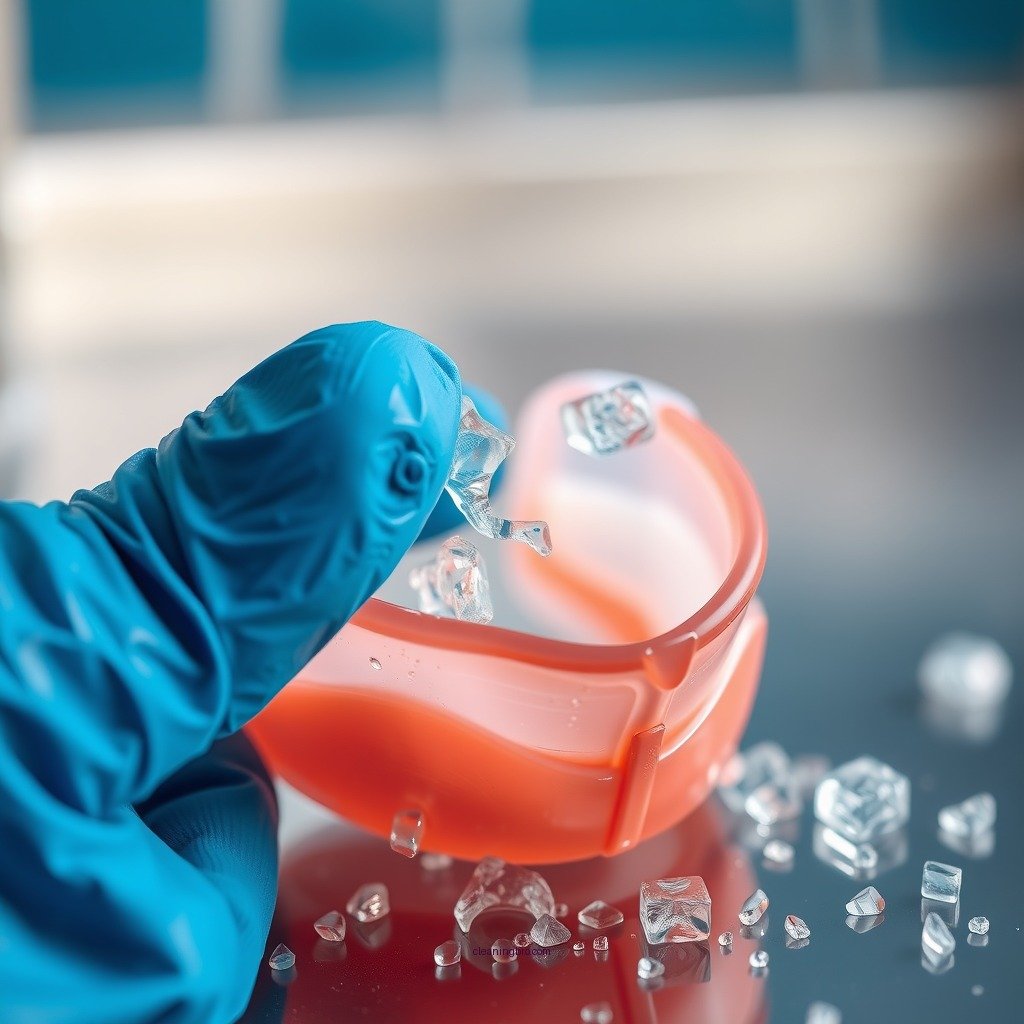
While basic cleaning should be a routine practice, deep cleaning is essential for maintaining the overall hygiene of your mouthguard. Here are two effective methods for deep cleaning:
1. Vinegar Solution: Soaking your mouthguard in a solution of equal parts water and white vinegar for 15-30 minutes can effectively disinfect it. Vinegar has natural antibacterial properties that help eliminate germs and odors. After soaking, rinse the mouthguard thoroughly with warm water and allow it to air dry.
2. Denture Cleaning Tablets: Another excellent option is to use denture cleaning tablets. Simply dissolve a tablet in warm water and soak your mouthguard in the solution for the time recommended on the packaging, usually around 15-20 minutes. This method not only cleans but also helps to eliminate any lingering odors. After soaking, rinse well and let it dry completely.
Signs Your Mouthguard Needs a Deep Clean
It is essential to be attentive to any signs that your mouthguard may require a deep clean. Here are some indicators to watch for:
– Foul Odor: If you notice a persistent bad smell emanating from your mouthguard, it is a clear sign that bacteria and food particles have built up, necessitating a more thorough cleaning approach.
– Visible Discoloration: Any discoloration or buildup on the surface of the mouthguard is a signal that it needs to be cleaned deeply. Regular deep cleaning can help maintain the appearance and hygiene of your mouthguard.
Maintenance Tips for Longevity
To extend the lifespan of your mouthguard and keep it in optimal condition, follow these maintenance tips:
– Proper Storage: Always store your mouthguard in a ventilated case when not in use. A dry, breathable environment prevents moisture buildup, which can lead to bacteria growth.
– Avoid High Heat: Do not expose your mouthguard to high heat or direct sunlight, as this can cause it to warp or lose its shape. Instead, keep it in a cool, dry place.
– Regular Inspections: Periodically check your mouthguard for any signs of wear and tear, such as cracks or changes in fit. Addressing these issues promptly can prevent further damage.
When to Replace Your Mouthguard
Despite regular cleaning and maintenance, there comes a time when your mouthguard will need to be replaced. Here are some guidelines:
– Signs of Wear and Tear: If you notice cracks, chips, or any significant changes in fit, it is time to invest in a new mouthguard. A compromised mouthguard will not provide adequate protection.
– Consult Your Dentist: If you are unsure about the condition of your mouthguard or if it still effectively protects your teeth, consult with your dentist. They can provide valuable insights and recommendations based on your specific needs.
Keeping your mouthguard clean is essential for both hygiene and performance. By following these methods, you can ensure your mouthguard remains in top condition, providing you with the protection you need. Remember to implement a consistent cleaning routine and replace it when necessary for optimal oral health.
Top 7 Mouthguard Cleaning Methods (2024)
| # | Cleaning Method | Effectiveness | Time Required | Cost |
|---|---|---|---|---|
| 1 | Vinegar Solution | High | 30 mins | Low |
| 2 | Denture Tablets | Very High | 20 mins | Moderate |
| 3 | Soap and Water | Moderate | 5 mins | Very Low |
| 4 | Hydrogen Peroxide | High | 10 mins | Low |
| 5 | Baking Soda | Moderate | 15 mins | Very Low |
| 6 | Ultrasonic Cleaner | Very High | Varies | High |
| 7 | Steam Cleaning | Very High | Varies | Moderate |
Effectiveness of Mouthguard Cleaning Methods (%)
Top 3 Mouthguard Cleaning Solutions
| Feature | ⭐ Denture Tablets | Vinegar Solution | Hydrogen Peroxide |
|---|---|---|---|
| Effectiveness | Very High | High | High |
| Time Required | 20 mins | 30 mins | 10 mins |
| Cost | Moderate | Low | Low |
| User Friendly | ✅ | ✅ | ✅ |
| Natural Ingredients | ❌ | ✅ | ✅ |
| Disinfectant Properties | ✅ | ✅ | ✅ |
| Odor Removal | ✅ | ✅ | ✅ |
| Availability | Widely Available | Common | Common |
| 🏆 Best For | Quick and effective cleaning | Natural cleaning | Chemical disinfectant |
In summary, maintaining a clean mouthguard is essential for both hygiene and performance. By incorporating regular cleaning and deep cleaning methods into your routine, you can ensure your mouthguard remains effective and safe. Pay attention to signs of wear and replace it when necessary. With these practices, you can help protect your oral health and enhance your overall experience with your mouthguard.
Frequently Asked Questions
How often should I deep clean my mouthguard?
You should deep clean your mouthguard at least once a week to prevent buildup of bacteria, plaque, and odors. Regular cleaning not only ensures better oral hygiene but also prolongs the lifespan of your mouthguard. If you use it frequently for sports or sleep, consider cleaning it more often.
What are the best methods to deep clean a mouthguard?
The best methods to deep clean a mouthguard include soaking it in a mixture of warm water and mild dish soap for 30 minutes, or using a specialized denture cleaner. You can also use a solution of equal parts water and white vinegar to disinfect the mouthguard. After soaking, be sure to brush it gently with a soft toothbrush to remove any remaining debris.
Why is it important to deep clean my mouthguard regularly?
Regular deep cleaning of your mouthguard is crucial to prevent the buildup of harmful bacteria and plaque, which can lead to oral infections and bad breath. A clean mouthguard also ensures that it fits comfortably and functions effectively during use, whether for sports or sleep.
Which products should I avoid when cleaning my mouthguard?
Avoid using harsh chemicals, bleach, or abrasive cleaners when cleaning your mouthguard, as these can damage the material and compromise its effectiveness. Additionally, avoid using toothpaste, as it can scratch the surface and create areas for bacteria to thrive. Stick to gentle cleansers or natural solutions for the best results.
How can I store my mouthguard after cleaning it?
After cleaning your mouthguard, store it in a ventilated case to keep it dry and free from contaminants. Ensure the case is clean and dry as well; this helps prevent mold and bacteria. Avoid leaving your mouthguard in direct sunlight or in hot environments, as heat can warp its shape.
References
- https://www.mayoclinic.org/healthy-lifestyle/adult-health/in-depth/dental-care/art-20046118
https://www.mayoclinic.org/healthy-lifestyle/adult-health/in-depth/dental-care/art-20046118 - https://www.ncbi.nlm.nih.gov/pmc/articles/PMC4760861/
https://www.ncbi.nlm.nih.gov/pmc/articles/PMC4760861/ - https://www.webmd.com/oral-health/guide/mouthguards
https://www.webmd.com/oral-health/guide/mouthguards - Athletic Mouth Protectors (Mouthguards) | American Dental Association
https://www.ada.org/en/member-center/oral-health-topics/mouthguards - https://www.ncbi.nlm.nih.gov/pmc/articles/PMC5607114/
https://www.ncbi.nlm.nih.gov/pmc/articles/PMC5607114/ - https://www.cdc.gov/oralhealth/publications/features/dental-health.html
https://www.cdc.gov/oralhealth/publications/features/dental-health.html - Oral health
https://www.who.int/news-room/questions-and-answers/item/oral-health - Google Scholar Google Scholar
https://scholar.google.com/scholar?q=how+to+deep+clean+a+mouthguard - Google Scholar Google Scholar
https://scholar.google.com/scholar?q=cleaning+methods+for+mouthguards - Google Scholar Google Scholar
https://scholar.google.com/scholar?q=oral+health+mouthguards+cleaning+techniques